
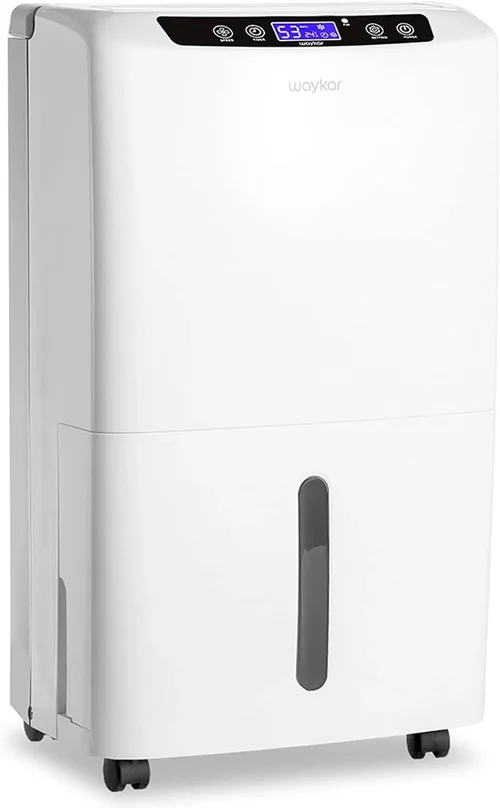
If you’ve ever walked into a basement that smells like wet socks, noticed mold creeping along your bathroom walls, or felt that sticky, uncomfortable humidity clinging to your skin even indoors, then you already know why a dehumidifier matters. Excess moisture in your home isn’t just unpleasant—it can trigger allergies, damage furniture and electronics, and even compromise your home’s structural integrity over time. As we move through 2026, the dehumidifier market has evolved dramatically, with smarter controls, energy-efficient designs, and advanced filtration systems becoming the norm rather than the exception. Whether you’re dealing with seasonal dampness, chronic humidity from a humid climate, or simply want to improve indoor air quality, choosing the right dehumidifier is more important—and more complex—than ever.
This expert buying guide is designed to cut through the noise and help you make a confident, informed decision. We’ll walk you through every critical factor you need to consider, from performance specs and energy efficiency to smart features and long-term durability. You’ll learn how to match the right type of dehumidifier to your specific needs—whether that’s a compact unit for a small closet or a heavy-duty machine for a full basement. We’ll also highlight common pitfalls to avoid, share insider tips for getting the best value, and provide clear recommendations based on real-world testing and user feedback. By the end of this guide, you won’t just know which dehumidifier to buy—you’ll understand exactly why it’s the right choice for your home.
The dehumidifier market in 2026 is more competitive and innovative than it’s ever been. Major brands like Frigidaire, Honeywell, GE, and Midea continue to dominate, but newer players like AprilAire and AlorAir are gaining traction with specialized solutions for crawl spaces, garages, and commercial applications. Energy Star certification is now standard on most mid-to-high-end models, and many units now come with Wi-Fi connectivity, app control, and integration with smart home ecosystems like Alexa and Google Home. Meanwhile, advancements in refrigerant technology and compressor efficiency have led to quieter operation and lower power consumption. With prices ranging from under $100 for basic units to over $800 for industrial-grade systems, there’s a dehumidifier for nearly every budget and use case. But with so many options, the challenge isn’t finding a dehumidifier—it’s finding the right one.
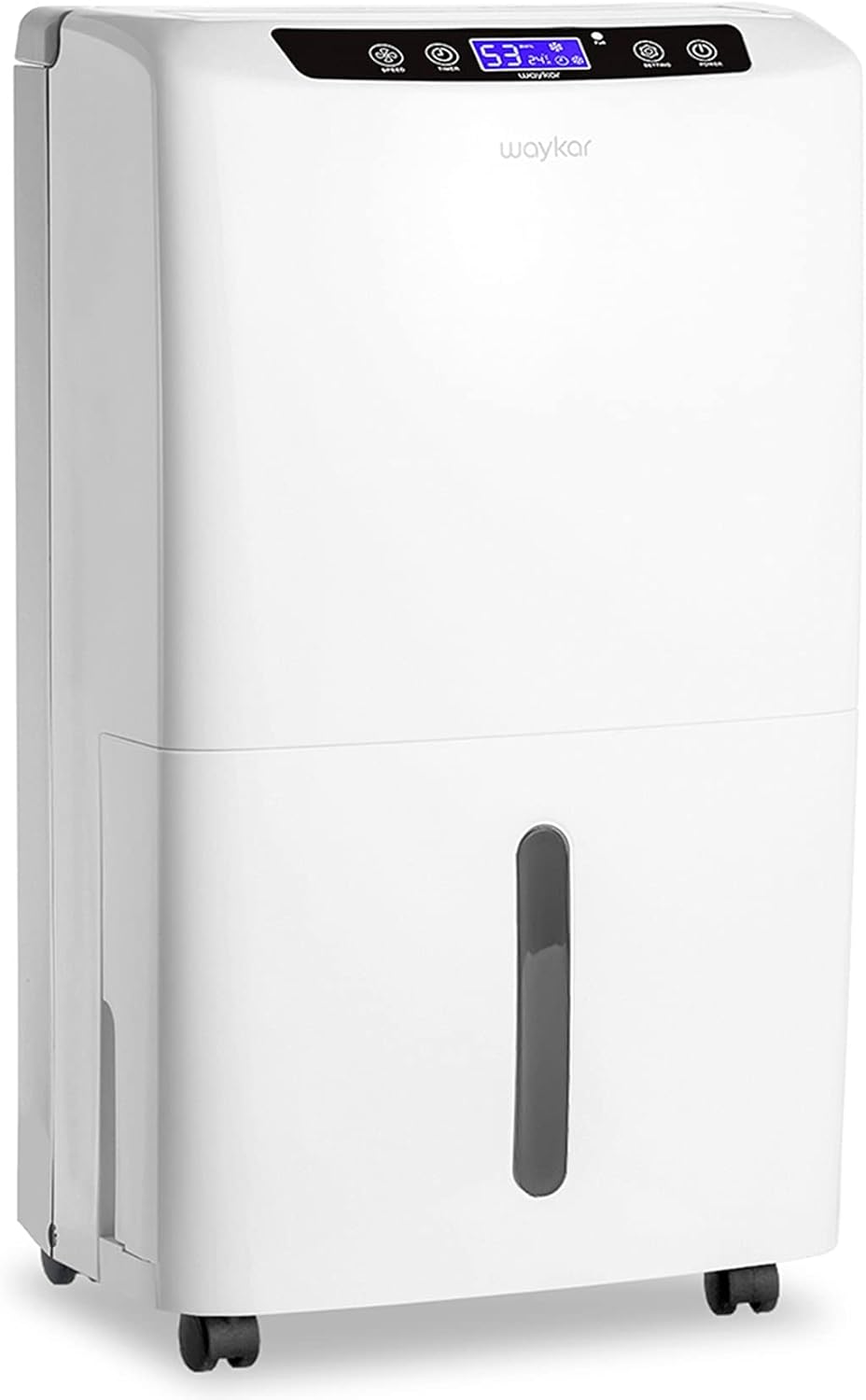
What to Look for When Buying Buying Guide
1. Budget & Price Range
Your budget will naturally influence your options, but it’s important to view a dehumidifier as a long-term investment in your home’s health and comfort. While it’s tempting to go for the cheapest model available, low-cost units often lack the durability, efficiency, and features needed for consistent performance. On the other hand, spending top dollar doesn’t always guarantee the best results—especially if the unit is overkill for your space. A good rule of thumb is to allocate between $150 and $400 for a reliable, mid-range dehumidifier that balances performance, energy efficiency, and build quality. If you’re dealing with a large area (like a full basement or crawl space), you may need to invest $500 or more for a high-capacity unit. Always consider the total cost of ownership, including electricity usage and potential maintenance, not just the upfront price.
2. Performance Specifications
Performance is arguably the most critical factor when choosing a dehumidifier. The key spec to look for is the pint capacity, which indicates how much moisture the unit can remove in 24 hours under standard conditions (typically 60% relative humidity at 80°F). For small spaces like closets or bathrooms, a 20–30 pint model is usually sufficient. Medium-sized rooms (up to 1,500 sq ft) benefit from 30–50 pint units, while large basements or whole-house applications may require 70+ pint capacity. However, don’t rely solely on pint ratings—also check the actual coverage area listed by the manufacturer, as real-world performance can vary. Additionally, look for units with adjustable humidity settings (ideally with a built-in hygrometer) so you can maintain your ideal indoor humidity level (generally between 30% and 50%). Energy efficiency is another performance metric to prioritize; models with the ENERGY STAR label use up to 30% less energy than standard units, which can save you significantly on utility bills over time.
3. Build Quality & Durability
A dehumidifier is a mechanical appliance that runs frequently, often in harsh environments like basements or garages, so durability is essential. Look for models with sturdy casings made from high-impact plastic or metal, reinforced coils, and sealed components that resist corrosion. Units with all-metal internal frames and coated evaporator coils tend to last longer, especially in damp conditions. Pay attention to the quality of the compressor—scroll compressors are generally more durable and quieter than reciprocating ones. Also, check the filter design: washable, reusable filters are more cost-effective and eco-friendly than disposable ones. A well-built dehumidifier should last 5–7 years with proper maintenance, so don’t skimp on construction quality even if it means paying a bit more upfront.
4. Features & Functionality
Modern dehumidifiers come packed with features that enhance convenience, efficiency, and control. Auto-defrost is a must-have if you plan to use the unit in cold environments (below 65°F), as it prevents ice buildup on the coils. Continuous drainage is another valuable feature—instead of manually emptying a water bucket every few hours, you can connect a hose to drain water directly into a floor drain or sump pump. Look for models with a built-in pump if you need to move water vertically (e.g., from a basement to a sink upstairs). Smart features are increasingly common: Wi-Fi connectivity allows you to monitor and control humidity levels via a smartphone app, set schedules, and receive alerts when the bucket is full. Some units even integrate with smart thermostats or home automation systems. Additional conveniences include digital displays, programmable timers, auto-restart after power outages, and quiet operation (under 50 decibels). While not all features are necessary, they can significantly improve usability, especially in hard-to-reach areas.
5. Brand Reputation
Not all dehumidifier brands are created equal. Established manufacturers like Frigidaire, Honeycomb (Honeywell), and GE have decades of experience and a track record of reliable performance. These brands typically offer better customer support, wider service networks, and more consistent quality control. Newer or lesser-known brands may offer tempting prices, but they often lack long-term reliability and post-purchase support. Research customer reviews on trusted platforms like Consumer Reports, Amazon, and Home Depot to gauge real-world performance. Pay attention to recurring complaints—such as frequent breakdowns, poor customer service, or difficulty obtaining replacement parts—as these can be red flags. A reputable brand may cost slightly more, but the peace of mind and longevity are usually worth it.
6. Warranty & Support
A solid warranty is a strong indicator of a manufacturer’s confidence in their product. Most reputable dehumidifiers come with a 1- to 2-year limited warranty, but some premium models offer up to 5 years of coverage, especially on the compressor. Always read the fine print: some warranties only cover parts, while others include labor and shipping. Check whether the warranty is voided by improper use, such as operating the unit in temperatures outside the recommended range. Also, consider the availability of customer support—can you easily reach a technician? Are replacement filters and parts readily available? Brands with strong U.S.-based support teams tend to resolve issues faster than those relying on overseas centers. A good warranty and responsive support can save you hundreds in repair costs and downtime.
7. Size & Portability
Even the most powerful dehumidifier is useless if it’s too bulky to move or doesn’t fit in your space. Consider the physical dimensions and weight of the unit, especially if you plan to move it between rooms or store it when not in use. Most residential dehumidifiers weigh between 30 and 60 pounds, so look for models with built-in handles and caster wheels for easy mobility. Compact designs are ideal for small spaces like RVs, boats, or apartments, while larger units are better suited for basements or whole-house systems. Also, think about noise level—larger compressors can be louder, which may be an issue if the unit is placed near living areas. Some models feature sleep modes or low-speed settings for quieter nighttime operation.
8. User Reviews & Ratings
While specs and features are important, real-world performance often tells a different story. User reviews provide invaluable insights into how a dehumidifier performs over time, including reliability, ease of use, and common issues. Look for patterns in reviews: if multiple users report the same problem—like a leaking bucket or faulty humidity sensor—it’s likely a design flaw. Pay attention to reviews from people with similar needs (e.g., basement use, high humidity climates) to get the most relevant feedback. Sites like Amazon, Best Buy, and Home Depot allow you to filter reviews by star rating, verified purchase, and keywords, making it easier to find honest, detailed assessments. Don’t rely solely on the overall star rating; read both positive and negative reviews to get a balanced perspective.
Different Types of Buying Guide
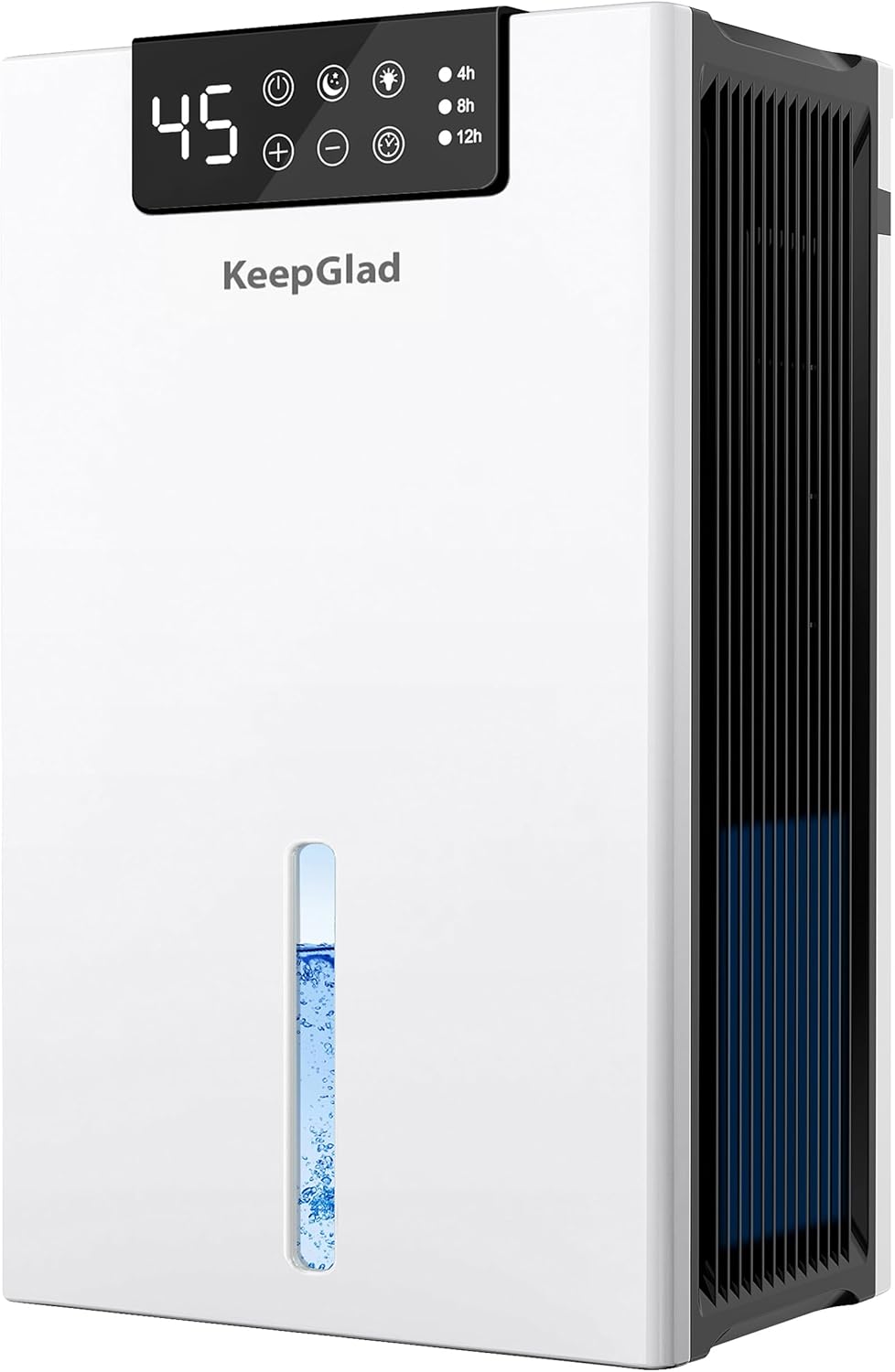
Common Buying Mistakes to Avoid
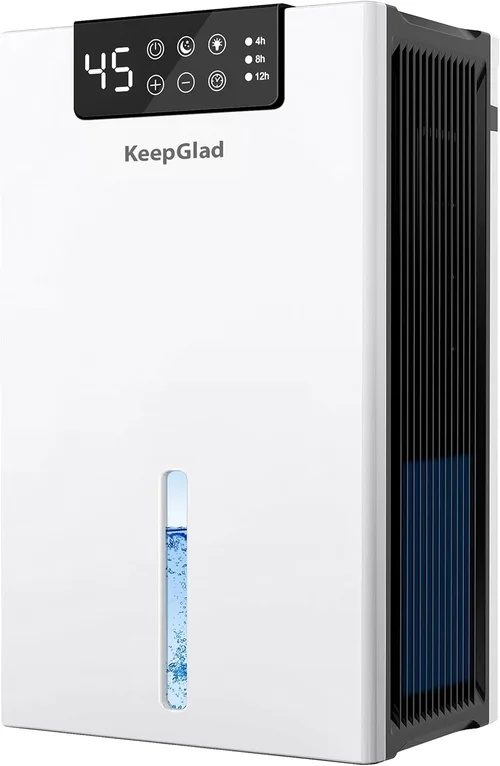
❌ Mistake: Buying Based Solely on Pint Capacity
Why it’s bad: Pint capacity is often measured under ideal lab conditions and may not reflect real-world performance. A 50-pint unit might only remove 30 pints in a cold basement or high-humidity environment. Relying only on this number can lead to underperformance and frustration.
What to do instead: Always check the manufacturer’s recommended coverage area and consider your specific conditions (temperature, humidity level, room size). When in doubt, choose a model with slightly higher capacity than you think you need.
❌ Mistake: Ignoring Energy Efficiency
Why it’s bad: Dehumidifiers run for hours each day, and inefficient models can significantly increase your electricity bill. A unit that uses 500 watts instead of 300 watts can cost you an extra $100+ per year in energy costs.
What to do instead: Look for ENERGY STAR-certified models and check the energy factor (liters of water removed per kilowatt-hour). Higher efficiency means lower operating costs and a smaller environmental footprint.
❌ Mistake: Overlooking Drainage Options
Why it’s bad: If you forget to empty the water bucket regularly, the unit will shut off, leaving your space damp. This is especially problematic in basements or vacation homes where you’re not present daily.
What to do instead: Choose a model with continuous drainage via a hose, or one with a built-in pump for vertical drainage. This eliminates the need for manual emptying and ensures uninterrupted operation.
❌ Mistake: Choosing the Wrong Type for Your Climate
Why it’s bad: Refrigerant dehumidifiers lose efficiency in cold temperatures (below 65°F), while desiccant models are less effective in very humid conditions. Using the wrong type can result in poor performance and higher energy use.
What to do instead: Match the dehumidifier type to your environment: use refrigerant units in warm, humid areas and desiccant models in cold or temperate climates.
❌ Mistake: Skipping the Warranty Check
Why it’s bad: Dehumidifiers have mechanical components that can fail. Without a solid warranty, a single repair could cost nearly as much as a new unit.
What to do instead: Always verify the warranty length and coverage before purchasing. Opt for extended warranties if available, especially for high-end models.
❌ Mistake: Not Considering Noise Levels
Why it’s bad: A loud dehumidifier can be disruptive, especially if placed near bedrooms or living areas. Some units emit 60+ decibels—equivalent to a loud conversation.
What to do instead: Check the decibel rating and look for models with quiet operation modes. Desiccant dehumidifiers are generally quieter than compressor-based ones.
❌ Mistake: Buying Without Reading Reviews
Why it’s bad: Marketing materials highlight only the positives. Real user experiences often reveal hidden flaws like poor build quality, faulty sensors, or difficult maintenance.
What to do instead: Spend time reading verified customer reviews on multiple platforms. Look for consistent feedback and pay attention to long-term reliability reports.
Budget Guidelines: How Much Should You Spend?
Entry-Level ($50 – $150): These are typically mini or compact desiccant dehumidifiers ideal for small spaces like closets, RVs, or bathrooms. They’re affordable and portable but have limited capacity (usually under 20 pints) and may lack advanced features like auto-defrost or continuous drainage. Best for occasional use or mild humidity issues.
Mid-Range ($150 – $400): This is the sweet spot for most homeowners. These refrigerant-based units offer 30–70 pint capacity, energy-efficient operation, and features like digital controls, washable filters, and hose drainage. They’re reliable, durable, and suitable for basements, garages, and large rooms. Expect ENERGY STAR certification and 1–2 year warranties.
Premium ($400 – $800): Designed for serious moisture problems, these high-capacity models (70+ pints) often include smart features like Wi-Fi connectivity, app control, and integration with home automation systems. They’re built with commercial-grade components, offer superior durability, and may include built-in pumps for vertical drainage. Ideal for large basements, crawl spaces, or whole-house use.
Luxury ($800+): These are whole-house or industrial-grade dehumidifiers built for maximum performance and longevity. They’re typically installed as part of an HVAC system and can handle extreme humidity levels in large homes or commercial spaces. Features include advanced filtration, remote monitoring, and extended warranties. Best for professionals or homeowners with significant moisture challenges.
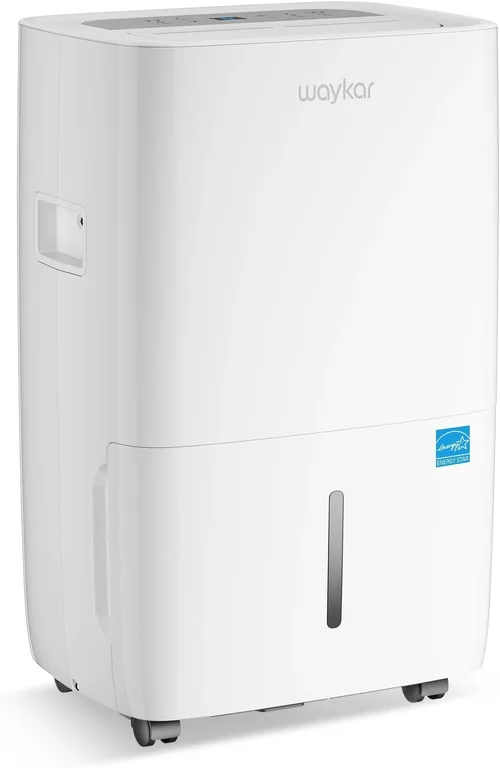
Expert Tips for Getting the Best Deal
– Buy During Off-Peak Seasons: Dehumidifiers are in highest demand during summer and rainy seasons. Shop in late fall or winter (October–February) when retailers offer discounts to clear inventory.
– Check for Rebates and Incentives: Many utility companies offer rebates for ENERGY STAR-certified dehumidifiers. Visit your provider’s website or the ENERGY STAR rebate finder to see if you qualify.
– Compare Prices Across Retailers: Don’t settle for the first price you see. Compare prices on Amazon, Home Depot, Lowe’s, and specialty HVAC sites. Use price tracking tools like Honey or CamelCamelCamel to monitor fluctuations.
– Look for Bundled Deals: Some retailers offer discounts when you buy a dehumidifier with other appliances (e.g., air conditioners or heaters). These bundles can save you 10–20%.
– Consider Refurbished or Open-Box Units: Certified refurbished models from reputable sellers often come with full warranties and can cost 20–40% less than new units.
– Read the Return Policy: Ensure the retailer offers at least a 30-day return window. This gives you time to test the unit and return it if it doesn’t meet your needs.
– Test Before Committing: If buying in-store, ask to see a demo unit in action. Listen for noise, check the display, and verify ease of use.
– Register Your Warranty Immediately: Some manufacturers require registration within 30 days of purchase to activate the warranty. Don’t skip this step.

Frequently Asked Questions
Q: How do I know what size dehumidifier I need?
A: Start by measuring the square footage of the area you want to dehumidify. Then consider the humidity level: a damp basement may need a 70-pint unit, while a slightly musty closet might only need a 20-pint model. Use the manufacturer’s coverage guidelines and adjust based on your specific conditions.
Q: Can I run a dehumidifier all the time?
A: Yes, but it’s not always necessary. Most modern units have auto-humidistats that turn the compressor on and off to maintain your set humidity level. Running it continuously in a well-controlled environment is safe and efficient.
Q: Do dehumidifiers use a lot of electricity?
A: It depends on the model and usage. ENERGY STAR-certified units use about 15–30% less energy than standard models. On average, a 50-pint dehumidifier uses 500–700 watts and may cost $20–$40 per month to run continuously, depending on local electricity rates.
Q: Should I drain the water or use a hose?
A: If you’re present to empty the bucket daily, manual drainage is fine. For basements, garages, or unattended spaces, a continuous drain hose is far more convenient and prevents overflow.
Q: Can a dehumidifier help with mold?
A: Yes, by reducing moisture, dehumidifiers inhibit mold growth. However, they won’t remove existing mold—you’ll need to clean affected areas with appropriate cleaners and ensure proper ventilation.
Q: Are desiccant dehumidifiers better than compressor models?
A: It depends on your needs. Desiccant models work better in cold temperatures and are quieter, but they’re less energy-efficient in warm, humid climates. Compressor models are more efficient in typical home conditions.
Q: How often should I clean the filter?
A: Most manufacturers recommend cleaning the filter every 2–4 weeks during heavy use. A clogged filter reduces airflow and efficiency, so regular maintenance is essential.
Q: Can I use a dehumidifier in winter?
A: Yes, but only if the temperature stays above 65°F. Below that, refrigerant units may ice up. Desiccant models are better suited for cold-weather use.
Q: Do dehumidifiers cool the air?
A: Not significantly. While they remove moisture, they don’t lower temperature like an air conditioner. In fact, they may slightly warm the air due to heat generated by the compressor.
Q: What’s the ideal indoor humidity level?
A: Between 30% and 50% is recommended for comfort and health. Levels above 60% promote mold and dust mites, while levels below 30% can cause dry skin and respiratory irritation.
Our Final Recommendations
Best for Budget-Conscious Buyers: Frigidaire FFAD7033R1 – At around $250, this 70-pint ENERGY STAR-certified unit offers excellent performance for the price. It features a washable filter, continuous drainage, and a digital display. Ideal for basements up to 1,500 sq ft.
Best Overall Value: Honeywell TP70WKN – Priced at $350, this 70-pint model combines reliability, efficiency, and smart features. It includes Wi-Fi connectivity, app control, and a built-in pump for vertical drainage. Perfect for tech-savvy homeowners.
Best Premium Option: AprilAire E130 – At $750, this whole-house dehumidifier integrates with your HVAC system and covers up to 7,000 sq ft. It’s whisper-quiet, highly efficient, and backed by a 5-year warranty. Ideal for large homes with chronic humidity issues.
Best for Beginners: GE APER50LZ – This 50-pint unit is user-friendly, with simple controls, auto-defrost, and a large water bucket. At $200, it’s an excellent entry point for first-time buyers.
Best for Advanced Users: AlorAir Sentinel HDi90 – Designed for crawl spaces and basements, this commercial-grade unit removes up to 90 pints per day and operates in temperatures as low as 33°F. At $600, it’s a powerhouse for serious moisture problems.
Conclusion: Making the Right Choice
Choosing the right dehumidifier in 2026 isn’t just about picking the biggest or most expensive model—it’s about finding the unit that aligns with your specific needs, environment, and budget. From understanding pint capacity and energy efficiency to avoiding common pitfalls and leveraging smart features, this guide has equipped you with the knowledge to make a confident decision. Remember, the best dehumidifier is the one that consistently maintains healthy indoor humidity levels without breaking the bank or requiring constant attention.
As you evaluate your options, prioritize your must-have features: whether that’s quiet operation, continuous drainage, or app control. Don’t overlook the importance of brand reputation, warranty coverage, and real user feedback. And when in doubt, lean toward slightly higher capacity and better build quality—these investments pay off in performance and longevity.
Ultimately, a high-quality dehumidifier does more than just remove moisture—it protects your home, improves your health, and enhances your comfort. With the insights from this guide, you’re ready to find the perfect match for your space. Take your time, compare your top choices, and invest wisely. Your future self—and your home—will thank you.