
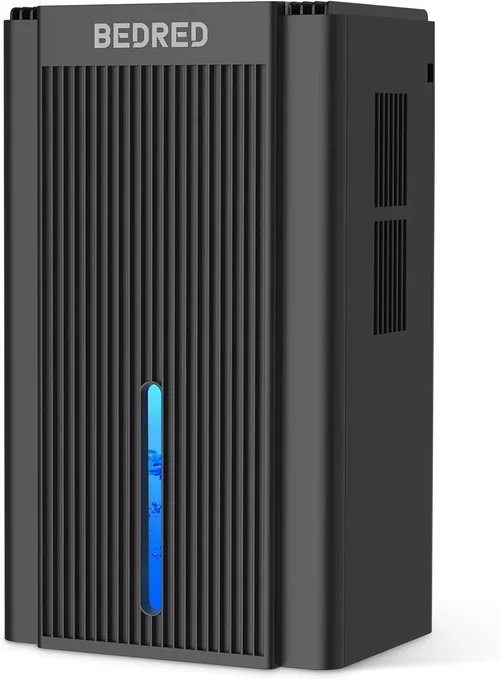
When it comes to maintaining a healthy, comfortable home environment, few appliances are as quietly essential—and often overlooked—as the dehumidifier. Whether you’re battling musty odors in a damp basement, preventing mold growth in a humid climate, or simply trying to improve indoor air quality for allergy sufferers, a high-quality dehumidifier can make a dramatic difference. Yet, with hundreds of models flooding the market—from compact units under $100 to smart, whole-home systems costing over $1,000—choosing the right one can feel overwhelming. That’s where this comprehensive buying guide comes in.
This expert-level Smart Dehumidifier Buying Guide 2026 is designed to cut through the noise and help you make an informed, confident decision. Whether you’re a first-time buyer or upgrading from an outdated unit, you’ll learn exactly what to look for, which features truly matter, and how to avoid common pitfalls. We’ll cover everything from performance specs and energy efficiency to smart connectivity and long-term durability. By the end, you’ll not only understand how dehumidifiers work but also know which model best fits your home, lifestyle, and budget.
The dehumidifier market has evolved significantly in recent years. Gone are the days when these devices were bulky, noisy, and inefficient. Today’s models boast advanced sensors, Wi-Fi connectivity, auto-defrost capabilities, and whisper-quiet operation. Brands like Frigidaire, GE, hOmeLabs, and AprilAire now offer units that integrate seamlessly with smart home ecosystems, allowing you to monitor and control humidity levels remotely via smartphone apps. Meanwhile, energy-efficient designs help reduce electricity costs while protecting your home from moisture-related damage. With such rapid innovation, it’s more important than ever to choose wisely—because the right dehumidifier isn’t just a purchase; it’s an investment in your home’s health and comfort.

What to Look for When Buying Buying Guide
1. Capacity & Coverage Area
One of the most critical factors when selecting a dehumidifier is its capacity, typically measured in pints per day (PPD). This number tells you how much moisture the unit can remove from the air in a 24-hour period under standard testing conditions (usually 60% relative humidity at 80°F). However, don’t just go by the number alone—you also need to match that capacity to your room size and moisture level.
For example, a 30-pint dehumidifier is ideal for small spaces like bathrooms or laundry rooms (up to 500 sq ft), while a 50-pint model suits medium-sized basements or living areas (up to 1,500 sq ft). If you live in a humid climate or have a chronically damp basement, consider stepping up to a 70-pint or larger unit. Oversizing slightly is usually better than undersizing—a unit that’s too small will run constantly, wear out faster, and fail to control humidity effectively.
Also pay attention to the unit’s coverage area specification, which should align with your space. Some manufacturers list both “standard” and “severe” moisture conditions—always plan for the worst-case scenario. A basement with visible condensation or a musty smell needs a more powerful unit than a dry attic used for storage.
2. Energy Efficiency & Operating Costs
Dehumidifiers run for hours each day, especially during humid seasons, so energy efficiency directly impacts your utility bill and environmental footprint. Look for models with the ENERGY STAR® certification, which guarantees they meet strict efficiency guidelines set by the U.S. Environmental Protection Agency. ENERGY STAR dehumidifiers use 15–30% less energy than standard models, saving you money over time.
Check the unit’s Energy Factor (EF), measured in liters of water removed per kilowatt-hour (L/kWh). Higher EF values mean greater efficiency. For instance, a model with an EF of 2.0 is more efficient than one with 1.5. Also consider the wattage—lower wattage doesn’t always mean better efficiency, but combined with high EF, it’s a strong indicator.
Operating costs vary widely. A typical 50-pint dehumidifier uses about 500–700 watts and may cost $20–$40 per month to run continuously during peak season, depending on local electricity rates. While premium models may cost more upfront, their lower operating costs often justify the investment within a year or two.
3. Noise Level & Placement Flexibility
Nobody wants a dehumidifier that sounds like a jet engine—especially if it’s running in a bedroom, home office, or living room. Noise level is measured in decibels (dB), and most residential units range from 45 dB to 60 dB. For context, 45 dB is similar to a quiet library, while 60 dB resembles normal conversation.
If quiet operation is a priority, look for models specifically marketed as “whisper-quiet” or “low-noise.” These often feature insulated compressor compartments, variable-speed fans, and optimized airflow designs. Placement also affects perceived noise—units placed on carpet or near walls may sound louder due to vibration and echo.
Consider where you’ll place the dehumidifier. Basements and garages are more forgiving of noise, but bedrooms and nurseries demand ultra-quiet performance. Some top-tier models now offer night modes that further reduce fan speed and compressor cycling for undisturbed sleep.
4. Smart Features & Connectivity
The rise of smart home technology has transformed dehumidifiers from basic appliances into intelligent climate-control devices. Wi-Fi-enabled models let you monitor and adjust settings remotely via smartphone apps, receive alerts when the tank is full, or integrate with voice assistants like Alexa or Google Assistant.
Look for features like:
– Real-time humidity monitoring with digital displays
– Customizable humidity setpoints (e.g., 45%, 50%, 55%)
– Automatic restart after power outages
– Scheduled operation (e.g., run only during peak humidity hours)
– Integration with smart thermostats or home automation systems
Some advanced models even use AI to learn your home’s humidity patterns and adjust operation accordingly. While smart features add convenience, they’re not essential for everyone—especially if you prefer simplicity or don’t use other smart devices. But for tech-savvy homeowners or those managing humidity in multiple zones, they’re game-changers.
5. Tank Size & Drainage Options
All dehumidifiers collect water in an internal tank, but how often you need to empty it depends on tank size and humidity levels. Tank capacity typically ranges from 1 gallon (about 8 pints) to over 2 gallons. Larger tanks mean less frequent emptying—ideal for busy households or unattended spaces like basements.
However, many modern units offer continuous drainage options. You can connect a standard garden hose to a built-in drain port, allowing the dehumidifier to run indefinitely without manual intervention. This is especially useful in high-moisture areas or if you’re away from home frequently.
Check whether the unit includes a drain hose adapter or requires a separate purchase. Also verify the pump capability if you plan to drain uphill—some models include built-in condensate pumps for vertical drainage up to 15 feet.
6. Build Quality & Durability
A dehumidifier is a long-term investment, so durability matters. Look for sturdy construction with rust-resistant coils (often coated aluminum or copper), reinforced plastic housings, and quality components. Units with metal grilles, sealed compressors, and anti-vibration feet tend to last longer and perform more reliably.
Pay attention to warranty length—most reputable brands offer 1–2 years of coverage, while premium models may include 3–5 years. A longer warranty often reflects manufacturer confidence in build quality. Also check user reviews for reports of common failures, such as compressor burnout, fan motor issues, or coil corrosion.
Avoid ultra-cheap models from unknown brands. They may save you $50 upfront but could cost you hundreds in repairs or replacements within a year. Stick with established names known for reliability: Frigidaire, GE Appliances, hOmeLabs, Danby, and AprilAire are consistently rated highly for durability.
7. Ease of Maintenance & Filter Access
Regular maintenance keeps your dehumidifier running efficiently and prevents mold or bacteria buildup inside the unit. The most critical maintenance task is cleaning or replacing the air filter, which captures dust, pet dander, and other particles before they enter the system.
Look for models with washable, reusable filters that are easy to remove and clean—ideally without tools. Some units include filter change indicators or reminders via the display or app. Avoid designs where the filter is buried deep inside or requires disassembly.
Other maintenance considerations include:
– Access to the water tank (should slide out smoothly)
– Coil cleaning (some models have removable panels)
– Desiccant vs. compressor types (desiccant units may require periodic regeneration)
A well-designed dehumidifier makes upkeep simple, so you’re more likely to do it consistently.
8. Safety Features & Certifications
Safety should never be an afterthought. Ensure the dehumidifier carries certifications from recognized bodies like UL (Underwriters Laboratories), ETL (Intertek), or CSA. These indicate compliance with electrical and fire safety standards.
Key safety features include:
– Auto shut-off when the tank is full
– Overheat protection
– Frost detection and auto-defrost (prevents ice buildup on coils in cold environments)
– Child lock (for households with kids or pets)
Units designed for basements or crawl spaces should also be cold-weather compatible. Standard compressor dehumidifiers struggle below 65°F, but “low-temperature” models can operate efficiently down to 41°F or lower—essential for unheated garages or winter basements.
Different Types of Buying Guide
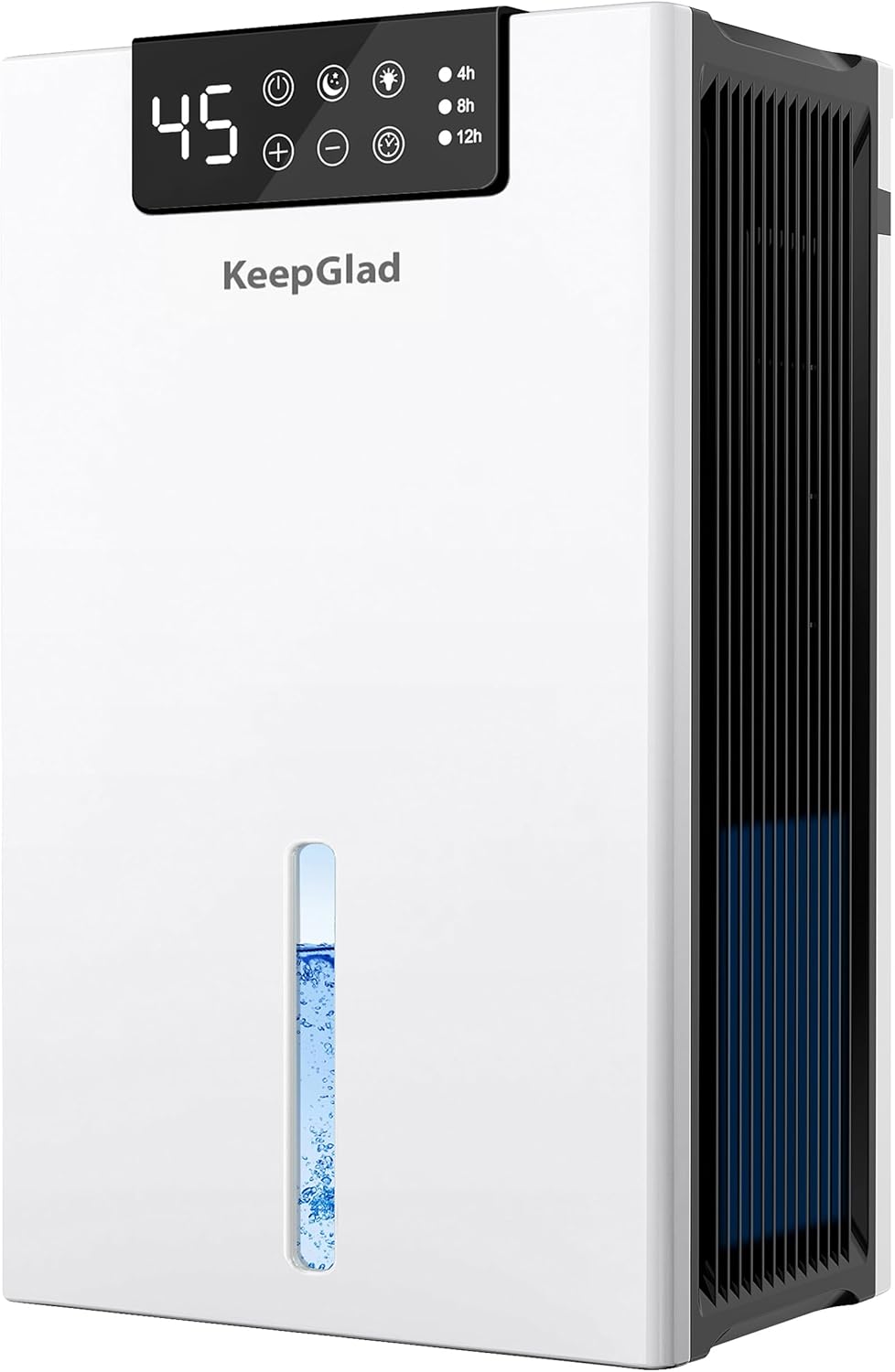
Common Buying Mistakes to Avoid
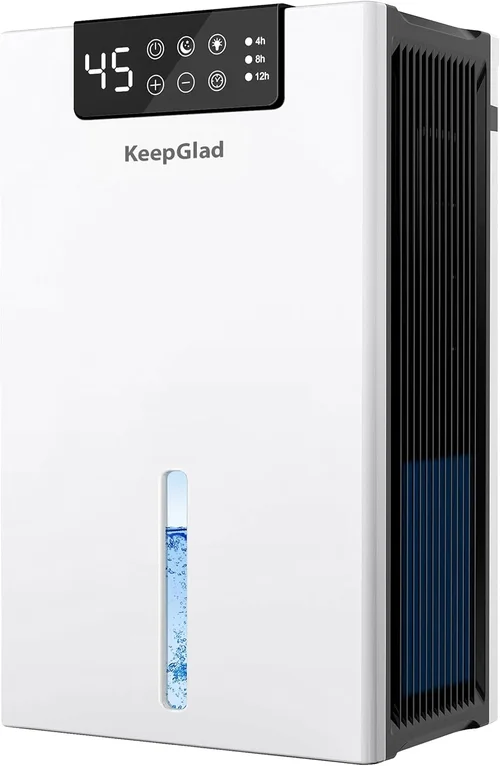
❌ Mistake: Choosing Based Solely on Price
Why it’s bad: The cheapest dehumidifier often lacks durability, efficiency, and essential features. It may break down quickly, cost more to operate, or fail to control humidity effectively—leading to mold, odors, and potential health risks.
What to do instead: Balance upfront cost with long-term value. Invest in a mid-range or premium model from a reputable brand. Consider total cost of ownership, including energy use and expected lifespan.
❌ Mistake: Ignoring Room Size and Humidity Level
Why it’s bad: A unit too small for your space will run constantly, overheat, and wear out prematurely. Conversely, an oversized unit may cycle on and off too frequently, reducing efficiency and failing to maintain consistent humidity.
What to do instead: Accurately measure your space and assess moisture severity. Use manufacturer sizing charts and, when in doubt, opt for a slightly larger capacity—especially in basements or humid climates.
❌ Mistake: Overlooking Drainage Needs
Why it’s bad: If you forget to empty the tank regularly, the unit will shut off and stop working—defeating its purpose. In high-moisture areas, manual emptying becomes a daily chore.
What to do instead: Choose a model with a large tank or, better yet, continuous drainage via hose. If using a hose, ensure proper slope and secure connection to prevent leaks.
❌ Mistake: Neglecting Maintenance Requirements
Why it’s bad: Dirty filters and clogged coils reduce efficiency, increase energy use, and can lead to mold growth inside the unit—spreading spores into your home.
What to do instead: Select a dehumidifier with easy-access, washable filters. Set calendar reminders to clean the filter monthly and inspect coils seasonally.
❌ Mistake: Buying Without Checking Cold-Weather Performance
Why it’s bad: Standard compressor dehumidifiers ice up and stop working below 65°F. If you’re using it in an unheated basement or garage during winter, it will be useless.
What to do instead: Look for “low-temperature operation” or “auto-defrost” features. Desiccant models are inherently better in cold environments.
❌ Mistake: Assuming All “50-Pint” Units Are Equal
Why it’s bad: Pint ratings are based on ideal lab conditions. Real-world performance varies significantly based on temperature, humidity, and unit design. Two 50-pint models may perform very differently in your home.
What to do instead: Read independent reviews and look for real-user feedback. Pay attention to noise, efficiency, and reliability—not just the spec sheet.
❌ Mistake: Skipping Smart Features When They’d Be Useful
Why it’s bad: If you travel often or manage humidity in multiple areas, missing out on remote monitoring or alerts could mean coming home to a flooded basement or mold outbreak.
What to do instead: Evaluate your lifestyle. If you value convenience and peace of mind, a smart model is worth the extra cost.
Budget Guidelines: How Much Should You Spend?
– Entry-Level ($80–$200): These are typically small-capacity (20–30 pint) portable units ideal for closets, RVs, or very small rooms. They’re affordable but often lack durability, smart features, and efficient drainage. Best for temporary use or low-moisture areas. Expect shorter lifespans and higher noise levels.
– Mid-Range ($200–$450): This is the sweet spot for most homeowners. You’ll find reliable 50-pint compressor models with ENERGY STAR ratings, decent tank sizes, basic digital controls, and optional hose drainage. Brands like Frigidaire, hOmeLabs, and GE dominate this tier with strong performance and good warranties.
– Premium ($450–$800): Designed for demanding environments, these units offer higher capacity (70+ pints), advanced sensors, Wi-Fi connectivity, ultra-quiet operation, and robust build quality. Ideal for large basements, humid climates, or tech-savvy users who want automation and remote control.
– Luxury ($800+): Whole-house dehumidifiers and high-end smart models fall here. They integrate with HVAC systems, offer professional-grade moisture control, and include features like condensate pumps, multi-zone sensors, and extended warranties. Best for large homes, severe moisture problems, or those seeking maximum convenience and performance.

Expert Tips for Getting the Best Deal
– Buy Off-Season: Prices drop significantly in late fall and winter when demand is low. Retailers often discount summer inventory to clear space. You can save 20–30% by purchasing between November and February.
– Shop Major Sales Events: Black Friday, Cyber Monday, and Amazon Prime Day offer some of the deepest discounts on appliances. Sign up for deal alerts from retailers like Home Depot, Lowe’s, Best Buy, and Amazon.
– Compare Online vs. In-Store: Online retailers often have lower prices and wider selections, but in-store purchases let you inspect build quality and ask questions. Some stores price-match online competitors—use this to your advantage.
– Check Manufacturer Rebates: ENERGY STAR models may qualify for utility rebates or tax credits, especially in states with aggressive energy-efficiency programs. Visit the ENERGY STAR website for current offers.
– Read Return Policies Carefully: Ensure the retailer allows returns within at least 30 days, especially if you’re unsure about sizing or performance. Some brands charge restocking fees, so confirm before buying.
– Test Before Committing: If possible, run the dehumidifier for a few days in your intended space. Monitor noise, tank filling rate, and humidity control. Most reputable sellers accept returns if the unit doesn’t meet expectations.
– Prioritize Warranty Length: A longer warranty often indicates better quality. Look for at least a 2-year warranty, and consider extended coverage if available.
– Bundle with Other Purchases: Some retailers offer discounts when you buy multiple appliances together (e.g., dehumidifier + air purifier). This can unlock additional savings.

Frequently Asked Questions
Q: How do I know if I need a dehumidifier?
A: Signs include persistent musty odors, condensation on windows or walls, peeling paint, warped wood, or visible mold. You can also use a hygrometer to measure indoor humidity—ideal levels are between 30% and 50%. If it consistently exceeds 60%, a dehumidifier is recommended.
Q: Can a dehumidifier help with allergies?
A: Yes. By reducing moisture, dehumidifiers inhibit the growth of mold, dust mites, and mildew—common allergens. This can significantly improve air quality and reduce allergy symptoms, especially for sensitive individuals.
Q: Should I run my dehumidifier all the time?
A: Not necessarily. Most models have built-in humidistats that automatically turn the unit on and off to maintain your set humidity level. Running it continuously is only needed in extremely damp conditions or if you lack a humidistat.
Q: Is it safe to leave a dehumidifier on overnight?
A: Yes, as long as it has safety features like auto shut-off, overheat protection, and a secure tank. Modern units are designed for continuous operation. Just ensure it’s placed on a stable, level surface away from flammable materials.
Q: How often should I clean the filter?
A: Clean the filter every 2–4 weeks during heavy use, or monthly during lighter seasons. A clogged filter restricts airflow, reducing efficiency and potentially causing the unit to overheat.
Q: Can I use a dehumidifier in winter?
A: Only if it’s rated for low-temperature operation (typically below 65°F). Standard compressor models will ice up and stop working. Desiccant or “cold-climate” compressor units are safe for winter use in unheated spaces.
Q: Do dehumidifiers cool the air?
A: Not significantly. While they remove moisture, they actually emit slightly warm air due to the heat generated by the compressor. The perceived cooling effect comes from reduced humidity, which makes the air feel more comfortable.
Q: What’s the difference between a dehumidifier and an air purifier?
A: A dehumidifier removes excess moisture from the air to prevent mold and mildew. An air purifier filters particles like dust, pollen, and smoke but doesn’t affect humidity. They serve different purposes but can complement each other for optimal indoor air quality.
Q: How long do dehumidifiers last?
A: With proper maintenance, most quality units last 5–10 years. Cheaper models may fail within 2–3 years. Regular filter cleaning, coil inspection, and avoiding overuse extend lifespan.
Q: Can I install a whole-house dehumidifier myself?
A: Generally no. Whole-house units require integration with your HVAC system, ductwork modifications, and often electrical upgrades. Professional installation ensures safety, efficiency, and warranty validity.
Our Final Recommendations
– Best for Budget-Conscious Buyers: hOmeLabs 30 Pint Dehumidifier – Reliable performance, compact design, and ENERGY STAR rating under $200. Perfect for small spaces and first-time buyers.
– Best Overall Value: Frigidaire FFAD7033R1 70 Pint Dehumidifier – Excellent moisture removal, quiet operation, continuous drainage, and strong user ratings around $350. Ideal for basements and medium-large homes.
– Best Premium Option: GE APER50LZ 50 Pint Smart Dehumidifier – Wi-Fi enabled, Alexa/Google compatible, sleek design, and precise humidity control. Priced around $550, it’s perfect for smart homes and tech enthusiasts.
– Best for Beginners: Danby DDR050BJPWDB 50 Pint Dehumidifier – Simple controls, easy maintenance, and reliable performance under $300. Great for those who want plug-and-play simplicity.
– Best for Advanced Users: AprilAire E080 Pro 80 Pint Whole-House Dehumidifier – Professional-grade, integrates with HVAC, handles entire homes, and includes a condensate pump. At $1,200+, it’s for serious moisture challenges and large properties.
Conclusion: Making the Right Choice
Choosing the best dehumidifier for your home isn’t about finding the most expensive or feature-packed model—it’s about matching the right tool to your specific needs. Whether you’re fighting basement dampness, protecting valuables in a closet, or creating a healthier living environment for your family, the right dehumidifier can deliver lasting benefits.
Remember to prioritize capacity, efficiency, noise, and drainage based on your space and lifestyle. Avoid common pitfalls like undersizing or ignoring maintenance. And don’t forget to leverage seasonal sales and rebates to maximize value.
Ultimately, a quality dehumidifier is more than an appliance—it’s a guardian of your home’s structural integrity, air quality, and comfort. Take the time to research, compare, and invest wisely. Your future self (and your walls) will thank you.