
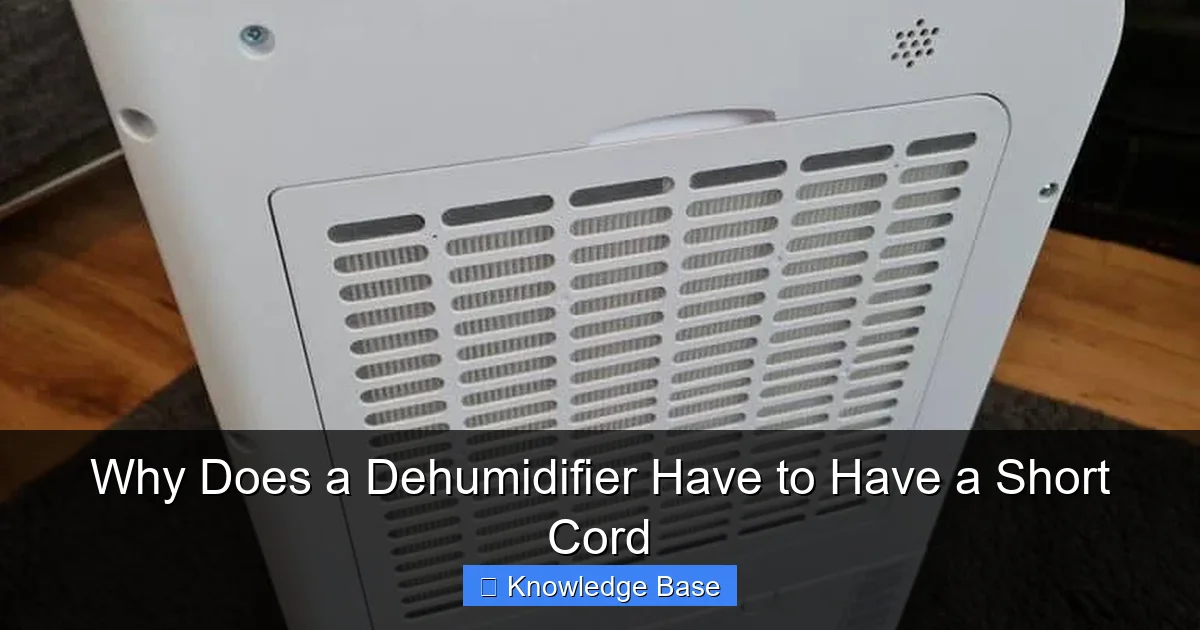
Dehumidifiers have short cords for safety, energy efficiency, and optimal performance. Longer cords can cause voltage drops, tripping hazards, and reduced functionality, especially in damp areas like basements or laundry rooms.
Key Takeaways
- Safety First: Shorter cords reduce tripping hazards and minimize the risk of electrical accidents in wet environments.
- Voltage Stability: A short cord ensures consistent power delivery, preventing voltage drops that can damage the compressor or reduce efficiency.
- Compliance with Standards: Many safety certifications (like UL or ETL) require limited cord length to meet electrical safety guidelines.
- Compact Design Integration: Dehumidifiers are built for tight spaces; a shorter cord fits better and reduces clutter.
- Prevents Overheating: Longer cords can overheat when used with high-wattage appliances, increasing fire risk.
- Manufacturer Liability Protection: Limiting cord length helps manufacturers avoid misuse and potential lawsuits from improper use.
- Encourages Proper Placement: A short cord ensures the unit stays near a grounded outlet, reducing reliance on extension cords.
📑 Table of Contents
- Why Does a Dehumidifier Have to Have a Short Cord? A Deep Dive
- Safety Concerns in Damp Environments
- Electrical Efficiency and Voltage Drop
- Compliance with Electrical Safety Standards
- Design and Space Considerations
- The Dangers of Using Extension Cords
- Manufacturer Liability and Consumer Protection
- Practical Tips for Using a Dehumidifier with a Short Cord
- Conclusion
Why Does a Dehumidifier Have to Have a Short Cord? A Deep Dive
If you’ve ever unboxed a new dehumidifier, you might have noticed something a little… inconvenient. The power cord is surprisingly short—often just 6 to 8 feet long. At first glance, it might seem like a design flaw or a cost-cutting move. But in reality, there are solid, science-backed reasons why dehumidifiers come with short cords.
These reasons go beyond convenience. They touch on safety, performance, energy efficiency, and even legal compliance. Whether you’re using a dehumidifier in a damp basement, a humid bathroom, or a musty crawl space, the length of the power cord plays a crucial role in how safely and effectively the unit operates.
In this article, we’ll explore the real reasons behind this common design choice. We’ll break down the technical, safety, and practical factors that make short cords a necessity—not a limitation. By the end, you’ll understand why manufacturers don’t just slap on a 20-foot extension cord and call it a day.
Safety Concerns in Damp Environments

Visual guide about Why Does a Dehumidifier Have to Have a Short Cord
Image source: humidifierinspired.com
One of the most important reasons dehumidifiers have short cords is safety—especially when you consider where these appliances are typically used.
Dehumidifiers are most often placed in areas prone to moisture: basements, laundry rooms, garages, and bathrooms. These spaces are inherently more dangerous when it comes to electricity. Water and electricity are a dangerous mix, and the risk of shock or short-circuiting increases significantly in humid or wet conditions.
A longer cord increases the chances of it lying on a wet floor, getting stepped on, or becoming tangled near water sources. Even a small puddle or condensation buildup can turn a long, dangling cord into a hazard. A shorter cord keeps the power connection close to the wall outlet and off the ground, reducing the risk of contact with moisture.
Additionally, shorter cords are less likely to be damaged by foot traffic or furniture. In a basement full of boxes or a laundry room with moving appliances, a long cord can get pinched, frayed, or cut—creating a potential fire or shock risk.
Reducing Tripping Hazards
Let’s be honest—nobody wants to trip over a power cord in the middle of the night. Basements and utility rooms are often dimly lit and cluttered, making them prime spots for accidents. A long cord snaking across the floor is an invitation for a fall, especially if you’re carrying laundry or tools.
A short cord keeps the dehumidifier close to the wall, minimizing the amount of cord exposed on the floor. This not only reduces tripping risks but also helps maintain a cleaner, more organized space.
Preventing Electrical Shock
In areas with high humidity, even small amounts of moisture can conduct electricity. If a long cord is draped over a damp surface or near a leaking pipe, it increases the chance of electrical leakage or shock.
Dehumidifiers themselves are designed to handle moisture in the air, but their electrical components are not meant to be submerged or exposed to standing water. A short cord ensures that the connection point stays elevated and dry, away from potential water sources.
Electrical Efficiency and Voltage Drop
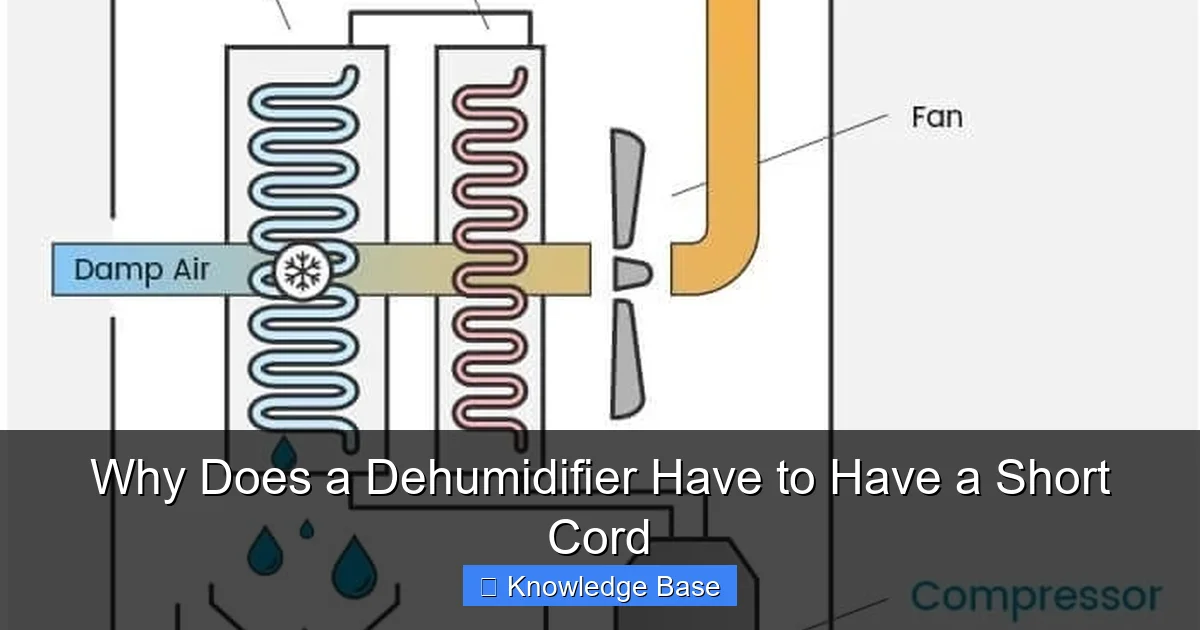
Visual guide about Why Does a Dehumidifier Have to Have a Short Cord
Image source: bestdehumidifier.reviews
Another major reason for short cords is electrical efficiency. Dehumidifiers are power-hungry appliances. Depending on the size and capacity, they can draw between 300 and 700 watts—sometimes more during startup.
When electricity travels through a wire, it encounters resistance. The longer the wire, the greater the resistance. This resistance causes a phenomenon known as voltage drop, where the voltage at the appliance end is lower than at the outlet.
What Is Voltage Drop?
Voltage drop occurs when the electrical current loses strength as it travels through a conductor. Think of it like water flowing through a hose: the longer the hose, the more pressure is lost by the time the water reaches the end.
For high-wattage appliances like dehumidifiers, even a small voltage drop can cause problems. The compressor—the heart of the dehumidifier—needs a steady, strong flow of electricity to start and run efficiently. If the voltage drops too much, the compressor may struggle to start, overheat, or cycle on and off more frequently.
This not only reduces the unit’s effectiveness but can also shorten its lifespan. In extreme cases, repeated voltage drops can damage the motor or cause the unit to fail prematurely.
Why Short Cords Minimize Voltage Drop
A shorter cord has less resistance, which means less voltage drop. By keeping the cord length to a minimum, manufacturers ensure that the dehumidifier receives the full voltage it needs to operate at peak performance.
For example, a 6-foot cord will have significantly less resistance than a 20-foot cord of the same gauge. Even if you use a heavy-duty extension cord, the added length still introduces resistance and potential voltage loss.
This is especially important in older homes or buildings with outdated wiring, where voltage fluctuations are more common. A short, direct connection helps stabilize power delivery and protect the appliance.
Compliance with Electrical Safety Standards
Dehumidifiers are subject to strict safety regulations set by organizations like Underwriters Laboratories (UL), Intertek (ETL), and the Canadian Standards Association (CSA). These standards are designed to protect consumers from fire, shock, and other hazards.
One of the requirements in these standards is limiting the length of the power cord. For example, UL 60335-2-40, the standard for household dehumidifiers, specifies that the cord should not exceed a certain length—typically around 6 to 8 feet.
Why Do Standards Limit Cord Length?
These limits exist for several reasons:
– To reduce the risk of the cord being damaged or exposed to moisture.
– To prevent the use of undersized or improper extension cords.
– To ensure the appliance operates within safe electrical parameters.
– To minimize fire hazards caused by overheating or overloading.
Manufacturers must comply with these standards to get their products certified and sold in the U.S. and Canada. A longer cord could disqualify a dehumidifier from certification, making it illegal to sell.
The Role of Certification Labels
When you see a UL or ETL label on a dehumidifier, it means the product has been tested and approved for safety. Part of that testing includes verifying that the cord length meets regulatory requirements.
If a manufacturer tried to use a longer cord, they’d have to re-engineer the entire electrical system to compensate for potential voltage drop and safety risks—adding cost and complexity. It’s simply more practical and safe to stick with a short cord.
Design and Space Considerations
Dehumidifiers are often used in tight, hard-to-reach spaces. Basements, crawl spaces, and under-sink areas don’t usually have extra room for long cords snaking across the floor.
A short cord helps keep the unit compact and easy to place. It reduces clutter and makes it easier to position the dehumidifier exactly where it’s needed—close to the source of moisture.
Optimizing Airflow and Drainage
Dehumidifiers need proper airflow to work efficiently. They draw in humid air, remove the moisture, and exhaust dry air back into the room. If the unit is too far from the wall or obstructed by a long cord, airflow can be restricted.
A short cord allows the dehumidifier to sit flush against the wall, maximizing airflow and minimizing obstructions. This is especially important for units with rear or side vents.
Additionally, many dehumidifiers have built-in drainage options—like a hose connection for continuous draining. A short cord ensures the unit stays in place, preventing the drainage hose from kinking or disconnecting.
Aesthetic and Practical Benefits
Let’s face it—nobody wants a tangled mess of cords in their basement. A short cord keeps things neat and tidy. It also makes it easier to move the unit when needed, without worrying about tripping over or unplugging a long extension cord.
For renters or people with limited space, a compact design with a short cord is a major advantage. It allows for flexible placement without sacrificing safety or performance.
The Dangers of Using Extension Cords
Some people try to work around the short cord by using an extension cord. While this might seem like a quick fix, it can actually create more problems than it solves.
Overloading and Overheating
Dehumidifiers draw a lot of power, especially when the compressor kicks on. Most household extension cords—especially the thin, lightweight ones—are not designed to handle that kind of load.
Using an undersized extension cord can cause it to overheat, melt, or even catch fire. This is a serious fire hazard, particularly in enclosed spaces like basements.
Even heavy-duty extension cords can introduce resistance and voltage drop, reducing the dehumidifier’s efficiency and potentially damaging the motor.
Grounding and Safety Risks
Many dehumidifiers require a grounded (three-prong) outlet for safety. If you use an extension cord that isn’t properly grounded, you lose that protection.
This increases the risk of electrical shock, especially in damp environments. A short, direct connection to a grounded outlet is always safer than relying on an extension cord.
Manufacturer Warnings
Most dehumidifier manuals explicitly warn against using extension cords. Doing so can void the warranty and increase the risk of damage or injury.
If you absolutely must use an extension cord, choose a heavy-duty, grounded cord rated for at least 15 amps and 125 volts. But even then, it’s not ideal. The best practice is to place the dehumidifier near a proper outlet.
Manufacturer Liability and Consumer Protection
Manufacturers have a responsibility to design safe products. By including a short cord, they reduce the risk of misuse and protect themselves from liability.
If a dehumidifier were sold with a long cord and someone used it in a wet area, causing a fire or shock, the manufacturer could be held responsible. A short cord discourages unsafe practices and encourages proper use.
Additionally, limiting cord length helps prevent consumers from placing the dehumidifier in unsuitable locations—like inside a closet or under a sink—where ventilation is poor and moisture buildup is high.
Designing for Real-World Use
Manufacturers design dehumidifiers with real-world conditions in mind. They know these units will be used in basements, garages, and other challenging environments. A short cord is part of a holistic design approach that prioritizes safety, performance, and durability.
It’s not about cutting corners—it’s about making smart engineering choices that benefit the user in the long run.
Practical Tips for Using a Dehumidifier with a Short Cord
Now that you understand why dehumidifiers have short cords, here are some practical tips to make the most of your unit:
– Choose the Right Location: Place your dehumidifier near a grounded outlet, away from water sources and foot traffic.
– Use a GFCI Outlet: In damp areas, use a Ground Fault Circuit Interrupter (GFCI) outlet for added protection against shock.
– Avoid Extension Cords: If possible, don’t use extension cords. If you must, use a heavy-duty, grounded cord and keep it off the floor.
– Keep the Area Dry: Wipe up spills and reduce standing water to minimize electrical risks.
– Regular Maintenance: Clean the air filter and check the cord for damage regularly.
– Consider a Built-in Pump: If drainage is an issue, look for a model with a built-in pump for continuous draining without moving the unit.
Conclusion
So, why does a dehumidifier have to have a short cord? It’s not a design flaw—it’s a deliberate, safety-first choice. From preventing electrical hazards and voltage drops to meeting safety standards and optimizing performance, the short cord plays a vital role in how these appliances function.
While it might seem inconvenient at first, the benefits far outweigh the minor hassle of finding the right spot near an outlet. By understanding the reasoning behind this design, you can use your dehumidifier more safely and effectively.
Next time you’re setting up your dehumidifier, remember: that short cord isn’t holding you back—it’s protecting you.
Frequently Asked Questions
Can I use an extension cord with my dehumidifier?
It’s not recommended. Most manufacturers warn against it because extension cords can overheat, cause voltage drop, and increase fire risk. If you must use one, choose a heavy-duty, grounded cord rated for at least 15 amps.
Why can’t dehumidifiers just come with longer cords?
Longer cords increase the risk of tripping, electrical shock, and voltage drop. They also make it harder to comply with safety standards and can reduce the unit’s efficiency and lifespan.
Is it safe to use a dehumidifier in a wet basement?
Yes, as long as the unit is placed on a dry, level surface and the cord is kept off the floor. Use a GFCI outlet for added protection against electrical shock.
What happens if the voltage drops too much?
The compressor may struggle to start, overheat, or cycle on and off frequently. This reduces efficiency and can damage the motor over time.
Do all dehumidifiers have short cords?
Most portable residential dehumidifiers do, typically ranging from 6 to 8 feet. Commercial or whole-house units may have different designs, but they still follow similar safety principles.
Can a short cord affect how well the dehumidifier works?
Not directly, but it ensures the unit gets consistent power. A longer cord or extension could cause voltage drop, which might reduce performance and damage the appliance.