

Ice buildup on your dehumidifier is often caused by low temperatures, poor airflow, or refrigerant issues. Understanding the root cause helps prevent damage and ensures efficient operation year-round.
Key Takeaways
- Low ambient temperatures: Dehumidifiers struggle in cold spaces (below 65°F), causing coils to freeze and ice to form.
- Blocked airflow: Dirty filters or obstructed vents restrict air circulation, leading to coil freezing.
- Refrigerant leaks or low levels: Insufficient refrigerant reduces cooling efficiency and increases frost risk.
- Faulty defrost system: A malfunctioning defrost cycle prevents ice from melting during operation.
- Overworking the unit: Running a dehumidifier nonstop in unsuitable conditions accelerates ice formation.
- Improper placement: Placing the unit near cold walls or in unheated areas increases freezing risk.
- Regular maintenance is key: Cleaning filters and coils monthly helps prevent ice buildup and extends unit life.
📑 Table of Contents
- Why Does Ice Build Up on My Dehumidifier? A Complete Guide
- How Dehumidifiers Work: The Science Behind the Frost
- Common Causes of Ice Buildup on Dehumidifiers
- How to Diagnose Ice Buildup: Step-by-Step Troubleshooting
- Prevention and Maintenance Tips
- When to Call a Professional
- Conclusion: Keep Your Dehumidifier Running Smoothly
Why Does Ice Build Up on My Dehumidifier? A Complete Guide
If you’ve ever opened your dehumidifier and found a sheet of ice covering the coils or internal components, you’re not alone. Ice buildup is one of the most common—and frustrating—issues dehumidifier owners face. It can slow down performance, increase energy use, and even damage the unit if left unchecked. But why does this happen? And more importantly, what can you do about it?
At first glance, it might seem counterintuitive. After all, dehumidifiers are designed to remove moisture from the air, not create ice. Yet, under certain conditions, the very process that makes them effective can lead to frost and freezing. Understanding how your dehumidifier works is the first step to solving the problem. These appliances use a refrigeration cycle: a fan pulls in humid air, which passes over cold evaporator coils. The moisture condenses into water and drips into a collection tank, while the drier air is reheated and expelled. When the coils get too cold—especially in chilly environments—the moisture doesn’t just condense; it freezes.
The good news? Most ice buildup issues are preventable and fixable. With the right knowledge and a little routine care, you can keep your dehumidifier running smoothly, even in less-than-ideal conditions. In this guide, we’ll explore the most common causes of ice formation, how to diagnose the problem, and practical steps you can take to prevent it from happening again.
How Dehumidifiers Work: The Science Behind the Frost
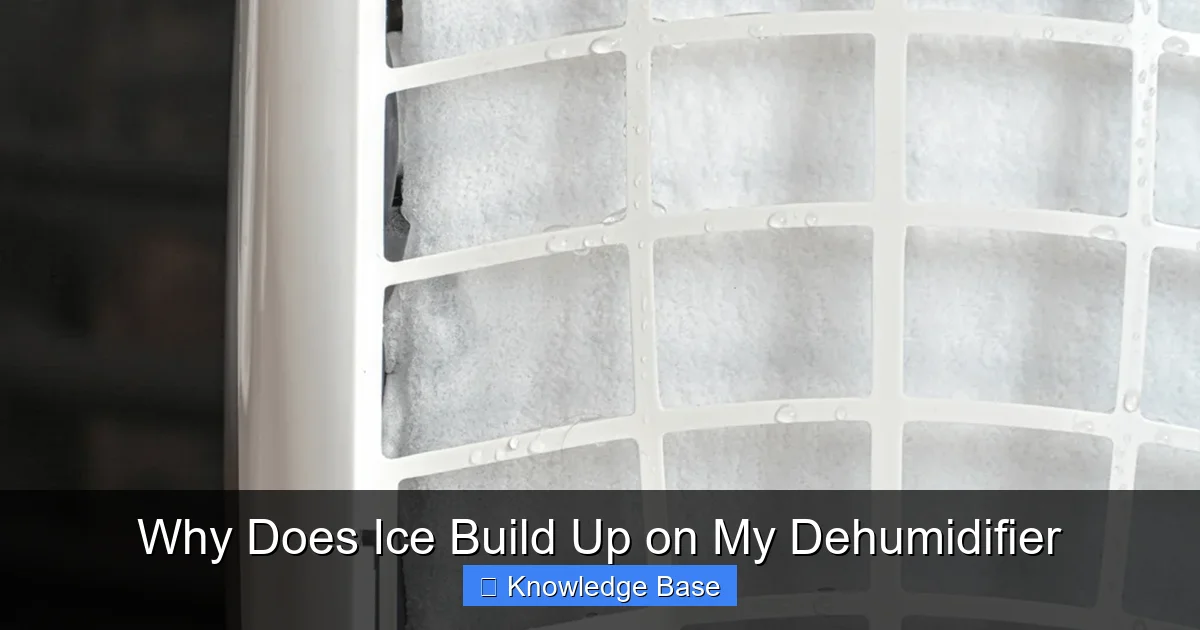
Visual guide about Why Does Ice Build Up on My Dehumidifier
Image source: housefresh.com
To understand why ice forms, it helps to know how your dehumidifier operates. Most residential dehumidifiers use a refrigerant-based system similar to an air conditioner. Here’s a simplified breakdown of the process:
First, a fan draws humid indoor air into the unit. This air passes over a set of extremely cold evaporator coils. As the air cools, its ability to hold moisture drops dramatically. The excess water vapor condenses into liquid droplets, which collect in a drip pan and flow into a bucket or drain hose. The now-drier air then moves over a set of warm condenser coils, where it’s reheated to room temperature before being blown back into the room.
This cycle works beautifully in warm, humid environments. But problems arise when the evaporator coils get too cold—colder than the freezing point of water. When that happens, instead of condensing into liquid, the moisture in the air freezes directly onto the coils, forming a layer of ice. Over time, this ice builds up, blocking airflow and insulating the coils. The unit has to work harder to cool the air, which can lead to overheating, compressor strain, and even permanent damage.
One key factor is the temperature of the surrounding air. Most dehumidifiers are designed to operate efficiently in environments between 65°F and 80°F (18°C to 27°C). When the room temperature drops below 65°F, the evaporator coils can easily dip below freezing, especially if the unit is running continuously. This is why basements, garages, and crawl spaces—often colder and less insulated—are common sites for ice buildup.
Another contributing factor is humidity level. While high humidity is what dehumidifiers are built to handle, extremely high moisture levels combined with low temperatures can overwhelm the system. The coils cool so rapidly that moisture freezes before it has a chance to drip away. This is particularly common in spring or fall, when outdoor temperatures fluctuate and indoor conditions are unstable.
Understanding this process helps explain why ice forms and why it’s not just a cosmetic issue. Ice acts like a barrier, reducing heat transfer and making the unit less efficient. In severe cases, it can cause the compressor to shut down as a safety measure, leaving your space damp and uncomfortable.
Common Causes of Ice Buildup on Dehumidifiers

Visual guide about Why Does Ice Build Up on My Dehumidifier
Image source: 512refrigeration.com
Now that you know how dehumidifiers work, let’s dive into the specific reasons ice might be forming on your unit. While there are several potential culprits, most fall into a few key categories: environmental conditions, mechanical issues, and maintenance oversights.
Low Room Temperature
The most frequent cause of ice buildup is simply that the room is too cold. As mentioned earlier, dehumidifiers rely on a balance between air temperature and coil temperature. When the ambient air is chilly—especially below 65°F (18°C)—the evaporator coils can drop below freezing, even if the unit is functioning normally.
This is especially common in basements, garages, sheds, or unheated laundry rooms. These spaces often lack proper insulation and heating, making them prone to temperature drops at night or during winter months. If your dehumidifier is running in such an environment, it’s only a matter of time before ice starts to form.
For example, imagine running your dehumidifier in a basement that averages 55°F in the winter. The unit pulls in cold, damp air, cools it further over the coils, and the moisture freezes instantly. Over a few hours, a thick layer of ice can build up, blocking airflow and forcing the fan to work harder. Eventually, the unit may shut down completely.
Some modern dehumidifiers come with built-in defrost functions or low-temperature operation modes, but even these have limits. If the room is consistently below 50°F (10°C), most units will struggle to operate efficiently.
Poor Airflow and Dirty Filters
Airflow is critical to a dehumidifier’s performance. The fan must pull in enough air to keep the coils from getting too cold. If airflow is restricted—due to a dirty filter, blocked vents, or furniture placed too close to the unit—the coils can become excessively cold, leading to ice formation.
The air filter is one of the most overlooked components. Over time, it collects dust, pet hair, and other debris. A clogged filter reduces the amount of air passing through the unit, which means less warm air reaches the cold coils. This imbalance causes the coils to drop below freezing, even in a moderately warm room.
For instance, if you haven’t cleaned your filter in three months and your dehumidifier is running in a 70°F basement, you might still see ice buildup simply because the filter is 80% blocked. The reduced airflow creates a microclimate of cold air around the coils, promoting frost.
Similarly, placing the dehumidifier too close to a wall, in a corner, or behind furniture can restrict intake and exhaust vents. The unit needs space to breathe—typically at least 6 to 12 inches of clearance on all sides. Without it, hot air can’t escape, and cold air can’t circulate properly.
Refrigerant Issues
Refrigerant is the lifeblood of your dehumidifier’s cooling system. It absorbs heat from the air as it evaporates in the coils and releases it when it condenses. If the refrigerant level is low—due to a leak or improper charging during manufacturing—the system can’t regulate temperature effectively.
Low refrigerant causes the evaporator coils to become colder than normal because there’s less fluid to absorb heat. This super-cools the coils, increasing the risk of ice formation. In some cases, the coils may even frost over within minutes of turning the unit on.
Refrigerant leaks are often hard to detect without professional tools. Signs include reduced dehumidifying performance, longer run times, and unusual hissing or bubbling sounds. If you suspect a refrigerant issue, it’s best to contact a qualified technician. Attempting to recharge the system yourself can be dangerous and may void your warranty.
Malfunctioning Defrost System
Many modern dehumidifiers are equipped with an automatic defrost feature. This system monitors coil temperature and temporarily stops the cooling cycle if ice begins to form. Instead, it runs the fan and sometimes activates a heating element to melt the frost.
However, if the defrost sensor, timer, or heating element fails, the unit won’t know when to initiate defrosting. Ice can build up unchecked, eventually blocking airflow and causing the compressor to overheat.
For example, a dehumidifier in a damp garage might run for hours without defrosting because the sensor is coated in dust or the heating element has burned out. The result? A solid block of ice covering the coils by morning.
Some older or budget models don’t have a defrost system at all, making them more vulnerable to ice buildup in cool environments. If you own such a unit, you’ll need to be extra vigilant about placement and maintenance.
Overworking the Unit
Running your dehumidifier nonstop—especially in high-humidity, low-temperature conditions—can push it beyond its design limits. Continuous operation doesn’t give the coils time to warm up naturally, increasing the chance of freezing.
This is common in flood recovery situations or during humid summer months when the unit runs 24/7. While it’s tempting to keep it on until the humidity drops, prolonged use without breaks can lead to ice accumulation.
Additionally, setting the humidity level too low (e.g., below 40%) forces the unit to work harder to remove every last bit of moisture. This extended runtime increases the risk of coil freezing, especially if other factors like poor airflow or cold temperatures are present.
How to Diagnose Ice Buildup: Step-by-Step Troubleshooting
If you notice ice on your dehumidifier, don’t panic. Start by turning off the unit and unplugging it for safety. Then, follow these steps to identify the root cause.
Step 1: Check the Room Temperature
Use a thermometer to measure the air temperature near the dehumidifier. If it’s below 65°F (18°C), that’s likely the primary cause. Move the unit to a warmer area if possible, or consider using a space heater to raise the ambient temperature slightly.
Step 2: Inspect the Air Filter
Remove the filter and hold it up to the light. If you can’t see through it, it’s time to clean or replace it. Most filters can be rinsed with warm water and mild soap. Let it dry completely before reinstalling.
Step 3: Examine Vents and Placement
Make sure the intake and exhaust vents are unobstructed. Move the unit away from walls, furniture, or curtains that might block airflow. Ensure there’s at least 8 inches of clearance on all sides.
Step 4: Look for Signs of Refrigerant Issues
Listen for unusual noises like hissing or gurgling. Check for oil stains or frost patterns that suggest a leak. If you suspect a refrigerant problem, contact a professional.
Step 5: Test the Defrost System
If your unit has a defrost function, check the owner’s manual for troubleshooting tips. Some models have a manual defrost button or indicator light. If the defrost cycle isn’t activating, the sensor or heater may need replacement.
Step 6: Monitor Runtime and Settings
Avoid running the dehumidifier continuously for more than 12–16 hours at a time. Set the humidity level between 45% and 50% for optimal performance. Use a timer or smart plug to automate cycles if needed.
Prevention and Maintenance Tips
The best way to deal with ice buildup is to prevent it from happening in the first place. Regular maintenance and smart usage habits go a long way in keeping your dehumidifier ice-free.
Clean the Filter Monthly
Make filter cleaning part of your monthly routine. A clean filter ensures proper airflow and prevents coil freezing. If you have pets or live in a dusty area, check the filter every two weeks.
Keep the Unit in a Warm, Ventilated Area
Place your dehumidifier in a room that stays above 65°F. Avoid cold basements or garages unless the space is heated. If you must use it in a cooler area, consider a model specifically designed for low-temperature operation.
Allow for Proper Airflow
Never block the vents. Keep the unit away from walls and furniture. If possible, position it in the center of the room for even air distribution.
Use a Hygrometer
A hygrometer measures indoor humidity levels. Aim to keep humidity between 40% and 50%. This reduces the workload on your dehumidifier and minimizes the risk of ice formation.
Schedule Professional Maintenance
Once a year, have a technician inspect your unit. They can check refrigerant levels, clean internal components, and test the defrost system. This is especially important for older models or units used in harsh environments.
Upgrade if Necessary
If you frequently experience ice buildup and your unit is more than 5–7 years old, it may be time to upgrade. Newer models often have better defrost technology, energy efficiency, and low-temperature performance.
When to Call a Professional
While many ice buildup issues can be resolved with simple fixes, some problems require expert attention. Contact a qualified HVAC technician if:
– The unit continues to ice up after cleaning the filter and improving airflow.
– You hear unusual noises or notice oil leaks.
– The compressor won’t start or shuts off repeatedly.
– The defrost system isn’t functioning despite troubleshooting.
Attempting to repair refrigerant systems or electrical components without proper training can be dangerous and may void your warranty. Always prioritize safety and consult the manufacturer’s guidelines.
Conclusion: Keep Your Dehumidifier Running Smoothly
Ice buildup on your dehumidifier is more than just an annoyance—it’s a sign that something isn’t working as it should. Whether it’s cold temperatures, a dirty filter, or a faulty defrost system, identifying the cause early can save you time, money, and frustration.
By understanding how your dehumidifier works and following a few simple maintenance steps, you can prevent ice from forming and ensure your unit operates efficiently year-round. Remember: a little care goes a long way. Clean the filter, check the temperature, and give your dehumidifier the space it needs to breathe.
With the right habits and a bit of attention, you’ll keep your home comfortable, your air dry, and your dehumidifier ice-free for years to come.
Frequently Asked Questions
Can I use my dehumidifier in a cold basement?
Yes, but only if the temperature stays above 65°F (18°C). If your basement is consistently colder, consider using a low-temperature dehumidifier or heating the space slightly.
How often should I clean my dehumidifier’s filter?
Clean the filter at least once a month. In dusty environments or during high-use seasons, check it every two weeks to ensure proper airflow.
Will ice damage my dehumidifier?
Yes, if left unchecked. Ice can block airflow, strain the compressor, and cause permanent damage. Always turn off the unit and let the ice melt before restarting.
Can I manually defrost my dehumidifier?
Yes. Turn off the unit, unplug it, and let the ice melt naturally. Use a fan to speed up the process, but avoid using heat guns or sharp tools that could damage components.
Why does my dehumidifier ice up even in warm rooms?
This could indicate a refrigerant leak, faulty defrost system, or severely clogged filter. Have a technician inspect the unit if the problem persists.
Are there dehumidifiers designed to prevent ice buildup?
Yes. Look for models with automatic defrost, low-temperature operation, or frost sensors. These features help prevent ice formation in cooler environments.