
When it comes to creating a comfortable, healthy sleeping environment, most people focus on mattresses, pillows, and room temperature—but one critical factor often gets overlooked: humidity levels. Excess moisture in your bedroom can lead to a host of problems, from musty odors and mold growth to worsened allergies and disrupted sleep. That’s where a high-quality bedroom dehumidifier comes in. These compact yet powerful appliances work quietly behind the scenes to maintain optimal indoor humidity—typically between 30% and 50%—ensuring you breathe easier, sleep better, and protect your home from long-term moisture damage.
Choosing the right dehumidifier for your bedroom isn’t as simple as picking the cheapest or most popular model. With dozens of brands, varying capacities, noise levels, energy efficiency ratings, and feature sets on the market today, it’s easy to feel overwhelmed. Some units are too loud for nighttime use, others lack the capacity to handle larger rooms, and many come with confusing controls or poor build quality. This comprehensive buying guide cuts through the noise (literally and figuratively) to help you make an informed decision tailored to your specific needs, space, and budget.
In this detailed guide, you’ll learn everything you need to know about selecting the best bedroom dehumidifier. We’ll walk you through the key factors to consider—from performance specs and noise levels to smart features and warranty coverage—and compare different types of dehumidifiers so you understand which style suits your lifestyle. You’ll also discover common pitfalls to avoid, realistic budget expectations, expert shopping tips, and answers to frequently asked questions. Whether you’re dealing with chronic dampness, seasonal humidity spikes, or just want to improve your bedroom air quality, this guide equips you with the knowledge to choose a reliable, effective, and quiet dehumidifier that enhances your rest without disrupting it.
What to Look for When Buying Buying Guide
1. Room Size & Capacity Needs
The first and most important factor when choosing a bedroom dehumidifier is matching the unit’s capacity to your room size. Dehumidifiers are rated by how many pints of moisture they can remove per day (pints/day or PPD). For a standard bedroom (100–300 sq. ft.), a 20–30 PPD unit is usually sufficient. Larger bedrooms (300–500 sq. ft.) may require 30–50 PPD, while very damp or humid climates might need even higher capacity. Always check the manufacturer’s recommended coverage area—but remember, real-world performance can vary based on ambient temperature and humidity levels. A unit that works well in a dry climate may struggle in a coastal or basement-adjacent bedroom.
2. Noise Level (Decibel Rating)
Since your bedroom is a place for rest and relaxation, noise is a dealbreaker. Look for dehumidifiers with a decibel (dB) rating below 50 dB—ideally under 45 dB for light sleepers. Many modern models advertise “whisper-quiet” operation, but always verify this with user reviews or third-party testing. Compressor-based units tend to be louder than thermoelectric or desiccant models, though newer inverter-driven compressors have significantly reduced noise. Some brands offer “night mode” settings that further lower fan speed and compressor activity for near-silent operation.
3. Energy Efficiency & Operating Costs
Dehumidifiers run continuously in many climates, so energy consumption directly impacts your utility bill. Check the Energy Factor (EF), measured in liters of water removed per kilowatt-hour (L/kWh). Higher EF values mean greater efficiency. ENERGY STAR-certified models use up to 15% less energy than standard units and often qualify for rebates. Also consider the wattage: a 300–500W unit running 8 hours a day could cost $10–$20 per month, depending on local electricity rates. Opting for an efficient model saves money over time and reduces environmental impact.
4. Tank Size & Auto-Shutoff
Most bedroom dehumidifiers use a built-in water tank that needs emptying when full. Tank sizes typically range from 0.5 to 1.5 gallons. For uninterrupted nighttime operation, choose a larger tank (at least 1 gallon) or a model with continuous drainage capability via a hose. Crucially, ensure the unit has an auto-shutoff feature that turns it off when the tank is full—this prevents overflows and water damage. Some premium models include audible alarms or LED indicators to alert you before the tank reaches capacity.
5. Smart Features & Automation
Modern dehumidifiers offer increasingly sophisticated controls. Look for digital humidity displays, programmable timers, adjustable humidity setpoints (e.g., 40%, 45%, 50%), and Wi-Fi connectivity for remote monitoring via smartphone apps. Some models integrate with smart home systems like Alexa or Google Home, allowing voice commands. Auto-restart after power outages is another useful feature, especially in storm-prone areas. While not essential, these conveniences enhance usability and help maintain consistent humidity without constant manual adjustments.
6. Build Quality & Durability
A dehumidifier is a long-term investment, so durability matters. Check the materials used in the casing—ABS plastic is common and durable, but avoid flimsy or brittle components. Internal components like the compressor, coils, and fan should be well-sealed to resist corrosion from moisture. Units with washable or reusable air filters are easier to maintain and last longer. Read customer reviews for mentions of longevity, leakage issues, or mechanical failures after 1–2 years of use. A well-built unit should last 5+ years with proper care.
7. Portability & Design
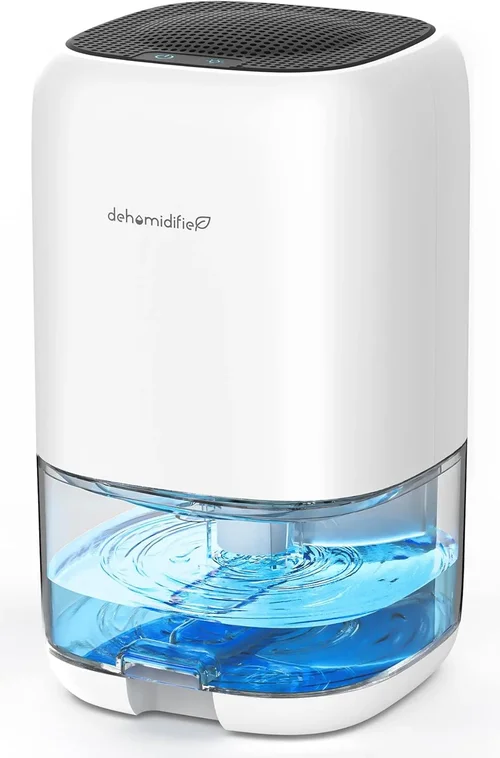
Bedrooms often have limited floor space, so size and design matter. Compact, lightweight models (under 30 lbs) with integrated handles or caster wheels are easier to move between rooms or store when not in use. Sleek, low-profile designs blend better with bedroom decor than bulky industrial units. Some models double as air purifiers or include ionizers, though these added functions may increase cost without significantly boosting core dehumidification performance.
8. Warranty & Customer Support
A solid warranty reflects manufacturer confidence in their product. Aim for at least a 1-year limited warranty, with 2–3 years being ideal. Some brands offer extended coverage on compressors (the most expensive component). Check if the company provides responsive customer service, accessible repair centers, and readily available replacement parts. Brands like Frigidaire, hOmeLabs, and Eva-Dry are known for reliable support, while lesser-known brands may leave you stranded if issues arise.
Different Types of Buying Guide

Common Buying Mistakes to Avoid
❌ Mistake: Ignoring Noise Levels
Why it’s bad: A dehumidifier that hums, rattles, or cycles loudly can disrupt sleep, especially in quiet bedrooms. Many buyers focus solely on capacity and price, only to regret their purchase when the unit sounds like a mini jet engine at 2 a.m.
What to do instead: Prioritize models with verified low dB ratings (under 45 dB) and read nighttime user reviews. Test the unit during the day if possible, or choose brands known for quiet operation like Eva-Dry or Pro Breeze.
❌ Mistake: Overbuying Capacity
Why it’s bad: A dehumidifier that’s too powerful for your room will cycle on and off frequently, wasting energy and potentially over-drying the air, which can cause dry skin or respiratory irritation.
What to do instead: Match the unit’s pint rating to your room size and typical humidity level. Use a hygrometer to measure current humidity before buying, and consult manufacturer sizing charts.
❌ Mistake: Neglecting Drainage Options
Why it’s bad: If you forget to empty the tank nightly, the unit shuts off and humidity builds up again—defeating the purpose. Overflow risks also increase.
What to do instead: Choose a model with a continuous drain hose option or a large tank (1+ gallons). If your bedroom has a nearby sink or floor drain, continuous drainage is ideal for hands-free operation.
❌ Mistake: Skipping the Filter
Why it’s bad: Dirty filters reduce airflow, strain the motor, and can blow mold spores back into your room. Many users forget to clean or replace filters regularly.
What to do instead: Select a unit with a washable, reusable filter and set a monthly cleaning reminder. Some models include filter replacement indicators for added convenience.
❌ Mistake: Buying Based on Price Alone
Why it’s bad: The cheapest dehumidifier often lacks durability, efficiency, or essential safety features. You may end up replacing it within a year, costing more long-term.
What to do instead: Balance upfront cost with energy efficiency, warranty length, and build quality. Mid-range models ($150–$250) often offer the best value for bedroom use.
❌ Mistake: Ignoring Climate Conditions
Why it’s bad: Compressor dehumidifiers lose efficiency below 65°F, making them ineffective in unheated winter bedrooms. Conversely, desiccant units may struggle in very high humidity.
What to do instead: Match the technology to your local climate. Desiccant or thermoelectric models work better in cold rooms, while compressor units excel in warm, humid environments.
Budget Guidelines: How Much Should You Spend?
- Entry-Level ($50 – $120): These are typically small thermoelectric or basic desiccant units ideal for closets or very small bedrooms (under 150 sq. ft.). Expect limited capacity (5–15 PPD), small tanks, and minimal features. Great for occasional use or mild humidity, but not suitable for chronic dampness.
- Mid-Range ($120 – $250): This is the sweet spot for most bedroom buyers. You’ll find reliable compressor or advanced desiccant models with 20–40 PPD capacity, larger tanks (1–1.5 gallons), auto-shutoff, digital controls, and quiet operation. ENERGY STAR options are common here, offering good efficiency and durability.
- Premium ($250 – $400): These units offer high performance, smart features (Wi-Fi, app control), superior build quality, and extended warranties. Ideal for large bedrooms, high-humidity regions, or users who want set-it-and-forget-it convenience. Look for inverter compressors and multi-stage filtration.
- Luxury ($400+): Reserved for whole-house systems or professional-grade portable units with industrial components. These are overkill for most bedrooms but may be justified if you have severe mold issues or live in an extremely humid climate. Expect top-tier efficiency, near-silent operation, and comprehensive support.

Expert Tips for Getting the Best Deal
- Buy Off-Season: Dehumidifiers are in highest demand during summer. Shop in late fall or winter (October–February) for discounts of 20–30% as retailers clear inventory.
- Check Retailer Return Policies: Choose stores with generous return windows (30+ days) in case the unit doesn’t perform as expected. Amazon, Home Depot, and Lowe’s typically offer hassle-free returns.
- Look for Bundled Deals: Some retailers bundle dehumidifiers with air purifiers or hygrometers at a discount. These extras can enhance your bedroom air quality setup.
- Verify ENERGY STAR Certification: Certified models may qualify for local utility rebates or tax credits—check your provider’s website before purchasing.
- Read Recent User Reviews: Focus on reviews from the past 6–12 months to ensure you’re getting info on the current model, not an older version with known flaws.
- Test Before Committing: If buying in-store, ask to see a demo unit or listen to its operation. Online? Watch unboxing and review videos on YouTube to hear real noise levels.
- Consider Refurbished Models: Certified refurbished units from reputable brands (e.g., Frigidaire, GE) often come with full warranties and cost 20–40% less than new.

Frequently Asked Questions
Q: How do I know if my bedroom needs a dehumidifier?
A: Signs include condensation on windows, musty odors, peeling paint or wallpaper, visible mold, or feeling clammy despite air conditioning. Use a hygrometer to measure humidity—if it’s consistently above 50%, a dehumidifier is recommended.
Q: Can a dehumidifier help with allergies?
A: Yes! By reducing moisture, dehumidifiers inhibit mold, dust mites, and mildew—common allergens. Pairing it with an air purifier enhances relief for allergy sufferers.
Q: Should I run my dehumidifier all night?
A: Absolutely. Consistent operation maintains stable humidity levels. Choose a quiet model with auto-humidistat so it only runs when needed, saving energy.
Q: Where should I place the dehumidifier in my bedroom?
A: Place it centrally, away from walls and furniture, with at least 6–12 inches of clearance for airflow. Avoid placing it directly on carpet if possible—use a mat or stand to prevent vibration noise.
Q: How often should I clean my dehumidifier?
A: Clean the water tank weekly with mild soap and water. Wash or replace the air filter monthly. Wipe down coils and vents every 3–6 months to maintain efficiency.
Q: Will a dehumidifier cool my room?
A: Not significantly. While it removes latent heat from moisture, the net effect is minimal cooling. It improves comfort by reducing stickiness, but don’t expect AC-like results.
Q: Can I use a dehumidifier in winter?
A: Yes, but compressor models lose effectiveness below 65°F. Desiccant units work better in cold conditions and are ideal for winter use in unheated bedrooms.
Q: Is it safe to leave a dehumidifier on unattended?
A: Modern units with auto-shutoff, tip-over protection, and thermal cutoffs are generally safe. Still, avoid placing them near flammable materials and unplug during storms or extended absences.
Our Final Recommendations
- Best for Budget-Conscious Buyers: Eva-Dry E-333 Mini Dehumidifier – Affordable, silent, and perfect for small bedrooms or closets. Uses renewable desiccant technology—no electricity needed for operation.
- Best Overall Value: hOmeLabs 30 Pint Dehumidifier – Excellent balance of capacity, quiet operation (48 dB), energy efficiency, and smart features. Ideal for medium-sized bedrooms in humid climates.
- Best Premium Option: Frigidaire Gallery FGAC5044W1 – Wi-Fi enabled, 50-pint capacity, ultra-quiet (47 dB), and ENERGY STAR certified. Perfect for large bedrooms or tech-savvy users wanting app control.
- Best for Beginners: Pro Breeze Electric Mini Dehumidifier – Simple plug-and-play design, compact size, and intuitive controls. Great for first-time buyers or those with minimal humidity issues.
- Best for Advanced Users: De’Longhi DEX16F – Features a built-in pump for upward drainage, continuous operation mode, and precise humidity control. Ideal for users who want maximum automation and performance.
Conclusion: Making the Right Choice
Selecting the best dehumidifier for your bedroom is about more than just removing moisture—it’s about creating a healthier, more comfortable sanctuary for rest and recovery. By focusing on room size, noise level, energy efficiency, and smart features, you can find a unit that works seamlessly with your lifestyle. Avoid common pitfalls like overbuying capacity or ignoring drainage needs, and always prioritize build quality and warranty support.
Remember, the “best” dehumidifier isn’t necessarily the most expensive or highest-rated—it’s the one that fits your specific bedroom environment, humidity challenges, and personal preferences. Take the time to assess your space, read real user feedback, and consider long-term costs. With the insights from this guide, you’re now equipped to make a confident, informed decision that pays off in better sleep, cleaner air, and peace of mind.
Investing in a quality bedroom dehumidifier is an investment in your health and home. Don’t wait until mold appears or your allergies flare—act proactively. Your future self will thank you for the cooler, drier, and more restful nights ahead.