

Choosing the correct dehumidifier size for your basement ensures effective moisture control, prevents mold, and improves air quality. This guide walks you through measuring space, assessing dampness, and selecting the right capacity based on square footage and humidity levels.
Quick Answers to Common Questions
Tip/Question?
How do I know if my basement is too humid?
Use a hygrometer to check relative humidity. If it’s above 60%, you likely need a dehumidifier. Musty smells, condensation, or mold are also signs.
Tip/Question?
Can I use a dehumidifier in a cold basement?
Yes, but choose a cold-weather model designed for temperatures below 65°F. Standard units may freeze and stop working.
Tip/Question?
Should I run the dehumidifier all the time?
Only if humidity stays high. Use an auto-humidistat to run it as needed. Continuous use increases energy costs.
Tip/Question?
How often should I empty the water bucket?
It depends on humidity and capacity. Check daily during humid months. Use continuous drainage to avoid frequent emptying.
Tip/Question?
Can a dehumidifier replace a sump pump?
No. A dehumidifier removes moisture from the air, but a sump pump removes standing water. Use both if you have flooding issues.
How to Choose Dehumidifier Size for Basement
If your basement feels clammy, smells musty, or has visible mold, it’s likely too humid. High moisture levels can damage furniture, promote mold growth, and worsen allergies. A dehumidifier helps by pulling excess moisture from the air, creating a healthier, more comfortable space. But here’s the catch: not all dehumidifiers are created equal. Choosing the wrong size can lead to poor performance, higher energy bills, or constant running without results.
This guide will walk you through everything you need to know to choose the right dehumidifier size for your basement. You’ll learn how to measure your space, assess moisture levels, understand capacity ratings, and pick the best features for your needs. By the end, you’ll be confident in selecting a unit that keeps your basement dry, safe, and mold-free.
Step 1: Measure Your Basement’s Square Footage
The first step in choosing a dehumidifier is knowing how much space you’re working with. Most manufacturers size their units based on square footage, so accurate measurements are essential.
How to Calculate Square Footage
To find your basement’s square footage, multiply the length by the width. For example, if your basement is 20 feet long and 30 feet wide, the total area is 600 square feet.
Formula: Length (ft) × Width (ft) = Square Feet
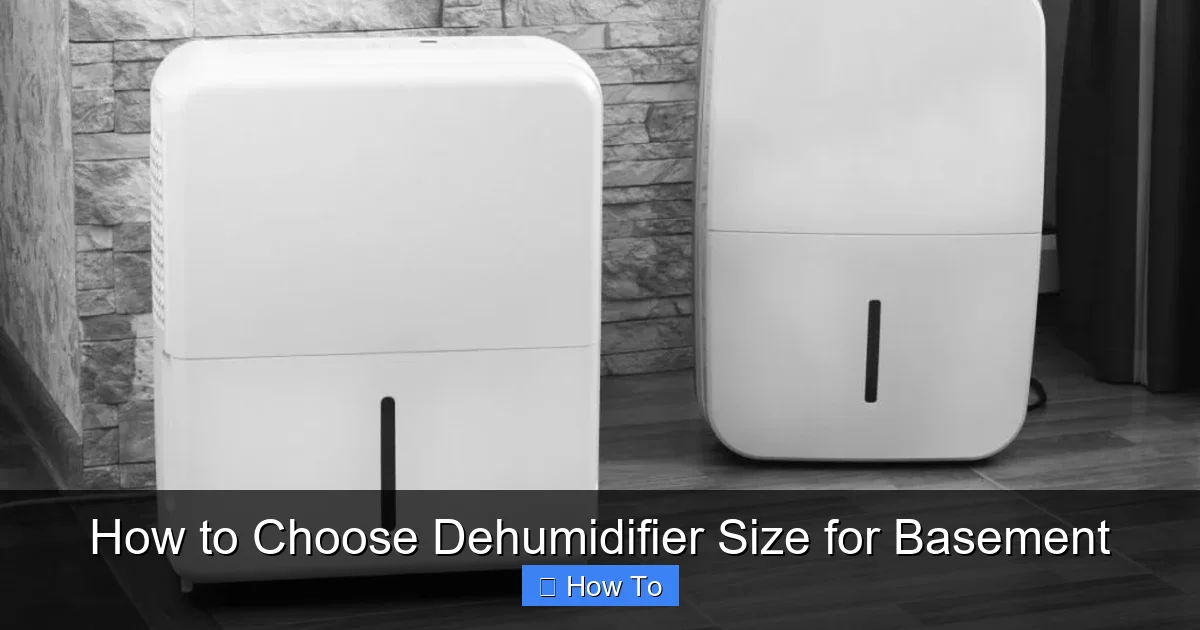
Visual guide about How to Choose Dehumidifier Size for Basement
Image source: cdn.homedit.com
If your basement has irregular shapes or multiple rooms, break it into sections. Measure each area separately, then add them together. Don’t forget to include storage rooms, laundry areas, or crawl spaces that are part of the basement environment.
Why Square Footage Matters
Dehumidifiers are rated to handle specific room sizes. A unit designed for 500 square feet won’t effectively control moisture in a 1,500-square-foot basement. Oversized units may cycle on and off too quickly, reducing efficiency. Undersized units will run constantly, wear out faster, and fail to lower humidity.
Pro Tip: Account for Ceiling Height
Most calculations assume an 8-foot ceiling. If your basement has higher ceilings (9 or 10 feet), the air volume increases. In such cases, consider upgrading to a larger capacity unit or using two smaller units in different zones.
Step 2: Assess Your Basement’s Moisture Level
Not all basements are equally damp. The level of moisture determines how powerful your dehumidifier needs to be. Manufacturers typically categorize basements into three moisture levels: damp, very damp, and wet.
Damp Basements
A damp basement feels slightly moist but has no standing water. You might notice a musty smell or condensation on walls and pipes. This is common in older homes or areas with moderate humidity.
For damp basements, a standard dehumidifier with moderate capacity (30–50 pints per day) is usually sufficient.
Very Damp Basements
In very damp basements, you’ll see more frequent condensation, minor water seepage after rain, or damp spots on walls. The air feels heavy, and mold may begin to form in corners.
These spaces require a higher-capacity unit (50–70 pints per day) to handle the increased moisture load.
Wet Basements
Wet basements have active water intrusion—puddles after storms, damp carpet, or visible leaks. This is often due to poor drainage, foundation cracks, or high water tables.
For wet conditions, you’ll need a heavy-duty dehumidifier (70+ pints per day) and should also address the underlying water issue. A dehumidifier alone won’t fix structural problems.
How to Test Moisture Levels
Use a hygrometer to measure relative humidity (RH). Ideal basement humidity is between 30% and 50%. If RH is above 60%, you have a moisture problem.
You can also do a simple “plastic sheet test.” Tape a 2×2-foot piece of plastic to the floor or wall and leave it for 24–48 hours. If moisture collects underneath, your basement is very damp or wet.
Step 3: Understand Dehumidifier Capacity (Pint Ratings)
Dehumidifier capacity is measured in pints per day (PPD)—the amount of moisture the unit can remove in 24 hours. This number helps you match the machine to your basement’s needs.
Common Pint Ratings and Uses
- 30–40 pints: Best for small, damp basements (up to 500 sq ft).
- 50–60 pints: Ideal for medium basements (500–1,000 sq ft) with moderate dampness.
- 70+ pints: Required for large or very wet basements (1,000+ sq ft).
Don’t Overbuy
A common mistake is choosing a dehumidifier that’s too large. While it may seem like more power is better, oversized units can short-cycle—turning on and off frequently. This reduces efficiency, increases wear, and may not allow the unit to run long enough to properly dehumidify.
Energy Efficiency Matters
Look for the ENERGY STAR label. These units use up to 15% less energy than standard models. Over time, this saves money on electricity, especially if the dehumidifier runs frequently.
Check the “energy factor” (liters of water removed per kilowatt-hour). A higher number means better efficiency.
Step 4: Consider Your Climate and Location
Your local climate plays a big role in basement humidity. Basements in humid regions like the Southeast U.S., Gulf Coast, or Pacific Northwest face higher moisture challenges than those in dry climates like Arizona or Nevada.
High-Humidity Areas
If you live in a humid climate, your basement is more prone to moisture buildup. Even with good ventilation, outdoor humidity can seep in. In these cases, opt for a higher-capacity unit and consider one with a built-in pump for continuous drainage.
Seasonal Variations
Humidity levels change with the seasons. Spring and summer bring higher moisture, while winter air is often drier. Choose a dehumidifier that can handle peak humidity months. Some models have adjustable settings to match seasonal needs.
Proximity to Water Sources
Homes near lakes, rivers, or with high water tables are more likely to have wet basements. If your basement floods or has recurring leaks, a dehumidifier is only part of the solution. Combine it with waterproofing, sump pumps, or drainage improvements.
Step 5: Evaluate Air Circulation and Insulation
Even the best dehumidifier can’t work effectively if air doesn’t circulate properly. Stagnant air traps moisture, making it harder for the unit to remove humidity.
Check for Airflow Obstructions
Furniture, boxes, or clutter blocking vents or the dehumidifier itself can reduce efficiency. Keep at least 6–12 inches of clearance around the unit for proper airflow.
Improve Ventilation
Use fans to circulate air, especially in corners or behind furniture. Consider installing exhaust fans or improving basement windows to allow fresh air in.
Insulation and Vapor Barriers
Poorly insulated basements lose heat, causing cold surfaces where condensation forms. Adding insulation to walls and floors helps maintain consistent temperatures and reduces moisture.
A vapor barrier (plastic sheeting) on the floor or walls can prevent ground moisture from rising into the basement.
Step 6: Choose the Right Features
Modern dehumidifiers come with features that improve performance, convenience, and energy savings. Here’s what to look for:
Auto-Humidistat
This feature lets you set your desired humidity level (e.g., 45%). The unit automatically turns on and off to maintain that level, saving energy and preventing over-drying.
Continuous Drainage Option
Instead of emptying a bucket every day, connect a hose to drain water directly into a floor drain or sump pump. This is essential for wet basements or if you’re away frequently.
Built-In Pump
Some models include a pump that can push water upward into a sink or out a window. This is helpful if your basement has no floor drain.
Auto-Restart
After a power outage, the unit resumes its previous settings. This ensures continuous protection without manual intervention.
Filter Indicator
A light reminds you when to clean or replace the air filter. Clean filters improve airflow and efficiency.
Quiet Operation
Look for units with low decibel (dB) ratings—ideally under 50 dB. This is especially important if the basement is used as a living space.
Step 7: Decide Between Portable and Whole-House Units
Most basements use portable dehumidifiers, but whole-house systems are an option for larger homes.
Portable Dehumidifiers
These are affordable, easy to move, and ideal for single rooms or basements. They range from 30 to 70+ pints and plug into standard outlets.
Best for: Most homeowners with moderate to high moisture issues.
Whole-House Dehumidifiers
These integrate with your HVAC system and dehumidify the entire home, including the basement. They’re more expensive but offer consistent, whole-home control.
Best for: Large homes, high humidity, or allergy sufferers needing clean air throughout.
Hybrid Options
Some systems combine a portable unit with ducting to distribute dry air to multiple areas. This is a middle-ground solution for large basements.
Step 8: Proper Placement for Maximum Efficiency
Where you place your dehumidifier affects its performance. Follow these tips for optimal results:
Central Location
Place the unit in the center of the basement or near the most humid area. Avoid corners or behind furniture.
Near Moisture Sources
If water seeps in from a specific wall or corner, position the dehumidifier nearby to capture moisture early.
Elevate the Unit
Place the dehumidifier on a small stand or platform to improve airflow and prevent water damage if flooding occurs.
Keep Doors and Windows Closed
To prevent humid outdoor air from entering, keep basement doors and windows closed while the unit runs.
Troubleshooting Common Issues
Even with the right size, dehumidifiers can have problems. Here’s how to fix common issues:
Unit Runs Constantly But Doesn’t Lower Humidity
Possible causes: undersized unit, poor airflow, or high outdoor humidity. Try improving ventilation or upgrading to a larger model.
Water Leaks or Spills
Check the bucket for cracks or improper seating. Ensure the drain hose is securely attached and not kinked.
Ice Builds Up on Coils
This happens in cold basements (below 65°F). Use a cold-weather dehumidifier or move the unit to a warmer area.
Unusual Noise or Vibration
Make sure the unit is level and on a stable surface. Check for loose parts or debris in the fan.
Filter Clogs Frequently
Clean the filter monthly. In dusty basements, consider a washable or high-efficiency filter.
Conclusion
Choosing the right dehumidifier size for your basement doesn’t have to be overwhelming. Start by measuring your space and assessing moisture levels. Match those factors to the appropriate pint capacity, and consider your climate, insulation, and usage patterns. Don’t forget to look for helpful features like auto-humidistats and continuous drainage.
A properly sized dehumidifier will keep your basement dry, prevent mold, and improve your home’s air quality. It’s a smart investment that pays off in comfort, health, and home value. Take the time to choose wisely—your basement (and your lungs) will thank you.