
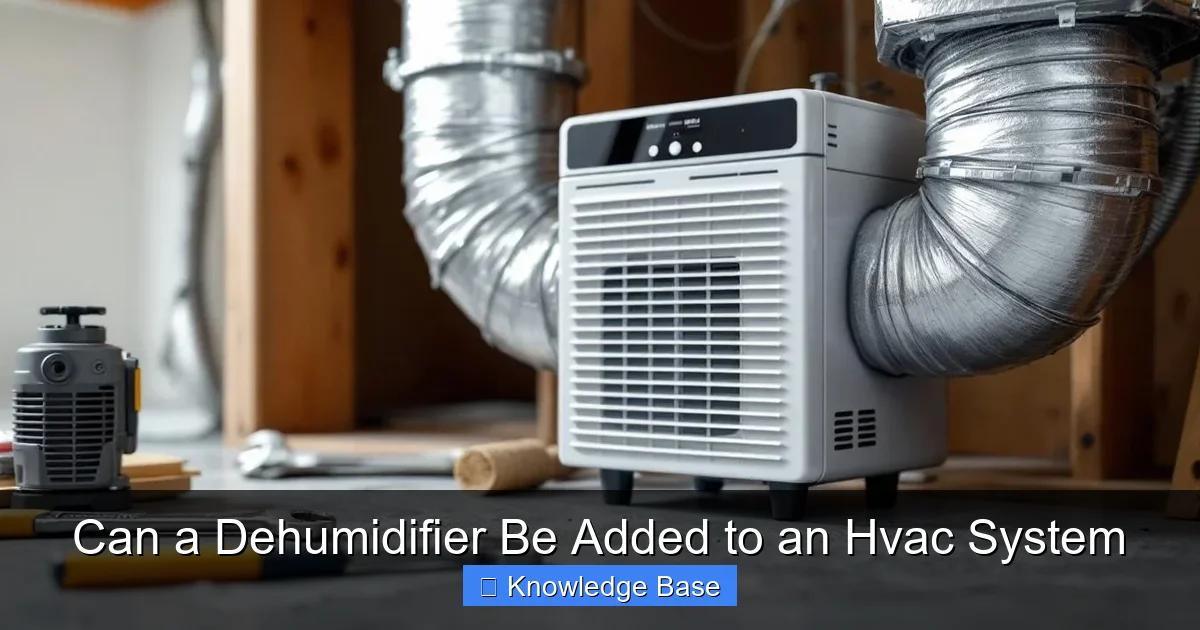
Adding a dehumidifier to your HVAC system is not only possible—it’s a smart upgrade for better air quality and energy efficiency. Whether you’re dealing with sticky summers or musty basements, integrating whole-house dehumidification can make a big difference in comfort and home health.
Key Takeaways
- Yes, dehumidifiers can be integrated into HVAC systems: Whole-house dehumidifiers connect directly to your ductwork for whole-home moisture control.
- Improved indoor air quality: Lower humidity reduces mold, dust mites, and allergens, creating a healthier living environment.
- Enhanced comfort: Air feels cooler and less sticky at the same temperature when humidity is controlled.
- Energy efficiency benefits: A dehumidifier can reduce the workload on your AC, potentially lowering energy bills.
- Multiple types available: Choose from portable, whole-house, or HVAC-integrated models based on your needs and home setup.
- Professional installation recommended: Proper sizing, ductwork integration, and electrical connections require HVAC expertise.
- Maintenance is essential: Regular filter changes and system checks ensure long-term performance and efficiency.
Quick Answers to Common Questions
Can I install a dehumidifier in my HVAC system myself?
It’s not recommended. HVAC integration involves ductwork, electrical connections, and system controls that require professional expertise to ensure safety and efficiency.
Will a dehumidifier increase my energy bill?
It may use some extra electricity, but it can reduce your AC runtime by making the air feel cooler, potentially lowering overall energy costs.
How often should I run my whole-house dehumidifier?
Run it continuously during humid months or set it to maintain 30–50% relative humidity. Many systems have automatic controls for convenience.
Can a dehumidifier help with allergies?
Yes. By reducing mold, dust mites, and other allergens that thrive in high humidity, a dehumidifier can significantly improve indoor air quality.
Do I need a dehumidifier if I have central air?
Not necessarily, but if you notice sticky air, condensation, or musty smells, your AC may not be removing enough moisture—making a dehumidifier a helpful addition.
📑 Table of Contents
- Can a Dehumidifier Be Added to an HVAC System?
- Why Humidity Control Matters in Your Home
- How HVAC Systems Handle Humidity (and Where They Fall Short)
- Types of Dehumidifiers That Can Be Added to HVAC Systems
- Benefits of Adding a Dehumidifier to Your HVAC System
- How to Integrate a Dehumidifier with Your HVAC System
- Maintenance Tips for Long-Term Performance
- Cost Considerations and Return on Investment
- Common Misconceptions About HVAC Dehumidification
- Conclusion: Is Adding a Dehumidifier Right for You?
Can a Dehumidifier Be Added to an HVAC System?
If you’ve ever walked into your home on a hot summer day and felt like you were stepping into a sauna, you’re not alone. High humidity doesn’t just make the air feel thick and uncomfortable—it can also lead to mold growth, musty odors, and even damage to your furniture and walls. While your air conditioner removes some moisture as it cools, it’s not designed to be a dedicated dehumidifier. That’s where the idea of adding a dehumidifier to your HVAC system comes in.
The good news? Yes, a dehumidifier can absolutely be added to an HVAC system. In fact, many homeowners are discovering the benefits of integrating whole-house dehumidification into their existing heating and cooling setup. Whether you live in a humid climate, have a basement prone to dampness, or simply want better control over your indoor air quality, this upgrade can make a noticeable difference.
But how exactly does it work? And is it worth the investment? Let’s dive into the details, from how dehumidifiers integrate with HVAC systems to the different types available, installation considerations, and long-term benefits.
Why Humidity Control Matters in Your Home
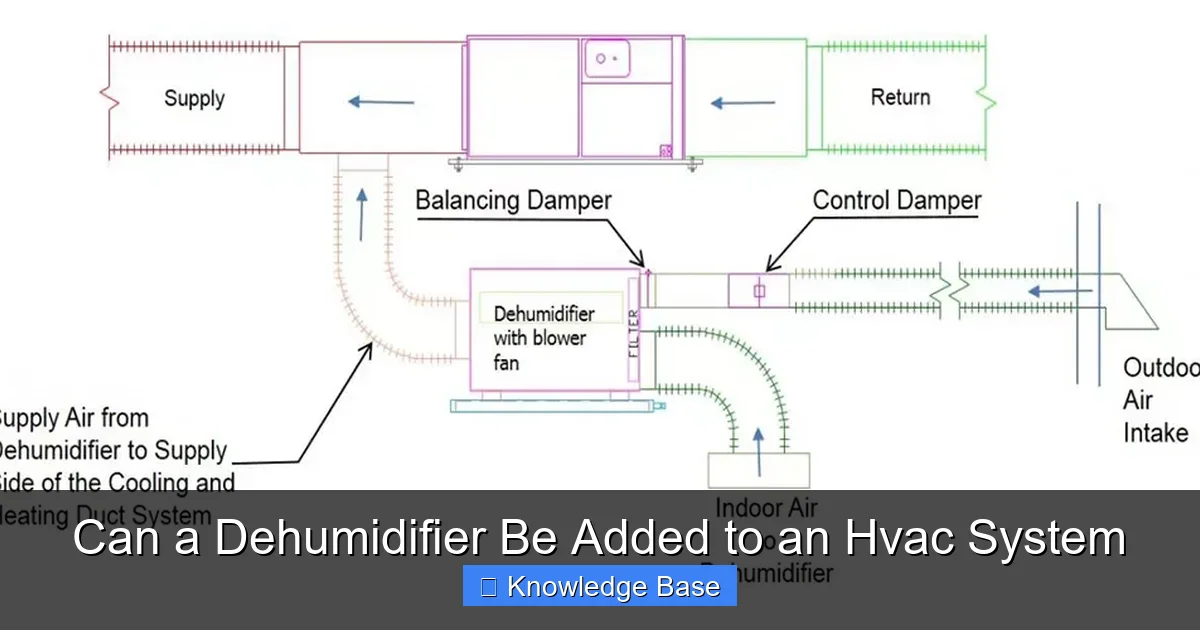
Visual guide about Can a Dehumidifier Be Added to an Hvac System
Image source: iororwxhqijjlk5q.ldycdn.com
Before we get into the mechanics of adding a dehumidifier to your HVAC system, it’s important to understand why humidity control is so crucial. Most people focus on temperature when thinking about comfort, but humidity plays an equally important role.
The ideal indoor relative humidity level is between 30% and 50%. When humidity climbs above 60%, you open the door to a host of problems. Mold and mildew thrive in moist environments, and even small patches can release spores into the air, triggering allergies and respiratory issues. Dust mites—another common allergen—also flourish in high humidity.
Beyond health concerns, excess moisture can warp wood floors, damage drywall, and ruin electronics. It can also make your air conditioner work harder. When the air is humid, your AC has to remove both heat and moisture, which can reduce its efficiency and increase energy costs.
Even if your AC runs constantly, it may not be enough to keep humidity in check—especially during shoulder seasons like spring and fall when temperatures are mild but humidity remains high. That’s when a dedicated dehumidifier becomes invaluable.
How HVAC Systems Handle Humidity (and Where They Fall Short)
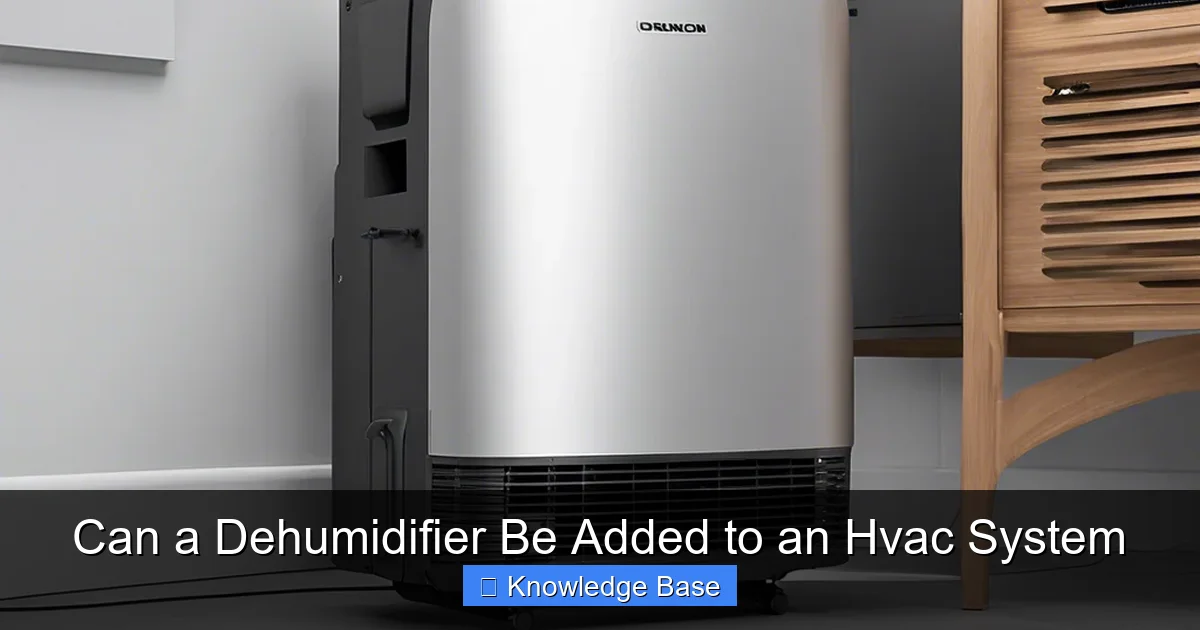
Visual guide about Can a Dehumidifier Be Added to an Hvac System
Image source: dowdheatandair.com
Your central air conditioner does remove some moisture from the air as part of the cooling process. As warm, humid air passes over the cold evaporator coil, moisture condenses and drips into a drain pan. This is why you might see water dripping from your outdoor unit or a condensate line.
However, this process is a byproduct of cooling, not its primary goal. When your thermostat is satisfied—meaning the temperature has reached the set point—the AC shuts off, even if the air is still too humid. This is especially common in humid climates or during rainy weather when the air feels sticky even at 72°F.
Additionally, oversized AC units can cool your home too quickly without running long enough to remove sufficient moisture. This leads to a cold but clammy environment—exactly the opposite of what you want.
That’s where a dehumidifier steps in. Unlike an air conditioner, a dehumidifier is specifically designed to remove moisture from the air, regardless of temperature. When integrated into your HVAC system, it can run independently or in tandem with your AC to maintain optimal humidity levels.
Types of Dehumidifiers That Can Be Added to HVAC Systems
Not all dehumidifiers are created equal—and not all are suitable for HVAC integration. Here are the main types you’ll encounter, with a focus on those designed to work with central heating and cooling systems.
Whole-House Dehumidifiers
These are the most common type used in HVAC integration. Whole-house dehumidifiers are installed directly into your ductwork and work alongside your furnace and air conditioner. They pull air from your home, remove moisture, and return dry air back through the ducts.
Unlike portable units that only treat one room, whole-house models provide consistent humidity control throughout your entire home. They’re ideal for large spaces, basements, or homes in humid regions.
Most whole-house dehumidifiers use refrigerant technology, similar to an air conditioner. Air passes over cold coils, moisture condenses, and the dry air is reheated slightly before being circulated back into your home. The collected water is drained via a hose or pumped out.
Ventilation Dehumidifiers
These systems combine dehumidification with fresh air ventilation. They’re often used in tightly sealed, energy-efficient homes where natural airflow is limited. By introducing controlled amounts of outdoor air and dehumidifying it before distribution, these units improve indoor air quality while managing moisture.
Ventilation dehumidifiers are especially useful in modern homes built to high energy standards, where stale air and humidity buildup can become issues without proper mechanical ventilation.
Ductless Mini-Split Dehumidifiers
While not traditionally part of a central HVAC system, ductless mini-split systems with dehumidification modes can be a good option for homes without ductwork. These units are mounted on walls and can cool, heat, and dehumidify individual rooms.
Some advanced models offer enhanced dehumidification settings that run independently of cooling, making them a flexible choice for spot treatment or whole-home use in smaller spaces.
Portable Dehumidifiers (Limited Integration)
Portable dehumidifiers are great for single rooms or basements but aren’t designed for full HVAC integration. However, in some cases, they can be connected to a central system via ducting for temporary or supplemental use.
For example, you might use a portable unit in a crawl space or attic and duct the output into your main system. But this is more of a workaround than a true integration and isn’t recommended for long-term, whole-home control.
Benefits of Adding a Dehumidifier to Your HVAC System
So, why go through the effort of integrating a dehumidifier? The benefits go far beyond just feeling more comfortable. Let’s look at the key advantages.
Improved Indoor Air Quality
High humidity creates the perfect breeding ground for mold, mildew, dust mites, and bacteria. By keeping humidity levels in check, you significantly reduce the risk of these allergens thriving in your home. This is especially important for people with asthma, allergies, or compromised immune systems.
Cleaner air also means fewer odors. That musty basement smell? It’s often a sign of excess moisture. A dehumidifier can eliminate it for good.
Enhanced Comfort
Ever notice how 75°F feels great in dry air but oppressive in humid conditions? That’s because your body cools itself through sweat evaporation. When the air is already saturated with moisture, sweat doesn’t evaporate as easily, making you feel hotter.
By lowering humidity, a dehumidifier makes your home feel cooler at the same temperature. This means you can set your thermostat a few degrees higher without sacrificing comfort—potentially saving on cooling costs.
Protection for Your Home and Belongings
Excess moisture can wreak havoc on your home’s structure and contents. Wood floors can warp, paint can peel, and furniture can develop mold. Electronics are also vulnerable—moisture can corrode circuits and shorten their lifespan.
Books, artwork, and clothing stored in basements or closets are at risk too. A dehumidifier helps preserve these items by maintaining a stable, dry environment.
Energy Efficiency and Cost Savings
While a dehumidifier uses electricity, it can actually help reduce your overall energy consumption. Here’s how:
– Your AC doesn’t have to work as hard to remove moisture, so it runs more efficiently.
– You can raise the thermostat setting because the air feels cooler, reducing cooling runtime.
– In some cases, a dehumidifier can allow you to downsize your AC unit in new construction or retrofits.
Over time, these savings can offset the cost of the dehumidifier and its operation.
Better HVAC System Performance
When your HVAC system isn’t bogged down by excess humidity, it operates more smoothly. Coils stay cleaner, airflow improves, and the system experiences less strain. This can extend the lifespan of your furnace and air conditioner and reduce the need for repairs.
How to Integrate a Dehumidifier with Your HVAC System
Adding a dehumidifier to your HVAC system isn’t a DIY project for most homeowners. It requires careful planning, proper sizing, and professional installation. Here’s what the process typically involves.
Step 1: Assess Your Needs
Start by evaluating your home’s humidity levels. You can use a hygrometer (a simple, inexpensive device) to measure relative humidity in different areas. If readings consistently exceed 50%, especially in basements or during summer, a dehumidifier is likely needed.
Consider factors like:
– Climate (humid vs. dry)
– Home size and layout
– Existing HVAC system type
– Basement or crawl space conditions
– Number of occupants (more people = more moisture from breathing and showers)
Step 2: Choose the Right Type and Size
Whole-house dehumidifiers are rated by how many pints of moisture they can remove per day. Common sizes range from 30 to 130 pints. A professional HVAC contractor can perform a load calculation to determine the right size for your home.
Oversized units can short-cycle (turn on and off too frequently), reducing efficiency and lifespan. Undersized units won’t keep up with moisture levels. Proper sizing is critical.
Step 3: Plan the Installation
The dehumidifier is typically installed in your mechanical room—near the furnace or air handler—and connected to the ductwork. It pulls air from return ducts, dehumidifies it, and sends it back through the supply ducts.
Key installation considerations include:
– Access to electrical power (most units require a dedicated circuit)
– Drain line for condensate (gravity drain or condensate pump)
– Integration with thermostat or HVAC controls
– Airflow balance to avoid pressurizing or depressurizing parts of the home
Some systems include built-in controls that communicate with your thermostat, allowing you to set humidity levels just like temperature.
Step 4: Professional Installation
Because this involves working with ductwork, electrical systems, and HVAC controls, it’s best left to licensed professionals. They’ll ensure the system is installed safely, efficiently, and in compliance with local codes.
A good installer will also test the system after setup, check for proper drainage, and walk you through operation and maintenance.
Maintenance Tips for Long-Term Performance
Like any HVAC component, a dehumidifier needs regular maintenance to perform well. Here’s what you should do:
– Change the air filter every 1–3 months: A dirty filter restricts airflow and reduces efficiency.
– Clean the condensate drain line: Prevent clogs by flushing the line with vinegar or a mild cleaner every few months.
– Inspect the coils: Dust and debris can build up on the evaporator and condenser coils, reducing performance.
– Check for leaks: Ensure the drain pan and hose aren’t leaking, especially during peak usage.
– Schedule annual professional service: A technician can inspect the entire system, check refrigerant levels (if applicable), and ensure everything is working properly.
Many modern dehumidifiers have indicator lights or alerts for filter changes and maintenance needs, making it easier to stay on top of care.
Cost Considerations and Return on Investment
The cost of adding a dehumidifier to your HVAC system varies depending on the type, size, and complexity of installation. Here’s a general breakdown:
– Whole-house dehumidifier unit: $1,000–$3,000
– Installation labor: $500–$1,500
– Total cost: $1,500–$4,500
While this is a significant investment, the long-term benefits often justify the expense. Improved comfort, better air quality, and potential energy savings can make it worthwhile—especially in humid climates or for homes with moisture issues.
Some utility companies offer rebates for energy-efficient dehumidifiers, so check with your provider. Additionally, the increased lifespan of your HVAC system and reduced repair costs can contribute to a strong return on investment.
Common Misconceptions About HVAC Dehumidification
There are a few myths that can lead homeowners astray when considering dehumidifier integration. Let’s clear them up.
“My AC already dehumidifies, so I don’t need a dehumidifier.”
While true that AC removes moisture, it’s not designed for precise humidity control. As mentioned earlier, it stops when the temperature is reached, even if the air is still too humid. A dedicated dehumidifier gives you independent control.
“Dehumidifiers are only for basements.”
Basements are common problem areas, but humidity affects the entire home. Whole-house dehumidifiers treat all rooms, not just the basement.
“Dehumidifiers use too much energy.”
Modern units are much more efficient than older models. Many are ENERGY STAR certified and use advanced compressors and sensors to minimize power use. The energy savings from reduced AC runtime often offset the dehumidifier’s consumption.
“I can just open windows to reduce humidity.”
In humid climates, opening windows often lets in more moisture, making the problem worse. Mechanical dehumidification is far more effective.
Conclusion: Is Adding a Dehumidifier Right for You?
So, can a dehumidifier be added to an HVAC system? Absolutely. And for many homeowners, it’s a game-changer.
If you’re tired of sticky air, worried about mold, or simply want more control over your indoor environment, integrating a dehumidifier is a smart, long-term solution. It improves comfort, protects your home, and can even save you money on energy bills.
The key is choosing the right system, sizing it correctly, and having it installed by a qualified professional. With proper maintenance, your dehumidifier will deliver reliable performance for years to come.
Whether you live in a humid coastal area, a rainy region, or just want to breathe easier at home, adding dehumidification to your HVAC system is a step toward a healthier, more comfortable living space.
Frequently Asked Questions
What size dehumidifier do I need for my home?
The size depends on your home’s square footage, climate, and humidity levels. A professional HVAC contractor can perform a load calculation to determine the right capacity, typically measured in pints per day.
Can a dehumidifier be added to an older HVAC system?
Yes, most whole-house dehumidifiers can be retrofitted into existing systems, provided there’s space in the mechanical room and access to ductwork and power.
How is a dehumidifier different from an air conditioner?
An air conditioner cools air and removes some moisture as a byproduct. A dehumidifier focuses solely on removing moisture and may slightly reheat the air before returning it to your home.
Do dehumidifiers require drainage?
Yes, most models collect moisture in a tank or drain it via a hose. Whole-house units typically use a continuous drain line connected to a floor drain or condensate pump.
Can a dehumidifier prevent mold growth?
Yes, by maintaining humidity below 50%, a dehumidifier creates an environment where mold and mildew are less likely to grow, helping protect your home and health.
Are there smart dehumidifiers that work with HVAC systems?
Yes, many modern whole-house dehumidifiers can integrate with smart thermostats and home automation systems, allowing remote control and humidity monitoring via smartphone apps.