
Yes, most modern dehumidifiers can be safely left on continuously, but it depends on the model, environment, and maintenance. While continuous operation helps control humidity in damp areas, it’s important to choose an energy-efficient unit, monitor performance, and perform regular upkeep to avoid wear and high electricity bills.
Key Takeaways
- Most dehumidifiers are designed for continuous use: Many modern units have auto-shutoff, humidity sensors, and energy-saving modes that make 24/7 operation safe and efficient.
- Energy efficiency matters: Running a dehumidifier nonstop can increase electricity costs, so choosing an ENERGY STAR-certified model helps reduce long-term expenses.
- Regular maintenance is essential: Cleaning filters, emptying water tanks, and checking for frost buildup ensures optimal performance and prevents damage.
- Humidity levels should be monitored: Ideal indoor humidity is between 30% and 50%; using a hygrometer helps avoid over-drying or under-dehumidifying.
- Location and climate play a role: Homes in humid climates or with basements, crawl spaces, or poor ventilation benefit most from continuous dehumidifier use.
- Safety features protect against risks: Look for auto-defrost, tip-over protection, and thermal overload cutoffs to prevent overheating or fire hazards.
- Noise and wear should be considered: Continuous use may lead to motor wear over time, so placing the unit in a low-traffic area and choosing a quiet model improves comfort.
Quick Answers to Common Questions
Can I leave my dehumidifier on all night?
Yes, it’s generally safe to leave a dehumidifier on all night, especially if it has auto-shutoff and thermal protection. Just make sure the water tank won’t overflow or use a continuous drain hose.
Will running a dehumidifier 24/7 increase my electricity bill?
Yes, but the cost depends on the unit’s efficiency and usage. An ENERGY STAR model with a humidistat can reduce energy use by cycling on and off as needed.
How often should I clean my dehumidifier if I run it continuously?
Clean the air filter monthly, empty and sanitize the water tank every 1–2 weeks, and inspect coils and vents every 3–6 months.
Can a dehumidifier run in cold temperatures?
Most dehumidifiers work best above 65°F. In colder spaces, look for a model with auto-defrost to prevent coil freezing.
Should I use a dehumidifier in winter?
Only if your home feels damp or you notice condensation on windows. In dry winter air, a dehumidifier is usually unnecessary and could over-dry the air.
📑 Table of Contents
- Can a Dehumidifier Be Left on Continuously? A Complete Guide
- How Dehumidifiers Work and Why Continuous Use Makes Sense
- Safety Considerations for 24/7 Dehumidifier Operation
- Energy Efficiency and Cost of Running a Dehumidifier Nonstop
- Maintenance Tips for Long-Term Continuous Use
- When Continuous Use Makes the Most Sense
- Signs Your Dehumidifier Isn’t Meant for 24/7 Use
- Conclusion: Smart, Safe, and Efficient Continuous Dehumidification
Can a Dehumidifier Be Left on Continuously? A Complete Guide
If you’ve ever walked into a damp basement and felt that musty, heavy air, you know how uncomfortable high humidity can be. It’s not just unpleasant—it can lead to mold, mildew, dust mites, and even structural damage over time. That’s where a dehumidifier comes in. These handy appliances pull excess moisture from the air, making your home feel fresher and healthier.
But once you’ve got one running, a common question pops up: *Can a dehumidifier be left on continuously?* The short answer is yes—most modern dehumidifiers are built to run 24/7 without breaking down. However, just because you *can* doesn’t always mean you *should*. There are important factors to consider, from energy use and maintenance to safety and efficiency.
In this guide, we’ll dive deep into everything you need to know about running your dehumidifier around the clock. Whether you’re dealing with a swampy crawl space, a humid coastal home, or just want to keep your indoor air quality in check, we’ll help you make the smartest choice for your space and lifestyle.
How Dehumidifiers Work and Why Continuous Use Makes Sense

Visual guide about Can a Dehumidifier Be Left on Continuously
Image source: bestdehumidifier.reviews
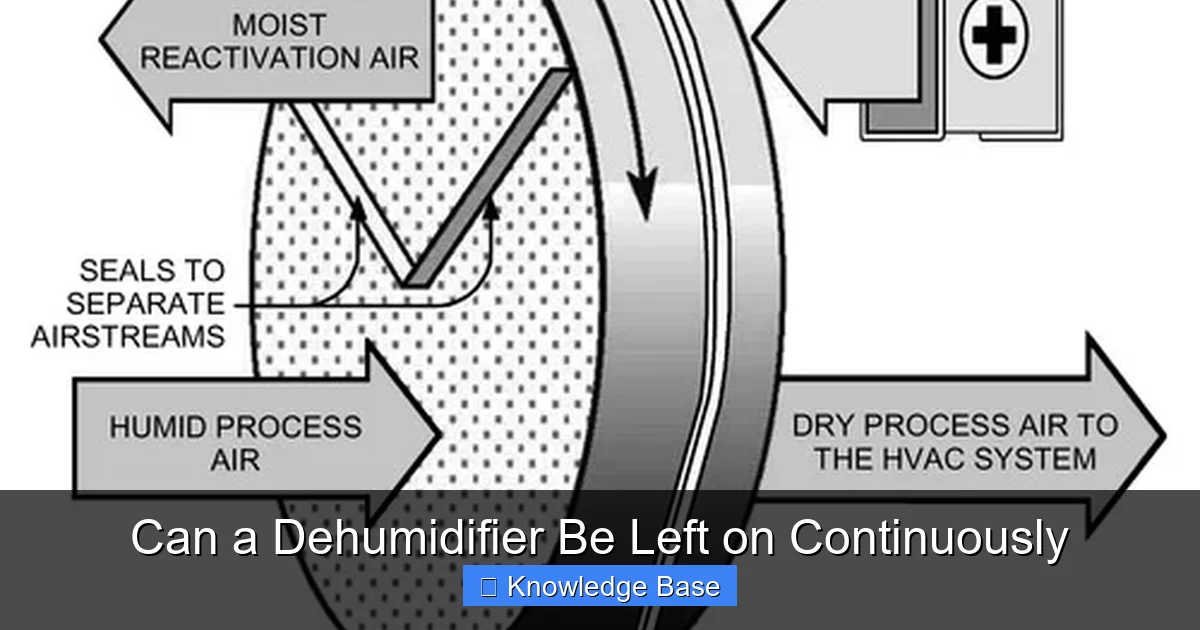
Before we talk about running your dehumidifier nonstop, let’s quickly cover how these machines actually work. Most residential dehumidifiers use a refrigeration-based system. Here’s the basic process:
Warm, moist air is drawn into the unit by a fan. As the air passes over cold coils, the moisture condenses into water droplets, which drip into a collection tank or drain hose. The now-drier air is then reheated slightly and blown back into the room. This cycle repeats as long as the unit is on.
Because this process is continuous by design, many dehumidifiers are engineered to run for long periods. In fact, manufacturers often expect users to operate them daily, especially in high-humidity environments.
So why would someone want to leave a dehumidifier on all the time? The main reason is consistent humidity control. Humidity levels can fluctuate throughout the day due to cooking, showering, laundry, or weather changes. A dehumidifier that runs continuously helps maintain a stable moisture level, preventing spikes that could encourage mold growth or damage wood furniture and flooring.
For example, imagine you live in Florida during the summer. The air is thick with moisture, and your basement feels like a rainforest. Turning the dehumidifier on for just a few hours a day might not be enough to keep up. Leaving it on ensures that even when you’re not home, the humidity stays in check.
Another scenario: you’ve just finished a load of laundry and hung it up to dry indoors. That releases a lot of moisture into the air. A continuously running dehumidifier can capture that extra humidity before it settles on walls or furniture.
Safety Considerations for 24/7 Dehumidifier Operation
Visual guide about Can a Dehumidifier Be Left on Continuously
Image source: whirlpoolhomecomfort.com
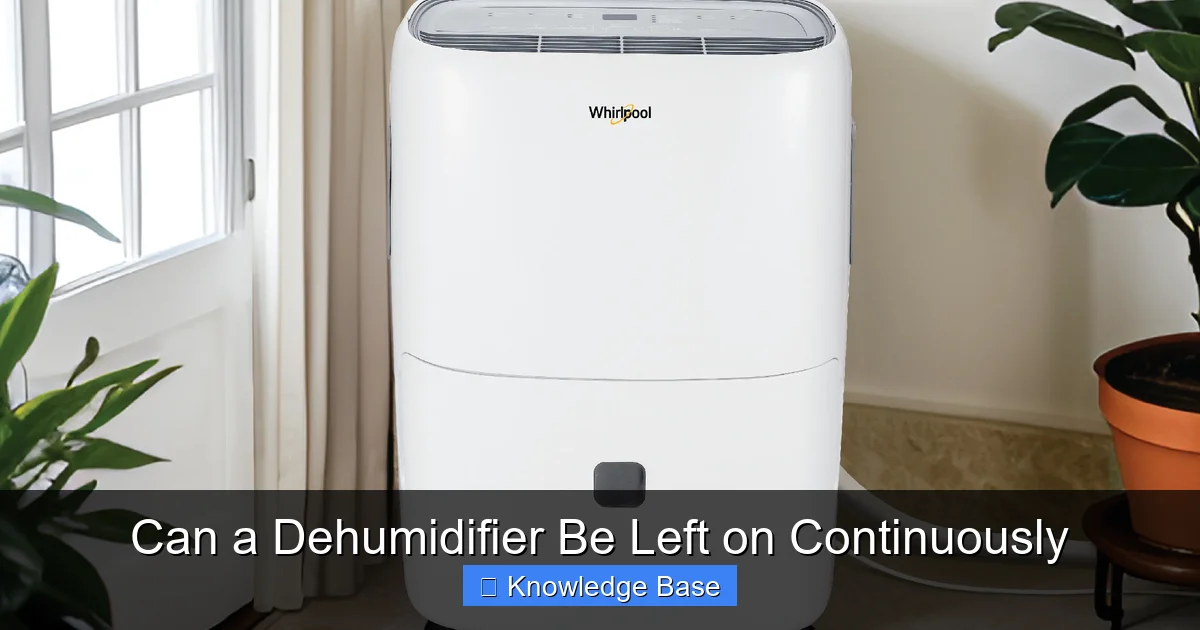
One of the biggest concerns people have about leaving appliances on all the time is safety. After all, anything that uses electricity and runs nonstop has the potential to overheat or malfunction. So, is it safe to leave a dehumidifier on continuously?
The good news is that most modern dehumidifiers come with built-in safety features designed specifically for long-term use. Let’s look at the key protections you should look for:
Auto-Shutoff and Full Tank Indicator
One of the most important safety features is the auto-shutoff function. When the water collection tank fills up, the dehumidifier automatically turns off to prevent overflow. This is crucial if you’re not around to empty it regularly. Many models also have a float switch or sensor that detects when the tank is full and stops the unit until it’s emptied.
Some higher-end units even include a continuous drainage option. You can connect a hose to the dehumidifier and route it to a floor drain, sump pump, or outside. This allows the machine to run indefinitely without needing manual tank emptying—perfect for basements or unattended spaces.
Thermal Overload Protection
Dehumidifiers have motors and compressors that generate heat during operation. To prevent overheating, most units are equipped with thermal overload protection. If the internal temperature gets too high, the system shuts down automatically until it cools off. This protects the motor and reduces the risk of fire.
Auto-Defrost Function
In colder environments—like unheated basements in winter—the coils inside a dehumidifier can freeze up. When this happens, the unit can’t remove moisture effectively and may overwork itself. Many dehumidifiers now include an auto-defrost feature that detects frost buildup and temporarily stops cooling to allow the coils to thaw. This not only protects the machine but also ensures it keeps working efficiently in low temperatures.
Tip-Over and Tilt Protection
Some portable dehumidifiers have sensors that shut the unit off if it’s knocked over. This is especially useful in homes with kids or pets, or if the dehumidifier is placed on an uneven surface.
Ground Fault Circuit Interrupter (GFCI) Compatibility
Since dehumidifiers often operate in damp areas like basements or laundry rooms, it’s wise to plug them into a GFCI outlet. These outlets detect electrical imbalances and cut power instantly if a shock hazard is detected, adding an extra layer of safety.
As long as your dehumidifier has these safety features—and you use it as intended—it’s generally safe to leave it running 24/7. However, it’s still a good idea to check the manufacturer’s guidelines. Some older or lower-quality models may not be rated for continuous use, so always read the manual before making a decision.
Energy Efficiency and Cost of Running a Dehumidifier Nonstop
Now let’s talk about the elephant in the room: electricity costs. Running any appliance 24/7 will increase your energy bill, and dehumidifiers are no exception. But how much does it really cost?
The answer depends on several factors: the size and efficiency of the unit, the humidity level in your home, the local cost of electricity, and how often the compressor actually runs.
Most residential dehumidifiers use between 300 and 700 watts of power. To estimate your cost, you can use this simple formula:
(Capacity in watts ÷ 1,000) × hours used per day × cost per kWh = daily cost
For example, a 500-watt dehumidifier running 24 hours a day in an area where electricity costs $0.12 per kWh would cost about:
(500 ÷ 1,000) × 24 × 0.12 = $1.44 per day
That’s roughly $43 per month. While that might not sound like a lot, it can add up—especially if you’re running multiple units or live in a high-cost energy area.
How to Reduce Energy Use
The good news is there are ways to minimize energy consumption while still enjoying the benefits of continuous dehumidification:
– **Choose an ENERGY STAR-certified model:** These units are up to 15% more efficient than standard models and often include advanced humidity sensors and timers.
– **Use a humidistat:** Many dehumidifiers have built-in humidistats that let you set a target humidity level (like 45%). The unit will cycle on and off as needed, rather than running constantly. This “on-demand” mode saves energy while maintaining comfort.
– **Size your unit correctly:** A dehumidifier that’s too small will run nonstop trying to keep up, wasting energy. One that’s too large will cycle on and off frequently, which can also reduce efficiency. Match the pint-per-day (PPD) capacity to your room size and humidity level.
– **Improve home ventilation:** Use exhaust fans in bathrooms and kitchens, ensure proper airflow in basements, and consider sealing cracks where humid outdoor air might enter.
– **Use a timer or smart plug:** If you don’t need 24/7 operation, set the dehumidifier to run during peak humidity times (like overnight or after showers).
Real-World Example
Let’s say you have a 70-pint dehumidifier in a 1,500-square-foot basement in Houston, where humidity averages 70% in summer. You set the target to 50%. On a typical day, the unit might run for 12–16 hours, cycling off when the air is dry enough. With an ENERGY STAR model, your monthly cost could be around $25–$35—much less than running it nonstop without a humidistat.
In contrast, a non-efficient unit running 24/7 could cost $50 or more per month. Over a year, that’s a difference of $300 or more—money that could be saved with a smarter setup.
Maintenance Tips for Long-Term Continuous Use
Even the best dehumidifier won’t last long if you neglect basic maintenance. Continuous operation puts more wear and tear on the system, so regular upkeep is essential to keep it running smoothly and efficiently.
Here’s a simple maintenance checklist to follow:
Clean the Air Filter Monthly
The air filter traps dust, pet dander, and other particles before they enter the unit. Over time, it gets clogged, reducing airflow and forcing the motor to work harder. Most filters are washable—just rinse them under warm water, let them dry completely, and pop them back in.
Neglecting the filter can lead to reduced performance, higher energy use, and even motor failure. Set a monthly reminder on your phone to check and clean it.
Empty and Clean the Water Tank Regularly
Even if your dehumidifier has a continuous drain hose, it’s still important to check the tank periodically. Stagnant water can breed bacteria and mold, which can be blown back into your home. Clean the tank with a mild bleach solution (1 tablespoon per gallon of water) every few weeks to prevent odors and contamination.
If you’re using a drain hose, inspect it for clogs or kinks that could cause backups.
Inspect Coils and Vents for Dust and Frost
Dust buildup on the evaporator and condenser coils reduces heat exchange efficiency. Use a soft brush or vacuum attachment to gently clean the coils every 3–6 months.
In cold environments, check for frost on the coils. If you see ice forming, the auto-defrost feature may not be working properly, or the room may be too cold for the unit to operate effectively.
Check for Unusual Noises or Leaks
If your dehumidifier starts making grinding, squealing, or rattling sounds, it could indicate a problem with the fan motor, compressor, or loose parts. Address these issues quickly to avoid costly repairs.
Also, look for water leaks around the tank or drain hose. A cracked tank or loose connection can lead to water damage.
Store Properly During Off-Seasons
If you live in a climate where humidity drops in winter, you may not need your dehumidifier year-round. Before storing it, clean all components, empty the tank, and let everything dry completely. Cover the unit to keep dust out, and store it in a dry, temperature-controlled space.
When Continuous Use Makes the Most Sense
Not every home needs a dehumidifier running 24/7. But in certain situations, it’s not just convenient—it’s necessary.
High-Humidity Climates
If you live in a tropical or coastal region—think Miami, New Orleans, or Seattle—humidity levels often stay high year-round. In these areas, continuous dehumidification helps prevent mold, protect belongings, and improve indoor air quality.
Basements and Crawl Spaces
These areas are prone to dampness due to poor ventilation and ground moisture. A continuously running dehumidifier can keep the space dry, reduce musty odors, and protect stored items like books, clothes, or tools.
Homes with Poor Ventilation
Older homes or those without proper HVAC systems may struggle with moisture buildup. Continuous dehumidifier use can compensate for inadequate airflow.
Allergy and Asthma Sufferers
Dust mites, mold spores, and mildew thrive in humid environments. Keeping humidity below 50% can significantly reduce allergens and improve respiratory health. For people with sensitive airways, a dehumidifier that runs all the time can make a big difference.
Post-Flood or Water Damage Recovery
After a leak or flood, rapid drying is critical to prevent mold growth. In these cases, running multiple dehumidifiers continuously—along with fans—can speed up the drying process and protect your home.
Signs Your Dehumidifier Isn’t Meant for 24/7 Use
While most modern dehumidifiers can handle continuous operation, there are exceptions. Here are some red flags that your unit may not be built for nonstop use:
– **No auto-shutoff or humidistat:** If the unit lacks basic controls, it may overwork itself trying to dry already-dry air.
– **Frequent overheating or shutting off:** This could indicate a faulty compressor or poor ventilation around the unit.
– **Excessive noise or vibration:** Continuous loud operation may signal mechanical stress.
– **Short warranty period:** Units with warranties under one year may not be designed for heavy use.
– **Older model (pre-2010):** Older dehumidifiers often lack energy-efficient components and safety features.
If you’re unsure, check the product manual or contact the manufacturer. Some brands explicitly state whether their models are rated for continuous use.
Conclusion: Smart, Safe, and Efficient Continuous Dehumidification
So, can a dehumidifier be left on continuously? The answer is a qualified yes—especially if you choose the right model, maintain it properly, and use it in the right conditions.
Modern dehumidifiers are built with safety and efficiency in mind. Features like auto-shutoff, thermal protection, and humidity sensors make 24/7 operation not only possible but often beneficial. Whether you’re fighting mold in a basement, protecting a vintage guitar collection, or simply breathing easier with lower humidity, a continuously running dehumidifier can be a game-changer.
But don’t forget the importance of energy efficiency and maintenance. An ENERGY STAR-certified unit with a humidistat will save you money and extend the life of your appliance. Regular cleaning and inspections keep performance high and prevent costly repairs.
Ultimately, the decision to run your dehumidifier nonstop should be based on your specific needs, environment, and equipment. With the right setup, you can enjoy dry, comfortable air—day and night—without worry.
Frequently Asked Questions
Is it safe to leave a dehumidifier on when I’m not home?
Yes, as long as the unit has safety features like auto-shutoff and thermal protection. Using a continuous drain hose also reduces the risk of overflow.
How do I know if my dehumidifier is working properly?
Check the humidity level with a hygrometer—it should stay between 30% and 50%. Also, listen for unusual noises and ensure the tank fills with water over time.
Can a dehumidifier help with mold?
Yes, by reducing moisture, a dehumidifier discourages mold growth. However, existing mold should be cleaned professionally to prevent spores from spreading.
What size dehumidifier do I need for continuous use?
Choose a unit rated for your room size and humidity level. For basements or high-humidity areas, a 50–70-pint model is usually sufficient.
Can I use a dehumidifier with central air conditioning?
Yes, and it can complement your AC by reducing humidity, making your home feel cooler and more comfortable without lowering the thermostat.
How long do dehumidifiers typically last?
With proper maintenance, most dehumidifiers last 5–10 years. Continuous use may shorten lifespan slightly, but regular care helps maximize durability.