

You should never throw a dehumidifier in the regular trash. These appliances contain refrigerants, oils, and electronic components that are harmful to the environment and often illegal to discard improperly. Safe, responsible disposal protects both people and the planet.
Imagine this: Your trusty dehumidifier has finally given up after years of battling basement dampness and musty odors. It’s sitting in the corner, silent and useless. You’re ready to replace it—but what do you do with the old one? Can you just toss it in the trash like an empty cereal box?
The short answer? No, you absolutely should not throw a dehumidifier in the trash. While it might seem like just another bulky appliance, dehumidifiers are packed with components that make them dangerous to discard carelessly. From refrigerants that harm the atmosphere to heavy metals and electrical parts, these devices require special handling. Ignoring proper disposal methods doesn’t just risk environmental damage—it can also land you in legal trouble.
In this guide, we’ll walk you through everything you need to know about dehumidifier disposal. We’ll explain why tossing it in the garbage is a bad idea, what’s inside that makes it hazardous, and—most importantly—how to get rid of it safely and responsibly. Whether your unit is broken, outdated, or simply no longer needed, you’ll learn the right steps to take so you can protect the planet, stay compliant with the law, and maybe even save some money in the process.
Key Takeaways
- Dehumidifiers contain hazardous materials: Refrigerants like R-410A or R-22, compressor oils, and electronic circuits require special handling to prevent environmental damage.
- Throwing them in the trash is often illegal: Federal and state laws, including EPA regulations, prohibit disposing of appliances with refrigerants in landfills or incinerators.
- Recycling is the best option: Certified e-waste or appliance recyclers can safely extract and reuse valuable metals, plastics, and components.
- Manufacturer and retailer take-back programs exist: Many companies offer free recycling when you buy a new unit or drop off an old one.
- Local waste facilities often accept old dehumidifiers: Contact your city or county’s solid waste department for scheduled collection events or drop-off locations.
- Improper disposal risks fines and pollution: Leaking refrigerants contribute to ozone depletion and global warming, and violators may face penalties.
- Even broken units need proper disposal: Damaged dehumidifiers still contain harmful substances and must not be discarded with household garbage.
Quick Answers to Common Questions
Can I throw a dehumidifier in the regular trash?
No, you should never throw a dehumidifier in the regular trash. It contains refrigerants and other hazardous materials that are illegal to dispose of in landfills and harmful to the environment.
What happens if I illegally dump a dehumidifier?
You could face fines from the EPA or local authorities, and you risk contaminating soil and water with toxic chemicals. Illegal dumping also contributes to air pollution from leaking refrigerants.
Can I recycle a broken dehumidifier?
Yes, even broken dehumidifiers can and should be recycled. Certified recyclers can safely remove hazardous components and recover valuable materials for reuse.
Do I need to remove the refrigerant myself?
No, and you shouldn’t try. Only EPA-certified technicians are legally allowed to recover refrigerants. Take your unit to a professional recycler or use a take-back program.
Are there free ways to dispose of a dehumidifier?
Yes! Many retailers, manufacturers, and local governments offer free recycling or collection services for old dehumidifiers. Check with your city or store before paying for disposal.
📑 Table of Contents
- Why You Shouldn’t Throw a Dehumidifier in the Trash
- What’s Inside a Dehumidifier That Makes It Hazardous?
- Legal Requirements for Dehumidifier Disposal
- Safe and Responsible Ways to Dispose of a Dehumidifier
- What to Do If Your Dehumidifier Is Broken or Leaking
- Environmental and Economic Benefits of Proper Disposal
- Conclusion
Why You Shouldn’t Throw a Dehumidifier in the Trash
At first glance, a dehumidifier looks like a harmless plastic-and-metal box. But under the hood, it’s a complex machine designed to pull moisture from the air using refrigeration technology. That means it shares many components with air conditioners and refrigerators—and those components come with serious environmental and safety concerns.
Refrigerants Are Highly Regulated
The biggest reason you can’t toss a dehumidifier in the trash is the refrigerant inside. Most modern dehumidifiers use hydrofluorocarbon (HFC) refrigerants like R-410A, while older models may contain hydrochlorofluorocarbons (HCFCs) like R-22. Both types are potent greenhouse gases—thousands of times more effective at trapping heat in the atmosphere than carbon dioxide.
When a dehumidifier is crushed in a garbage truck or shredded at a landfill, these refrigerants can leak into the air. This contributes to climate change and, in the case of older R-22 units, damages the ozone layer. The U.S. Environmental Protection Agency (EPA) strictly regulates the handling and disposal of appliances containing refrigerants under Section 608 of the Clean Air Act. Violating these rules can result in fines of up to $44,539 per day per violation.
Compressor Oil and Lubricants Pose Risks
Alongside the refrigerant, dehumidifiers contain compressor oil that helps keep the system running smoothly. This oil can become contaminated with refrigerant and other chemicals over time. If released into the environment—through landfill leachate or incineration—it can pollute soil and water sources. Even small amounts can be toxic to plants, animals, and humans.
Electronic Components Contain Toxic Metals
Modern dehumidifiers include circuit boards, sensors, and control panels. These electronics often contain heavy metals like lead, mercury, cadmium, and arsenic. When thrown in a landfill, these metals can leach into groundwater over time. Incinerating them releases toxic fumes into the air. That’s why electronic waste (e-waste) is one of the fastest-growing waste streams globally—and why it demands specialized recycling.
Plastics and Metals Can Be Recycled
Beyond the hazardous parts, dehumidifiers are made of valuable materials: steel, aluminum, copper wiring, and durable plastics. These can all be recovered and reused if processed correctly. Sending them to a landfill wastes resources and increases the demand for mining and manufacturing new materials—both of which have significant environmental footprints.
In short, throwing a dehumidifier in the trash isn’t just careless—it’s counterproductive. You’re contributing to pollution, breaking the law, and wasting materials that could be given a second life.
What’s Inside a Dehumidifier That Makes It Hazardous?
To understand why proper disposal matters, it helps to know exactly what’s inside your dehumidifier. Let’s break down the key components and why each one requires special attention.
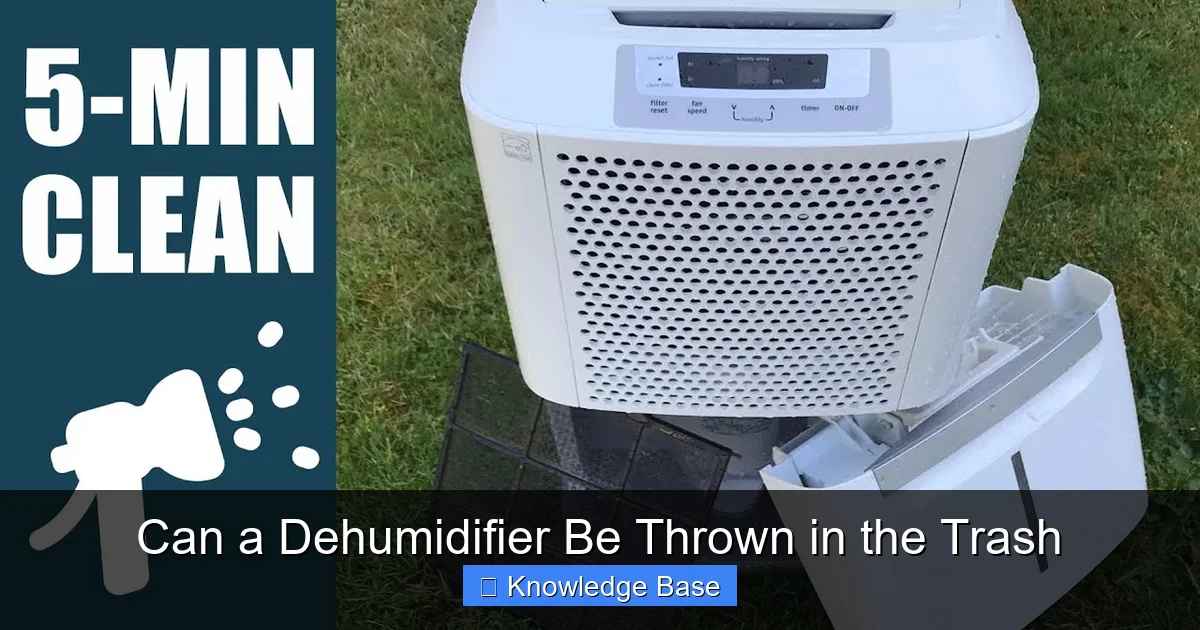
Visual guide about Can a Dehumidifier Be Thrown in the Trash
Image source: i.ytimg.com
The Refrigeration System
This is the heart of the dehumidifier. It includes the compressor, condenser coils, evaporator coils, and refrigerant lines. The refrigerant circulates through this closed loop, absorbing moisture from the air and releasing it as water droplets (which collect in a tank or drain hose). Because the refrigerant is sealed under pressure, it must be carefully recovered by a certified technician before the unit is dismantled.
Compressor and Motor
The compressor is typically made of cast iron or steel and contains copper windings. It’s one of the most valuable parts for recyclers. However, it also holds residual oil and refrigerant, so it can’t be crushed or shredded until those substances are removed.
Fan and Airflow Components
The fan helps circulate air through the system. While less hazardous, its motor may contain small amounts of copper and steel that are worth recovering. The fan blades are usually plastic and can be recycled if separated properly.
Water Tank and Drainage System
The collection tank is typically made of polypropylene or ABS plastic. While not toxic, it’s bulky and non-biodegradable. Recycling it keeps it out of landfills and allows the plastic to be repurposed into new products.
Control Panel and Electronics
This includes the display, buttons, humidity sensor, and main circuit board. These components fall under e-waste regulations. The circuit board may contain gold, silver, and palladium—precious metals used in tiny amounts for conductivity. But they also contain lead solder and other toxins that require safe handling.
Insulation and Housing
The outer casing is usually high-impact plastic, while internal insulation may include foam or fiberglass. Some foams used in older models contain blowing agents that are ozone-depleting substances. These must be captured during recycling.
Every part of a dehumidifier has a story—and a responsibility. Knowing what’s inside helps you appreciate why tossing it in the trash is like throwing away a chemistry set wrapped in metal and plastic.
Legal Requirements for Dehumidifier Disposal
You might think, “It’s just one small appliance—how much harm can it really do?” But environmental laws don’t make exceptions based on size. In fact, the EPA treats all appliances with refrigerants the same, whether it’s a massive industrial chiller or a compact 30-pint home dehumidifier.
EPA Section 608 Regulations
Under the Clean Air Act, the EPA mandates that anyone servicing or disposing of appliances containing regulated refrigerants must be certified. This includes HVAC technicians, recyclers, and even homeowners in some cases. The rule requires that refrigerants be recovered using approved equipment before the appliance is discarded or recycled.
Landfills and waste haulers are not allowed to accept appliances with intact refrigerant systems. If they do, they risk fines and loss of operating licenses. That’s why most municipal waste departments will refuse to pick up a dehumidifier left at the curb—even if it’s broken.
State and Local Laws Add Another Layer
Many states have their own e-waste and appliance recycling laws. For example:
- California: Requires all electronic devices with screens or circuit boards to be recycled through certified programs. Dehumidifiers fall under this category.
- New York: Bans the disposal of refrigerated appliances in solid waste landfills. Residents must use designated collection sites.
- Texas: Offers free appliance recycling events through local counties, but prohibits curbside trash disposal of units with refrigerants.
Even if your state doesn’t have strict laws, local ordinances might. Always check with your city or county’s waste management department before deciding how to dispose of your dehumidifier.
Penalties for Non-Compliance
Fines for illegal disposal can be steep. The EPA has levied penalties against individuals, businesses, and waste facilities for improper refrigerant handling. While homeowners are rarely targeted, the risk isn’t zero—especially if you’re disposing of multiple units or running a business that generates e-waste.
More importantly, compliance isn’t just about avoiding fines. It’s about doing your part to protect air quality, water sources, and public health. One improperly discarded dehumidifier might seem insignificant, but multiplied by millions of units each year, the impact is enormous.
Safe and Responsible Ways to Dispose of a Dehumidifier
Now that you know why you can’t throw it in the trash, let’s talk about what you can do. Fortunately, there are several safe, legal, and often free options for getting rid of your old dehumidifier.
1. Use a Certified Appliance Recycler
The best option is to take your dehumidifier to a certified e-waste or appliance recycling center. These facilities have the tools and training to safely remove refrigerants, drain oils, and dismantle components for reuse. Look for recyclers certified by organizations like R2 (Responsible Recycling) or e-Stewards.
Many recyclers offer free drop-off services, especially for residential customers. Some may even pay you for the scrap value of the metals inside—though don’t expect a windfall. A typical dehumidifier might fetch $5–$15 in scrap, depending on size and condition.
2. Take Advantage of Retailer Take-Back Programs
Major retailers like Home Depot, Lowe’s, Best Buy, and Walmart often run appliance recycling programs. When you buy a new dehumidifier, ask if they’ll take your old one for free. Some stores offer this service even if you didn’t purchase the new unit from them.
For example, Best Buy accepts most small appliances for recycling at no cost, including dehumidifiers. They partner with certified recyclers to ensure proper handling. Just call ahead to confirm availability and any size or condition restrictions.
3. Contact the Manufacturer
Many dehumidifier brands—such as Frigidaire, Honeywell, GE, and Danby—offer take-back or recycling programs. Check the manufacturer’s website or contact customer service. Some will send you a prepaid shipping label to mail back your old unit. Others may have local drop-off partners.
This is especially common with energy-efficient models promoted under federal or state rebate programs. The manufacturer wants to ensure proper disposal to maintain compliance and environmental credibility.
4. Use Municipal Collection Events
Your local government likely hosts periodic household hazardous waste (HHW) collection days or permanent drop-off sites. These events accept everything from paint and batteries to electronics and appliances. Call your city’s public works department or visit their website to find schedules and locations.
Some cities also offer bulk waste pickup for large items—but again, they won’t take appliances with refrigerants unless they’re pre-processed. Always call ahead to confirm.
5. Donate or Sell If It Still Works
If your dehumidifier is still functional, consider donating it to a charity, thrift store, or community center. Organizations like Goodwill, Habitat for Humanity ReStore, or local shelters often accept working appliances.
You can also sell it on platforms like Craigslist, Facebook Marketplace, or OfferUp. Just be honest about its condition and include a note that the buyer is responsible for proper disposal when it eventually wears out.
Remember: Even if you’re giving it away, you’re still responsible for ensuring it doesn’t end up in a landfill illegally. Make sure the recipient understands the importance of proper end-of-life disposal.
What to Do If Your Dehumidifier Is Broken or Leaking
Sometimes, a dehumidifier fails in a dramatic way—leaking water, emitting strange smells, or refusing to turn on. If you notice refrigerant leaking (often a sweet or chemical odor), stop using it immediately and ventilate the area.
Do not attempt to repair it yourself unless you’re a certified technician. Tampering with the refrigerant system is illegal and dangerous. Instead, contact a licensed HVAC professional to assess the issue. They can safely recover any remaining refrigerant and advise on disposal.
If the unit is beyond repair, follow the same recycling steps outlined above. A broken dehumidifier is still hazardous and must not be thrown in the trash—even if it’s “just sitting there.”
Environmental and Economic Benefits of Proper Disposal
Choosing the right disposal method isn’t just about following rules—it’s about making a positive impact. Here’s how responsible dehumidifier recycling benefits everyone:
Reduces Greenhouse Gas Emissions
Properly recovering refrigerants prevents the release of potent climate-warming gases. According to the EPA, recycling one ton of refrigerants avoids the equivalent of over 3,000 tons of CO₂ emissions.
Conserves Natural Resources
Recycling metals like steel, aluminum, and copper reduces the need for mining. It takes far less energy to recycle metal than to extract and process virgin ore—up to 95% less for aluminum.
Creates Jobs and Supports the Circular Economy
The recycling industry employs thousands of people in safe, skilled jobs. By recycling your dehumidifier, you’re supporting a system that values reuse over waste.
Saves Landfill Space
Appliances take up significant space in landfills. Diverting them for recycling helps extend the life of these facilities and reduces the need for new ones.
Every time you choose recycling over the trash, you’re voting for a cleaner, smarter, and more sustainable future.
Conclusion
So, can a dehumidifier be thrown in the trash? The answer is a resounding no. These appliances contain refrigerants, oils, electronics, and metals that pose serious risks to the environment and human health if mishandled. Throwing them in the garbage isn’t just irresponsible—it’s often illegal.
The good news? Safe, accessible, and often free disposal options exist. From certified recyclers to retailer take-back programs and municipal collection events, you have multiple ways to ensure your old dehumidifier is handled correctly. By taking a few extra minutes to research and act responsibly, you protect the planet, comply with the law, and contribute to a more sustainable world.
Next time your dehumidifier reaches the end of its life, don’t reach for the trash can. Reach for a solution that respects both the Earth and future generations.
Frequently Asked Questions
Is it illegal to throw away a dehumidifier?
Yes, in most cases it is illegal to throw a dehumidifier in the trash because it contains regulated refrigerants. Federal EPA rules and many state laws require proper recovery and recycling of these substances.
Can I donate a non-working dehumidifier?
Generally, no. Most charities only accept working appliances. A broken dehumidifier should be recycled through a certified program to ensure hazardous materials are handled safely.
How do I find a dehumidifier recycling center near me?
Search online for “appliance recycling near me” or check your city’s waste management website. You can also call retailers like Best Buy or Home Depot to ask about their recycling programs.
What if my dehumidifier is very old?
Older models may contain R-22 refrigerant, which is especially harmful to the ozone layer. These units still require professional refrigerant recovery and should never be discarded in the trash.
Can I scrap a dehumidifier for metal?
Only if the refrigerant and oil have been properly removed by a certified technician. Scrapping it yourself without recovery is illegal and dangerous.
Do all states have dehumidifier recycling laws?
Not all states have specific laws, but federal EPA regulations apply nationwide. Many states and cities have additional e-waste or appliance recycling requirements, so always check local rules.