
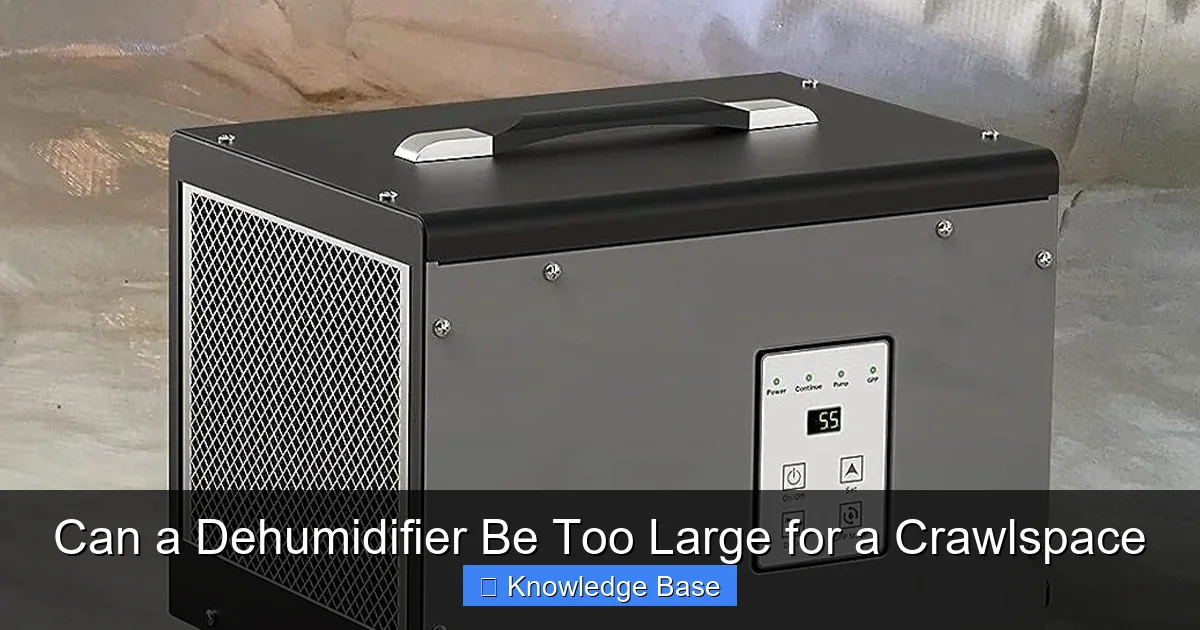
Choosing the right dehumidifier for your crawlspace is crucial—bigger isn’t always better. An oversized unit may seem like a quick fix, but it can lead to short cycling, poor humidity control, and wasted energy. Learn how to size your dehumidifier correctly to protect your home and save money.
Key Takeaways
- Oversized dehumidifiers can short cycle: They remove moisture too quickly, turning on and off frequently, which reduces efficiency and shortens the unit’s lifespan.
- Proper sizing ensures consistent humidity control: A correctly sized unit runs longer cycles, maintaining stable moisture levels and preventing mold and mildew.
- Energy efficiency drops with oversized units: Frequent cycling increases electricity use and raises utility bills without improving performance.
- Crawlspace conditions matter more than square footage: Factors like insulation, ventilation, and groundwater exposure influence the right size more than area alone.
- Look for crawlspace-specific models: These are designed for tight spaces, low temperatures, and continuous operation.
- Professional assessment helps: A moisture inspection can reveal hidden issues and guide the best dehumidifier choice.
- Maintenance is still key: Even the right-sized unit needs regular filter cleaning and drain checks to work well long-term.
Quick Answers to Common Questions
Can a dehumidifier be too big for a crawlspace?
Yes, an oversized dehumidifier can short cycle, leading to poor humidity control, higher energy bills, and reduced lifespan.
What happens if my dehumidifier is too large?
It will turn on and off frequently, fail to circulate air evenly, and may overheat or wear out faster.
How do I know the right size dehumidifier for my crawlspace?
Consider moisture level, climate, insulation, and groundwater exposure—not just square footage.
Should I use a basement dehumidifier in my crawlspace?
No, crawlspace-specific models are better suited for low clearance, cold temps, and continuous operation.
Can an oversized dehumidifier cause mold?
Indirectly, yes—short cycling can leave moisture pockets where mold can grow.
📑 Table of Contents
- Can a Dehumidifier Be Too Large for a Crawlspace?
- Why Crawlspace Humidity Is a Big Deal
- Understanding Dehumidifier Sizing
- The Risks of an Oversized Dehumidifier
- How to Choose the Right Size Dehumidifier
- Signs Your Dehumidifier Is Too Large
- Tips for Maintaining Optimal Performance
- When to Call a Professional
- Conclusion
Can a Dehumidifier Be Too Large for a Crawlspace?
If you’ve ever walked into a crawlspace and felt that damp, musty air clinging to your skin, you know how uncomfortable—and unhealthy—excess moisture can be. Crawlspaces are notorious for trapping humidity, especially in humid climates or homes with poor drainage. Many homeowners think the solution is simple: install a big, powerful dehumidifier to blast away the moisture. But here’s the catch—a dehumidifier can absolutely be too large for a crawlspace, and that “solution” might actually make things worse.
While it’s true that a dehumidifier helps control moisture, choosing one that’s oversized can lead to a host of problems. From inefficient operation to higher energy bills and even damage to your home’s structure, the risks are real. The key is finding the right balance—a unit powerful enough to handle the moisture load, but not so strong that it disrupts the system’s natural rhythm. In this guide, we’ll explore why size matters, how to pick the perfect dehumidifier for your crawlspace, and what happens when you get it wrong.
Why Crawlspace Humidity Is a Big Deal
Visual guide about Can a Dehumidifier Be Too Large for a Crawlspace
Image source: precisioncrawlspace.com
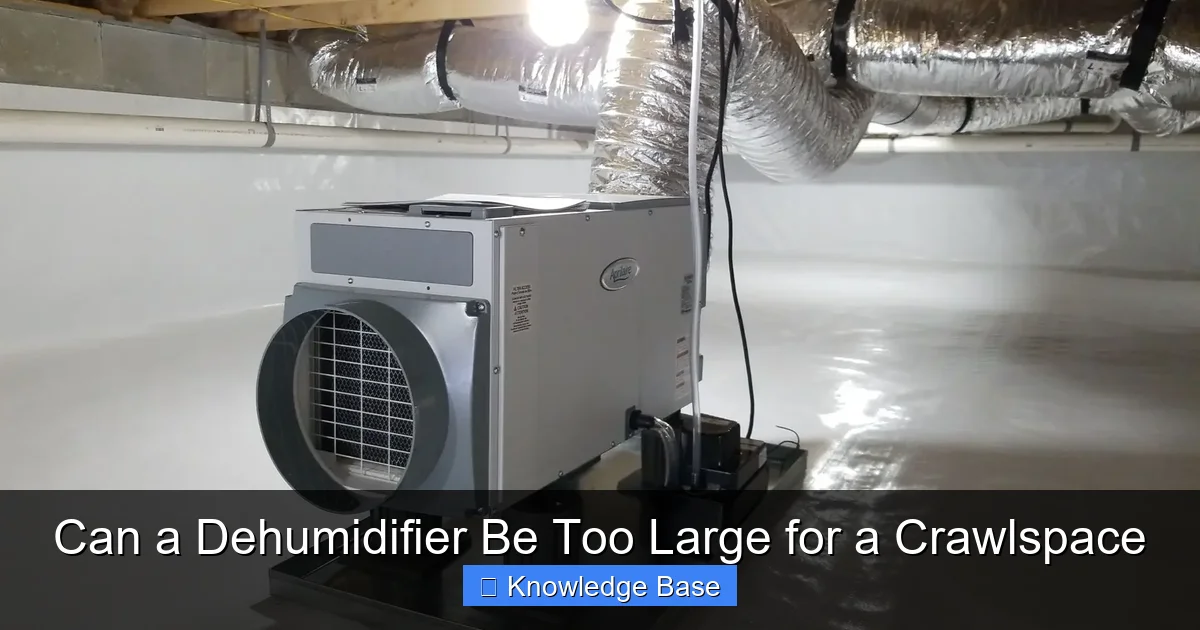
Before we dive into dehumidifier sizing, it’s important to understand why crawlspace moisture is such a concern. Unlike basements, crawlspaces are typically small, dark, and poorly ventilated—ideal conditions for moisture buildup. Water can enter through groundwater seepage, condensation, or even plumbing leaks. Once it’s in, it doesn’t take long for problems to develop.
The Dangers of Excess Moisture
High humidity in a crawlspace doesn’t just smell bad—it can cause serious damage. Mold and mildew thrive in damp environments, and once they take hold, they can spread quickly. These fungi not only degrade wood and insulation but also release spores into the air, which can trigger allergies, asthma, and other respiratory issues.
Wood rot is another major risk. Floor joists, support beams, and subflooring are all vulnerable when exposed to constant moisture. Over time, this can weaken the structural integrity of your home, leading to costly repairs. Even pests like termites and carpenter ants are attracted to damp wood, turning a moisture problem into an infestation.
How Humidity Affects Indoor Air Quality
You might think the crawlspace is out of sight, out of mind—but it’s actually connected to your living space. Air naturally moves upward through the home, a process known as the stack effect. This means that damp, moldy air from the crawlspace can rise into your home, affecting indoor air quality.
If you’ve noticed a musty smell in your living room, increased allergy symptoms, or condensation on windows, your crawlspace could be the culprit. Controlling humidity at the source is the best way to protect your family’s health and your home’s value.
Understanding Dehumidifier Sizing
Visual guide about Can a Dehumidifier Be Too Large for a Crawlspace
Image source: storables.com
When it comes to dehumidifiers, size refers to the unit’s moisture removal capacity, usually measured in pints per day (PPD). A 30-pint dehumidifier removes 30 pints of water from the air in 24 hours under standard conditions (80°F and 60% relative humidity). But here’s the thing: bigger isn’t always better—especially in a confined space like a crawlspace.
What “Too Large” Really Means
An oversized dehumidifier is one that removes moisture faster than the environment can replenish it. In a crawlspace, this leads to a phenomenon called short cycling. The unit turns on, removes a small amount of moisture, hits its target humidity level, and shuts off—only to restart minutes later.
This rapid on-off pattern might seem efficient, but it’s actually the opposite. Short cycling puts extra stress on the compressor and other components, reducing the unit’s lifespan. It also prevents the dehumidifier from running long enough to properly circulate air and maintain consistent humidity levels.
Why Short Cycling Is a Problem
Imagine trying to water a garden with a hose that only runs for 10 seconds every minute. The soil never gets deeply saturated, and the plants suffer. The same principle applies to dehumidifiers. Short cycles mean the air isn’t being thoroughly processed, leaving pockets of moisture behind.
Over time, this inconsistency can lead to mold growth in hidden areas, even if the overall humidity reading looks good. Plus, frequent cycling increases wear and tear, leading to more repairs and a shorter lifespan for the unit.
The Risks of an Oversized Dehumidifier
Now that we understand how short cycling works, let’s look at the real-world consequences of using a dehumidifier that’s too large for your crawlspace.
Increased Energy Costs
Every time a dehumidifier starts up, it draws a surge of power. Short cycling means more startups, which means higher energy consumption. Even though each cycle is short, the cumulative effect can significantly increase your electricity bill.
For example, a 70-pint dehumidifier might use 700 watts per hour. If it cycles on and off 20 times a day instead of running steadily for 8 hours, the energy waste adds up quickly. Over a month, this could cost you an extra $20–$40—money that could have been saved with a properly sized unit.
Poor Humidity Control
An oversized dehumidifier doesn’t just waste energy—it fails at its main job: maintaining stable humidity. Because it shuts off too soon, it doesn’t have time to evenly distribute dry air throughout the crawlspace. This creates microclimates—some areas stay damp while others become overly dry.
Mold and mildew don’t need much moisture to grow. Even small pockets of humidity can become breeding grounds. A properly sized unit, on the other hand, runs longer cycles, ensuring that air is consistently circulated and moisture is evenly removed.
Reduced Lifespan and More Repairs
Dehumidifiers are built to run for long periods, not to start and stop every few minutes. Short cycling puts extra strain on the compressor, fan motor, and electrical components. Over time, this leads to premature failure.
Replacing a dehumidifier every 3–5 years instead of 7–10 is not only inconvenient—it’s expensive. And if the unit fails during a humid season, you could be left with a damp crawlspace and a growing mold problem.
How to Choose the Right Size Dehumidifier
So, how do you avoid these pitfalls? The answer lies in proper sizing—matching the dehumidifier’s capacity to your crawlspace’s actual moisture load.
Step 1: Assess Your Crawlspace Conditions
Start by evaluating the environment. Is the crawlspace insulated? Is there a vapor barrier? Are there signs of standing water or groundwater intrusion? These factors have a bigger impact on moisture levels than square footage alone.
For example, a 500-square-foot crawlspace with a concrete floor and no vapor barrier will need a more powerful unit than a similar-sized space with a sealed liner and good drainage.
Step 2: Calculate the Moisture Load
Moisture load depends on several factors:
– Climate: Humid regions (like the Southeast U.S.) require more capacity.
– Groundwater exposure: Homes with high water tables or poor drainage need stronger units.
– Ventilation: Closed crawlspaces (with sealed vents) retain more moisture.
– Seasonal changes: Humidity levels fluctuate throughout the year.
A general rule of thumb:
– Light moisture (damp smell, no standing water): 30–50 pints/day
– Moderate moisture (visible condensation, occasional puddles): 50–70 pints/day
– Heavy moisture (standing water, mold growth): 70+ pints/day
Step 3: Choose a Crawlspace-Specific Model
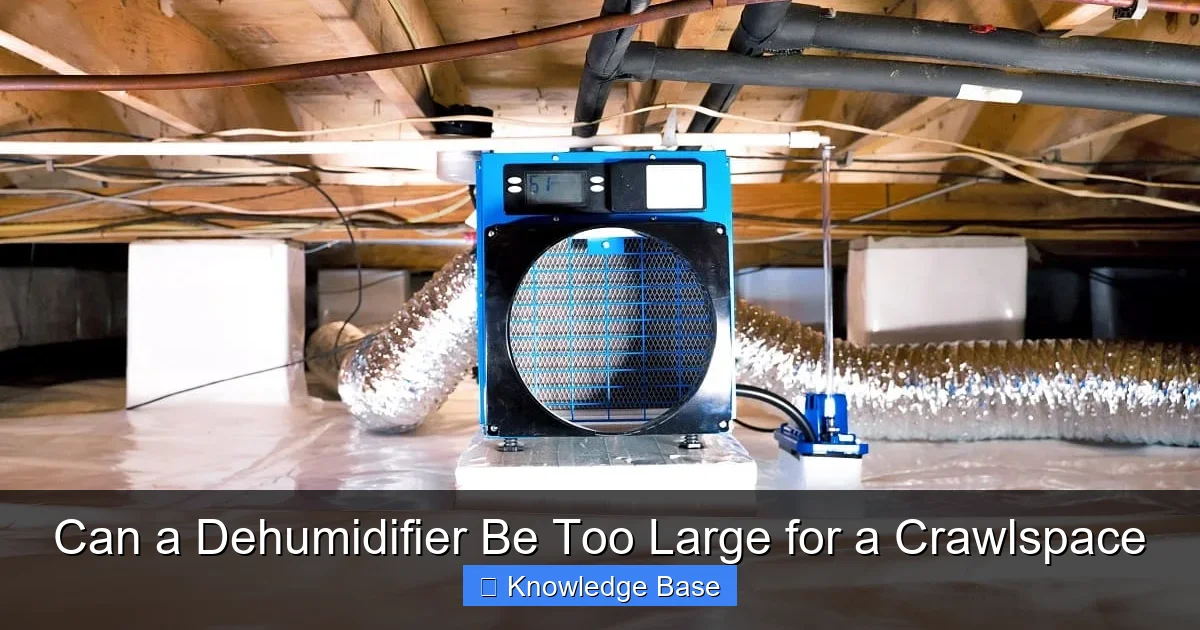
Not all dehumidifiers are created equal. Standard basement units may not perform well in crawlspaces due to low clearance, cold temperatures, and limited access. Look for models designed specifically for crawlspaces.
These units often feature:
– Compact, low-profile designs
– Built-in condensate pumps for automatic drainage
– Cold-weather operation (down to 40°F)
– Durable, corrosion-resistant materials
– Remote humidity sensors for accurate control
Signs Your Dehumidifier Is Too Large
Even after installation, it’s important to monitor your dehumidifier’s performance. Here are some red flags that your unit might be oversized:
Frequent On/Off Cycling
If the unit turns on and off every 5–10 minutes, it’s likely too powerful. A properly sized dehumidifier should run for 15–30 minutes per cycle, depending on conditions.
Rapid Humidity Drop
If the humidity drops from 70% to 40% in under an hour, the unit is removing moisture too quickly. This doesn’t allow for even air circulation and can lead to dry spots and moisture pockets.
High Energy Bills
A sudden spike in electricity usage could indicate short cycling. Compare your current bill to previous months—if there’s a noticeable increase, your dehumidifier may be working too hard.
Unit Overheats or Shuts Off
Frequent cycling can cause the compressor to overheat, triggering safety shutoffs. If your dehumidifier keeps turning off unexpectedly, it’s a sign of stress.
Tips for Maintaining Optimal Performance
Once you’ve chosen the right dehumidifier, proper maintenance ensures it continues to work efficiently.
Clean the Air Filter Monthly
A dirty filter restricts airflow, reducing efficiency and increasing energy use. Most models have washable filters—rinse them with water and let them dry completely before reinstalling.
Check the Drain Line Regularly
If your unit uses a condensate pump or gravity drain, make sure the line is clear of clogs. Standing water in the drain pan can lead to overflow and mold growth.
Monitor Humidity Levels
Use a hygrometer to check humidity levels weekly. Ideal crawlspace humidity is between 40% and 60%. If levels fluctuate wildly, adjust the dehumidifier’s settings or consider a different size.
Inspect for Mold and Moisture
Even with a dehumidifier, it’s important to visually inspect the crawlspace every few months. Look for signs of mold, standing water, or damaged insulation.
When to Call a Professional
While many homeowners can install and maintain a dehumidifier themselves, some situations call for expert help.
Persistent Moisture Problems
If your crawlspace remains damp despite a properly sized dehumidifier, there may be underlying issues like poor drainage, foundation cracks, or inadequate ventilation. A moisture control specialist can identify and fix these problems.
Complex Installations
If your crawlspace is difficult to access or requires electrical work, it’s safer to hire a professional. They can ensure the unit is installed correctly and meets local building codes.
Warranty and Service
Many dehumidifiers come with warranties that require professional installation. Check the manufacturer’s guidelines before doing it yourself.
Conclusion
So, can a dehumidifier be too large for a crawlspace? The answer is a resounding yes. While it might seem logical to go big for maximum moisture removal, an oversized unit can lead to short cycling, poor humidity control, higher energy bills, and premature wear.
The key to success is choosing a dehumidifier that matches your crawlspace’s actual moisture load—not just its square footage. Consider factors like insulation, groundwater exposure, and climate, and opt for a model designed specifically for crawlspaces. Regular maintenance and monitoring will keep your unit running efficiently for years to come.
By taking the time to size your dehumidifier correctly, you’ll protect your home from mold, structural damage, and poor air quality—all while saving money on energy and repairs. Remember, when it comes to crawlspace dehumidifiers, the right size isn’t the biggest one. It’s the one that works best for your home.
Frequently Asked Questions
What size dehumidifier do I need for a 1,000 sq ft crawlspace?
It depends on moisture levels. For light dampness, a 50-pint unit may suffice; for heavy moisture, consider 70+ pints. Always assess conditions first.
Can I run a dehumidifier in a crawlspace year-round?
Yes, especially in humid climates. Many crawlspace models are designed for continuous operation and cold temperatures.
Do I need a vapor barrier with a dehumidifier?
Yes. A vapor barrier reduces moisture entering the crawlspace, making the dehumidifier more effective and efficient.
How often should I clean my crawlspace dehumidifier?
Clean the air filter monthly and check the drain line every few weeks to prevent clogs and ensure proper operation.
Will a dehumidifier stop crawlspace mold?
It can prevent new growth by controlling humidity, but existing mold should be cleaned by a professional to avoid health risks.
Can I install a dehumidifier in a crawlspace myself?
Yes, if you’re comfortable with basic tools and electrical safety. For complex setups or hard-to-reach areas, hire a pro.