
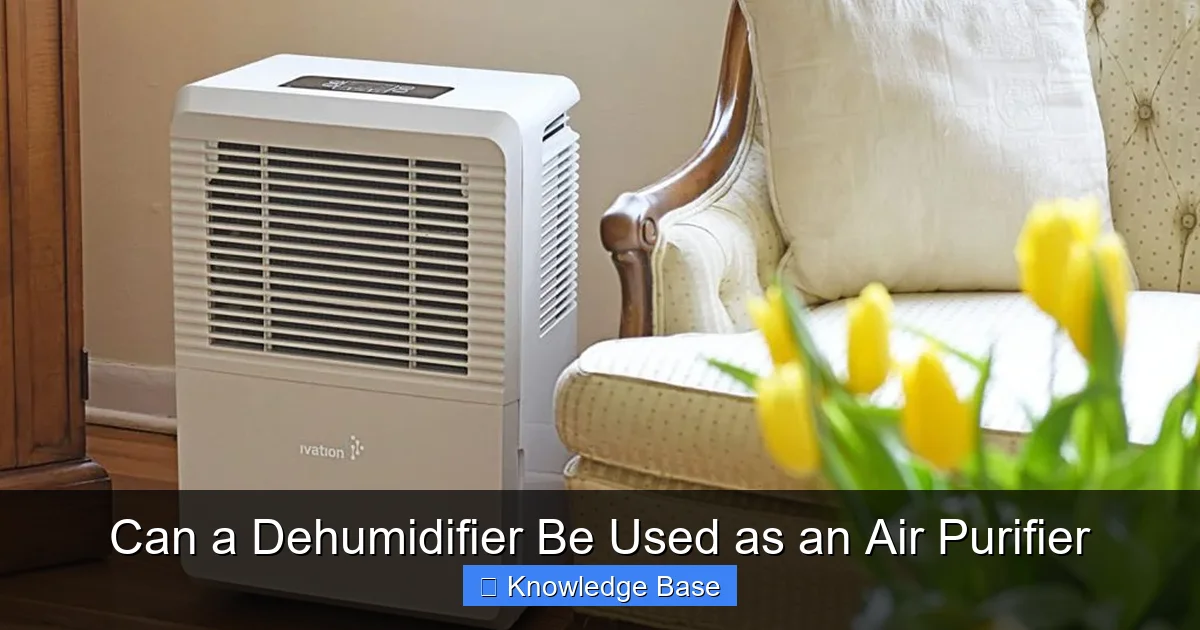
While a dehumidifier helps reduce moisture and inhibits mold growth, it is not designed to remove airborne pollutants like dust, pollen, or smoke. An air purifier, on the other hand, uses filters to capture particles and improve air quality. Using both together offers the best results for a healthier home environment.
Key Takeaways
- Dehumidifiers control humidity, not air purity: They reduce moisture levels to prevent mold and dust mites but don’t filter out airborne particles.
- Air purifiers target pollutants: These devices use HEPA or activated carbon filters to trap allergens, pet dander, smoke, and odors.
- They serve different purposes: A dehumidifier improves comfort and prevents structural damage, while an air purifier enhances respiratory health.
- Using both is ideal: For optimal indoor air quality, combine a dehumidifier and air purifier, especially in damp or allergy-prone areas.
- Maintenance matters: Regular cleaning of filters and coils ensures both devices work efficiently and safely.
- Energy use varies: Dehumidifiers typically consume more power than air purifiers, so consider energy efficiency when choosing models.
- Placement affects performance: Position your dehumidifier in damp areas like basements, and place air purifiers in frequently used rooms like bedrooms or living rooms.
Quick Answers to Common Questions
Can a dehumidifier remove dust from the air?
No, a dehumidifier does not remove dust. It reduces moisture but lacks the fine filters needed to capture airborne particles like dust.
Do air purifiers reduce humidity?
No, air purifiers do not reduce humidity. They clean the air of pollutants but have no effect on moisture levels.
Is it safe to run a dehumidifier and air purifier at the same time?
Yes, it’s safe and often beneficial. They perform different functions and can work together to improve indoor air quality.
How often should I replace my air purifier filter?
Most HEPA filters should be replaced every 6 to 12 months, depending on usage and air quality.
Can a dehumidifier help with allergies?
Indirectly, yes. By reducing mold and dust mites, a dehumidifier can help alleviate allergy symptoms, but it won’t remove airborne allergens like an air purifier does.
📑 Table of Contents
Can a Dehumidifier Be Used as an Air Purifier?
If you’re concerned about the air quality in your home, you might be wondering whether your dehumidifier can pull double duty as an air purifier. After all, both devices sit in your living space, hum quietly, and claim to improve your indoor environment. But here’s the truth: while they’re both helpful, they’re not interchangeable.
A dehumidifier’s main job is to remove excess moisture from the air. It does this by pulling in humid air, cooling it to condense the water vapor, and then releasing drier air back into the room. This process helps prevent mold, mildew, and dust mites—common triggers for allergies and respiratory issues. But it doesn’t actively clean the air of particles like pollen, pet dander, or smoke.
An air purifier, on the other hand, is built specifically to clean the air. It uses filters—often HEPA filters—to trap tiny particles that can affect your health. Some models also include activated carbon filters to absorb odors and volatile organic compounds (VOCs). So while a dehumidifier makes the air feel better by reducing dampness, an air purifier makes the air actually cleaner.
In short, a dehumidifier is not a substitute for an air purifier. But that doesn’t mean they can’t work together. In fact, using both can create a healthier, more comfortable home environment—especially if you live in a humid climate or suffer from allergies.
How Dehumidifiers Work
To understand why a dehumidifier can’t replace an air purifier, it helps to know exactly how it functions. Most residential dehumidifiers use a refrigeration-based system, similar to an air conditioner. Here’s a simple breakdown of the process:
The Refrigeration Cycle
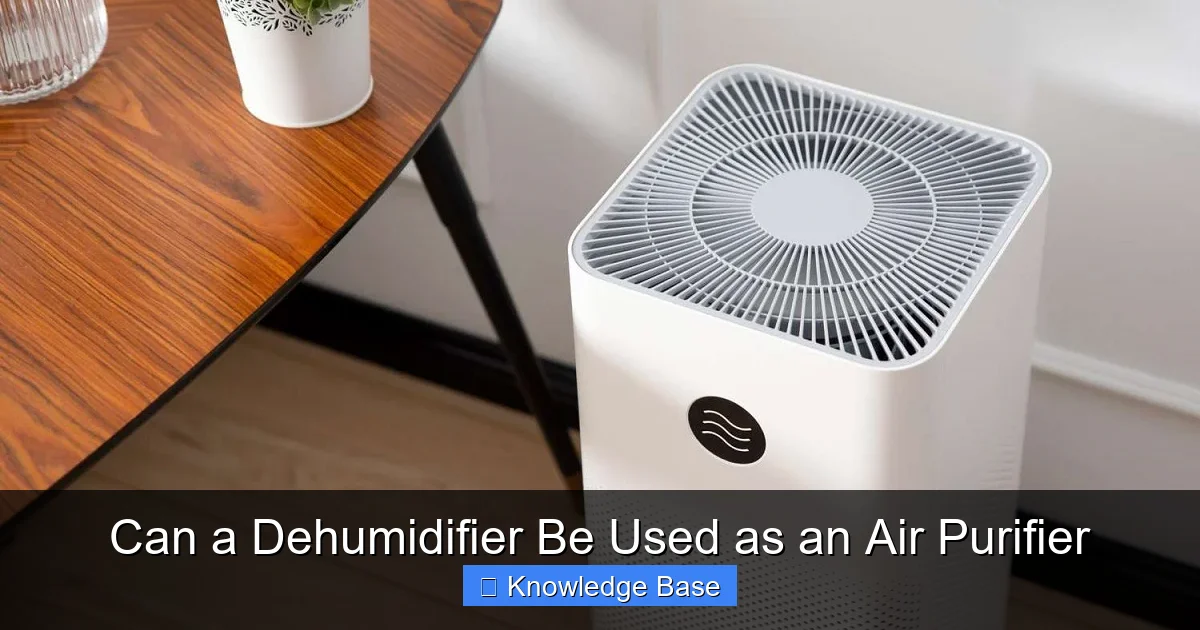
When humid air enters the dehumidifier, it passes over cold coils inside the unit. These coils are cooled by a refrigerant, which causes the moisture in the air to condense into water droplets. This water collects in a built-in tank or drains directly through a hose. The now-drier air is then reheated slightly and blown back into the room.
Visual guide about Can a Dehumidifier Be Used as an Air Purifier
Image source: storables.com
This cycle repeats continuously until the desired humidity level is reached—usually between 30% and 50%, which is considered ideal for comfort and health.
Types of Dehumidifiers
There are two main types of dehumidifiers: refrigerant (compressor-based) and desiccant. Refrigerant models are the most common and work best in warm, humid environments. Desiccant dehumidifiers use a moisture-absorbing material (like silica gel) and are better suited for colder climates or smaller spaces.
While both types reduce humidity, neither is designed to filter airborne contaminants. They don’t have the fine mesh filters needed to catch dust, bacteria, or viruses. So even though they make the air feel fresher by reducing dampness, they don’t actually purify it.
Benefits Beyond Moisture Control
Even though dehumidifiers don’t clean the air, they offer important indirect benefits. By lowering humidity, they create an environment where mold and dust mites struggle to survive. These allergens thrive in moist conditions, so reducing humidity can significantly cut down on their presence.
For example, if you have a basement that feels damp and smells musty, running a dehumidifier can eliminate that odor and prevent mold from growing on walls or stored items. This makes the space more usable and healthier to be in—even if the air isn’t technically “purified.”
How Air Purifiers Work
Now let’s look at how air purifiers do what dehumidifiers can’t: actually clean the air. Air purifiers are designed to remove pollutants that can affect your health, especially if you have allergies, asthma, or other respiratory conditions.
Filtration Systems
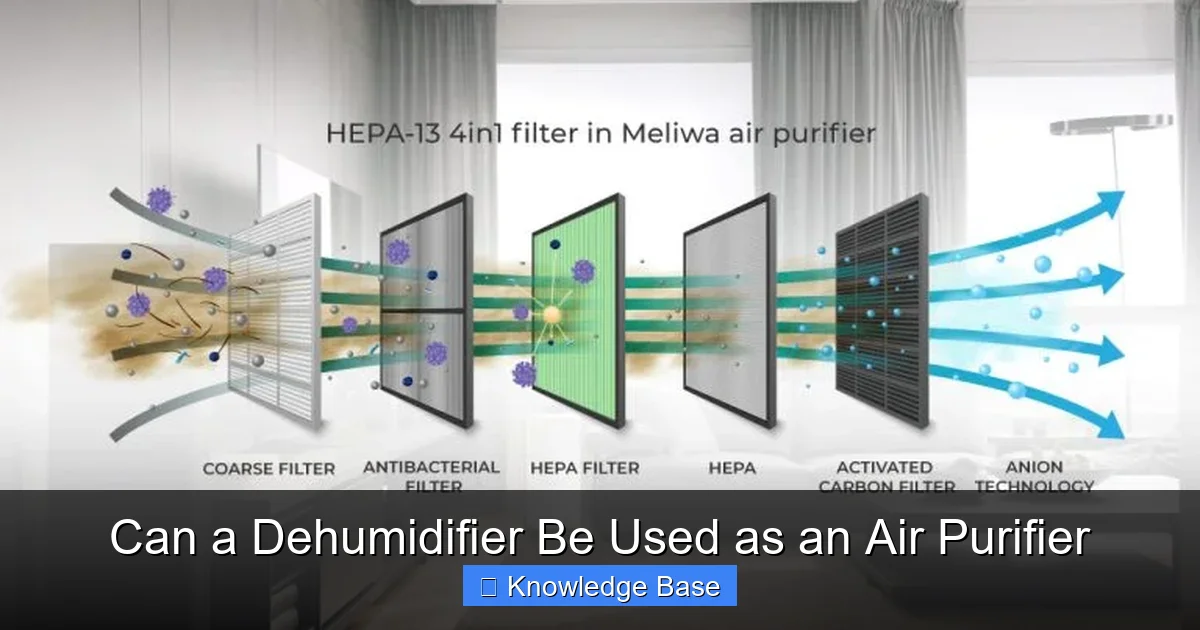
Most air purifiers use a multi-stage filtration system. The most effective models include a pre-filter, a HEPA filter, and an activated carbon filter.
Visual guide about Can a Dehumidifier Be Used as an Air Purifier
Image source: meliwa.com
- Pre-filter: Catches large particles like hair and dust.
- HEPA filter: Removes 99.97% of particles as small as 0.3 microns, including pollen, pet dander, mold spores, and bacteria.
- Activated carbon filter: Absorbs odors, smoke, and chemicals like VOCs from cleaning products or paint.
Some advanced models also use UV-C light to kill germs or ionizers to charge particles so they stick to surfaces. However, ionizers can produce small amounts of ozone, which may irritate lungs, so they’re not recommended for everyone.
Types of Air Purifiers
There are several types of air purifiers on the market, including HEPA, activated carbon, UV, and ozone generators. HEPA purifiers are widely considered the gold standard for particle removal. They’re especially effective for people with allergies or asthma.
Activated carbon purifiers are best for removing odors and chemicals, making them ideal for homes with smokers or strong cooking smells. UV purifiers can kill bacteria and viruses but are usually used in combination with filters for best results.
Real-World Impact
Imagine you have a cat that sheds a lot. Even with regular cleaning, you might still notice dander in the air, causing sniffles or itchy eyes. An air purifier with a HEPA filter can capture that dander before it settles, reducing your exposure and improving your comfort.
Similarly, if someone in your home smokes or you live near a busy road, an air purifier can help reduce the amount of smoke and pollution particles in your indoor air. This is something a dehumidifier simply can’t do.
Key Differences Between Dehumidifiers and Air Purifiers
Now that we’ve covered how each device works, let’s compare them side by side. Understanding these differences will help you decide which one—or both—you need.
Primary Function
A dehumidifier’s main goal is to reduce indoor humidity. It’s all about moisture control. An air purifier’s main goal is to remove airborne contaminants. It’s all about air cleanliness.
Think of it like this: a dehumidifier treats the environment, while an air purifier treats the air itself.
What They Remove
Dehumidifiers don’t remove particles from the air. They don’t have filters fine enough to catch dust, pollen, or smoke. However, by lowering humidity, they indirectly reduce the growth of mold and dust mites—two common allergens.
Air purifiers, especially those with HEPA filters, are excellent at capturing these particles. They can remove up to 99.97% of airborne contaminants, making the air safer to breathe.
Energy Use and Maintenance
Dehumidifiers typically use more energy than air purifiers because they involve compressors and fans. They also require regular emptying of the water tank and cleaning of the coils to prevent mold buildup inside the unit.
Air purifiers are generally more energy-efficient, especially on lower settings. However, their filters need to be replaced every 6 to 12 months, depending on usage and air quality. Neglecting filter changes can reduce performance and even release trapped pollutants back into the air.
Ideal Use Cases
Use a dehumidifier in damp areas like basements, bathrooms, or laundry rooms. It’s also helpful in humid climates or during rainy seasons when indoor moisture levels rise.
Use an air purifier in bedrooms, living rooms, or home offices—spaces where you spend a lot of time. It’s especially beneficial if you have pets, allergies, or live in an area with poor outdoor air quality.
Can They Work Together?
Absolutely. In fact, using a dehumidifier and an air purifier together can create a powerful combination for improving indoor air quality.
Complementary Benefits
A dehumidifier reduces moisture, which helps prevent mold and dust mites. An air purifier removes the particles those allergens produce, as well as other pollutants like pet dander and smoke.
For example, in a basement that’s prone to dampness, a dehumidifier can stop mold from growing on walls and stored items. But if mold spores are already airborne, an air purifier can capture them before you breathe them in. Together, they tackle the problem from both angles.
Improved Health Outcomes
Studies have shown that controlling humidity and filtering the air can significantly reduce allergy and asthma symptoms. The Environmental Protection Agency (EPA) recommends keeping indoor humidity between 30% and 50% and using air purifiers with HEPA filters to improve respiratory health.
If you or a family member has asthma, using both devices can lead to fewer flare-ups and better sleep. Even if you don’t have allergies, cleaner, drier air just feels better—less stuffy, less sticky, and more refreshing.
Energy and Cost Considerations
Running both devices does increase energy use, but the health benefits often outweigh the cost. To save energy, choose ENERGY STAR-certified models and run them only when needed. For example, you might run the dehumidifier during humid months and the air purifier continuously in high-traffic areas.
Some smart models can even monitor humidity and air quality, adjusting their operation automatically. This helps maintain ideal conditions without wasting power.
When to Use Each Device
Knowing when to use a dehumidifier versus an air purifier—or both—can help you get the most value from your investment.
Use a Dehumidifier When:
- You notice condensation on windows or walls.
- Your home feels sticky or clammy, even with air conditioning.
- You smell mildew or see mold growth.
- You live in a humid climate or have a basement.
- You’re storing items like books, clothes, or electronics in damp areas.
Use an Air Purifier When:
- You or a family member has allergies, asthma, or respiratory issues.
- You have pets that shed or produce dander.
- Someone smokes indoors or you use strong cleaning products.
- You live near a busy road or industrial area.
- You want to reduce odors from cooking, pets, or mold.
Use Both When:
- You have a damp, musty basement with airborne allergens.
- You suffer from seasonal allergies in a humid region.
- You’re renovating and dealing with dust and moisture.
- You want the healthiest possible indoor environment.
Tips for Choosing the Right Devices
If you decide to buy a dehumidifier, an air purifier, or both, here are some practical tips to help you choose the best models for your needs.
Choosing a Dehumidifier
Look for a unit with a capacity that matches your space. Dehumidifiers are rated by how many pints of moisture they can remove per day. For a small bathroom, a 25-pint model may suffice. For a large basement, you might need a 70-pint unit.
Choose a model with an automatic shut-off when the tank is full, a built-in hygrometer to monitor humidity, and a continuous drainage option if you don’t want to empty the tank manually.
Choosing an Air Purifier
Check the Clean Air Delivery Rate (CADR), which measures how quickly the purifier can clean the air. Higher CADR numbers mean better performance. Also, make sure the unit is sized for your room—most manufacturers provide a recommended room size.
Look for a HEPA filter, avoid ozone-generating models, and consider noise levels if you plan to use it in a bedroom.
Maintenance Tips
For dehumidifiers, clean the water tank weekly and check the coils for mold. Replace filters if your model has one. For air purifiers, replace filters as recommended—usually every 6 to 12 months—and vacuum the pre-filter monthly.
Regular maintenance ensures both devices work efficiently and don’t become sources of contamination themselves.
Common Misconceptions
There are a few myths about dehumidifiers and air purifiers that are worth clearing up.
Myth: A Dehumidifier Cleans the Air
False. While it reduces moisture and indirectly lowers allergen levels, it doesn’t filter particles. You still need an air purifier for that.
Myth: Air Purifiers Remove Humidity
No. Air purifiers don’t affect moisture levels. If your home is too humid, you’ll still need a dehumidifier.
Myth: You Only Need One Device
Not necessarily. If you have both high humidity and poor air quality, using both devices is the best approach. They address different problems and work best together.
Conclusion
So, can a dehumidifier be used as an air purifier? The short answer is no—but that doesn’t mean it’s not valuable. A dehumidifier excels at controlling moisture, preventing mold, and making your home more comfortable. An air purifier excels at removing airborne pollutants, improving respiratory health, and eliminating odors.
For the best indoor air quality, consider using both. They complement each other, tackling different aspects of air health. Whether you’re dealing with a damp basement, pet allergies, or seasonal pollen, the right combination of devices can make a big difference.
Invest in quality models, maintain them regularly, and place them strategically for maximum effect. Your lungs—and your home—will thank you.
Frequently Asked Questions
Can a dehumidifier be used as an air purifier?
No, a dehumidifier cannot be used as an air purifier. It reduces humidity but does not filter out airborne particles like dust, pollen, or smoke.
What does a dehumidifier actually do?
A dehumidifier removes excess moisture from the air, helping prevent mold, mildew, and dust mites. It improves comfort and protects your home’s structure.
Do I need both a dehumidifier and an air purifier?
It depends on your needs. If you have high humidity and poor air quality, using both is ideal. They address different issues and work best together.
Can an air purifier help with mold?
An air purifier with a HEPA filter can capture mold spores from the air, but it won’t stop mold growth. You still need to control moisture with a dehumidifier.
Are dehumidifiers energy-efficient?
Dehumidifiers use more energy than air purifiers, especially larger models. Look for ENERGY STAR-certified units to save on electricity.
Where should I place my dehumidifier and air purifier?
Place the dehumidifier in damp areas like basements or bathrooms. Put the air purifier in frequently used rooms like bedrooms or living rooms for best results.