

While a dehumidifier can make a room feel cooler by reducing humidity, it does not actually lower the air temperature. It works by removing excess moisture, which helps your body cool more efficiently through sweat evaporation. For real cooling, you’ll still need an air conditioner or fan, but a dehumidifier can enhance comfort in humid climates.
Key Takeaways
- Dehumidifiers reduce humidity, not temperature: They remove moisture from the air, making the room feel more comfortable but not physically cooler.
- Improved comfort in humid environments: High humidity makes hot days feel worse; lowering it helps your body cool naturally.
- Energy-efficient alternative to AC in mild climates: In moderately warm, humid areas, a dehumidifier can reduce reliance on air conditioning.
- Can slightly increase room temperature: The unit generates heat as it operates, which may offset some perceived cooling.
- Best used alongside fans or ventilation: Pairing with airflow improves the cooling sensation and overall effectiveness.
- Not a replacement for air conditioning: For significant temperature drops, an AC unit is still necessary.
- Health and air quality benefits: Lower humidity reduces mold, dust mites, and allergens, improving indoor air quality.
Quick Answers to Common Questions
Does a dehumidifier lower room temperature?
No, a dehumidifier does not lower the air temperature. It removes moisture from the air, which can make the room feel cooler, but the actual temperature may even increase slightly due to heat generated by the unit.
Can I use a dehumidifier instead of an air conditioner?
Only in mild, humid conditions. A dehumidifier improves comfort by reducing humidity but cannot replace an air conditioner when significant cooling is needed.
Will a dehumidifier help in a humid basement?
Yes! Basements often have high humidity, and a dehumidifier can make the space feel cooler and more usable while preventing mold and mildew.
Does a dehumidifier use a lot of electricity?
It uses moderate energy — typically 300–700 watts. Running it continuously can add to your electricity bill, so use a humidistat to control usage.
Should I run a dehumidifier with a fan?
Yes! A fan helps circulate the drier air and enhances the cooling sensation by improving sweat evaporation.
📑 Table of Contents
- Can a Dehumidifier Be Used to Cool a Room?
- How Dehumidifiers Work: The Science Behind Moisture Removal
- The Difference Between Cooling and Feeling Cool
- When a Dehumidifier Can Help Cool a Room
- Limitations and Drawbacks of Using a Dehumidifier for Cooling
- Tips for Maximizing Comfort with a Dehumidifier
- Conclusion: A Comfort Booster, Not a Cooling Solution
Can a Dehumidifier Be Used to Cool a Room?
On a sweltering summer day, when the air feels thick and sticky, you might wonder: can a dehumidifier help cool down your home? After all, it’s running, humming away, and the air seems a little more bearable. But does it actually lower the temperature? The short answer is no — a dehumidifier doesn’t cool the air like an air conditioner does. However, it can make a room feel significantly cooler and more comfortable, especially in humid climates.
Understanding how a dehumidifier works is key to knowing what to expect. Unlike air conditioners, which pull warm air from a room, cool it using refrigerant, and blow cold air back in, dehumidifiers focus solely on moisture. They draw in humid air, pass it over cold coils to condense the water vapor, collect the water in a tank, and then release drier air back into the room. This process reduces the humidity level, which directly affects how hot you feel.
So while the thermometer might not show a lower number, your body will likely feel more at ease. That’s because high humidity interferes with your body’s natural cooling system — sweating. When the air is saturated with moisture, sweat doesn’t evaporate easily, leaving you feeling sticky and overheated. By lowering humidity, a dehumidifier helps sweat evaporate more efficiently, giving you that refreshing, cooling sensation.
How Dehumidifiers Work: The Science Behind Moisture Removal
To truly grasp whether a dehumidifier can cool a room, it helps to understand the mechanics behind it. Most residential dehumidifiers use a refrigeration-based system, similar in principle to an air conditioner or refrigerator. Here’s a step-by-step breakdown of how it operates:
The Refrigeration Cycle
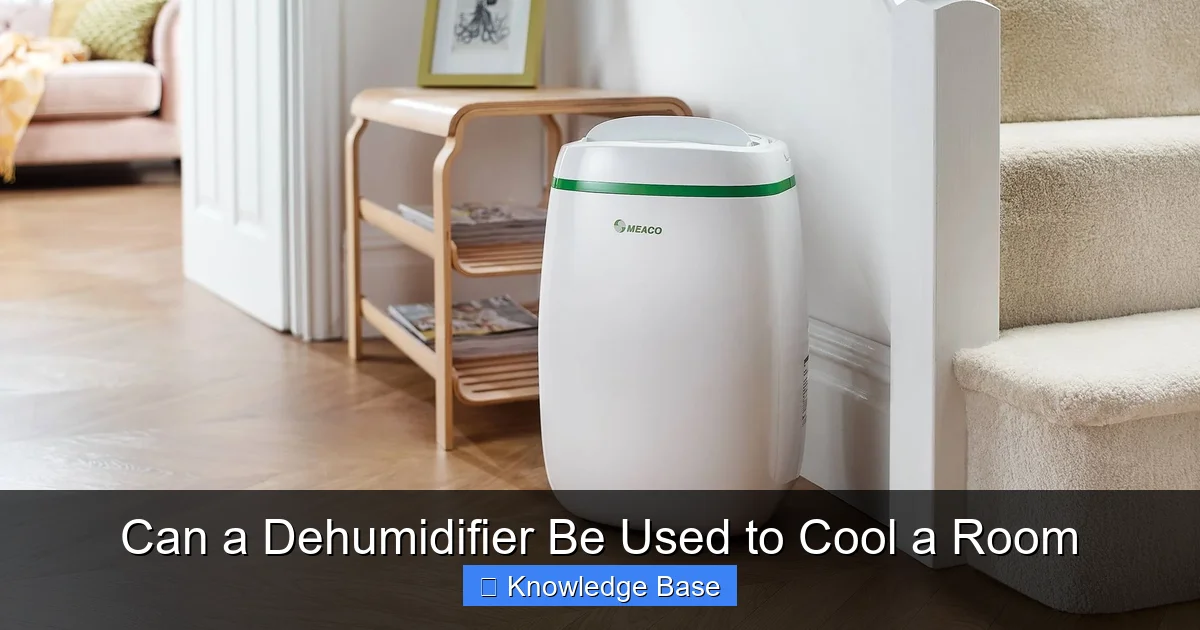
The core of a dehumidifier is its refrigeration cycle. It starts when a fan pulls humid indoor air into the unit. This air passes over a set of cold evaporator coils. As the warm, moist air hits the cold surface, the moisture in the air condenses into water droplets — much like how dew forms on grass in the morning. These droplets collect in a built-in water tank or are drained directly through a hose.
Visual guide about Can a Dehumidifier Be Used to Cool a Room
Image source: cdn.mos.cms.futurecdn.net
Once the air is stripped of moisture, it moves over a set of warm condenser coils. Here, the now-dry air is reheated to near its original temperature before being blown back into the room. This reheating step is crucial — it ensures the air isn’t too cold when it re-enters the space, which could create uncomfortable drafts or temperature imbalances.
Heat Generation During Operation
One important detail often overlooked is that dehumidifiers generate heat as a byproduct of their operation. The compressor and fan motors produce thermal energy, and the refrigeration process itself releases heat during the condensation phase. As a result, the air leaving the dehumidifier is actually slightly warmer than the air that entered — typically by 2 to 5 degrees Fahrenheit.
This means that while the room may feel cooler due to lower humidity, the actual air temperature might increase slightly. In small, poorly ventilated spaces, this can even make the room feel warmer over time. That’s why it’s important to use a dehumidifier in a well-ventilated area and avoid running it in a closed-off closet or tiny bathroom without airflow.
Types of Dehumidifiers
There are two main types of dehumidifiers: refrigerant (compressor-based) and desiccant. Refrigerant models are the most common and work best in warm, humid environments — typically above 65°F. They’re efficient and cost-effective for everyday use in homes and basements.
Desiccant dehumidifiers, on the other hand, use a moisture-absorbing material (like silica gel) to pull water from the air. They don’t rely on cold coils, so they work well in cooler temperatures — even below 50°F. However, they tend to be less energy-efficient and are often used in specialized applications like crawl spaces or winterized cabins.
Both types reduce humidity, but their impact on room temperature varies. Refrigerant models may add a small amount of heat, while desiccant units typically produce less heat but consume more electricity. Choosing the right type depends on your climate, room size, and primary needs.
The Difference Between Cooling and Feeling Cool
This is where many people get confused: the difference between actual cooling and perceived cooling. A dehumidifier doesn’t lower the air temperature — that’s the job of an air conditioner. But it can make a room feel much more comfortable, especially during humid weather.
How Humidity Affects Comfort
Humidity plays a huge role in how hot we feel. The human body cools itself primarily through sweat evaporation. When the air is dry, sweat evaporates quickly, pulling heat away from the skin and creating a cooling effect. But when humidity is high — say, above 60% — the air is already full of moisture, so sweat lingers on the skin. This makes you feel hotter, stickier, and more uncomfortable, even if the actual temperature hasn’t changed.

Visual guide about Can a Dehumidifier Be Used to Cool a Room
Image source: hvactrainingshop.com
For example, a room at 78°F with 80% humidity feels much hotter than the same room at 78°F with 40% humidity. This is measured by the “heat index” or “feels like” temperature. In high humidity, the heat index can be 10–15°F higher than the actual air temperature. By reducing humidity to a comfortable range (ideally between 30% and 50%), a dehumidifier brings that “feels like” temperature down, making the room more bearable.
Real-World Example: A Humid Basement
Imagine a basement that’s consistently 75°F but feels like 85°F due to high humidity. You might be tempted to run a portable air conditioner, which would cool the air but also consume a lot of energy. Alternatively, you could use a dehumidifier to bring the humidity down from 70% to 45%. The temperature stays the same, but now the basement feels fresh and comfortable — like a cool, dry cellar rather than a damp cave.
Many homeowners report that after running a dehumidifier for a few hours, they can turn down their air conditioner or even turn it off entirely on milder days. This not only improves comfort but can also lead to energy savings.
The Role of Air Movement
To maximize the cooling sensation, pair your dehumidifier with a fan. Moving air enhances sweat evaporation, amplifying the cooling effect. A ceiling fan, box fan, or oscillating fan helps distribute the drier air and creates a breeze that makes you feel cooler.
Think of it like this: on a hot day, stepping into a breeze feels refreshing, even if the air temperature hasn’t changed. The same principle applies indoors. A dehumidifier reduces the moisture barrier, and a fan helps your body take advantage of it.
When a Dehumidifier Can Help Cool a Room
While a dehumidifier won’t replace your air conditioner, there are specific situations where it can significantly improve comfort and reduce the need for cooling.
In Humid Climates
If you live in a region with high humidity — like the southeastern United States, coastal areas, or tropical zones — a dehumidifier can be a game-changer. In these areas, the air often feels oppressive, even at moderate temperatures. Running a dehumidifier during the day can make your home feel cooler and more inviting without cranking the AC.
For instance, in Florida or Louisiana, where summer humidity regularly exceeds 70%, many residents use dehumidifiers in bedrooms or living areas to create a more comfortable sleeping environment. This is especially helpful at night when you want to keep windows closed for security or noise reasons but still need relief from the sticky air.
In Energy-Efficient Homes
Modern, tightly sealed homes are great for energy efficiency — they keep conditioned air in and outdoor air out. But they can also trap humidity, leading to stuffy, uncomfortable interiors. A dehumidifier helps maintain optimal indoor humidity levels without overworking your HVAC system.
In passive houses or net-zero energy homes, where air conditioning use is minimized, dehumidifiers are often used as a primary comfort tool. They help manage moisture from cooking, showering, and breathing, preventing mold growth and maintaining a fresh feel.
In Basements and Crawl Spaces
Basements are naturally cooler than the rest of the house, but they’re also prone to high humidity due to groundwater and poor ventilation. A dehumidifier can make these spaces usable — turning a damp, musty basement into a comfortable home office, gym, or playroom.
Even if the basement is already cool, reducing humidity prevents condensation on walls and furniture, protects stored items, and improves air quality. And because basements are often below grade, they don’t heat up as quickly, so the slight heat output from the dehumidifier is usually negligible.
During Shoulder Seasons
In spring and fall, when temperatures are mild but humidity remains high, a dehumidifier can provide comfort without the need for air conditioning. This is especially useful in regions where the weather fluctuates — one day it’s 70°F and humid, the next it’s 85°F and dry.
Instead of turning on the AC for just a few hours, you can run a dehumidifier to take the edge off the humidity. This saves energy and reduces wear on your cooling system.
Limitations and Drawbacks of Using a Dehumidifier for Cooling
Despite its benefits, a dehumidifier isn’t a magic cooling solution. It has limitations that are important to understand before relying on it to beat the heat.
It Doesn’t Lower Air Temperature
The most critical limitation is that a dehumidifier does not cool the air. If your goal is to drop the temperature from 85°F to 72°F, a dehumidifier won’t help. Only an air conditioner, heat pump, or evaporative cooler can achieve that.
In fact, because the unit generates heat, it can slightly increase the room temperature — especially in small, enclosed spaces. This effect is usually minor, but it’s something to keep in mind if you’re trying to cool a tiny room or closet.
Energy Consumption
Dehumidifiers use electricity to run the compressor, fan, and controls. While they’re generally more energy-efficient than air conditioners, they still consume a noticeable amount of power — typically between 300 and 700 watts, depending on the size and model.
Running a dehumidifier 24/7 can add $20–$50 per month to your electricity bill, depending on local rates and usage. This is less than a central AC system but more than a ceiling fan. To save energy, use a model with a built-in humidistat, which automatically turns the unit on and off to maintain your desired humidity level.
Noise and Space Requirements
Most dehumidifiers produce a low hum or whirring sound as the fan and compressor operate. While not overly loud, it can be distracting in quiet environments like bedrooms or home offices. Look for models with “quiet mode” or low-decibel ratings (under 50 dB) if noise is a concern.
Additionally, dehumidifiers take up floor space and require regular maintenance. You’ll need to empty the water tank every 12–24 hours (or use a continuous drain hose), clean the filter monthly, and ensure proper airflow around the unit.
Not Effective in Dry Climates
In arid regions like Arizona or Nevada, where humidity is already low, a dehumidifier offers little benefit. The air is already dry, so removing more moisture can make the environment uncomfortably dry — leading to dry skin, irritated sinuses, and static electricity.
In these areas, the focus should be on cooling, not dehumidification. An evaporative cooler or air conditioner is a better choice for comfort.
Tips for Maximizing Comfort with a Dehumidifier
If you’re using a dehumidifier to improve comfort, here are some practical tips to get the most out of it:
Set the Right Humidity Level
For optimal comfort and health, aim for a relative humidity between 30% and 50%. Use a hygrometer (a small, inexpensive device) to monitor levels. Most modern dehumidifiers have digital controls that let you set your target humidity. Avoid going below 30%, as overly dry air can cause respiratory irritation and damage wooden furniture.
Use It in Conjunction with Fans
As mentioned earlier, airflow enhances the cooling effect. Place a fan near the dehumidifier to help circulate the drier air. Ceiling fans are especially effective because they create a gentle breeze without taking up floor space.
Choose the Right Size
Dehumidifiers are rated by how many pints of moisture they can remove per day. For a small bedroom (up to 500 sq ft), a 20–30 pint model is usually sufficient. For larger areas like basements or open-concept living spaces, consider a 50-pint or higher unit. An undersized dehumidifier will struggle to keep up, while an oversized one may cycle on and off too frequently, reducing efficiency.
Maintain Proper Ventilation
Don’t run a dehumidifier in a completely sealed room. Allow some airflow by keeping doors slightly open or using exhaust fans in kitchens and bathrooms. This helps the unit pull in humid air and prevents it from just recirculating the same air.
Empty the Tank Regularly
Most dehumidifiers have a built-in tank that holds 1–2 gallons of water. When it’s full, the unit automatically shuts off. To avoid interruptions, empty the tank daily or use a continuous drain hose connected to a floor drain or sump pump.
Clean the Filter Monthly
A dirty filter restricts airflow, reducing efficiency and increasing energy use. Most models have a washable mesh filter that can be rinsed under water and dried before reinstalling. Set a monthly reminder to clean it.
Conclusion: A Comfort Booster, Not a Cooling Solution
So, can a dehumidifier be used to cool a room? The answer is nuanced. It won’t lower the air temperature, but it can make a room feel significantly cooler by reducing humidity and improving your body’s ability to cool itself. In humid climates, during mild weather, or in moisture-prone areas like basements, a dehumidifier is a valuable tool for enhancing comfort and air quality.
Think of it as a comfort booster rather than a cooling device. When paired with fans, proper ventilation, and smart usage, it can reduce your reliance on air conditioning and create a more pleasant living environment. However, on extremely hot days or in dry climates, you’ll still need a true cooling system to stay comfortable.
Ultimately, a dehumidifier is most effective when used as part of a holistic approach to indoor comfort. It addresses the often-overlooked factor of humidity, which plays a major role in how hot we feel. By managing moisture, you’re not just improving air quality — you’re making your home feel cooler, fresher, and more inviting, even when the thermometer says otherwise.
Frequently Asked Questions
Can a dehumidifier cool a room in summer?
A dehumidifier doesn’t cool the air, but it can make a room feel cooler by reducing humidity. In hot, humid weather, this can significantly improve comfort, especially when used with a fan.
Is it safe to run a dehumidifier all day?
Yes, it’s safe to run a dehumidifier continuously, especially if you have a model with an auto-humidistat. Just remember to empty the water tank or use a drain hose to prevent overflow.
Will a dehumidifier help with allergies?
Yes, by reducing humidity, a dehumidifier helps control mold, dust mites, and other allergens that thrive in moist environments, improving indoor air quality.
Can a dehumidifier damage furniture?
No, in fact, it protects furniture. High humidity can warp wood, cause mold, and damage electronics. A dehumidifier helps preserve your belongings by maintaining optimal moisture levels.
Do dehumidifiers work in cold weather?
Refrigerant dehumidifiers work best above 65°F. In colder areas, a desiccant dehumidifier is more effective, as it doesn’t rely on cold coils to condense moisture.
How often should I clean my dehumidifier filter?
Clean the filter once a month to maintain efficiency. A dirty filter restricts airflow and forces the unit to work harder, increasing energy use.