

Dehumidifiers are designed to improve indoor air quality by reducing excess moisture, but improper use or poor maintenance can lead to breathing problems. While they help prevent mold and dust mites—common asthma and allergy triggers—over-drying the air or neglecting filter cleaning may worsen respiratory symptoms in sensitive individuals.
Key Takeaways
- Dehumidifiers generally improve breathing by reducing mold, dust mites, and allergens in damp environments.
- Poorly maintained units can circulate dust, bacteria, or mold spores, potentially triggering respiratory issues.
- Overuse can dry out indoor air too much, leading to irritated airways, dry throat, or nosebleeds.
- People with asthma or allergies should monitor humidity levels closely—ideally between 30% and 50%.
- Regular cleaning of filters, water tanks, and coils is essential to prevent microbial growth.
- Choose ENERGY STAR-certified models with auto-humidistats for safer, more efficient operation.
- If breathing problems worsen after using a dehumidifier, consult a doctor and reassess your unit’s settings and maintenance.
Quick Answers to Common Questions
Can a dehumidifier cause breathing problems?
Yes, but only if it’s poorly maintained, set too low, or used incorrectly. Proper use typically improves breathing by reducing mold and allergens.
What humidity level is best for breathing?
The ideal indoor humidity level is between 30% and 50%. This range prevents mold growth while keeping airways comfortable.
How often should I clean my dehumidifier?
Clean the water tank weekly, the filter monthly, and the interior coils seasonally to prevent mold and bacteria buildup.
Can a dehumidifier help with asthma?
Yes, by reducing mold, dust mites, and excess moisture, dehumidifiers can help minimize asthma triggers in humid environments.
Should I use a dehumidifier in winter?
Only if indoor humidity is high. In winter, heated air is often dry, so a dehumidifier may not be necessary and could over-dry the air.
📑 Table of Contents
Can a Dehumidifier Cause Breathing Problems?
If you’ve ever walked into a damp basement or a humid bathroom and felt like it was harder to breathe, you’re not alone. Excess moisture in the air doesn’t just feel uncomfortable—it can actually worsen respiratory conditions like asthma, allergies, and even chronic bronchitis. That’s why many people turn to dehumidifiers to help control indoor humidity and improve air quality.
But here’s the twist: while dehumidifiers are often recommended for people with breathing difficulties, they’re not always a one-size-fits-all solution. In fact, under certain conditions, a dehumidifier might actually contribute to breathing problems instead of solving them. This might sound surprising, but it all comes down to how you use and maintain the unit.
So, can a dehumidifier cause breathing problems? The short answer is: yes, but only if it’s misused or poorly maintained. When used correctly, dehumidifiers are powerful tools for creating a healthier indoor environment. They reduce the growth of mold, mildew, and dust mites—all of which are common triggers for respiratory issues. However, if the unit isn’t cleaned regularly, if it’s set too low, or if it’s placed in the wrong environment, it can do more harm than good.
In this article, we’ll explore the science behind dehumidifiers and breathing, explain how they can both help and harm your respiratory health, and give you practical tips to use them safely. Whether you’re dealing with allergies, asthma, or just want to breathe easier at home, understanding the role of humidity is key.
How Dehumidifiers Work and Their Role in Indoor Air Quality
Visual guide about Can a Dehumidifier Cause Breathing Problems
Image source: carpetcleaningforce.co.nz
Before we dive into whether dehumidifiers can cause breathing problems, it’s important to understand how they work and why they’re used in the first place.
A dehumidifier is an appliance designed to remove excess moisture from the air. It pulls in humid air, cools it to condense the water vapor into liquid, collects that water in a tank or drains it away, and then releases drier, warmer air back into the room. This process helps maintain a balanced indoor humidity level, typically between 30% and 50%, which is considered ideal for human comfort and health.
High humidity—anything above 60%—creates the perfect breeding ground for mold, mildew, and dust mites. These allergens thrive in damp environments and can trigger sneezing, coughing, wheezing, and shortness of breath, especially in people with asthma or allergies. By lowering humidity, dehumidifiers help suppress the growth of these irritants, making the air cleaner and easier to breathe.
For example, imagine a basement that’s always damp and smells musty. Over time, mold begins to grow on the walls and in the corners. Every time someone walks down there, they inhale mold spores, which can lead to allergic reactions or asthma flare-ups. A dehumidifier can stop this cycle by drying out the air and preventing mold from forming in the first place.
But here’s the catch: dehumidifiers don’t filter out allergens like air purifiers do. They only control moisture. So while they reduce the conditions that allow allergens to grow, they don’t remove existing particles from the air. That means if your home already has a lot of dust, pet dander, or mold, you might still experience breathing problems unless you combine the dehumidifier with regular cleaning and possibly an air purifier.
Types of Dehumidifiers and Their Impact on Air Quality
Not all dehumidifiers are created equal. There are several types, each with different mechanisms and potential effects on indoor air:
– **Compressor (Refrigerant) Dehumidifiers**: These are the most common type. They use a refrigeration cycle to cool coils, causing moisture to condense. They work best in warm, humid environments (above 65°F). While effective, they can sometimes release slightly cooler air, which might feel uncomfortable in colder rooms.
– **Desiccant Dehumidifiers**: These use a moisture-absorbing material (like silica gel) to pull water from the air. They’re quieter and work well in cooler temperatures, making them ideal for basements or garages. However, they may not reduce humidity as dramatically as compressor models.
– **Whole-House Dehumidifiers**: Installed as part of your HVAC system, these units dehumidify your entire home. They’re more efficient for large spaces but require professional installation.
Each type has its pros and cons, but none are inherently dangerous to breathing—unless they’re not maintained properly. For instance, a compressor dehumidifier with a dirty filter or a full water tank can become a breeding ground for bacteria or mold, which can then be blown back into the room.
The Link Between Humidity and Respiratory Health

Visual guide about Can a Dehumidifier Cause Breathing Problems
Image source: devicesmag.com
To understand how a dehumidifier might affect breathing, we need to look at the relationship between humidity and respiratory health.
Our respiratory system is designed to function best in a balanced environment. When the air is too dry, the mucous membranes in our nose and throat can become irritated, leading to dryness, cracking, and increased susceptibility to infections. On the other hand, when the air is too humid, it can feel heavy and hard to breathe, especially for people with asthma or COPD.
High humidity also promotes the growth of biological contaminants. Mold spores, dust mites, and bacteria all thrive in moist environments. When these particles become airborne, they can be inhaled, triggering allergic reactions or asthma attacks. For example, a study published in the *Journal of Allergy and Clinical Immunology* found that homes with high indoor humidity had significantly higher levels of dust mites and mold, which correlated with increased asthma symptoms in residents.
Dehumidifiers help by breaking this cycle. By keeping humidity in the optimal range (30–50%), they make it harder for these allergens to survive. This can lead to noticeable improvements in breathing, especially for people with sensitivities.
But again, balance is key. If a dehumidifier is set too low—say, below 30%—it can over-dry the air. This might cause dry skin, irritated sinuses, or even nosebleeds. In extreme cases, overly dry air can make the airways more reactive, potentially worsening asthma symptoms in some individuals.
Who Benefits Most from Using a Dehumidifier?
Dehumidifiers are especially helpful for people who:
– Live in humid climates or during rainy seasons
– Have asthma, allergies, or COPD
– Suffer from frequent sinus infections or bronchitis
– Notice musty odors or visible mold in their homes
– Have basements, crawl spaces, or poorly ventilated areas
For these individuals, a dehumidifier can be a game-changer. It can reduce nighttime coughing, improve sleep quality, and decrease reliance on rescue inhalers.
However, it’s important to note that dehumidifiers are not a cure-all. They work best as part of a comprehensive approach to indoor air quality, which includes proper ventilation, regular cleaning, and possibly the use of air purifiers.
Can a Dehumidifier Actually Worsen Breathing Problems?
Now for the million-dollar question: can a dehumidifier cause breathing problems?
The answer is yes—but only under specific circumstances. When used correctly, dehumidifiers are unlikely to cause harm and are more likely to improve respiratory health. However, misuse or neglect can turn a helpful appliance into a potential irritant.
Here are the main ways a dehumidifier might contribute to breathing issues:
1. Poor Maintenance Leads to Mold or Bacteria Growth
One of the most common mistakes people make is forgetting to clean their dehumidifier regularly. Over time, the water tank, filter, and internal coils can accumulate dust, mold, and bacteria. If these contaminants aren’t cleaned out, the unit can blow contaminated air back into the room.
For example, imagine a dehumidifier that’s been running for months without cleaning. The water tank is full of stagnant water, and the filter is clogged with dust. When the fan turns on, it doesn’t just circulate dry air—it also spreads mold spores and bacteria throughout the room. For someone with allergies or asthma, this can trigger coughing, wheezing, or even an asthma attack.
To avoid this, it’s essential to clean your dehumidifier at least once a week. Empty and rinse the water tank, wipe it with a mild disinfectant, and replace or clean the filter according to the manufacturer’s instructions.
2. Over-Drying the Air
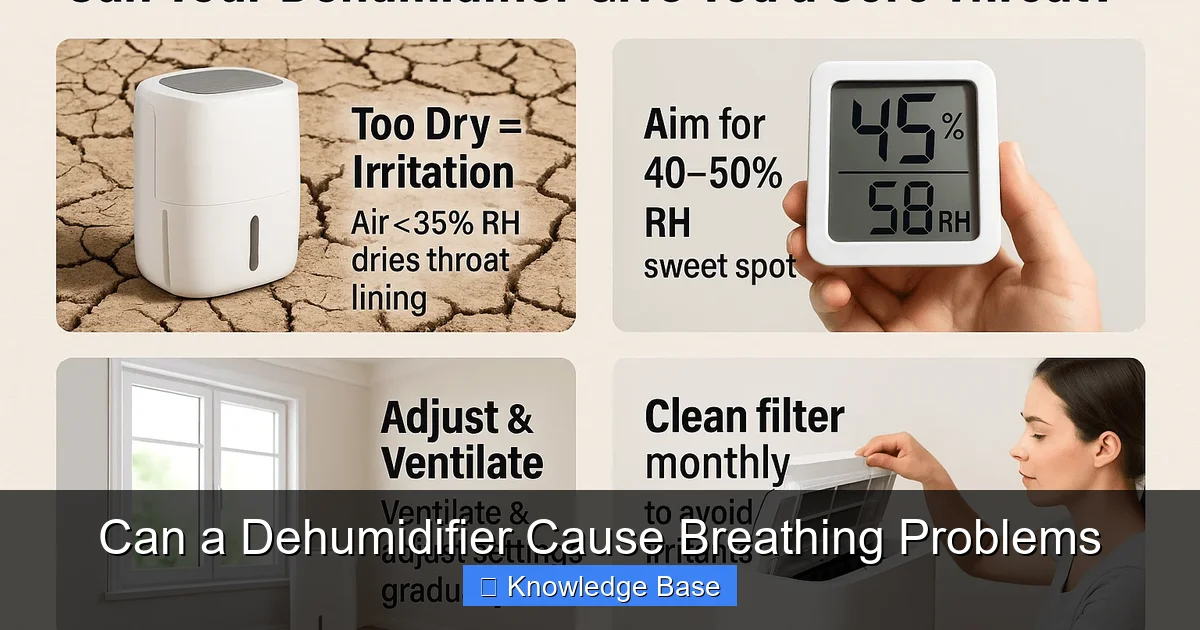
While high humidity is a problem, so is excessively dry air. If a dehumidifier is set too low or runs constantly without monitoring, it can drop indoor humidity below 30%. This can dry out the mucous membranes in your nose and throat, leading to irritation, nosebleeds, or a persistent dry cough.
In some cases, overly dry air can make the airways more sensitive, especially in people with asthma. The airways may react more strongly to other irritants like dust or smoke, leading to increased symptoms.
To prevent this, use a hygrometer (a device that measures humidity) to monitor indoor levels. Aim to keep humidity between 30% and 50%. Many modern dehumidifiers come with built-in humidistats that automatically shut off when the desired level is reached, which helps maintain balance.
3. Placement in the Wrong Environment
Where you place your dehumidifier matters. Putting it in a room that’s already dry—like a heated living room in winter—can lead to over-dehumidification. Similarly, using a large dehumidifier in a small, well-ventilated space can cause the same issue.
Conversely, placing a small dehumidifier in a large, damp basement might not be effective enough, allowing mold to continue growing. In both cases, the result can be poor air quality and potential breathing problems.
Choose the right size dehumidifier for your space (measured in pints per day) and place it in the area with the highest humidity, such as a basement, laundry room, or bathroom.
4. Using a Damaged or Old Unit
Older dehumidifiers or those with damaged components may not operate efficiently. A cracked water tank, a malfunctioning fan, or a clogged coil can reduce performance and increase the risk of contamination.
If your dehumidifier is more than 5–7 years old, consider replacing it with a newer, energy-efficient model. Look for units with automatic shut-off, washable filters, and ENERGY STAR certification for better performance and safety.
How to Use a Dehumidifier Safely and Effectively
Now that we’ve covered the potential risks, let’s talk about how to use a dehumidifier safely to avoid breathing problems and maximize its benefits.
1. Set the Right Humidity Level
The ideal indoor humidity level is between 30% and 50%. Use a hygrometer to check the current level and adjust your dehumidifier accordingly. Most modern units have a built-in humidistat, but it’s still a good idea to double-check with a separate device.
Avoid setting the dehumidifier too low. A setting of 45% is a good starting point for most homes.
2. Clean the Unit Regularly
Cleaning your dehumidifier is one of the most important steps you can take to protect your respiratory health. Here’s a simple maintenance routine:
– **Weekly**: Empty and rinse the water tank with a mixture of water and white vinegar to kill bacteria and prevent mold.
– **Monthly**: Clean or replace the air filter. A clogged filter reduces efficiency and can blow dust back into the room.
– **Seasonally**: Wipe down the coils and interior with a soft cloth to remove dust and debris.
3. Choose the Right Size and Type
Select a dehumidifier based on the size of the room and the level of humidity. For example:
– Small rooms (under 500 sq. ft.): 20–30 pint capacity
– Medium rooms (500–1,500 sq. ft.): 30–50 pint capacity
– Large or very damp areas (over 1,500 sq. ft.): 50+ pint capacity or a whole-house unit
Also, consider features like auto-defrost (for cold environments), quiet operation, and energy efficiency.
4. Combine with Other Air Quality Measures
A dehumidifier works best when paired with other healthy habits:
– Use exhaust fans in bathrooms and kitchens to remove moisture at the source.
– Fix leaks and improve ventilation in damp areas.
– Vacuum regularly with a HEPA-filter vacuum to reduce dust and allergens.
– Consider using an air purifier to remove airborne particles.
5. Monitor for Symptoms
If you or a family member starts experiencing new or worsening breathing problems after using a dehumidifier, it’s time to investigate. Check the unit for signs of mold, clean it thoroughly, and reassess the humidity level. If symptoms persist, consult a healthcare provider to rule out other causes.
When to See a Doctor
While dehumidifiers can improve breathing for many people, they are not a substitute for medical treatment. If you have asthma, allergies, or another respiratory condition, work with your doctor to manage your symptoms.
Seek medical attention if you experience:
– Persistent coughing or wheezing
– Shortness of breath that worsens at home
– Frequent sinus infections or bronchitis
– Symptoms that don’t improve with dehumidifier use
Your doctor may recommend additional treatments, such as inhalers, allergy medications, or immunotherapy, depending on your condition.
Conclusion
So, can a dehumidifier cause breathing problems? The answer is nuanced. When used correctly and maintained properly, dehumidifiers are powerful allies in the fight for better indoor air quality and easier breathing. They reduce mold, dust mites, and excess moisture—all of which can trigger respiratory issues.
However, poor maintenance, overuse, or incorrect placement can turn a helpful appliance into a source of irritation. Dirty filters, stagnant water, and overly dry air can all contribute to breathing difficulties, especially in sensitive individuals.
The key is balance. Keep your dehumidifier clean, monitor humidity levels, and use it as part of a broader strategy for healthy indoor air. With the right approach, you can enjoy the benefits of a dehumidifier without the risks.
Remember: your home should be a place where you breathe easy. A well-maintained dehumidifier can help make that a reality.
Frequently Asked Questions
Can a dehumidifier make allergies worse?
Generally, no—dehumidifiers help reduce allergens like mold and dust mites. However, if the unit is dirty, it can circulate allergens and worsen symptoms.
Is it safe to run a dehumidifier all the time?
It’s safe if the unit has an auto-humidistat and you monitor humidity levels. Running it nonstop in a dry environment can over-dehumidify the air.
Do dehumidifiers remove dust from the air?
No, dehumidifiers only remove moisture. They don’t filter dust or allergens. Use an air purifier for particle removal.
Can a dehumidifier cause dry throat or nosebleeds?
Yes, if it lowers humidity too much. Keeping levels above 30% and using a humidifier in dry climates can prevent this.
Are dehumidifiers noisy?
Most produce a low hum, similar to a refrigerator. Desiccant models are quieter than compressor types.
Do I need a dehumidifier if I have an air purifier?
Yes, if you have high humidity. Air purifiers remove particles but don’t control moisture, so both can work together for better air quality.