
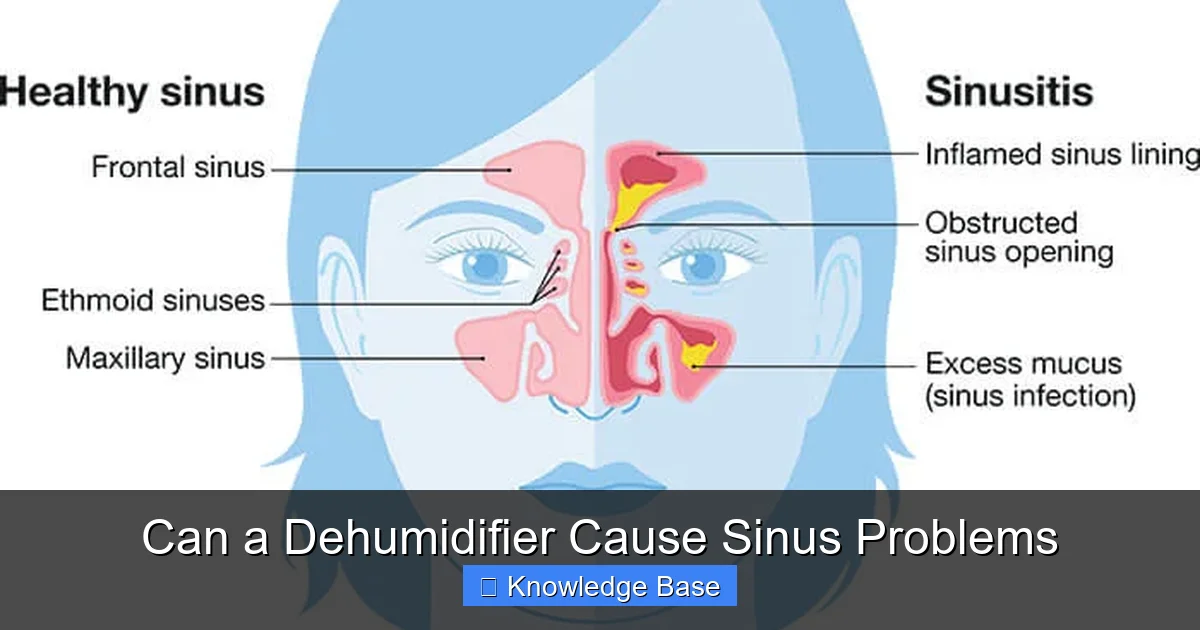
Dehumidifiers are great for reducing moisture and allergens, but improper use can lead to dry air that irritates sinuses. When humidity drops too low, nasal passages lose moisture, causing discomfort, congestion, and even nosebleeds. However, with correct settings and maintenance, dehumidifiers can actually help prevent sinus problems by controlling mold and dust mites.
Key Takeaways
- Dehumidifiers reduce excess moisture that feeds mold, dust mites, and allergens—common triggers for sinus inflammation and infections.
- Over-drying the air can irritate nasal passages, leading to dryness, congestion, and increased sinus discomfort in sensitive individuals.
- Maintaining indoor humidity between 30% and 50% is ideal for sinus health and overall comfort.
- Regular cleaning of the dehumidifier prevents mold and bacteria buildup inside the unit, which can worsen air quality.
- Using a hygrometer helps monitor humidity levels so you can adjust the dehumidifier accordingly.
- Combining a dehumidifier with a humidifier may be necessary in very dry climates or during winter months.
- People with chronic sinus issues should consult a doctor before making major changes to their home environment.
Quick Answers to Common Questions
Can a dehumidifier cause sinus problems?
Yes, if it lowers indoor humidity too much, it can dry out nasal passages and irritate sinuses. However, when used properly, it usually helps prevent sinus issues by reducing mold and allergens.
What humidity level is best for sinus health?
The ideal indoor humidity for sinus health is between 30% and 50%. Levels below 30% can dry out mucous membranes, while levels above 50% promote mold and dust mites.
How often should I clean my dehumidifier?
Clean the water tank weekly and the air filter every 4–6 weeks. Wipe down coils and vents monthly to prevent mold and bacteria buildup.
Should I use a dehumidifier or humidifier for dry sinuses?
If your sinuses are dry due to low humidity, a humidifier is usually better. Use a dehumidifier only if excess moisture is causing mold or allergens.
Can a dirty dehumidifier make sinus problems worse?
Yes. If mold or bacteria grow inside the unit, it can release contaminants into the air, worsening allergies and sinus inflammation.
📑 Table of Contents
Can a Dehumidifier Cause Sinus Problems?
If you’ve ever walked into a damp basement and immediately felt your nose start to itch or your sinuses tighten, you know how powerful moisture can be on your respiratory system. That’s why many people turn to dehumidifiers—to pull excess moisture out of the air and create a more comfortable, healthier living space. These devices are especially popular in humid climates, basements, and homes prone to mold or mildew. But while dehumidifiers are generally helpful, some users report unexpected side effects: dry noses, scratchy throats, and even worsening sinus symptoms.
So, can a dehumidifier cause sinus problems? The short answer is: yes, but only under certain conditions. When used incorrectly or set too aggressively, a dehumidifier can lower indoor humidity to levels that dry out your nasal passages. This dryness can irritate the delicate tissues in your sinuses, leading to congestion, inflammation, and even nosebleeds. However, when used properly, dehumidifiers are more likely to *prevent* sinus issues by reducing allergens like mold and dust mites that thrive in damp environments.
Understanding the balance is key. Your sinuses need a certain level of moisture to function properly. The mucous membranes inside your nose and sinuses act as a natural filter, trapping dust, bacteria, and allergens before they reach your lungs. When the air is too dry, these membranes can become cracked and inflamed, making you more susceptible to infections and irritation. On the other hand, when the air is too humid, it creates a breeding ground for allergens that can trigger sinus inflammation and infections.
In this article, we’ll explore how dehumidifiers affect sinus health, when they might cause problems, and how to use them safely to support—not harm—your respiratory system. Whether you’re dealing with seasonal allergies, chronic sinusitis, or just trying to improve your home’s air quality, this guide will help you make informed decisions.
How Dehumidifiers Work and Their Impact on Indoor Air

Visual guide about Can a Dehumidifier Cause Sinus Problems
Image source: vallablog.com
To understand whether a dehumidifier can cause sinus problems, it helps to first know how these devices work. A dehumidifier pulls in moist air from the room, passes it over cold coils to condense the water vapor into liquid, and then releases drier air back into the space. The collected water is stored in a tank or drained away. This process reduces the overall humidity level in your home.
Humidity refers to the amount of water vapor in the air. Indoor humidity levels can vary widely depending on your climate, season, and household activities like cooking, showering, or drying clothes indoors. The ideal indoor relative humidity (RH) for comfort and health is generally between 30% and 50%. Levels above 60% encourage mold growth and dust mite proliferation, while levels below 30% can dry out skin, eyes, and respiratory tissues.
Dehumidifiers are especially useful in areas with high humidity—like basements, bathrooms, or coastal regions. They help prevent musty odors, peeling paint, and warped wood, all of which are signs of excess moisture. But more importantly for sinus health, they reduce the presence of biological contaminants. Mold spores, for example, can trigger allergic reactions and worsen conditions like asthma and chronic sinusitis. By keeping humidity in check, dehumidifiers create an environment where these allergens can’t thrive.
However, the same mechanism that removes moisture from the air can also remove too much if the device is oversized, overused, or poorly maintained. Imagine running a dehumidifier in a small bedroom 24/7—it might drop the humidity to 20% or lower, creating an overly dry atmosphere. This is where the potential for sinus problems begins.
The Role of Humidity in Sinus Health
Your sinuses are air-filled cavities in your skull, lined with mucous membranes that produce a thin layer of mucus. This mucus traps particles like dust, pollen, and bacteria, and tiny hair-like structures called cilia move it toward the back of your throat, where it’s swallowed or expelled. This system works best when the air you breathe is moderately humid.
When humidity drops too low, the mucous membranes dry out. This can lead to:
– A dry, scratchy nose
– Crusting inside the nostrils
– Increased susceptibility to infections
– Sinus pressure and headaches
– Nosebleeds, especially in children or older adults
Conversely, when humidity is too high, mucus can become thick and stagnant, creating a breeding ground for bacteria and fungi. This can lead to sinus infections (sinusitis), congestion, and post-nasal drip.
So, the goal isn’t to eliminate moisture entirely—it’s to maintain a balanced environment. That’s why simply turning on a dehumidifier without monitoring humidity levels can backfire. It’s not the device itself that causes problems, but how it’s used.
Signs Your Dehumidifier Is Making the Air Too Dry
How can you tell if your dehumidifier is overworking? Here are some common signs:
– Your nose feels dry or irritated, especially when you wake up
– You experience frequent nosebleeds
– Your throat feels scratchy or sore
– Static electricity increases in your home
– Wooden furniture or floors start to crack or shrink
– You notice more dust in the air
If you’re experiencing any of these symptoms, it’s a good idea to check your indoor humidity with a hygrometer—a simple, inexpensive device that measures moisture levels. Most digital thermometers also include a humidity reading.
When Dehumidifiers Can Worsen Sinus Symptoms

Visual guide about Can a Dehumidifier Cause Sinus Problems
Image source: iororwxhqijjlk5q.ldycdn.com
While dehumidifiers are generally beneficial, there are specific situations where they might contribute to sinus discomfort. Understanding these scenarios can help you avoid unintended consequences.
Over-Drying the Air
The most common way a dehumidifier can cause sinus problems is by lowering humidity too much. This often happens when:
– The dehumidifier is too powerful for the space
– It runs continuously without a humidistat or auto-shutoff
– The home is already naturally dry (e.g., desert climates or heated indoor spaces in winter)
For example, imagine you live in Arizona, where outdoor humidity is often below 20%. If you run a dehumidifier in your home during the summer, you might drop indoor humidity to dangerously low levels. The result? Dry sinuses, irritated nasal passages, and increased risk of infection.
Similarly, during winter, indoor heating systems can dry out the air significantly. Adding a dehumidifier on top of that can compound the problem. In such cases, a humidifier might be more appropriate than a dehumidifier.
Poor Maintenance and Mold Growth Inside the Unit
Another way a dehumidifier can contribute to sinus issues is through poor maintenance. If the water tank isn’t emptied regularly, or if the air filter and coils aren’t cleaned, mold and bacteria can grow inside the machine. When the dehumidifier runs, it can then blow these contaminants back into the air, worsening allergies and sinus inflammation.
This is especially true for units with stagnant water tanks. Standing water is a perfect breeding ground for mold, mildew, and bacteria like *Legionella*. Even if the air feels dry, you might be inhaling microscopic spores that irritate your sinuses.
To prevent this, clean your dehumidifier at least once a month. Empty the tank daily if needed, wipe it down with a mild bleach solution, and replace or clean the filter according to the manufacturer’s instructions.
Using the Wrong Type of Dehumidifier
Not all dehumidifiers are created equal. Some are designed for large, damp spaces like basements, while others are better suited for small bedrooms or closets. Using an oversized unit in a small room can lead to rapid humidity drops.
For instance, a 70-pint dehumidifier in a 300-square-foot bedroom might pull moisture out too quickly, creating an overly dry environment. A smaller 30-pint unit with a built-in humidistat would be a better choice, as it can maintain a steady humidity level without overworking.
Additionally, some dehumidifiers use desiccant technology (common in compact models), which can produce slightly warmer, drier air. While effective, these may be more likely to cause dryness in sensitive individuals compared to refrigerant-based models.
Individual Sensitivity and Preexisting Conditions
People with chronic sinusitis, allergies, or asthma may be more sensitive to changes in indoor air quality. Even a small drop in humidity can trigger symptoms in these individuals.
For example, someone with allergic rhinitis might find relief from a dehumidifier that reduces dust mites, but if the air becomes too dry, their nasal passages may become inflamed, leading to congestion and headaches. It’s a delicate balance.
Similarly, people who’ve had sinus surgery or suffer from dry eye syndrome may be more prone to discomfort from low humidity. In these cases, it’s important to monitor symptoms closely and adjust the dehumidifier accordingly.
How to Use a Dehumidifier Safely for Sinus Health
The good news is that you can enjoy the benefits of a dehumidifier without risking sinus problems—by using it wisely. Here are some practical tips to keep your indoor air balanced and your sinuses happy.
Set the Right Humidity Level
Aim to keep indoor humidity between 30% and 50%. This range supports healthy mucous membranes while discouraging mold and dust mites. Most modern dehumidifiers come with a built-in humidistat that lets you set your desired humidity level. If yours doesn’t, consider buying a standalone hygrometer to monitor levels.
For example, in a humid basement, you might set the dehumidifier to 45%. In a dry bedroom during winter, you might turn it off entirely and use a humidifier instead.
Choose the Right Size and Type
Match your dehumidifier to the size and moisture level of the room. A unit that’s too small won’t be effective; one that’s too large can over-dry the air.
Use this general guide:
– Small rooms (under 500 sq ft): 20–30 pint capacity
– Medium rooms (500–1,500 sq ft): 30–50 pint capacity
– Large spaces (over 1,500 sq ft): 50+ pint capacity
Also, consider features like auto-defrost (for cold climates), continuous drainage, and washable filters.
Clean and Maintain Regularly
To prevent mold and bacteria buildup:
– Empty the water tank daily or use a hose for continuous drainage
– Clean the tank weekly with a mixture of water and white vinegar or mild bleach
– Wash or replace the air filter every 4–6 weeks
– Wipe down coils and vents monthly to remove dust
This not only protects your sinuses but also extends the life of your dehumidifier.
Use in Conjunction with Other Air Quality Tools
A dehumidifier works best as part of a comprehensive air quality strategy. Pair it with:
– An air purifier with a HEPA filter to remove allergens
– Regular vacuuming with a HEPA-filter vacuum
– Proper ventilation (e.g., exhaust fans in bathrooms and kitchens)
– Houseplants that naturally regulate humidity (like peace lilies or spider plants)
For example, in a damp basement, use a dehumidifier alongside an air purifier to tackle both moisture and airborne allergens.
Monitor Your Symptoms
Pay attention to how your body responds. If you notice increased dryness, congestion, or nosebleeds after using a dehumidifier, it may be a sign that the air is too dry. Adjust the settings, reduce runtime, or consider adding a humidifier.
Keep a symptom journal if you have chronic sinus issues. Note when symptoms flare up and what the humidity level was at the time. This can help you identify patterns and make informed adjustments.
When to Use a Humidifier Instead
In some cases, a dehumidifier might not be the right tool for the job. If your home is already dry—especially during winter or in arid climates—adding a dehumidifier can make things worse.
Signs you might need a humidifier instead:
– Indoor humidity consistently below 30%
– Frequent nosebleeds or dry skin
– Static shocks when touching doorknobs
– Cracked lips or dry throat upon waking
Humidifiers add moisture to the air, which can soothe dry sinuses and improve breathing. There are several types:
– **Cool mist humidifiers**: Use a fan or ultrasonic vibrations to release mist; safer for children
– **Warm mist humidifiers**: Heat water to create steam; may feel more soothing but pose a burn risk
– **Evaporative humidifiers**: Use a wick and fan to naturally evaporate water; self-regulating
For sinus relief, cool mist humidifiers are often recommended, especially at night. Adding a few drops of eucalyptus or peppermint oil (if safe for you) can also help open nasal passages.
Combining Both Devices
In some homes, the best solution is to use both a dehumidifier and a humidifier—depending on the season or room. For example:
– Use a dehumidifier in the basement during summer
– Use a humidifier in the bedroom during winter
Smart thermostats and whole-home HVAC systems with humidity controls can automate this process, maintaining optimal levels year-round.
Myths and Misconceptions About Dehumidifiers and Sinuses
There’s a lot of misinformation out there about dehumidifiers and their effects on health. Let’s clear up some common myths.
Myth: Dehumidifiers Always Help Sinus Problems
While dehumidifiers can reduce allergens, they’re not a cure-all. If your sinus issues are caused by dry air, pollution, or structural problems (like a deviated septum), a dehumidifier might not help—and could even make things worse.
Myth: All Mold Is Eliminated by Lowering Humidity
Dehumidifiers reduce the *risk* of mold growth, but they don’t remove existing mold. If you already have mold on walls or carpets, you need to clean it properly and fix the source of moisture.
Myth: You Can’t Overuse a Dehumidifier
You absolutely can. Running a dehumidifier nonstop without monitoring humidity can lead to over-drying, which harms sinus health and can damage furniture and flooring.
Myth: Dehumidifiers Clean the Air
Dehumidifiers reduce moisture but don’t filter particles like dust, pollen, or pet dander. For that, you need an air purifier with a HEPA filter.
Conclusion
So, can a dehumidifier cause sinus problems? Yes—but only when used improperly. When set correctly and maintained well, dehumidifiers are powerful tools for improving indoor air quality and reducing allergens that trigger sinus inflammation. The key is balance: keep humidity between 30% and 50%, clean your unit regularly, and monitor how your body responds.
If you’re prone to dry sinuses, consider using a hygrometer to track humidity levels and adjust your dehumidifier accordingly. In very dry environments, a humidifier may be a better choice. And if you have chronic sinus issues, consult a healthcare provider to rule out underlying conditions.
Ultimately, a dehumidifier is not the enemy of sinus health—it’s a valuable ally when used wisely. By understanding how it works and how it affects your body, you can create a home environment that supports clear, comfortable breathing all year long.
Frequently Asked Questions
Can a dehumidifier help with sinus infections?
A dehumidifier can help prevent sinus infections by reducing mold and dust mites, which are common triggers. However, it won’t treat an active infection—medical care is needed for that.
Is it safe to run a dehumidifier all night?
Yes, as long as it has a humidistat and maintains humidity between 30% and 50%. Avoid over-drying the air, which can cause dryness and discomfort.
Why do I get a stuffy nose when using a dehumidifier?
This may happen if the air becomes too dry, irritating your nasal passages. Try lowering the dehumidifier setting or using a humidifier to add moisture.
Do dehumidifiers help with allergies?
Yes, by reducing humidity, they discourage mold, dust mites, and mildew—common allergy triggers. For best results, use with an air purifier.
Can a dehumidifier cause nosebleeds?
Yes, if it dries out the air too much, it can crack the delicate tissues in your nose, leading to nosebleeds, especially in children or dry climates.
What’s the difference between a dehumidifier and an air purifier?
A dehumidifier removes moisture from the air, while an air purifier filters out particles like dust, pollen, and pet dander. They serve different but complementary purposes.