
Yes, a dehumidifier can deliver 15% relative humidity, but it depends on the unit type, environment, and setup. This ultra-low humidity level is essential in specialized settings like museums, labs, or woodworking shops, but may be excessive—and even harmful—for typical homes. Proper equipment and monitoring are key.
Key Takeaways
- Specialized dehumidifiers are required: Standard residential units typically can’t go below 30–40% RH; you’ll need commercial or industrial-grade models for 15% RH.
- Temperature matters: Lower temperatures make it harder to achieve low humidity; most dehumidifiers work best between 65°F and 80°F.
- Sealed environments are essential: To maintain 15% RH, the space must be tightly sealed to prevent moisture from outside air seeping in.
- Desiccant dehumidifiers excel at low humidity: Unlike refrigerant-based models, desiccant units use moisture-absorbing materials and can reach 15% RH efficiently.
- Monitoring is critical: Use a high-precision hygrometer to verify humidity levels and adjust settings accordingly.
- 15% RH isn’t for everyone: While ideal for preservation or manufacturing, this level can cause discomfort, dry skin, and static in homes.
- Energy use increases at lower settings: Pushing a dehumidifier to 15% RH consumes more power and may shorten the unit’s lifespan if not designed for it.
Quick Answers to Common Questions
Can a regular home dehumidifier reach 15% humidity?
No, most residential dehumidifiers can only go down to 30–40% RH. You need a commercial desiccant model for 15%.
Is 15% humidity safe for people?
Not for long-term exposure. It can dry out skin, eyes, and respiratory passages. The ideal range for health is 30–50% RH.
What type of dehumidifier works best for 15% RH?
Desiccant dehumidifiers are best, as they use moisture-absorbing materials and don’t rely on cold coils that frost over.
Do I need to seal the room to maintain 15% humidity?
Yes, airtight sealing is essential. Even small leaks can let in enough moisture to prevent reaching 15% RH.
How often should I check humidity levels?
Daily monitoring is recommended, especially in the beginning. Use a high-accuracy hygrometer and keep a log.
📑 Table of Contents
- Can a Dehumidifier Deliver 15 Relative Humidity?
- Understanding Relative Humidity and Why 15% Matters
- How Dehumidifiers Work: Refrigerant vs. Desiccant
- Challenges in Achieving 15% Relative Humidity
- Choosing the Right Dehumidifier for 15% RH
- Maintaining 15% RH: Best Practices and Tips
- When 15% RH Is Overkill—and When It’s Essential
- Conclusion
Can a Dehumidifier Deliver 15 Relative Humidity?
If you’ve ever wondered whether a dehumidifier can actually drop your indoor humidity all the way down to 15%, you’re not alone. Most people think of dehumidifiers as tools to combat damp basements or musty smells—something that brings humidity down from 70% to a more comfortable 50%. But what if you need it even lower? Maybe you’re storing rare books, working with sensitive electronics, or running a woodworking studio where moisture control is everything. In those cases, 15% relative humidity (RH) isn’t just a nice-to-have—it’s a necessity.
The short answer? Yes, a dehumidifier *can* deliver 15% relative humidity—but not just any dehumidifier will do. It takes the right kind of machine, the right environment, and the right setup. Standard home dehumidifiers, the kind you’d pick up at a big-box store, usually bottom out around 30% to 40% RH. That’s fine for most living spaces, but it’s nowhere near low enough for specialized applications. To hit 15%, you’ll likely need a commercial-grade desiccant dehumidifier, a tightly sealed room, and careful monitoring. And even then, it’s not a set-it-and-forget-it situation.
In this guide, we’ll walk you through everything you need to know about achieving and maintaining 15% relative humidity with a dehumidifier. We’ll cover how dehumidifiers work, why 15% RH is so hard to reach, the types of units that can do it, and the practical steps you can take to make it happen. Whether you’re a conservator, a hobbyist, or just curious about indoor air quality, this article will give you the knowledge you need to make informed decisions.
Understanding Relative Humidity and Why 15% Matters

Visual guide about Can a Dehumidifier Deliver 15 Relative Humidity
Image source: afresherhome.com
Before we dive into whether a dehumidifier can deliver 15% relative humidity, let’s make sure we understand what that number actually means. Relative humidity is the amount of moisture in the air compared to the maximum amount the air can hold at a given temperature. So, 15% RH means the air is holding just 15% of the moisture it could potentially hold at that temperature.
Now, why would anyone want such dry air? For most people, 15% RH would feel extremely uncomfortable—like the inside of a desert cave. But in certain professional and industrial settings, this level of dryness is critical. For example, museums and archives use 15% RH to preserve delicate artifacts, manuscripts, and paintings that can crack, warp, or degrade in higher humidity. Similarly, pharmaceutical labs, semiconductor manufacturing facilities, and high-end woodworking shops rely on ultra-low humidity to prevent moisture-related damage.
Even in homes, there are niche cases where 15% RH might be considered. People with severe mold allergies or certain respiratory conditions might seek extremely dry environments, though this is rare and should be approached with medical guidance. More commonly, someone restoring vintage furniture or storing musical instruments (like violins or guitars) might aim for very low humidity to prevent wood from absorbing moisture and expanding.
But here’s the catch: the lower the humidity, the harder it is to achieve and maintain. Air naturally wants to equalize moisture levels, so unless you’re in a sealed environment, outside humidity will constantly seep in. That’s why achieving 15% RH isn’t just about buying a powerful dehumidifier—it’s about controlling the entire environment.
How Humidity Affects Materials and Health
Different materials react differently to humidity levels. Wood, for instance, expands and contracts with moisture changes. At 15% RH, wood becomes very dry and stable—ideal for preventing warping in fine furniture or musical instruments. But if the humidity drops too low or fluctuates rapidly, wood can crack or split.
Electronics are another concern. While too much humidity can cause corrosion, extremely low humidity increases static electricity, which can damage sensitive components. That’s why cleanrooms and server farms often maintain humidity between 30% and 50%—low enough to prevent moisture damage, but high enough to avoid static buildup.
As for human health, 15% RH is generally too dry for prolonged exposure. It can dry out mucous membranes, leading to nosebleeds, irritated sinuses, and increased susceptibility to respiratory infections. The Environmental Protection Agency (EPA) recommends indoor humidity levels between 30% and 50% for comfort and health. Going below 30% can cause discomfort, and 15% is well outside that safe range for everyday living.
So while 15% RH has its uses, it’s not something you’d want in your living room. It’s a precision tool for specific jobs—not a general comfort setting.
How Dehumidifiers Work: Refrigerant vs. Desiccant
Visual guide about Can a Dehumidifier Deliver 15 Relative Humidity
Image source: thespruce.com
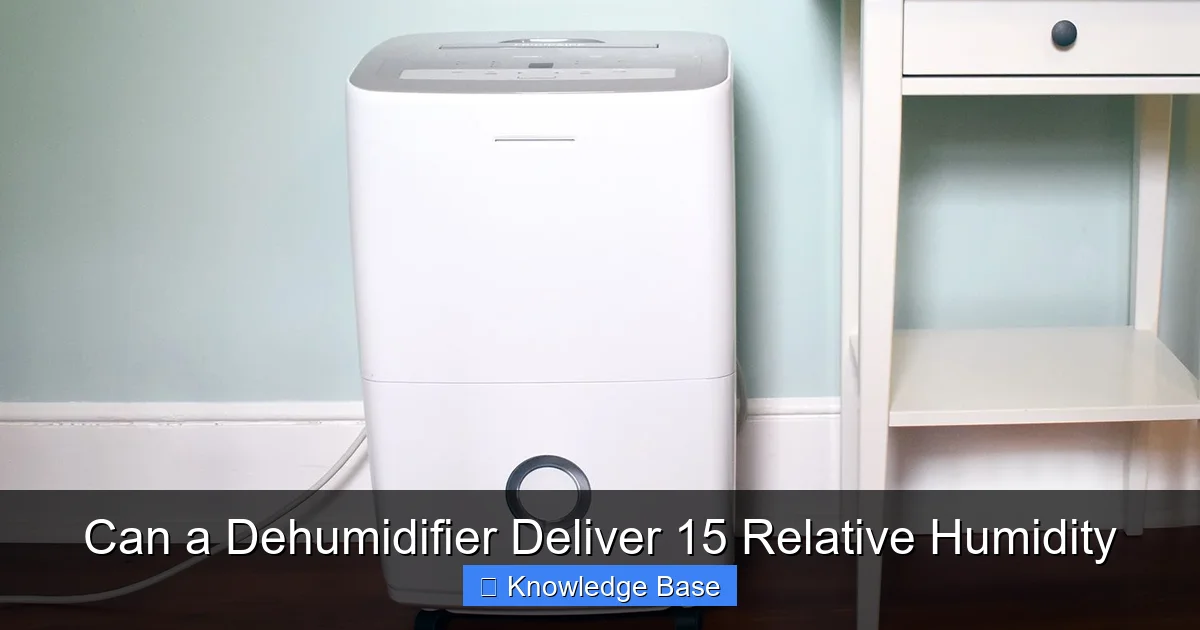
Not all dehumidifiers are created equal—and understanding how they work is key to knowing whether they can reach 15% relative humidity. There are two main types: refrigerant (also called compressor-based) and desiccant dehumidifiers. Each uses a different method to remove moisture from the air, and each has its strengths and limitations.
Refrigerant Dehumidifiers: The Common Choice
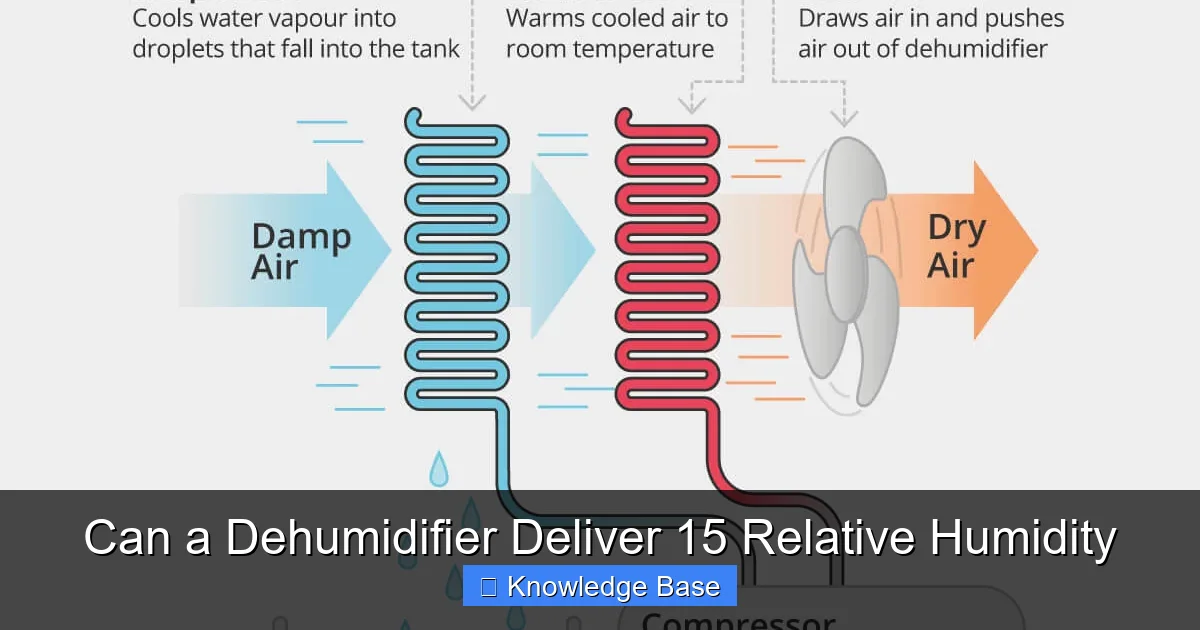
Most home dehumidifiers use refrigerant technology. These units work similarly to air conditioners: they pull in humid air, pass it over cold coils, and condense the moisture into water, which collects in a tank or drains away. The dried air is then reheated and released back into the room.
Refrigerant dehumidifiers are great for typical household use. They’re energy-efficient, affordable, and effective at reducing humidity from high levels (like 70% or 80%) down to around 40% or 50%. But they struggle when the air is already dry. As the air temperature drops or the humidity level falls below 40%, the coils can frost over, reducing efficiency or even shutting the unit down. That’s why most residential models can’t go below 30–40% RH—they simply aren’t designed for it.
Desiccant Dehumidifiers: Built for Low Humidity
Desiccant dehumidifiers, on the other hand, use a moisture-absorbing material—usually silica gel or another desiccant—to pull water vapor directly from the air. The air passes over the desiccant wheel, which traps moisture, and then a separate stream of heated air regenerates the wheel by releasing the collected water into a drain or exhaust.
Because they don’t rely on cooling coils, desiccant dehumidifiers can operate effectively in cold or dry conditions. They’re commonly used in industrial settings, museums, and restoration projects where ultra-low humidity is required. Many commercial desiccant models can reliably achieve 15% RH—or even lower—making them the go-to choice for precision humidity control.
However, desiccant units tend to be larger, more expensive, and less energy-efficient than refrigerant models. They also produce more heat as a byproduct, which can raise the room temperature—something to consider if you’re trying to maintain a cool, dry environment.
Hybrid and Specialized Systems
Some advanced systems combine refrigerant and desiccant technologies to optimize performance across a wide range of conditions. These hybrid units can switch between modes depending on the humidity level, using refrigerant for moderate drying and desiccant for fine-tuning down to very low levels.
Additionally, there are specialized dehumidification systems used in cleanrooms, data centers, and pharmaceutical labs. These often include built-in humidity sensors, automated controls, and integration with HVAC systems to maintain precise conditions 24/7.
So, can a dehumidifier deliver 15% relative humidity? If it’s a standard home unit, probably not. But with a commercial desiccant dehumidifier—or a hybrid system—yes, it’s absolutely possible.
Challenges in Achieving 15% Relative Humidity
Even with the right equipment, hitting 15% RH isn’t easy. Several factors can interfere with your efforts, from environmental conditions to equipment limitations. Let’s break down the biggest challenges you’re likely to face.
Air Leakage and Infiltration
One of the biggest obstacles to maintaining 15% RH is air leakage. Unless your space is tightly sealed, outside air will constantly enter, bringing moisture with it. Even small gaps around doors, windows, or electrical outlets can allow humid air to seep in, making it nearly impossible to keep humidity that low.
To combat this, you’ll need to treat your room like a controlled environment. Use weather stripping on doors and windows, seal cracks with caulk, and consider installing an airlock or vestibule if the space is frequently accessed. In professional settings, rooms may be built with vapor barriers and positive pressure systems to keep outside air out.
Temperature Fluctuations
Temperature and humidity are closely linked. As air cools, its ability to hold moisture decreases, which can cause condensation even if the relative humidity is low. Conversely, warming air can increase the rate of moisture absorption from materials, making it harder to maintain dry conditions.
Most dehumidifiers perform best in temperatures between 65°F and 80°F. Below 60°F, refrigerant units become inefficient, and desiccant units may struggle to regenerate properly. If your space is too cold or too hot, you may need to add heating or cooling to support the dehumidification process.
Moisture Sources Inside the Room
Even in a sealed room, internal moisture sources can sabotage your efforts. People breathing, plants, open water containers, or even certain building materials can release moisture into the air. In a museum, for example, visitors entering the space can introduce significant humidity with each breath and body heat.
To minimize internal sources, limit the number of people in the room, avoid using humidifiers or water features, and choose low-emission materials for furniture and finishes. In some cases, you may need to use air filtration systems to remove moisture-laden air before it circulates.
Equipment Limitations and Maintenance
Not all dehumidifiers are built to run continuously at ultra-low settings. Pushing a unit beyond its design limits can lead to overheating, mechanical failure, or reduced lifespan. Desiccant wheels, for example, need regular cleaning to maintain efficiency, and refrigerant coils must be kept frost-free.
Regular maintenance is essential. Clean filters, check drainage systems, and inspect seals and gaskets for wear. If you’re using a commercial unit, follow the manufacturer’s maintenance schedule and consider professional servicing.
Energy Consumption and Cost
Running a dehumidifier at 15% RH is energy-intensive. Desiccant units, in particular, use significant power to heat the regeneration air. Depending on the size of the space and local electricity rates, this can lead to high operating costs.
To manage energy use, consider using a timer or smart controller that adjusts operation based on real-time humidity readings. Some systems can cycle on only when needed, reducing overall consumption.
Choosing the Right Dehumidifier for 15% RH
If you’ve decided that 15% relative humidity is necessary for your application, the next step is choosing the right equipment. Here’s what to look for when shopping for a dehumidifier capable of reaching such low levels.
Desiccant Technology Is a Must
As mentioned earlier, refrigerant dehumidifiers aren’t up to the task. You’ll need a desiccant model designed for low-humidity environments. Look for units specifically marketed for industrial, archival, or conservation use. These often come with precise humidity controls and can maintain settings as low as 10% RH.
Capacity and Coverage Area
Dehumidifier capacity is usually measured in pints per day—the amount of moisture it can remove in 24 hours. For 15% RH, you’ll need a high-capacity unit, especially if the space is large or has significant moisture infiltration.
Check the manufacturer’s specifications for the unit’s performance at low humidity levels. Some models list capacity at 60% RH and 80°F, which doesn’t reflect real-world low-humidity performance. Look for data at 30% RH or lower to get a true sense of capability.
Precision Controls and Monitoring
To maintain 15% RH, you need precise control. Look for dehumidifiers with digital hygrometers and adjustable humidity settings. Some models allow you to set a target RH and will automatically cycle on and off to maintain it.
Pair the dehumidifier with a standalone high-accuracy hygrometer to verify readings. Cheap hygrometers can be off by 5% or more, which is significant when you’re aiming for 15%. Invest in a calibrated model for reliable data.
Drainage and Power Requirements
Desiccant dehumidifiers often require a continuous drain hose, as they produce water during the regeneration cycle. Make sure you have a nearby drain or condensate pump. Also, check the power requirements—some commercial units need 220V outlets or dedicated circuits.
Noise and Heat Output
Desiccant units can be noisy and generate heat. If the dehumidifier will be used in a workspace or living area, consider noise levels (measured in decibels) and whether the added heat will affect temperature control.
Examples of Suitable Models
While specific models vary by region and availability, some well-known brands in the low-humidity space include:
– **EcoDry**: Offers commercial desiccant dehumidifiers with precision controls and capacities up to 100 pints/day.
– **Dri-Eaz**: Popular in restoration and industrial settings, with models capable of reaching 15% RH.
– **Quest**: Known for high-performance dehumidifiers used in museums and cleanrooms.
– **Bry-Air**: Specializes in desiccant systems for critical environments.
Always consult with a specialist or supplier who understands your specific needs before making a purchase.
Maintaining 15% RH: Best Practices and Tips
Achieving 15% relative humidity is one thing—keeping it there is another. Here are some best practices to help you maintain stable, ultra-low humidity over time.
Seal the Environment
Start by making your space as airtight as possible. Use weather stripping, door sweeps, and sealants to close gaps. Consider using plastic sheeting or vapor barriers for temporary setups.
Monitor Continuously
Install a high-quality hygrometer in the center of the room, away from walls and direct airflow. Check readings daily and log them to spot trends or fluctuations.
Control Access
Limit how often people enter and exit the space. Each opening introduces humid air. If frequent access is needed, use an airlock or double-door system.
Use Backup Systems
For critical applications, consider a backup dehumidifier or power source. A power outage or equipment failure could allow humidity to rise rapidly, damaging sensitive materials.
Regular Maintenance
Clean filters, inspect seals, and service the unit according to the manufacturer’s schedule. A well-maintained dehumidifier performs better and lasts longer.
Avoid Internal Moisture Sources
Remove plants, open water, and other moisture-releasing items. Use low-VOC materials and avoid activities that generate humidity, like cooking or showering nearby.
When 15% RH Is Overkill—and When It’s Essential
While 15% relative humidity has its place, it’s not suitable for every situation. In most homes, aiming for 30–50% RH is healthier, more comfortable, and far easier to maintain. Pushing humidity too low can lead to dry skin, irritated airways, and increased static electricity.
However, in specialized environments, 15% RH is not just beneficial—it’s essential. Museums use it to preserve centuries-old documents. Aerospace manufacturers rely on it to prevent corrosion in sensitive components. And luthiers (stringed instrument makers) use it to stabilize wood for violins and guitars.
The key is to match the humidity level to the need. If you’re storing books or art, 30–40% RH may be sufficient. But for long-term preservation of organic materials or precision manufacturing, 15% RH might be the only way to ensure stability.
Always consult with experts in your field—whether that’s conservation, engineering, or healthcare—before committing to ultra-low humidity. What works in a lab may not work in a home, and vice versa.
Conclusion
So, can a dehumidifier deliver 15% relative humidity? The answer is a qualified yes. With the right equipment—specifically a commercial-grade desiccant dehumidifier—and a tightly controlled environment, achieving 15% RH is not only possible but practical for certain applications.
However, this level of dryness is not for everyone. It requires careful planning, ongoing maintenance, and a clear understanding of why you need such low humidity in the first place. For most people, a standard dehumidifier set to 40–50% RH is more than sufficient for comfort and health.
But if you’re working in a field where precision matters—like conservation, manufacturing, or high-end craftsmanship—then investing in the right dehumidification system can make all the difference. Just remember: it’s not just about the machine. It’s about the environment, the monitoring, and the commitment to maintaining stable conditions over time.
With the right approach, 15% relative humidity isn’t just a number—it’s a tool for preservation, protection, and precision.
Frequently Asked Questions
What is the lowest humidity a dehumidifier can achieve?
Commercial desiccant dehumidifiers can reach as low as 10% RH, but most residential units bottom out around 30–40%.
Can I use a dehumidifier in a cold basement to reach 15% RH?
It’s difficult. Refrigerant units lose efficiency below 60°F, and desiccant models may struggle without proper heating.
Will a dehumidifier at 15% RH increase my electricity bill?
Yes, especially desiccant models, which use more energy to regenerate the moisture-absorbing wheel.
Can I damage my dehumidifier by setting it to 15% RH?
Only if it’s not designed for it. Using a residential unit below its rated range can cause frost, overheating, or failure.
Is 15% humidity necessary for storing wood?
It depends. For fine woodworking or musical instruments, 15% RH can prevent warping, but 30–40% is often sufficient.
How do I know if my hygrometer is accurate?
Test it using the salt test: place it in a sealed container with damp salt for 6–8 hours. It should read 75% RH (±2%).