
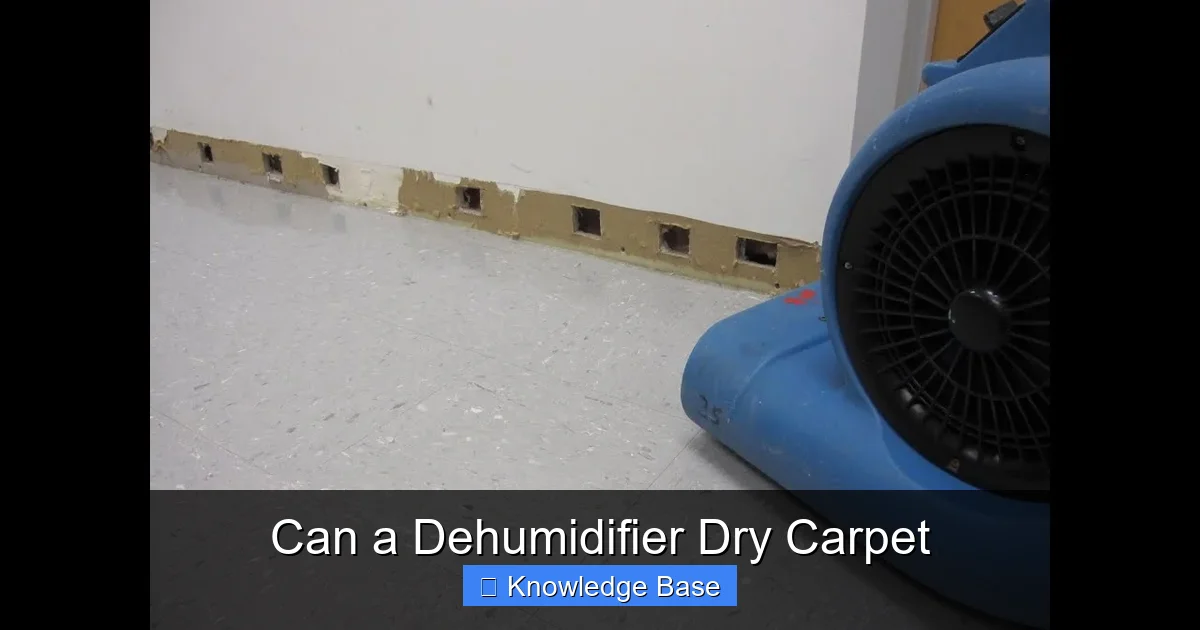
Yes, a dehumidifier can dry carpet, especially when used alongside fans and proper ventilation. It works by pulling moisture from the air, which helps pull dampness out of carpet fibers and padding. However, it’s most effective when combined with other drying methods and used promptly after water exposure.
Key Takeaways
- Dehumidifiers help dry carpets by reducing humidity: They extract moisture from the air, creating an environment where carpet fibers dry faster.
- Speed matters—act quickly: The sooner you start using a dehumidifier after water damage, the better your chances of preventing mold and odors.
- Combine with airflow for best results: Use fans and open windows (if outdoor humidity is low) to boost evaporation and improve dehumidifier efficiency.
- Not all dehumidifiers are equal: Choose a unit with high pint-per-day capacity and low-temperature operation for flooded or deeply soaked carpets.
- Monitor moisture levels: Use a moisture meter to track drying progress and avoid over-drying, which can damage backing materials.
- Professional help may be needed: For large floods, sewage backups, or persistent dampness, consult water restoration experts.
- Prevention is key: Regularly maintain your dehumidifier and address leaks early to protect your carpets long-term.
Quick Answers to Common Questions
Can a dehumidifier dry carpet completely on its own?
No, a dehumidifier works best when combined with fans and airflow. It removes moisture from the air, which helps pull water out of the carpet, but it can’t extract deep moisture alone.
How long does it take to dry carpet with a dehumidifier?
Typically 24–72 hours, depending on the severity of the water damage, room size, humidity levels, and dehumidifier capacity.
Should I lift the carpet when using a dehumidifier?
Yes, if possible. Lifting the carpet allows air to reach the padding and subfloor, speeding up drying and reducing mold risk.
Can I use a regular home dehumidifier for flood damage?
For minor spills, yes. But for major floods, consider a commercial-grade or LGR dehumidifier with higher capacity and better low-temperature performance.
Will a dehumidifier prevent mold on wet carpet?
It significantly reduces the risk by lowering humidity and speeding up drying, but mold can still form if drying is delayed or incomplete.
📑 Table of Contents
- Can a Dehumidifier Dry Carpet? The Short Answer
- How Dehumidifiers Work to Dry Carpets
- When to Use a Dehumidifier for Carpet Drying
- Choosing the Right Dehumidifier for Carpet Drying
- Step-by-Step Guide to Drying Carpet with a Dehumidifier
- Limitations and When to Call a Professional
- Tips to Prevent Future Carpet Moisture Issues
- Conclusion
Can a Dehumidifier Dry Carpet? The Short Answer
If you’ve ever spilled a gallon of water on your living room rug or dealt with a burst pipe under the floor, you’ve probably wondered: *Can a dehumidifier dry carpet?* The short answer is yes—but with some important caveats. A dehumidifier isn’t a magic sponge that sucks water directly out of your carpet fibers. Instead, it works indirectly by lowering the moisture in the surrounding air, which encourages evaporation from wet surfaces, including carpets.
Think of it this way: when your carpet is wet, the water doesn’t just sit there—it slowly evaporates into the air around it. But if the air is already saturated with humidity (like after a rainy day or in a basement), evaporation slows way down. That’s where a dehumidifier steps in. By pulling excess moisture from the air, it creates a drier environment that pulls more water out of your carpet, speeding up the drying process.
However, a dehumidifier alone usually isn’t enough—especially for deep or prolonged water exposure. It works best as part of a team: paired with fans, open windows (when appropriate), and sometimes even carpet lifts or professional equipment. So while a dehumidifier is a powerful tool in your drying arsenal, it’s not a standalone solution for every carpet emergency.
How Dehumidifiers Work to Dry Carpets
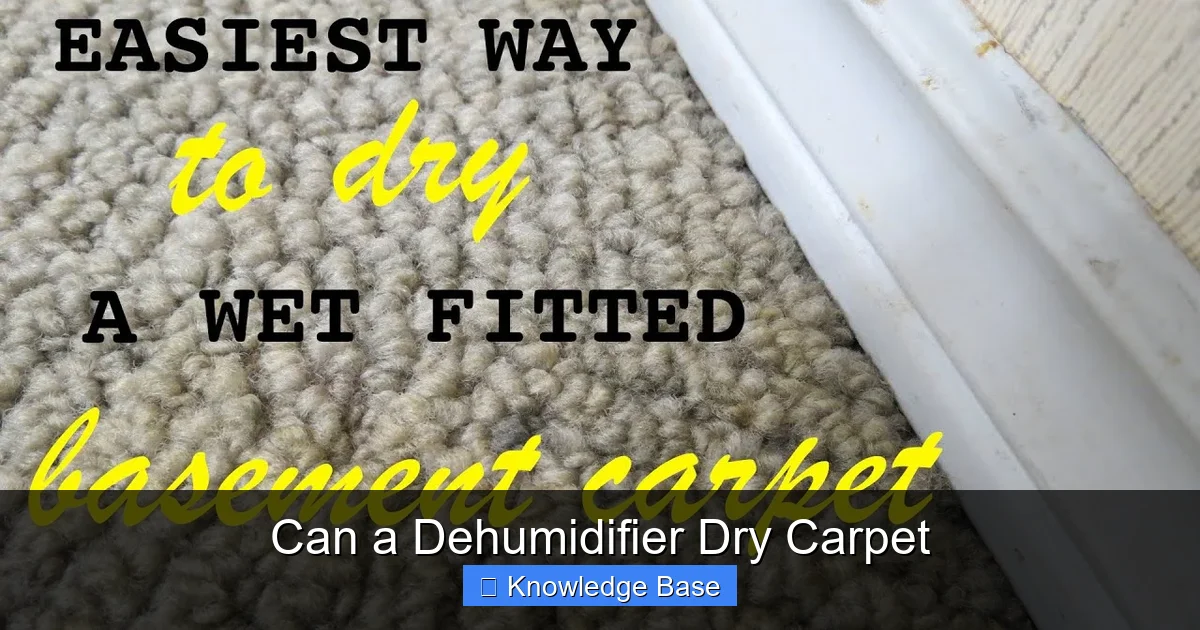
Visual guide about Can a Dehumidifier Dry Carpet
Image source: i.ytimg.com
To understand how a dehumidifier helps dry carpet, it helps to know a little about how these machines function. Most home dehumidifiers use a refrigeration-based system. Here’s the basic process:
Warm, moist air is drawn into the unit by a fan. As the air passes over cold coils inside the dehumidifier, the moisture in the air condenses into water droplets—just like how dew forms on a cold drink can. This collected water drips into a built-in tank or drains out through a hose. The now-drier air is then reheated slightly and blown back into the room.
This cycle continuously lowers the relative humidity in the space. And because dry air has a greater capacity to absorb moisture, it pulls water vapor out of wet materials—including your carpet, padding, and even subfloor.
But here’s the key: the dehumidifier doesn’t “touch” the carpet. It changes the environment around it. The drier the air, the faster your carpet will release its trapped moisture. This is especially important in enclosed spaces like basements or bathrooms, where airflow is limited and humidity tends to linger.
Why Air Drying Isn’t Always Enough
You might think, “Can’t I just open a window and let the carpet air dry?” In some cases, yes—especially for small spills in well-ventilated areas. But air drying has limits. If the outdoor air is humid (like during summer or in tropical climates), opening windows can actually make things worse by bringing in more moisture.
Even in dry conditions, natural evaporation is slow. Carpet padding, which sits beneath the visible fibers, can hold a surprising amount of water. Without active drying, that moisture can linger for days or even weeks, creating the perfect breeding ground for mold, mildew, and musty odors.
That’s why using a dehumidifier—especially one designed for water damage restoration—can cut drying time significantly. In ideal conditions, a powerful dehumidifier can reduce carpet drying time from several days to just 24–48 hours.
The Role of Temperature and Airflow
Temperature plays a big role in how well a dehumidifier dries carpet. Most standard dehumidifiers work best in temperatures above 65°F (18°C). In colder spaces like unheated basements or garages, their efficiency drops because the coils can frost over, reducing performance.
That’s why some professionals use low-grain refrigerant (LGR) dehumidifiers or desiccant dehumidifiers in cold environments. These units are built to extract moisture even when it’s chilly, making them ideal for winter water damage.
Airflow is equally important. A dehumidifier works by circulating air, so if the room is stagnant, moisture gets trapped near the carpet. That’s why experts always recommend using fans to create cross-ventilation. Place box fans or air movers near the wet area to push damp air toward the dehumidifier and help moisture evaporate faster from the carpet surface.
When to Use a Dehumidifier for Carpet Drying
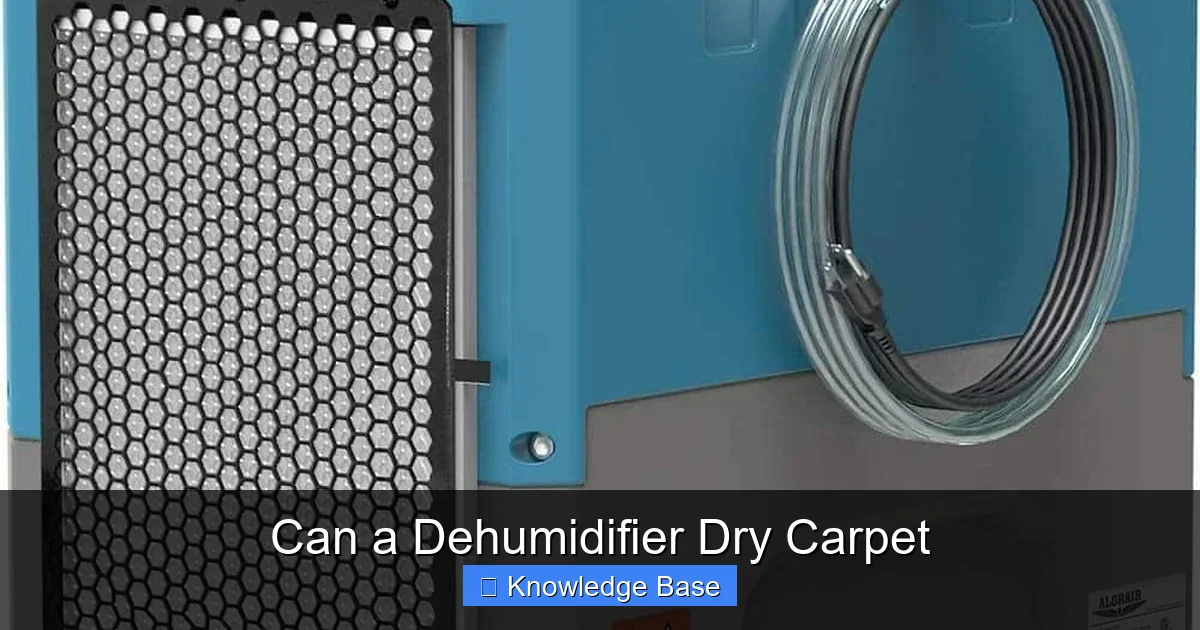
Visual guide about Can a Dehumidifier Dry Carpet
Image source: bestdehumidifier.reviews
Not every wet carpet needs a dehumidifier. For minor spills—like a knocked-over glass of water or a pet accident—blotting with towels and using a fan might be enough. But there are several situations where a dehumidifier is not just helpful, but essential.
After a Flood or Major Water Leak
If your home has experienced flooding from a burst pipe, appliance leak, or storm damage, a dehumidifier is a critical part of the cleanup. Standing water can soak deep into carpet padding and even the subfloor. Without rapid drying, mold can begin growing within 24–48 hours.
In these cases, start by removing as much standing water as possible with a wet/dry vacuum. Then, set up one or more dehumidifiers in the affected area. For large rooms or severe damage, you may need multiple units or a commercial-grade machine.
In High-Humidity Environments
Basements, crawl spaces, and bathrooms are naturally humid. If a carpet gets wet in one of these areas, the surrounding air is already loaded with moisture, slowing evaporation. A dehumidifier helps break this cycle by actively removing humidity, giving your carpet a fighting chance to dry before mold takes hold.
For example, imagine a washing machine overflows in your basement laundry room. Even if you sop up the visible water, the carpet and concrete floor underneath may stay damp for days. Running a dehumidifier 24/7 for a few days can pull that hidden moisture out and prevent long-term damage.
After Carpet Cleaning
Professional carpet cleaning often leaves carpets damp for 6–12 hours. While this is normal, lingering moisture can be a problem in humid climates or poorly ventilated homes. Running a dehumidifier during and after cleaning helps speed up drying and reduces the risk of odors or bacterial growth.
Some homeowners even keep a dehumidifier in their cleaning closet and bring it out after every shampoo or steam clean. It’s a simple step that can extend the life of your carpet and keep it smelling fresh.
Choosing the Right Dehumidifier for Carpet Drying
Not all dehumidifiers are created equal—especially when it comes to drying wet carpets. Here’s what to look for when selecting a unit for water damage recovery.
Capacity (Pints per Day)
Dehumidifiers are rated by how many pints of water they can remove in 24 hours. For carpet drying, you’ll want a unit with a high capacity—ideally 50 pints per day or more. Smaller units (30–40 pints) may work for minor spills, but they’ll struggle with flooded rooms or deeply soaked padding.
For example, a 70-pint dehumidifier can handle a moderately sized living room with soaked carpet, while a 30-pint model might only manage a small bathroom spill.
Low-Temperature Operation
As mentioned earlier, cold environments reduce dehumidifier efficiency. If you’re drying carpet in a basement during winter, look for a unit labeled “low-temperature operation” or “auto-defrost.” These models can continue working even when temperatures dip below 60°F (15°C).
Drainage Options
Most dehumidifiers have a built-in water tank that needs to be emptied regularly. But when drying a carpet, you may run the unit for days. A continuous drainage option—where you attach a hose to drain water directly into a sink, floor drain, or sump pump—is a huge time-saver.
Look for models with a built-in pump or gravity drain hose compatibility. This way, you won’t have to babysit the machine every few hours.
Portability and Noise
Carpet drying often requires moving the dehumidifier between rooms or placing it in tight spaces. Choose a model with sturdy wheels and a compact design. Also, consider noise levels—some units can be quite loud, which might be disruptive if you’re trying to sleep or work nearby.
Energy Efficiency
Since you’ll likely run the dehumidifier continuously for several days, energy use adds up. Look for an ENERGY STAR-certified model, which uses less electricity without sacrificing performance. Over a week of drying, this could save you $10–$20 on your electric bill.
Step-by-Step Guide to Drying Carpet with a Dehumidifier
Now that you know how and why dehumidifiers work, here’s a practical guide to using one effectively after carpet water damage.
Step 1: Act Fast
Time is your enemy when it comes to water damage. The sooner you start drying, the lower your risk of mold, odors, and structural damage. Begin within 2–4 hours if possible.
Step 2: Remove Standing Water
Use a wet/dry vacuum, mop, or towels to remove as much surface water as you can. Don’t skip this step—dehumidifiers work on airborne moisture, not standing pools.
Step 3: Lift the Carpet (If Possible)
If the carpet is heavily soaked, consider lifting a corner to expose the padding. Use carpet lifters or ask a professional for help. This allows air to circulate underneath, speeding up drying.
Step 4: Set Up Fans
Place box fans or air movers on the carpet, pointing across the surface. Create cross-ventilation by opening windows (if outdoor humidity is low) or using exhaust fans.
Step 5: Position the Dehumidifier
Place the dehumidifier in the center of the wet area or near the most saturated section. Make sure it’s on a flat, stable surface and has enough clearance for airflow.
Step 6: Monitor and Maintain
Check the water tank regularly (unless using continuous drainage). Use a moisture meter to test the carpet and padding every 12–24 hours. Drying is complete when moisture levels return to normal (usually below 15–20%).
Step 7: Clean and Sanitize
Once dry, vacuum thoroughly and consider using a carpet sanitizer, especially if the water was dirty (e.g., from a toilet backup or flood). This helps eliminate bacteria and odors.
Limitations and When to Call a Professional
While dehumidifiers are powerful tools, they have limits. Here’s when you should consider calling in the experts.
Severe Water Damage
If more than one room is affected, or if water has seeped into walls, baseboards, or hardwood floors, professional water restoration may be necessary. Experts use industrial dehumidifiers, air movers, and infrared cameras to detect hidden moisture.
Contaminated Water
Water from sewage backups, toilet overflows, or floodwaters contains harmful bacteria and pathogens. In these cases, DIY drying isn’t safe. Professionals have the equipment and training to clean and disinfect properly.
Persistent Odors or Mold
If your carpet still smells musty after drying, or you see visible mold, stop and call a specialist. Mold can grow beneath the surface and pose health risks, especially for children, elderly, or people with allergies.
Old or Delicate Carpets
Antique rugs, wool carpets, or glued-down installations may require special care. Over-drying or improper handling can cause shrinkage, warping, or adhesive failure. A professional can assess the best approach.
Tips to Prevent Future Carpet Moisture Issues
Once your carpet is dry, take steps to avoid repeat problems.
Maintain Your Dehumidifier
Clean the filter monthly and empty the tank regularly. A well-maintained unit works more efficiently and lasts longer.
Use a Hygrometer
Monitor indoor humidity with a hygrometer. Ideal levels are between 30–50%. If humidity creeps up, run your dehumidifier preventively.
Inspect for Leaks
Check under sinks, around appliances, and near windows for signs of leaks. Fix small issues before they become big problems.
Consider a Whole-House Dehumidifier
If you live in a humid climate or have a damp basement, a whole-house unit integrated with your HVAC system can keep humidity in check year-round.
Conclusion
So, can a dehumidifier dry carpet? Absolutely—when used correctly and in the right conditions. It’s not a standalone miracle worker, but it’s a vital part of any water damage recovery plan. By lowering indoor humidity, a dehumidifier creates an environment where carpets dry faster, mold growth is minimized, and odors are prevented.
For best results, pair your dehumidifier with fans, proper ventilation, and quick action. Choose a high-capacity, low-temperature model with continuous drainage for serious drying jobs. And remember: if the damage is extensive or involves contaminated water, don’t hesitate to call in the pros.
With the right tools and know-how, you can save your carpet, protect your home, and breathe easier—literally and figuratively.
Frequently Asked Questions
Can a dehumidifier dry carpet padding?
Yes, but it takes longer since padding holds more water than surface fibers. Lifting the carpet and using fans underneath helps the dehumidifier work more effectively on the padding.
Is it safe to run a dehumidifier 24/7 while drying carpet?
Yes, most modern dehumidifiers are designed for continuous operation. Just ensure proper ventilation and use a model with auto-shutoff or continuous drainage to avoid overflow.
What’s the best type of dehumidifier for drying carpets?
A high-capacity (50+ pints/day), low-temperature dehumidifier with continuous drainage is ideal. Look for ENERGY STAR certification for efficiency.
Can I dry carpet with a dehumidifier in winter?
Yes, but only if the unit has low-temperature operation or auto-defrost. Standard models may freeze and stop working in cold basements or garages.
How do I know when my carpet is fully dry?
Use a moisture meter to test the carpet, padding, and subfloor. Readings should match dry areas of the home, typically below 15–20% moisture content.
Can a dehumidifier remove carpet odors after water damage?
It can help by drying the source of the odor, but persistent smells may require cleaning, sanitizing, or professional odor treatment.