

Yes, a dehumidifier can dry wood, but it’s not always the fastest or most efficient method. It works best in controlled environments for small batches or finishing touches, especially when combined with airflow and monitoring. For large-scale or industrial drying, kilns or professional setups are more reliable.
Key Takeaways
- Dehumidifiers can dry wood slowly and safely: They reduce moisture by pulling humid air from the environment, making them useful for controlled drying in enclosed spaces.
- Not ideal for large or thick lumber: Dehumidifiers lack the power and airflow of kilns, so they’re better suited for small projects or surface drying.
- Proper setup is crucial: Use fans, seal the space, and monitor humidity and moisture content with a hygrometer and moisture meter.
- Prevents mold and warping when done right: Slow, even drying reduces the risk of cracks, splits, and fungal growth compared to air-drying in damp climates.
- Best for finishing touches or small batches: Ideal for drying firewood, woodworking blanks, or restoring damp furniture—not for commercial lumber production.
- Energy use adds up over time: Running a dehumidifier for weeks can increase electricity bills, so weigh cost against benefits.
- Combine with other methods for best results: Pair with fans, heaters (carefully), or solar drying to speed up the process without damaging the wood.
Quick Answers to Common Questions
Can a dehumidifier dry wood completely?
Yes, but it takes time. A dehumidifier can reduce wood moisture to safe levels (6–8% for indoor use, under 20% for firewood) if used correctly in a controlled environment.
How long does it take to dry wood with a dehumidifier?
It depends on wood thickness, species, and initial moisture. Thin pieces may dry in weeks; thick lumber can take months. Monitor with a moisture meter.
Do I need a special dehumidifier for drying wood?
No, but choose one rated for your room size. A 50-pint unit works well for most home setups. Desiccant models are better for cold spaces.
Can I use a dehumidifier in a garage to dry wood?
Yes, if the garage is sealed and insulated. Unheated garages may require a desiccant dehumidifier, as refrigerant models lose efficiency in cold temps.
Will a dehumidifier prevent mold on wet wood?
Yes, by lowering humidity, it slows mold growth. But clean existing mold first and ensure good airflow to fully dry the wood.
📑 Table of Contents
Can a Dehumidifier Dry Wood? A Practical Guide
If you’ve ever dealt with damp wood—whether it’s firewood that won’t catch, warped furniture, or freshly cut lumber—you’ve probably wondered: *Can a dehumidifier dry wood?* It’s a smart question, especially if you already own one of these handy appliances. The short answer is yes, a dehumidifier can help dry wood, but it’s not a magic bullet. How well it works depends on the type of wood, the environment, and how you set things up.
Dehumidifiers are designed to pull moisture from the air, not directly from solid materials like wood. But here’s the key: as the air around the wood becomes drier, it encourages evaporation from the wood’s surface. Over time, this process pulls moisture out of the wood fibers, gradually reducing its moisture content. This makes dehumidifiers a useful tool—especially in humid climates or during rainy seasons when air-drying isn’t effective.
But let’s be realistic. A dehumidifier isn’t a replacement for a kiln or professional drying equipment. It’s slower, less powerful, and best suited for small-scale projects. Think of it as a helper, not a hero. If you’re drying a few pieces of wood for a DIY project, restoring a water-damaged bookshelf, or seasoning a small stack of firewood, a dehumidifier can be a game-changer. But if you’re dealing with thick planks or large quantities, you’ll need more robust solutions.
How Dehumidifiers Work to Dry Wood
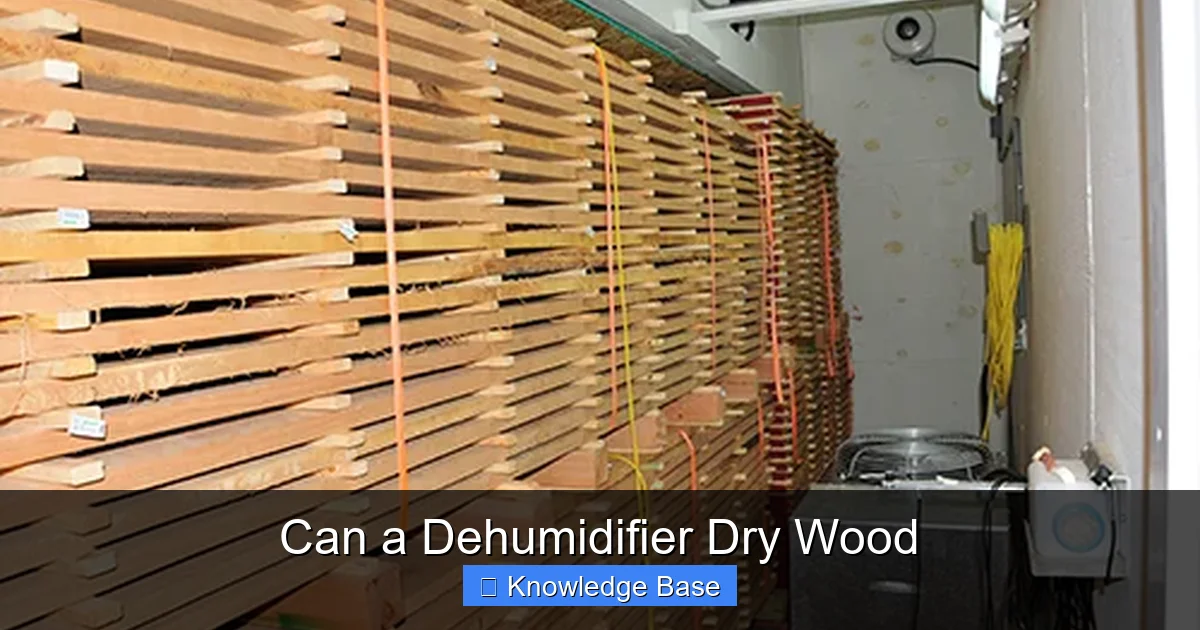
Visual guide about Can a Dehumidifier Dry Wood
Image source: bullvalleyhardwood.com
To understand whether a dehumidifier can dry wood, it helps to know how these machines function. Most home dehumidifiers use a refrigeration-based system. Here’s a simple breakdown:
Cold coils inside the unit cool the incoming air, causing moisture to condense into water droplets. These droplets collect in a reservoir or drain out through a hose. The now-drier air is reheated slightly and blown back into the room. This cycle repeats, gradually lowering the overall humidity.
When wood is placed in a room with a running dehumidifier, the dry air pulls moisture from the wood’s surface through evaporation. As the surface dries, moisture from deeper layers migrates outward—a process called diffusion. Over time, this balances the moisture content throughout the wood.
This method is called “dehumidification drying” and is actually used in some small-scale or DIY kilns. It’s slower than heat-based drying but gentler on the wood, reducing the risk of cracking or warping.
The Science Behind Moisture Movement in Wood
Wood is hygroscopic, meaning it naturally absorbs and releases moisture based on the surrounding air’s humidity. When the air is dry, wood loses moisture. When it’s humid, wood gains moisture. This constant exchange is why wood can swell, shrink, or warp over time.
The ideal moisture content for most indoor wood projects is between 6% and 8%. For firewood, it’s best under 20%. Green or freshly cut wood can have moisture levels above 30%, sometimes even 50% or higher.
A dehumidifier helps by maintaining a consistently low humidity environment—ideally between 30% and 50% relative humidity. This encourages steady, even drying. The slower the process, the less stress the wood experiences, which means fewer cracks and splits.
Why Airflow Matters
Even with a dehumidifier, airflow is essential. Stagnant air slows evaporation. That’s why you should always use fans to circulate air around the wood. Position fans to blow across the surface of the wood, not directly into the dehumidifier (which could overload it).
For best results, stack wood with spacers (like small sticks or dowels) between layers to allow air to flow through. This is especially important for thicker pieces. Without proper airflow, the outer layers may dry too quickly while the inner core remains wet—leading to internal stress and potential damage.
Best Uses for a Dehumidifier When Drying Wood
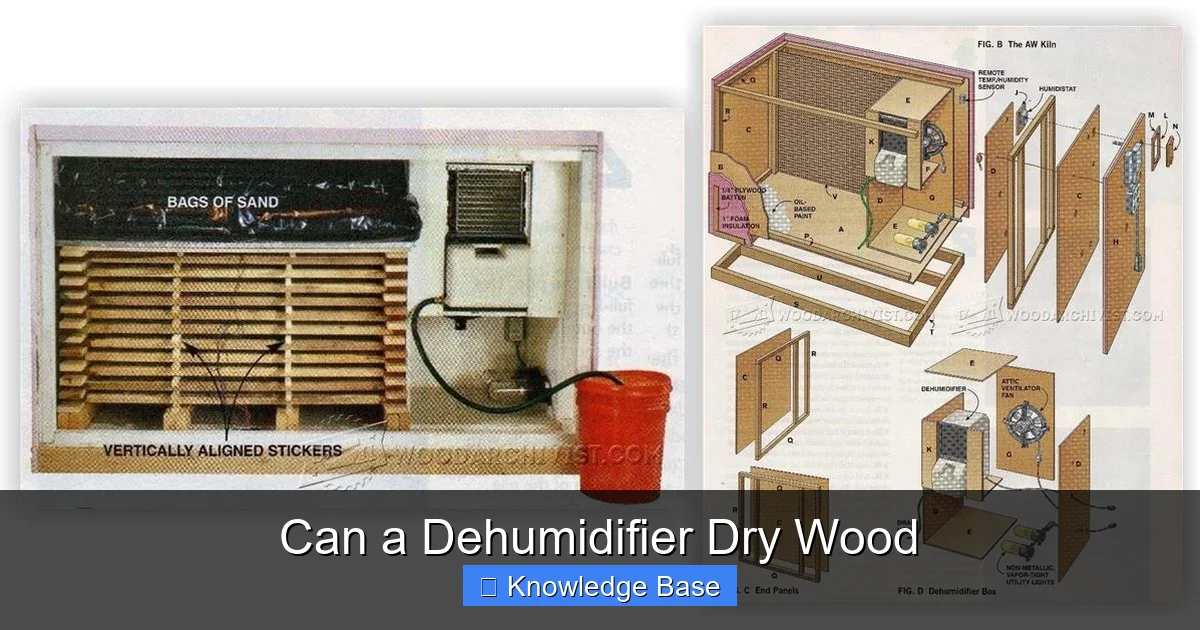
Visual guide about Can a Dehumidifier Dry Wood
Image source: woodarchivist.com
So, when does using a dehumidifier make the most sense? Let’s look at practical scenarios where this method shines.
Drying Firewood in Humid Climates
If you live in a rainy or humid area, air-drying firewood can take months—or even years. A dehumidifier can speed up the process significantly. Place your firewood in a garage, shed, or enclosed porch with a dehumidifier running. Add a fan for circulation, and check moisture levels weekly with a moisture meter.
This method is especially useful for finishing the drying process. Once the wood is mostly dry outdoors, moving it indoors with a dehumidifier can bring it down to the ideal 15–20% moisture content in just a few weeks.
Woodworking Projects and Lumber Blanks
Woodworkers often need small pieces of wood dried quickly for furniture, cabinets, or crafts. A dehumidifier in a sealed workshop or drying box can gently reduce moisture without the risk of overheating or warping.
For example, if you’ve just cut a beautiful slab of walnut for a tabletop, you can place it in a plastic storage bin with a dehumidifier hose running inside (using a sealed port). Add a small fan, and monitor the humidity. This creates a mini-kiln effect, drying the wood evenly over several weeks.
Restoring Water-Damaged Wood
Floods, leaks, or spills can leave wood swollen and at risk of mold. A dehumidifier can help salvage damp furniture, flooring, or structural wood. By lowering the room’s humidity, it pulls moisture out slowly, reducing the chance of further damage.
Important: Remove any standing water first, and clean mold if present. Then, use the dehumidifier with fans to dry the area thoroughly. This method is much safer than using heaters, which can cause rapid drying and cracking.
Seasoning Small Batches of Lumber
If you’re a hobbyist milling your own lumber, a dehumidifier can help season small batches. Stack the wood in a dry, enclosed space with good airflow. Run the dehumidifier continuously and check moisture content regularly.
This approach is far more controlled than outdoor air-drying and avoids exposure to rain, insects, and fungi. It’s not as fast as a commercial kiln, but it’s affordable and effective for personal use.
Limitations and Challenges
While dehumidifiers can dry wood, they’re not perfect. Here are some important limitations to keep in mind.
Speed: It’s a Slow Process
Dehumidifiers are not built for speed. Drying a thick piece of oak from 40% to 8% moisture could take months. Compare that to a kiln, which can do it in days. If you’re on a tight schedule, this method may not work.
Energy Consumption
Running a dehumidifier 24/7 uses electricity. Depending on your unit and local rates, this could cost $20–$50 per month. For long-term drying projects, this adds up. Consider whether the cost is worth the benefit.
Space and Setup Requirements
You need a sealed or semi-sealed space for the dehumidifier to work efficiently. Open garages or sheds with drafts won’t maintain low humidity. A basement, closet, or dedicated drying room works best.
Also, the dehumidifier must be sized correctly. A small 30-pint unit might struggle in a large room. Choose a model rated for the square footage of your drying area.
Risk of Uneven Drying
Without proper airflow and monitoring, some parts of the wood may dry faster than others. This can lead to warping, cupping, or cracking. Always use spacers, rotate pieces if needed, and check moisture levels in multiple spots.
Not Suitable for All Wood Types
Dense hardwoods like maple or hickory dry slower and are more prone to cracking. Softwoods like pine dry faster but can still warp if not handled carefully. Adjust your expectations based on the wood species.
Step-by-Step Guide to Drying Wood with a Dehumidifier
Ready to try it? Here’s a simple, effective method to dry wood using a dehumidifier.
Step 1: Prepare the Space
Choose a dry, enclosed area like a basement, garage, or storage room. Seal windows and doors to minimize outside humidity. If possible, insulate the space to maintain stable conditions.
Step 2: Set Up the Wood
Stack the wood with spacers between each layer. Use flat, stable stickers (like 1×1 pine strips) to allow air circulation. Avoid stacking too high—3 to 4 feet is ideal.
Step 3: Add Air Circulation
Place one or more fans to blow air across the wood. Oscillating fans work well. Avoid pointing fans directly at the dehumidifier intake.
Step 4: Run the Dehumidifier
Set the dehumidifier to maintain 40–50% relative humidity. Use a drain hose if possible to avoid emptying the tank daily. Let it run continuously.
Step 5: Monitor Moisture and Humidity
Use a hygrometer to check room humidity and a moisture meter to test the wood. For firewood, aim for under 20%. For furniture or flooring, aim for 6–8%.
Check the wood weekly. Once the moisture content stabilizes (no change over a week), it’s likely dry.
Step 6: Finish and Store
Once dry, move the wood to a climate-controlled area. Avoid sudden changes in temperature or humidity, which can cause warping.
Tips for Success
– Use a moisture meter: Don’t guess. A $20–$50 meter gives accurate readings and prevents over-drying.
– Seal the room: Weatherstrip doors and cover vents to keep humidity low.
– Clean the dehumidifier regularly: Dirty filters reduce efficiency. Clean every 2–4 weeks.
– Combine with heat (carefully): A space heater can speed drying, but don’t exceed 80°F (27°C) to avoid cracking.
– Label your wood: Note the date and species so you can track progress.
– Be patient: Slow drying is better than fast. Rushing leads to damage.
Alternatives to Dehumidifiers for Drying Wood
While dehumidifiers work, they’re not the only option. Here are some alternatives:
Air-Drying Outdoors
The oldest method. Stack wood under cover, off the ground, with good airflow. Takes 6–12 months but costs nothing. Best for firewood.
Solar Kilns
DIY or commercial solar dryers use sunlight and ventilation to dry wood. Faster than air-drying, more eco-friendly than electric methods.
Conventional Kilns
Used by professionals. Heat, steam, and dehumidification dry wood quickly and evenly. Expensive but highly effective.
Microwave or Oven Drying (Small Pieces Only)
For tiny samples or crafts, you can use a microwave or oven on low heat. Risky—can cause fires or cracks. Not recommended for large pieces.
Desiccant Dehumidifiers
More efficient in cold or low-humidity environments than refrigerant models. Better for unheated spaces like garages.
Conclusion
So, can a dehumidifier dry wood? Absolutely—but with caveats. It’s a slow, gentle method that works best for small projects, humid environments, or finishing touches. It’s not a replacement for kilns or industrial drying, but for DIYers, woodworkers, and homeowners, it’s a practical, affordable tool.
The key to success is patience, proper setup, and monitoring. Use fans, seal the space, and check moisture levels regularly. Combine with other methods when needed, and always prioritize even, stress-free drying.
Whether you’re seasoning firewood, restoring furniture, or preparing lumber for a project, a dehumidifier can be a valuable part of your drying toolkit. Just remember: slow and steady wins the race when it comes to wood.
Frequently Asked Questions
Can I dry firewood with a dehumidifier?
Yes, a dehumidifier can help dry firewood, especially in humid climates. Place the wood in an enclosed space with the dehumidifier and a fan for airflow. It works best for finishing the drying process after initial outdoor seasoning.
Is it safe to run a dehumidifier continuously for weeks?
Yes, most modern dehumidifiers are designed for continuous use. Just empty the tank or use a drain hose, and clean the filter regularly to maintain efficiency.
Can a dehumidifier damage wood by drying it too fast?
No, dehumidifiers dry wood slowly and evenly, which reduces the risk of cracking or warping. The danger comes from rapid drying with heat, not from dehumidification.
Do I need a moisture meter when using a dehumidifier?
Yes, a moisture meter is essential. It tells you when the wood is dry and prevents over-drying. Hygrometers measure air humidity but don’t show wood moisture content.
Can I use a dehumidifier to dry wood in a basement?
Yes, basements are ideal for dehumidifier drying because they’re enclosed and often have stable temperatures. Just ensure good airflow around the wood.
What’s the best humidity level for drying wood?
Aim for 40–50% relative humidity in the drying space. This encourages steady evaporation without overdrying the wood too quickly.