

Yes, a dehumidifier can dry your skin if used improperly or in already dry environments. While dehumidifiers help reduce excess moisture and prevent mold, overuse can strip the air of necessary humidity, leading to dehydrated skin. Learn how to balance indoor humidity for healthier skin.
Key Takeaways
- Dehumidifiers remove moisture from the air: This can reduce humidity levels, which may lead to dry skin if the air becomes too dry.
- Ideal indoor humidity is 30–50%: Staying within this range helps maintain skin hydration and prevents irritation.
- Dry skin results from low humidity, not the dehumidifier itself: The device is a tool—its impact depends on how and where it’s used.
- People with eczema or sensitive skin are more vulnerable: They may experience flare-ups in overly dry conditions.
- Use a hygrometer to monitor humidity: This simple tool helps you adjust your dehumidifier settings for optimal comfort.
- Hydration and moisturizing are essential: Drinking water and applying lotion can counteract dryness caused by low humidity.
- Combine dehumidifiers with humidifiers when needed: In seasonal changes, switching between devices maintains balanced air moisture.
Quick Answers to Common Questions
Can a dehumidifier dry your skin?
Yes, if it lowers indoor humidity below 30%, it can contribute to dry skin by increasing moisture loss from the skin’s surface.
What humidity level is best for skin?
The ideal indoor humidity for skin health is between 30% and 50%. This range helps maintain hydration without promoting mold.
Should I use a dehumidifier in winter?
Only if humidity is high. In winter, indoor air is often dry due to heating, so a humidifier may be more beneficial.
How can I tell if my dehumidifier is making the air too dry?
Use a hygrometer to check humidity levels. If it’s below 30%, or if you experience dry skin, lips, or nosebleeds, the air may be too dry.
Can I use both a dehumidifier and a humidifier?
Yes, depending on the season. Use a dehumidifier in humid months and a humidifier in dry months to maintain balanced indoor air.
📑 Table of Contents
- Understanding How Dehumidifiers Work
- Can a Dehumidifier Actually Dry Your Skin?
- Who Is Most at Risk for Dry Skin from Dehumidifiers?
- How to Prevent Dry Skin When Using a Dehumidifier
- When to Use a Dehumidifier vs. a Humidifier
- Myths and Misconceptions About Dehumidifiers and Skin
- Conclusion: Balance Is Key
Understanding How Dehumidifiers Work
If you’ve ever walked into a damp basement or noticed condensation on your windows, you’ve seen the effects of high humidity. Dehumidifiers are designed to tackle this problem by pulling excess moisture from the air. But how exactly do they work, and could that process affect your skin?
Most dehumidifiers operate using a refrigeration system. A fan draws warm, humid air into the unit. The air passes over cold coils, causing moisture to condense into water droplets, which collect in a built-in tank or drain hose. The drier air is then reheated slightly and released back into the room. This cycle repeats until the desired humidity level is reached.
There are also desiccant dehumidifiers, which use moisture-absorbing materials like silica gel instead of cooling coils. These are often quieter and work better in colder temperatures, making them ideal for garages or unheated spaces.
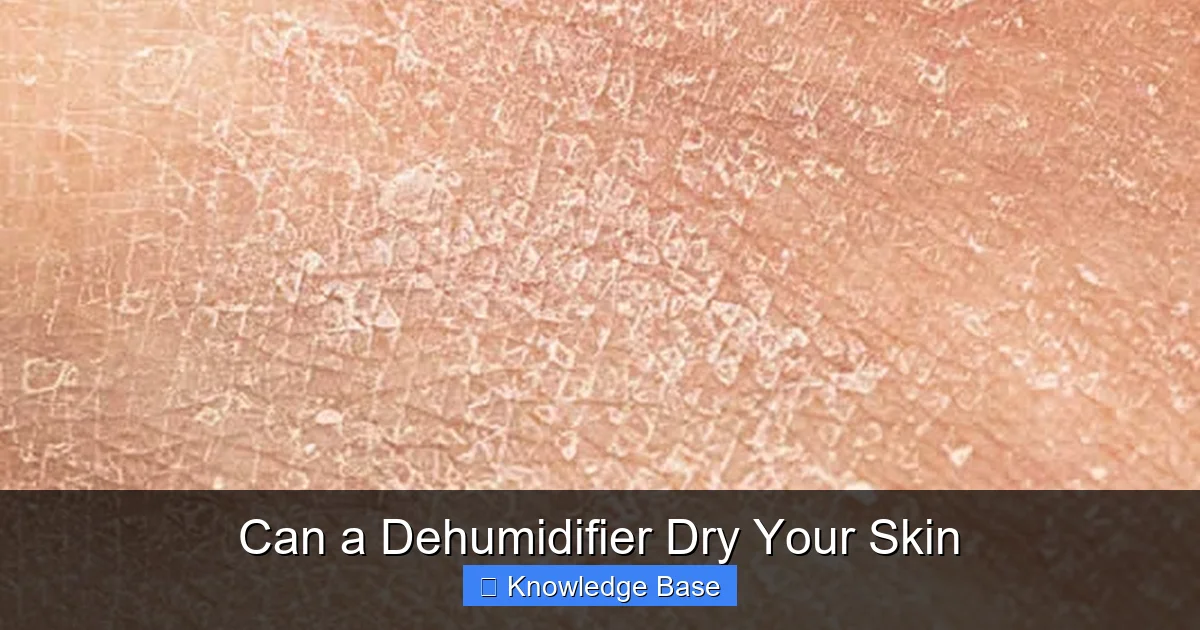
While dehumidifiers are excellent for reducing mold, dust mites, and musty odors, their primary function—removing moisture—can have unintended consequences. If the air becomes too dry, it can pull moisture from your skin, leading to dryness, flaking, and irritation. This is especially true in winter or arid climates where indoor air is already low in humidity.
Why Humidity Matters for Skin Health
Your skin is your body’s largest organ and acts as a barrier against environmental stressors. One of its key jobs is to retain moisture. When the air around you is dry, your skin loses water more quickly through a process called transepidermal water loss (TEWL). This is why your hands might feel tight after washing them in winter or why your face feels itchy in an air-conditioned room.
Humidity plays a crucial role in maintaining this balance. The ideal indoor humidity level for comfort and health is between 30% and 50%. At this range, your skin can retain enough moisture without becoming overly oily or prone to irritation. When humidity drops below 30%, the air becomes dry, and your skin starts to dehydrate. Conversely, when humidity climbs above 60%, it can encourage mold growth and make you feel clammy or sticky.
Dehumidifiers are most beneficial in high-humidity environments—like basements, bathrooms, or humid climates. But if you use one in a space that’s already dry, you risk tipping the balance too far in the opposite direction. Think of it like using a fan in a hot room: it helps when it’s stuffy, but if the room is already cool, it might make you uncomfortable.
Can a Dehumidifier Actually Dry Your Skin?

Visual guide about Can a Dehumidifier Dry Your Skin
Image source: skingroom.com
The short answer is yes—dehumidifiers can contribute to dry skin, but not directly. The device itself doesn’t “attack” your skin. Instead, it changes the environment around you. When a dehumidifier runs continuously or is set too low, it can reduce indoor humidity to levels that promote skin dehydration.
For example, imagine you live in a coastal city where humidity often reaches 70% or higher. You run a dehumidifier in your bedroom to prevent mold and improve sleep quality. That’s a smart move. But if you set the humidity target to 25%, the air becomes too dry. Overnight, your skin loses moisture to the dry air, and you wake up with tight, itchy cheeks or flaky elbows.
This effect is more noticeable in people with naturally dry skin, eczema, psoriasis, or sensitive skin conditions. These individuals already struggle to retain moisture, so even a small drop in humidity can trigger symptoms. A study published in the *Journal of Investigative Dermatology* found that low humidity increases inflammation and impairs the skin barrier in people with atopic dermatitis.
It’s also worth noting that dry air can worsen other skin issues. For instance, cracked lips, nosebleeds, and irritated sinuses are common in low-humidity environments. These are all signs that your body is losing moisture faster than it can replace it.
Real-Life Scenarios Where Dehumidifiers Affect Skin
Let’s look at a few everyday situations where dehumidifiers might impact your skin:
– **Winter in a Humid Home:** You live in a cold climate and use a dehumidifier in your basement to prevent mold. But you also spend a lot of time downstairs working or relaxing. If the dehumidifier runs nonstop, the air becomes dry, and your skin feels tight and itchy after a few hours.
– **Summer in a Coastal Apartment:** High humidity makes your apartment feel sticky and promotes mold growth. You run a dehumidifier in the living room during the day. While this helps with air quality, you notice your hands and arms feel dry by evening—especially if you’re not drinking enough water.
– **Hotel Room with Overactive Dehumidifier:** You’re traveling and staying in a modern hotel with a built-in dehumidifier. The room feels cool and dry, but your skin is flaky by morning. This is a common complaint among frequent travelers, especially in regions with high outdoor humidity but aggressive indoor climate control.
In each case, the dehumidifier isn’t the villain—it’s the imbalance it creates. The key is using it wisely and monitoring the results.
Who Is Most at Risk for Dry Skin from Dehumidifiers?
Visual guide about Can a Dehumidifier Dry Your Skin
Image source: bunny-wp-pullzone-blnbbfabk7.b-cdn.net
Not everyone will experience dry skin from a dehumidifier, but certain groups are more vulnerable. Understanding your risk can help you take preventive steps.
People with Preexisting Skin Conditions
If you have eczema, psoriasis, or rosacea, your skin barrier is already compromised. These conditions make it harder for your skin to retain moisture, so even minor changes in humidity can trigger flare-ups. For example, someone with eczema might notice more redness, itching, or scaling when the air is dry—even if the dehumidifier is only running in another room.
Older Adults
As we age, our skin produces less natural oil and becomes thinner. This makes it more prone to dryness and irritation. Older adults are also more likely to live in climate-controlled environments, where dehumidifiers or air conditioners run frequently. Combined with reduced oil production, this can lead to chronic dry skin.
Children and Infants
Babies and young children have delicate skin that’s more sensitive to environmental changes. Their skin barrier is still developing, so they lose moisture more easily. Parents who use dehumidifiers in nurseries or playrooms should be especially cautious about humidity levels.
People in Dry or Cold Climates
If you live in a desert region or a cold area where indoor heating dries the air, adding a dehumidifier can push humidity too low. In these cases, a humidifier might be more appropriate—or at least necessary to balance the dehumidifier’s effects.
Those Who Spend Long Hours Indoors
Remote workers, students, or anyone who spends most of their day inside are more exposed to the effects of indoor air quality. If your home or office uses a dehumidifier constantly, your skin has less chance to recover from moisture loss.
How to Prevent Dry Skin When Using a Dehumidifier
The good news? You don’t have to give up your dehumidifier to protect your skin. With a few smart strategies, you can enjoy the benefits of reduced humidity without sacrificing skin health.
Monitor Indoor Humidity Levels
The first step is knowing what your indoor humidity actually is. A hygrometer is an inexpensive device (often under $20) that measures humidity. Place one in the room where you use the dehumidifier and check it regularly. Aim to keep humidity between 30% and 50%. If it drops below 30%, consider turning off the dehumidifier or raising the target setting.
Many modern dehumidifiers come with built-in hygrometers and automatic shut-off features. These models adjust their operation based on real-time humidity levels, which helps prevent over-drying.
Use the Dehumidifier Strategically
Instead of running the dehumidifier 24/7, use it only when needed. For example, run it during humid weather, after showering, or when you notice condensation on windows. Turn it off when humidity is already low—especially at night when your skin is more vulnerable to moisture loss.
You can also use timers or smart plugs to control when the dehumidifier operates. Set it to run for a few hours in the morning or evening, rather than continuously.
Hydrate from the Inside Out
Dry skin isn’t just about external factors—it’s also about internal hydration. Drinking enough water helps your skin retain moisture. Aim for at least 8 cups (64 ounces) of water per day, more if you’re active or live in a dry climate.
Foods with high water content—like cucumbers, watermelon, and oranges—can also support skin hydration. Avoid excessive caffeine and alcohol, which can dehydrate your body.
Moisturize Regularly
Applying moisturizer is one of the most effective ways to combat dry skin. Use a fragrance-free, hypoallergenic lotion or cream within three minutes of showering to lock in moisture. Look for ingredients like hyaluronic acid, glycerin, and ceramides, which help repair the skin barrier.
For extra protection, consider using a heavier ointment (like petroleum jelly) on very dry areas, such as elbows, knees, or heels.
Use a Humidifier in Dry Seasons
In winter or dry climates, consider using a humidifier alongside your dehumidifier. This might sound counterintuitive, but it’s about balance. Use the dehumidifier in humid months and switch to a humidifier when the air becomes dry. Some smart HVAC systems even combine both functions automatically.
Protect Your Skin Overnight
Your skin loses the most moisture while you sleep. To minimize this, use a gentle cleanser before bed and apply a rich night cream. You can also place a small humidifier in your bedroom or use a damp towel on a radiator to add moisture to the air.
When to Use a Dehumidifier vs. a Humidifier
Choosing between a dehumidifier and a humidifier depends on your environment and needs. Here’s a quick guide:
– **Use a dehumidifier when:**
– Humidity is above 50%
– You notice mold, mildew, or musty smells
– You live in a humid climate or have a damp basement
– You’re allergic to dust mites or mold
– **Use a humidifier when:**
– Humidity is below 30%
– Your skin, lips, or sinuses feel dry
– You live in a dry or cold climate
– You’re recovering from a cold or respiratory infection
In many homes, both devices are useful at different times of the year. For example, you might use a dehumidifier in summer and a humidifier in winter. The key is monitoring your indoor air and adjusting accordingly.
Myths and Misconceptions About Dehumidifiers and Skin
There are several myths about dehumidifiers and skin health that deserve clarification.
Myth 1: Dehumidifiers Always Dry Out Skin
This isn’t true. Dehumidifiers only dry the air—they don’t directly affect your skin. If humidity stays within the healthy range (30–50%), your skin won’t dry out. The problem arises when humidity drops too low, not from the device itself.
Myth 2: All Dehumidifiers Are the Same
Different models have different capacities and features. A small dehumidifier for a closet won’t affect your whole house, while a whole-home unit can significantly alter indoor humidity. Choose the right size and type for your space.
Myth 3: You Should Run a Dehumidifier All the Time
Overuse is a common mistake. Running a dehumidifier continuously can waste energy and dry out the air. Use it only when needed, and always monitor humidity levels.
Myth 4: Dry Skin Is Only Caused by Low Humidity
While low humidity is a major factor, other causes include harsh soaps, hot showers, aging, and medical conditions. Addressing dry skin often requires a combination of environmental and lifestyle changes.
Conclusion: Balance Is Key
So, can a dehumidifier dry your skin? Yes—but only if it makes the air too dry. When used correctly, dehumidifiers improve air quality, reduce allergens, and prevent mold without harming your skin. The secret is balance.
Keep indoor humidity between 30% and 50%, monitor it with a hygrometer, and adjust your dehumidifier settings accordingly. Stay hydrated, moisturize regularly, and consider using a humidifier in dry seasons. By understanding how humidity affects your skin and using your appliances wisely, you can enjoy a comfortable, healthy home environment year-round.
Your skin is a reflection of your overall health and environment. Treat it with care, and it will thank you—with a soft, smooth, and glowing appearance.
Frequently Asked Questions
Can a dehumidifier cause skin irritation?
Indirectly, yes. If a dehumidifier makes the air too dry, it can lead to dry, itchy, or irritated skin, especially in people with sensitive skin or conditions like eczema.
How often should I run my dehumidifier?
Run it only when humidity is above 50%. Use a hygrometer to monitor levels and avoid overuse, which can dry out the air and affect skin health.
Is it safe to sleep in a room with a dehumidifier?
Yes, as long as humidity stays between 30% and 50%. Avoid setting the dehumidifier too low, as dry nighttime air can dehydrate your skin.
What’s the difference between a dehumidifier and a humidifier?
A dehumidifier removes moisture from the air, while a humidifier adds moisture. Use a dehumidifier in humid conditions and a humidifier in dry conditions.
Can dry air from a dehumidifier cause nosebleeds?
Yes, very dry air can dry out nasal membranes, leading to irritation and nosebleeds. Keeping humidity above 30% helps prevent this.
Should I use a dehumidifier if I have eczema?
Use it cautiously. While dehumidifiers can reduce mold and dust mites (which trigger eczema), overly dry air can worsen symptoms. Monitor humidity and moisturize regularly.