
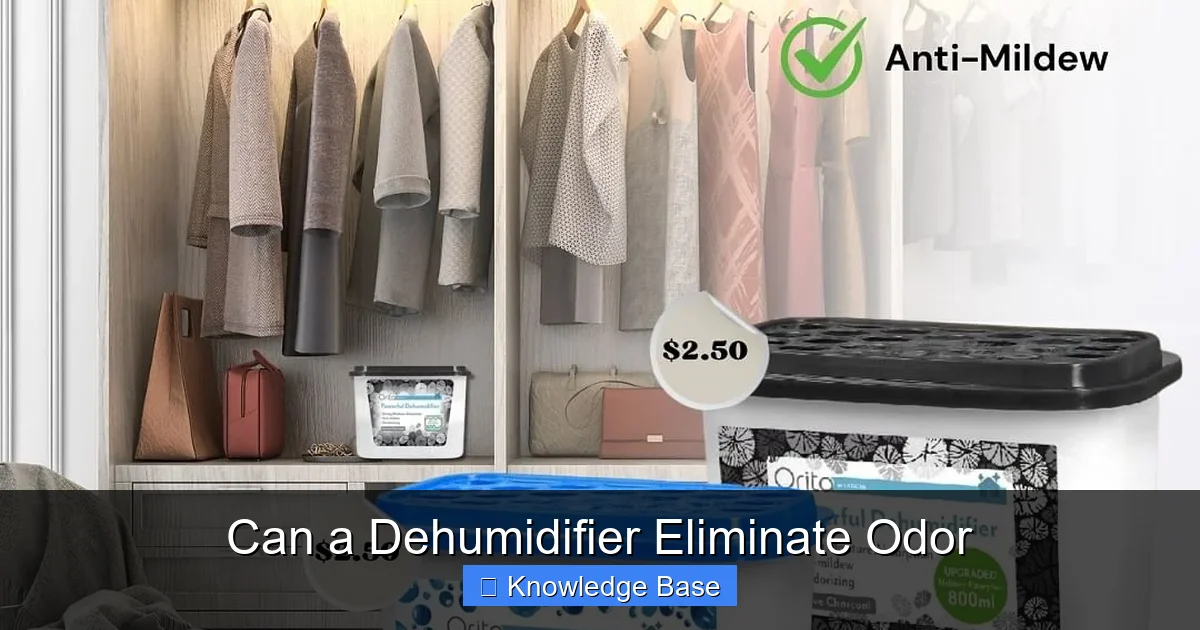
A dehumidifier can effectively eliminate odor by targeting the root cause—excess moisture. By lowering humidity levels, it prevents mold, mildew, and bacteria growth, which are common sources of unpleasant smells. While it won’t remove existing odors alone, it’s a powerful tool in odor prevention and long-term air quality improvement.
Key Takeaways
- Dehumidifiers reduce moisture, not odors directly: They work by pulling excess humidity from the air, which helps prevent the conditions that cause odor-causing mold and mildew.
- Ideal for damp spaces: Basements, bathrooms, laundry rooms, and crawl spaces benefit most from dehumidifiers in odor control.
- Works best with ventilation and cleaning: For lasting odor elimination, combine dehumidifier use with proper airflow and surface cleaning.
- Choose the right size and type: Select a unit with the correct capacity (pints per day) for your room size and humidity level.
- Regular maintenance is key: Clean filters and empty water tanks frequently to ensure optimal performance and prevent musty smells from the unit itself.
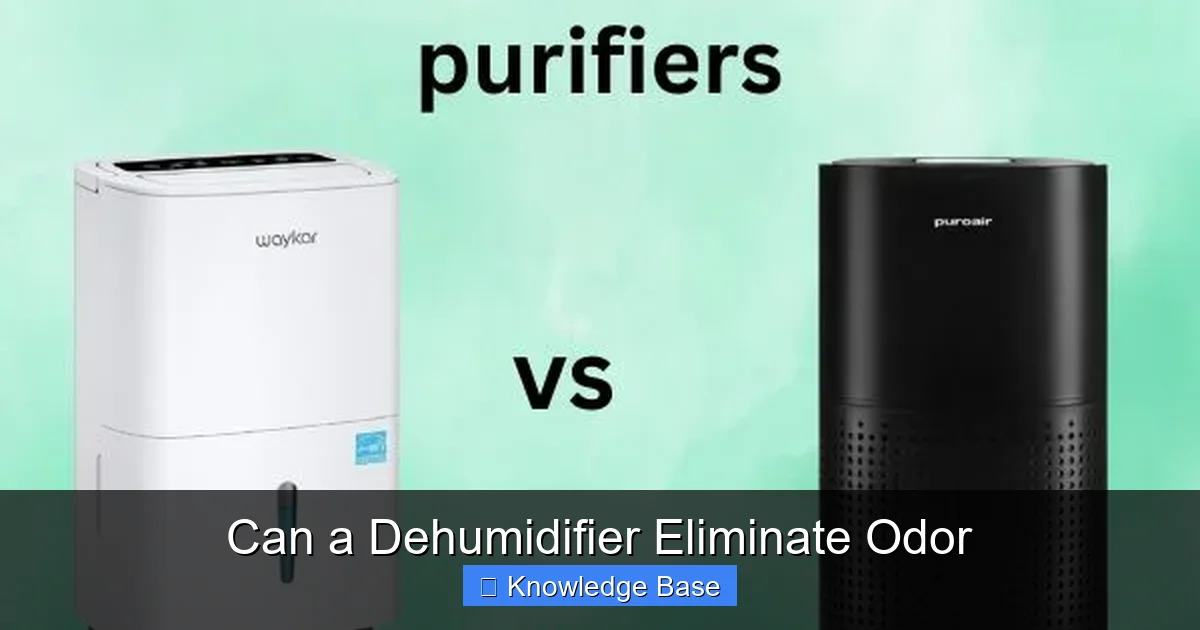
- Not a replacement for air purifiers: While dehumidifiers improve air quality, they don’t filter particles like dust or pet dander—pair with an air purifier for full odor control.
- Energy-efficient models save money: Look for ENERGY STAR-rated dehumidifiers to reduce electricity costs while maintaining a fresh, dry environment.
Quick Answers to Common Questions
Can a dehumidifier remove cigarette smoke odor?
No, a dehumidifier cannot remove cigarette smoke odor. It only reduces moisture and prevents mold-related smells. For smoke, use an air purifier with activated carbon.
How long does it take for a dehumidifier to eliminate odor?
It can take 1–4 weeks to notice a significant reduction in odor, depending on the severity and room size. Consistent use is key.
Should I run my dehumidifier all the time?
Yes, for best results, run it 8–12 hours daily or use the auto-humidistat to maintain 30–50% humidity.
Can a dehumidifier make a room too dry?
Yes, if set too low. Keep humidity above 30% to avoid dry skin, static, or respiratory discomfort.
Do dehumidifiers use a lot of electricity?
It depends on the model. ENERGY STAR-rated units are more efficient and cost less to run.
📑 Table of Contents
- Can a Dehumidifier Eliminate Odor? The Truth Behind the Smell
- How Odors Develop in Humid Environments
- How Dehumidifiers Work to Eliminate Odor
- Best Places to Use a Dehumidifier for Odor Control
- Choosing the Right Dehumidifier for Odor Elimination
- Tips for Maximizing Odor Elimination
- Limitations of Dehumidifiers in Odor Control
- Real-Life Examples: Dehumidifiers in Action
- Conclusion: Yes, a Dehumidifier Can Eliminate Odor—When Used Correctly
Can a Dehumidifier Eliminate Odor? The Truth Behind the Smell
Have you ever walked into a basement or closet and been hit with that unmistakable musty smell? It’s not just unpleasant—it’s a sign of excess moisture and potential mold growth. If you’ve been wondering, “Can a dehumidifier eliminate odor?” you’re not alone. Many homeowners turn to dehumidifiers hoping for a quick fix to lingering smells, especially in damp areas of the house.
The short answer? Yes, a dehumidifier can help eliminate odor—but not in the way you might think. It doesn’t spray fresheners or mask smells with fragrances. Instead, it tackles the root cause: high humidity. By reducing moisture in the air, a dehumidifier creates an environment where odor-causing culprits like mold, mildew, and bacteria can’t thrive. Think of it as cutting off the food supply to the microbes responsible for that damp, earthy stench. Over time, this leads to noticeably fresher, cleaner-smelling air.
How Odors Develop in Humid Environments
To understand how a dehumidifier helps eliminate odor, it’s important to know where bad smells come from in the first place. Most household odors—especially musty, sour, or “old” smells—are caused by microbial growth fueled by moisture. When humidity levels rise above 60%, it creates the perfect breeding ground for mold spores, mildew, and bacteria. These microorganisms release volatile organic compounds (VOCs) as they grow and multiply, and these VOCs are what we perceive as unpleasant odors.
Visual guide about Can a Dehumidifier Eliminate Odor
Image source: bathroomexplorer.com
Mold and Mildew: The Silent Smell Makers
Mold and mildew are fungi that thrive in dark, damp places. They don’t need sunlight to grow—just moisture and organic material (like wood, drywall, or fabric). Once they take hold, they release a distinct earthy or rotten smell. This is especially common in basements, under sinks, or behind washing machines. Even if you can’t see the mold, you might smell it—especially after a rainy season or during humid summer months.
Bacteria and Organic Decay
Bacteria also love moisture. In areas like bathrooms or kitchens, leftover food particles, soap scum, or damp towels can become hotspots for bacterial growth. These bacteria break down organic matter and release foul-smelling gases. For example, the smell of sour milk or rotten eggs often comes from bacterial activity in drains or garbage disposals.
Stagnant Air and Poor Ventilation
High humidity often goes hand-in-hand with poor airflow. When air doesn’t circulate, moisture lingers, and odors become trapped. This is why closets, attics, and windowless bathrooms often smell “stuffy” or “closed-in.” Without fresh air to dilute and carry away odor molecules, the smell intensifies over time.
How Dehumidifiers Work to Eliminate Odor
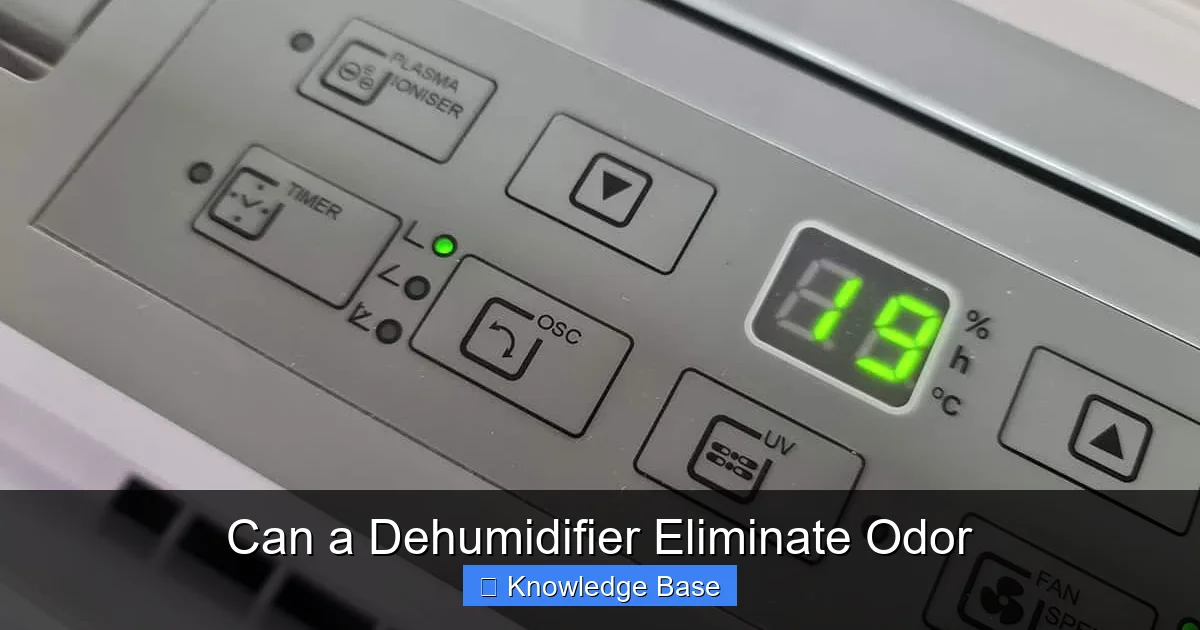
Now that we know where odors come from, let’s look at how a dehumidifier steps in to stop them. A dehumidifier is essentially a moisture removal machine. It pulls in humid air, cools it to condense the water vapor, collects the water in a tank or drains it away, and then releases dry, cooler air back into the room. This process lowers the relative humidity, making the environment less hospitable to mold, mildew, and bacteria.
Visual guide about Can a Dehumidifier Eliminate Odor
Image source: thehumidistat.com
Reducing Humidity to Prevent Microbial Growth
The ideal indoor humidity level is between 30% and 50%. When humidity climbs above 60%, mold and mildew can begin to grow within 24 to 48 hours. A dehumidifier keeps humidity in the safe zone, effectively starving odor-causing organisms. For example, in a basement that consistently reads 70% humidity, running a dehumidifier can drop it to 45%—making it nearly impossible for mold to survive.
Stopping Odor at the Source
Unlike air fresheners that just cover up smells, a dehumidifier prevents odors from forming in the first place. Imagine a damp towel left in a gym bag. Without intervention, it will start to smell sour within a day or two. But if you place that bag in a room with a dehumidifier running, the moisture evaporates faster, and the towel stays fresh. The same principle applies to carpets, walls, and furniture.
Improving Air Circulation and Comfort
Dry air feels cleaner and more comfortable. It also supports better ventilation. When humidity is under control, fans and open windows can more effectively move air and dilute any lingering odors. Plus, lower humidity reduces that “sticky” feeling, making your home feel fresher overall.
Best Places to Use a Dehumidifier for Odor Control
Not every room needs a dehumidifier, but certain areas of the home are prime candidates for odor prevention. These spaces typically have high moisture levels due to water use, poor ventilation, or below-ground placement.
Basements and Crawl Spaces
Basements are notorious for musty smells. They’re often below ground level, poorly insulated, and prone to water seepage. Even minor leaks or condensation can lead to mold growth. A dehumidifier placed in the basement can dramatically reduce humidity and eliminate that damp, earthy odor. For best results, choose a unit with a built-in pump or continuous drainage option so you don’t have to empty the tank daily.
Bathrooms and Laundry Rooms
These rooms generate a lot of steam and moisture. Showers, baths, and washing machines release water vapor into the air. Without proper ventilation, this moisture lingers and promotes mildew on tiles, grout, and shower curtains. A small, portable dehumidifier can help keep these areas dry and odor-free. Run it during and after showers or laundry cycles.
Closets and Storage Areas
Dark, enclosed spaces like closets are perfect for odor buildup. Clothes, shoes, and stored items can absorb moisture and develop a stale smell. A compact dehumidifier or even moisture-absorbing products (like silica gel packs) can help. For larger walk-in closets, consider a small electric dehumidifier with an auto-shutoff feature.
Garages and Workshops
Garages often have temperature fluctuations and poor insulation, leading to condensation on tools, vehicles, and stored items. This can cause rust, mold, and a general “garage smell.” A dehumidifier helps protect your belongings and keeps the space smelling neutral.
Choosing the Right Dehumidifier for Odor Elimination
Not all dehumidifiers are created equal. To effectively eliminate odor, you need the right size, type, and features for your space.
Size Matters: Pints Per Day
Dehumidifiers are rated by how many pints of water they can remove in 24 hours. For small spaces (under 500 sq. ft.), a 20–30 pint unit is usually sufficient. Medium rooms (500–1,500 sq. ft.) may need 30–50 pints, while large basements or whole-house systems require 50+ pints. Check the manufacturer’s recommendations based on room size and humidity level (mild, moderate, or severe).
Desiccant vs. Compressor Models
There are two main types of dehumidifiers: compressor (refrigerant) and desiccant. Compressor models are more common and work best in warm, humid climates. They’re energy-efficient and effective at removing large amounts of moisture. Desiccant dehumidifiers use a moisture-absorbing material and perform better in cooler temperatures, like basements in winter. They’re quieter but may use more energy.
Key Features to Look For
When shopping for a dehumidifier to eliminate odor, consider these features:
- Auto-humidistat: Monitors and maintains your desired humidity level automatically.
- Continuous drainage: Allows you to connect a hose for hands-free water removal.
- Air filter: Captures dust and allergens, improving air quality.
- Auto-restart: Resumes operation after a power outage.
- Energy Star certification: Ensures energy efficiency and lower operating costs.
Tips for Maximizing Odor Elimination
A dehumidifier is a powerful tool, but it works best when paired with good habits and maintenance.
Clean the Source First
Before running a dehumidifier, clean any visible mold or mildew with a mixture of water and vinegar or a commercial mold cleaner. Scrub affected areas thoroughly and let them dry completely. This removes existing odor sources so the dehumidifier can prevent regrowth.
Improve Ventilation
Open windows when weather permits, use exhaust fans in bathrooms and kitchens, and consider installing a whole-house ventilation system. Good airflow helps the dehumidifier work more efficiently and spreads fresh air throughout your home.
Empty and Clean the Water Tank
Stagnant water in the dehumidifier’s tank can become a breeding ground for bacteria and mold, creating a new odor source. Empty the tank daily and clean it weekly with soap and water. Rinse and dry thoroughly before reinserting.
Replace or Clean the Air Filter
Most dehumidifiers have a washable or replaceable air filter. A dirty filter reduces efficiency and can trap odor particles. Clean it every 2–4 weeks, or replace it as recommended by the manufacturer.
Use in Combination with Other Tools
For stubborn odors, pair your dehumidifier with an air purifier (especially one with a HEPA and activated carbon filter). The dehumidifier controls moisture, while the purifier removes airborne particles and neutralizes odors. This combo is ideal for homes with pets, smokers, or strong cooking smells.
Limitations of Dehumidifiers in Odor Control
While dehumidifiers are excellent for preventing odor, they have limits. Understanding these helps set realistic expectations.
They Don’t Remove Existing Odors
A dehumidifier won’t instantly eliminate a strong smell that’s already present. If your basement smells like wet dog or your bathroom reeks of mildew, you’ll need to clean the area first. The dehumidifier prevents the smell from returning but doesn’t erase it overnight.
Not Effective for Chemical or Smoke Odors
Dehumidifiers target moisture-related odors, not chemical fumes or smoke. If you’re dealing with cigarette smoke, paint fumes, or gasoline smells, you’ll need an air purifier with activated carbon filtration.
Requires Consistent Use
Turning a dehumidifier on for a few hours won’t solve a long-term odor problem. It needs to run regularly—ideally 8–12 hours a day—to maintain low humidity and prevent microbial growth.
Real-Life Examples: Dehumidifiers in Action
Let’s look at a few scenarios where dehumidifiers successfully eliminated odor.
Case 1: The Musty Basement
Sarah noticed a strong mildew smell in her basement every spring. She bought a 50-pint dehumidifier with continuous drainage and set it to maintain 45% humidity. Within two weeks, the musty odor faded. After three months, she no longer smelled anything at all—even after heavy rain.
Case 2: The Smelly Laundry Room
Tom’s laundry room always smelled damp, especially after washing loads. He placed a 30-pint dehumidifier near the washer and ran it during and after each cycle. The room stayed dry, and his clothes came out fresher. He also noticed fewer mold spots on the walls.
Case 3: The Stuffy Closet
Linda’s walk-in closet had a stale, “old clothes” smell. She added a small desiccant dehumidifier and left the door slightly ajar for airflow. Within a month, the odor disappeared, and her clothes stayed crisp and clean.
Conclusion: Yes, a Dehumidifier Can Eliminate Odor—When Used Correctly
So, can a dehumidifier eliminate odor? Absolutely—but with an important caveat: it works by preventing the conditions that cause odors, not by masking them. By keeping humidity levels in check, a dehumidifier stops mold, mildew, and bacteria from growing, which are the real culprits behind most household smells. It’s a long-term solution that improves air quality, protects your home, and keeps your space smelling fresh.
For best results, choose the right size dehumidifier for your space, maintain it regularly, and combine it with good cleaning and ventilation practices. While it won’t solve every odor problem on its own, it’s one of the most effective tools in your arsenal for a cleaner, healthier home. Whether you’re battling basement mildew or bathroom mildew, a dehumidifier is a smart, science-backed investment in odor control.
Frequently Asked Questions
Can a dehumidifier get rid of pet odor?
A dehumidifier can help reduce pet odor by controlling moisture that amplifies smells, but it won’t remove urine or dander. Combine it with cleaning and an air purifier for best results.
Will a dehumidifier stop my bathroom from smelling like mildew?
Yes, especially if you run it during and after showers. It reduces humidity that feeds mildew growth on tiles and grout.
Can I use a dehumidifier in winter?
Yes, but compressor models may struggle in cold temperatures. Desiccant dehumidifiers work better in chilly basements or garages.
Do I need a dehumidifier if I have an air purifier?
Yes, if you have high humidity. Air purifiers remove particles but don’t control moisture. Use both for complete odor and air quality control.
How often should I clean my dehumidifier?
Clean the water tank weekly and the air filter every 2–4 weeks to prevent mold and maintain efficiency.
Can a dehumidifier prevent mold on walls?
Yes, by keeping humidity below 60%, it creates an environment where mold cannot grow on walls, ceilings, or furniture.