

A dehumidifier can significantly reduce or eliminate musty smells by removing excess moisture from the air— the main cause of mold, mildew, and odor buildup. While it doesn’t clean surfaces directly, maintaining low humidity (30–50%) prevents future growth and keeps your home smelling fresh.
Key Takeaways
- Dehumidifiers reduce moisture: They pull excess humidity from the air, creating an environment where mold and mildew can’t thrive.
- Musty smells come from dampness: The odor is often caused by mold or mildew growing in hidden, humid areas like basements or closets.
- Prevention is key: A dehumidifier stops new growth but won’t remove existing mold—clean affected areas first.
- Ideal humidity level is 30–50%: Keeping indoor humidity in this range prevents odors and improves air quality.
- Placement matters: Put the dehumidifier in the dampest area and ensure good airflow for best results.
- Regular maintenance is essential: Empty the water tank, clean filters, and check for mold inside the unit.
- Combine with ventilation: Use fans, open windows when possible, and fix leaks to enhance effectiveness.
Quick Answers to Common Questions
Can a dehumidifier completely eliminate musty smells?
A dehumidifier can significantly reduce or eliminate musty smells by lowering humidity, but it works best when combined with cleaning existing mold and fixing moisture sources.
How long does it take for a dehumidifier to remove musty odor?
It can take anywhere from a few days to several weeks, depending on the severity of the moisture problem and the size of the space. Consistent use is key.
Should I run my dehumidifier all the time?
Yes, especially in humid climates or during wet seasons. Once humidity stabilizes, you can use a timer or auto mode to maintain ideal levels.
Can a dehumidifier grow mold inside?
Yes, if not maintained. Clean the tank, filter, and coils regularly to prevent mold buildup inside the unit.
What humidity level prevents musty smells?
Keep indoor humidity between 30% and 50%. Levels above 60% encourage mold and mildew growth.
📑 Table of Contents
- Can a Dehumidifier Get Rid of Musty Smell? The Truth Explained
- What Causes Musty Smells in the First Place?
- How a Dehumidifier Works to Eliminate Musty Odors
- When a Dehumidifier Alone Isn’t Enough
- Choosing the Right Dehumidifier for Musty Smell Removal
- Best Practices for Using a Dehumidifier to Eliminate Odors
- Long-Term Benefits Beyond Odor Control
- Conclusion: Yes, a Dehumidifier Can Help—But Do Your Part
Can a Dehumidifier Get Rid of Musty Smell? The Truth Explained
Have you ever walked into a basement, closet, or bathroom and been hit with that unmistakable damp, earthy odor—the kind that makes you wrinkle your nose and wonder, “What’s growing in here?” That’s the classic musty smell, and it’s more than just unpleasant. It’s a sign of excess moisture, often linked to mold or mildew growth. If you’ve been searching for a solution, you’ve probably asked: Can a dehumidifier get rid of musty smell? The short answer is yes—but with some important caveats.
Dehumidifiers are powerful tools in the fight against indoor humidity. They work by drawing in moist air, removing the water vapor, and releasing drier air back into the room. This process directly targets the root cause of musty odors: high humidity. When the air stays too damp for too long, it creates the perfect breeding ground for mold spores and mildew, which release volatile organic compounds (VOCs) that produce that foul smell. By lowering humidity levels, a dehumidifier makes your home less hospitable to these odor-causing organisms. However, it’s not a magic wand. If mold has already taken hold, you’ll need to clean it first. Think of a dehumidifier as your long-term defense—not a one-time fix.
What Causes Musty Smells in the First Place?
Before we dive into how dehumidifiers help, it’s important to understand what’s behind that lingering damp odor. Musty smells typically arise when moisture lingers in enclosed or poorly ventilated spaces. This can happen in basements, crawl spaces, bathrooms, laundry rooms, or even inside walls and under carpets. The smell isn’t just “damp air”—it’s the scent of microbial growth.

Visual guide about Can a Dehumidifier Get Rid of Musty Smell
Image source: thedehumidifierexperts.com
Mold and Mildew: The Culprits Behind the Odor
Mold and mildew are fungi that thrive in warm, moist environments. They reproduce by releasing tiny spores into the air, which can settle on surfaces and begin growing if conditions are right. Once established, they release musty-smelling compounds as part of their metabolic process. You might not always see the mold—sometimes it’s hidden behind wallpaper, under flooring, or inside HVAC systems—but you’ll definitely smell it.
Common Sources of Excess Moisture
- Poor ventilation: Rooms without windows or exhaust fans trap humid air, especially after showers or cooking.
- Water leaks: A dripping pipe, roof leak, or faulty appliance can introduce hidden moisture.
- High outdoor humidity: In humid climates, moisture naturally seeps into homes, especially in basements.
- Carpeting on concrete: Carpets absorb moisture from concrete slabs, creating a damp environment ideal for mold.
- Overwatered plants: Indoor plants can contribute to humidity if soil stays wet for too long.
Why the Smell Lingers
Even after you wipe down a surface or air out a room, the musty smell can return. That’s because mold spores are microscopic and can embed themselves deep into porous materials like drywall, wood, or fabric. Simply covering the smell with air fresheners or sprays won’t solve the problem—it’s like putting a bandage on a wound that’s still infected. The only way to truly eliminate the odor is to remove the source: excess moisture.
How a Dehumidifier Works to Eliminate Musty Odors
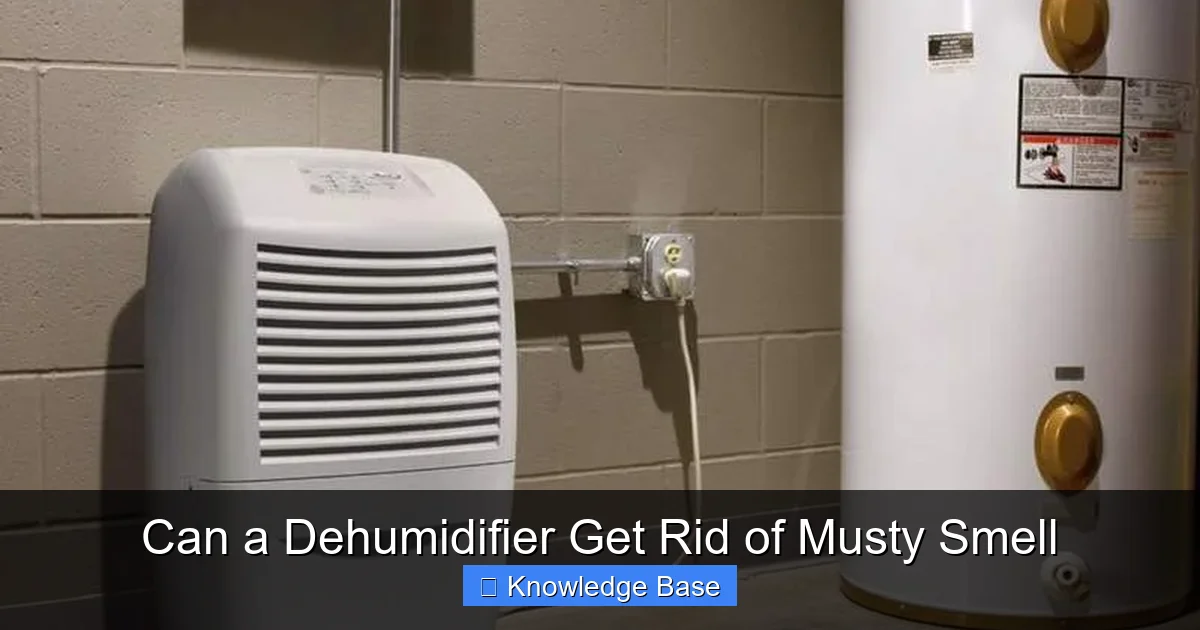
Now that we know musty smells come from moisture-fueled mold and mildew, let’s look at how a dehumidifier tackles the issue at its core. These appliances are designed to regulate indoor humidity by extracting water vapor from the air. There are two main types: refrigerant (compressor-based) and desiccant dehumidifiers. Both work differently but achieve the same goal—drying the air.
Visual guide about Can a Dehumidifier Get Rid of Musty Smell
Image source: bestdehumidifier.reviews
The Science Behind Dehumidification
Refrigerant dehumidifiers—the most common type—use a fan to pull humid air over cold coils. As the air cools, moisture condenses into water droplets, which collect in a tank or drain hose. The drier air is then reheated and released back into the room. Desiccant models, often used in colder climates, use a moisture-absorbing material (like silica gel) to trap water vapor. Both methods reduce the amount of moisture available for mold and mildew to grow.
Breaking the Mold Growth Cycle
Mold needs three things to grow: moisture, warmth, and organic material (like wood, paper, or dust). By removing moisture from the air, a dehumidifier disrupts this cycle. When humidity drops below 60%—and ideally stays between 30% and 50%—mold spores can’t germinate or spread. This not only stops new growth but also helps existing colonies dry out and become inactive. Over time, this reduces the musty odor significantly.
Real-World Example: A Basement Makeover
Imagine a homeowner with a damp basement that smells like wet socks. They run a dehumidifier set to 45% humidity for two weeks. During that time, they also clean visible mold with a bleach solution and fix a small leak in the foundation. After a month, the smell is gone, and the air feels fresher. The dehumidifier didn’t “clean” the mold—but it prevented it from coming back. That’s the power of controlling humidity.
When a Dehumidifier Alone Isn’t Enough
While dehumidifiers are highly effective, they’re not a standalone solution for severe musty odor problems. If mold has already taken hold, you’ll need to take additional steps. A dehumidifier prevents future growth, but it won’t remove existing mold or eliminate deeply embedded odors.
Cleaning Existing Mold and Mildew
Before running a dehumidifier, inspect your space for visible mold. Common spots include corners of walls, under sinks, around windows, and behind furniture. For small areas (less than 10 square feet), you can clean with a mixture of water and detergent or a solution of 1 cup bleach per gallon of water. Always wear gloves, goggles, and a mask. For larger infestations, consider hiring a professional mold remediation service.
Addressing Hidden Moisture Sources
Sometimes, the moisture source isn’t obvious. A slow leak in a pipe, condensation on cold surfaces, or poor drainage around your home’s foundation can all contribute to dampness. Use a moisture meter to check walls and floors. Fix leaks promptly, improve gutter systems, and ensure downspouts direct water away from your home. These steps, combined with a dehumidifier, create a comprehensive moisture control strategy.
Using Air Purifiers and Ventilation
For extra odor-fighting power, pair your dehumidifier with an air purifier equipped with a HEPA filter and activated carbon. HEPA filters capture mold spores, while carbon absorbs odors. Also, improve ventilation by using exhaust fans in bathrooms and kitchens, opening windows when weather permits, and running ceiling fans to circulate air. Good airflow helps the dehumidifier work more efficiently.
Choosing the Right Dehumidifier for Musty Smell Removal
Not all dehumidifiers are created equal. To effectively combat musty odors, you need the right size, type, and features for your space. Here’s what to consider when shopping.
Capacity: Pints per Day
Dehumidifiers are rated by how many pints of moisture they can remove in 24 hours. For a mildly damp basement (500–1,000 sq. ft.), a 30–50 pint unit is usually sufficient. For larger or very wet areas, go for 70+ pints. Check the product’s coverage area and choose one that matches your room size.
Humidity Control and Auto Settings
Look for a model with a built-in humidistat, which lets you set your desired humidity level (aim for 30–50%). Some units have auto-defrost features for cold environments and automatic shut-off when the tank is full. Smart dehumidifiers can even connect to apps, sending alerts when maintenance is needed.
Drainage Options
Most dehumidifiers have a removable water tank, but for continuous operation, choose one with a built-in pump or hose connection. This allows you to drain water directly into a floor drain or sump pump, so you don’t have to empty the tank manually every day.
Energy Efficiency
Dehumidifiers can use a lot of electricity, so look for an ENERGY STAR-certified model. These units remove the same amount of moisture while using less energy, saving you money on utility bills over time.
Best Practices for Using a Dehumidifier to Eliminate Odors
Owning a dehumidifier is one thing—using it effectively is another. Follow these tips to maximize its odor-fighting power.
Placement Matters
Put your dehumidifier in the dampest area of your home, such as a basement, crawl space, or laundry room. Keep it at least 6 inches away from walls to allow proper airflow. Avoid placing it near heat sources or in direct sunlight.
Run It Consistently
For best results, run the dehumidifier continuously until humidity levels stabilize. Once they’re in the ideal range, you can switch to a timer or auto mode. Don’t turn it off during humid seasons—consistency is key to preventing mold.
Maintain Your Unit Regularly
Clean the air filter every 2–4 weeks to ensure efficient operation. Empty the water tank daily if not using a hose. Every few months, wipe down the coils and check for mold inside the unit. A well-maintained dehumidifier works better and lasts longer.
Monitor Humidity Levels
Use a standalone hygrometer to check humidity in different rooms. This helps you adjust the dehumidifier settings and identify problem areas. Remember, even a small increase in humidity can lead to mold growth.
Combine with Other Moisture Control Methods
Use waterproof sealants on basement walls, install vapor barriers in crawl spaces, and avoid drying clothes indoors without ventilation. These small changes, combined with a dehumidifier, create a dry, odor-free environment.
Long-Term Benefits Beyond Odor Control
While eliminating musty smells is a major win, using a dehumidifier offers additional health and home benefits. Lower humidity reduces allergens like dust mites and mold spores, which can trigger asthma and allergies. It also protects your home’s structure—excess moisture can warp wood, damage drywall, and corrode metal. Plus, drier air feels more comfortable, reducing the need for air conditioning in summer.
Over time, a dehumidifier can save you money by preventing costly repairs from water damage and mold remediation. It also helps preserve furniture, books, and clothing, which can degrade in humid conditions. In short, it’s an investment in both your health and your home’s longevity.
Conclusion: Yes, a Dehumidifier Can Help—But Do Your Part
So, can a dehumidifier get rid of musty smell? Absolutely—when used correctly and as part of a broader moisture control strategy. It won’t clean mold or remove deeply embedded odors on its own, but it’s one of the most effective tools for preventing musty smells from forming in the first place. By maintaining indoor humidity between 30% and 50%, you create an environment where mold and mildew can’t survive.
Start by identifying and fixing any sources of moisture, clean existing mold, and choose the right dehumidifier for your space. Run it consistently, maintain it regularly, and pair it with good ventilation and air purification. With these steps, you’ll not only eliminate that lingering damp odor but also enjoy cleaner, healthier air throughout your home. Say goodbye to musty smells—and hello to a fresher, more comfortable living space.
Frequently Asked Questions
Will a dehumidifier remove mold?
A dehumidifier won’t remove existing mold, but it prevents new growth by reducing moisture. You must clean visible mold separately.
Can I use a dehumidifier in a closet to stop musty smells?
Yes, but small closets may need a mini dehumidifier or moisture-absorbing products like silica gel packs for best results.
Do dehumidifiers use a lot of electricity?
They can, but ENERGY STAR models are more efficient. Running them only when needed and maintaining them helps reduce energy use.
Can a dehumidifier help with allergies?
Yes, by reducing mold spores and dust mites, dehumidifiers can improve indoor air quality and ease allergy symptoms.
Is it safe to sleep in a room with a dehumidifier running?
Yes, most modern dehumidifiers are safe to run overnight. Choose a quiet model with auto shut-off for peace of mind.
What’s the difference between a dehumidifier and an air purifier?
A dehumidifier removes moisture; an air purifier filters particles and odors. They work best together for odor and air quality control.