
Yes, a dehumidifier can develop a mildew smell over time—even though it’s designed to reduce moisture and prevent mold. This usually happens when water sits too long in the tank, filters get dirty, or internal parts aren’t cleaned. With regular maintenance, you can stop the odor and keep your dehumidifier working efficiently.
Key Takeaways
- Dehumidifiers can develop mildew smells due to stagnant water, dirty filters, or mold growth inside the unit.
- Regular cleaning is essential—empty the water tank daily and clean it weekly to prevent bacterial and mold buildup.
- Use a vinegar or mild bleach solution to disinfect the tank and internal components safely.
- Replace or clean filters every 1–3 months depending on usage and air quality.
- Ensure proper ventilation around the unit to avoid excess moisture buildup on external surfaces.
- Run the dehumidifier consistently in humid areas like basements to prevent moisture from settling elsewhere.
- If the smell persists after cleaning, inspect internal coils and drainage systems—professional servicing may be needed.
Quick Answers to Common Questions
Can a dehumidifier smell like mildew even if it’s new?
Yes, a new dehumidifier can develop a mildew smell if it’s used in a very humid environment or if the tank isn’t emptied regularly. Even brand-new units can grow mold if water sits too long.
How often should I clean my dehumidifier to prevent mildew smell?
Clean the water tank weekly and the air filter every 1–3 months. Empty the tank daily, especially during humid weather.
Is it safe to use bleach to clean a dehumidifier?
Yes, but only in very diluted form (1 tablespoon per gallon of water). Rinse thoroughly to avoid toxic residues. Vinegar is a safer, natural alternative.
Why does my dehumidifier smell like vinegar?
A vinegar-like smell usually means you’ve recently cleaned it with vinegar. It should fade after a few hours of running. If it persists, rinse the tank again.
Can I prevent mildew smell by using a continuous drain hose?
Yes, a continuous drain hose reduces the need to empty the tank, which helps prevent stagnant water and mold growth. Just make sure the hose is clear and slopes downward.
📑 Table of Contents
Can a Dehumidifier Have Mildew Smell? The Surprising Truth
You bought a dehumidifier to fight humidity, reduce musty odors, and keep your home feeling fresh. So it’s more than a little frustrating when you walk into the room and catch a whiff of… mildew. From the very machine meant to stop it.
Yes, it’s true: a dehumidifier can have a mildew smell. In fact, it’s more common than most people realize. While these appliances are built to pull moisture from the air and inhibit mold growth, they’re not immune to becoming moldy themselves—especially if they’re not properly maintained.
Think of your dehumidifier like a sponge. It soaks up water from the air, collects it in a tank, and helps dry out your space. But if that collected water sits too long, or if dust and spores settle inside, you’ve created the perfect environment for mold and mildew to grow. And once that happens, the very device meant to protect your home can start emitting that unmistakable damp, earthy odor.
The good news? This problem is almost always preventable—and fixable. With a little knowledge and routine care, you can stop the mildew smell at its source and keep your dehumidifier running clean and efficient for years.
Why Does My Dehumidifier Smell Like Mildew?

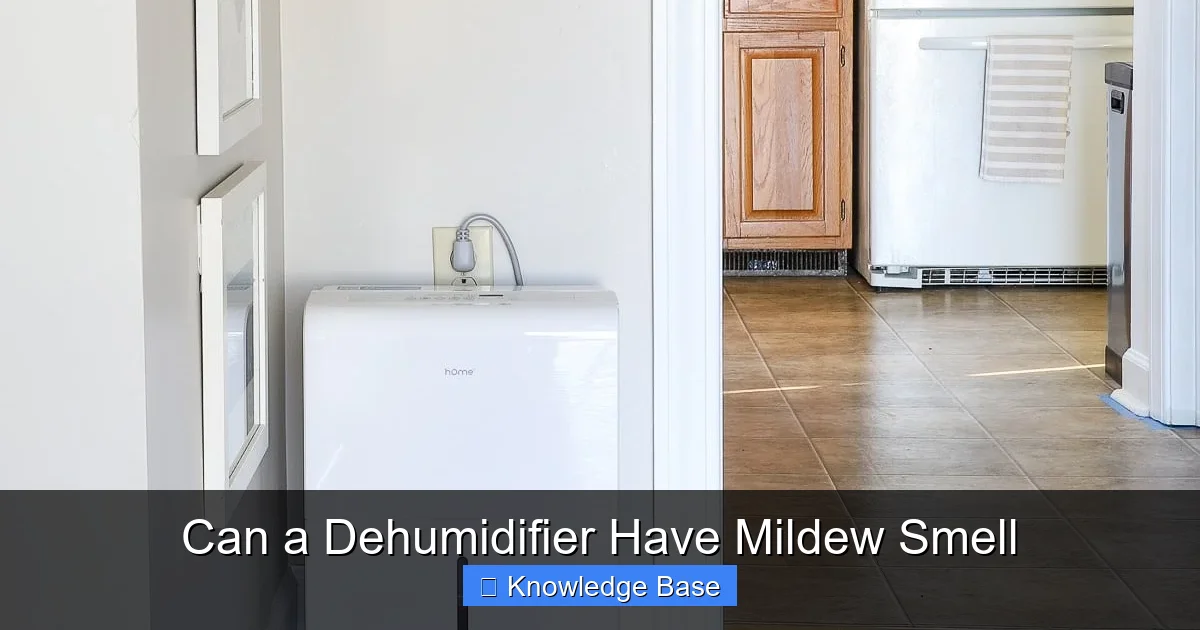
Visual guide about Can a Dehumidifier Have Mildew Smell
Image source: tidyhere.com
So why does a dehumidifier—designed to reduce moisture and prevent mold—end up smelling like the very thing it’s fighting? The answer lies in how these machines work and what happens when they’re neglected.
Most dehumidifiers pull in humid air, pass it over cold coils to condense the moisture, and collect the water in a reservoir or tank. The dried air is then reheated and released back into the room. Sounds simple, right? But each step in this process creates opportunities for mold and bacteria to take hold.
One of the biggest culprits is the water tank. If you don’t empty it regularly, stagnant water becomes a breeding ground for microorganisms. Even a small amount of leftover water can foster mold spores, especially in warm, dark environments. Over time, these spores multiply and release volatile organic compounds (VOCs)—the source of that unpleasant mildew smell.
Another common issue is dirty or clogged filters. Air filters trap dust, pet dander, and other particles. But when they’re not cleaned or replaced, they can become damp and clogged, creating a moist environment where mold thrives. The same goes for the internal coils and drainage systems. If water doesn’t drain properly or if condensation builds up in hidden areas, mold can grow unseen.
Even the type of dehumidifier matters. Refrigerant models (the most common) use cold coils to condense moisture, which can lead to frost buildup in humid conditions. If the unit doesn’t defrost properly, water can pool and stagnate. Desiccant dehumidifiers, while less prone to freezing, still collect moisture and require regular maintenance to avoid odor issues.
In short, a dehumidifier can smell like mildew when moisture, warmth, and organic matter combine inside the unit. It’s not a flaw in the design—it’s a sign that maintenance has been overlooked.
Common Causes of Mildew Smell in Dehumidifiers
Let’s break down the most frequent reasons your dehumidifier might start smelling like a damp basement:
- Stagnant water in the tank: Water left sitting for days or weeks encourages bacterial and mold growth.
- Dirty or clogged air filter: A dirty filter restricts airflow and traps moisture, creating a mold-friendly environment.
- Infrequent cleaning: Without regular cleaning, mineral deposits, slime, and mold can build up inside the unit.
- Improper drainage: If the unit uses a hose for continuous drainage, a clogged or kinked hose can cause water to back up.
- High ambient humidity: Running a dehumidifier in an extremely humid space without proper ventilation can overwhelm the system.
- Using the unit in a dirty or dusty area: Basements, garages, and laundry rooms often have more airborne spores that can settle inside the machine.
Understanding these causes is the first step to solving—and preventing—the mildew smell.
How to Fix a Mildew Smell in Your Dehumidifier
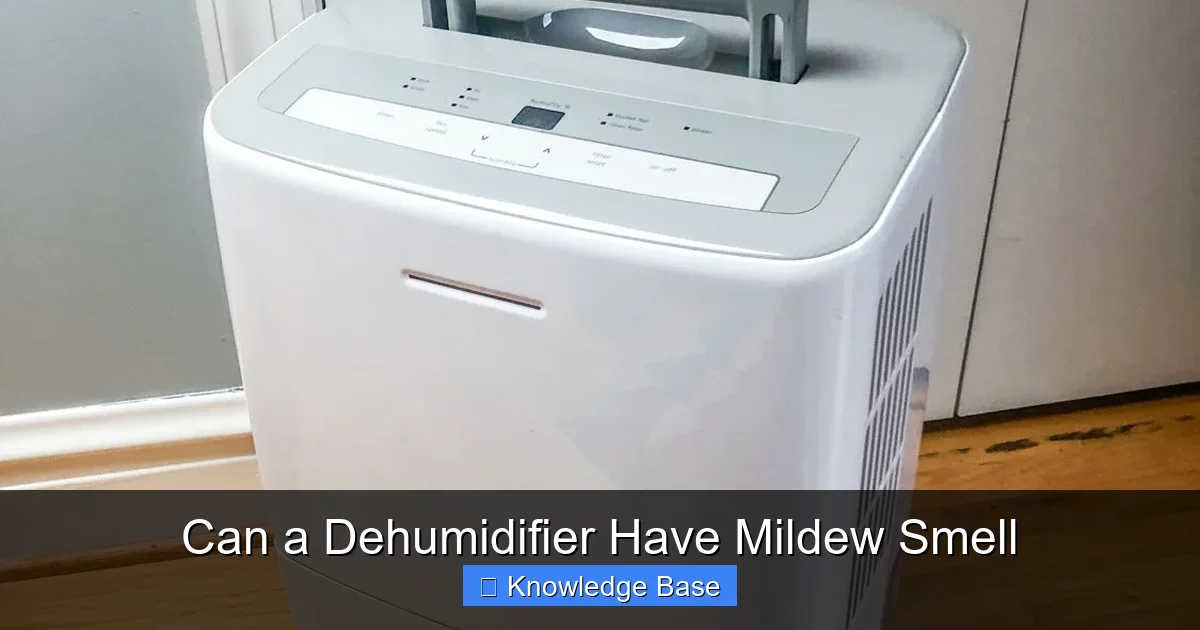
Visual guide about Can a Dehumidifier Have Mildew Smell
Image source: thespruce.com
If your dehumidifier is already emitting a musty odor, don’t panic. Most mildew smells can be eliminated with a thorough cleaning and a few smart habits. Here’s a step-by-step guide to get your unit smelling fresh again.
Step 1: Turn Off and Unplug the Unit
Safety first. Always unplug the dehumidifier before cleaning. This prevents electrical hazards and gives you peace of mind while handling water and cleaning solutions.
Step 2: Empty and Clean the Water Tank
Remove the water collection tank and pour out any remaining water. Rinse it with warm water, then scrub the inside with a mixture of one part white vinegar to one part water. Vinegar is a natural disinfectant that kills mold and mildew without harsh chemicals.
For tougher buildup, let the solution sit for 15–20 minutes before scrubbing with a soft brush or sponge. Pay special attention to corners and the bottom where sludge can accumulate. Rinse thoroughly and let it air dry completely before reinserting.
Avoid using strong bleach or ammonia-based cleaners unless absolutely necessary, as they can leave toxic residues or damage plastic parts. If you do use bleach, dilute it heavily (1 tablespoon per gallon of water) and rinse multiple times.
Step 3: Clean or Replace the Air Filter
Locate the air filter—usually behind a front or side panel. Remove it and check for dirt, dust, or mold. If it’s a washable filter, rinse it under warm water and let it dry completely. If it’s a disposable filter, replace it with a new one.
A clean filter improves airflow, reduces strain on the unit, and prevents mold from spreading through the system. Aim to clean or replace the filter every 1–3 months, depending on usage and air quality.
Step 4: Wipe Down the Interior and Coils
Use a soft, damp cloth to wipe down the interior surfaces of the dehumidifier. For the evaporator and condenser coils (usually accessible after removing the front panel), use a coil cleaner spray or a mixture of water and mild detergent. Gently brush away dust and debris with a soft brush.
Be careful not to bend the delicate fins on the coils. If you’re unsure how to access these parts, consult your user manual or look up a video guide for your model.
Step 5: Check the Drainage System
If your dehumidifier has a continuous drainage hose, inspect it for clogs or kinks. Flush the hose with water to ensure it’s clear. Also, check the drain pan (if present) for standing water or residue.
Some models have an internal pump for drainage. If yours does, make sure the pump is clean and functioning properly. A malfunctioning pump can lead to water buildup and odor.
Step 6: Run a Cleaning Cycle (If Available)
Some newer dehumidifiers come with a “clean” or “sanitize” mode. If yours has this feature, run it after cleaning to help eliminate any remaining bacteria or mold spores.
Alternatively, you can run the unit with a cup of white vinegar placed in the tank (without water) to help deodorize the internal components. Let it run for 30–60 minutes, then empty and rinse.
Step 7: Let It Dry Completely Before Reusing
Before plugging the dehumidifier back in, make sure all parts are completely dry. Moisture left inside can restart the mold cycle. Let the unit sit open in a well-ventilated area for a few hours.
Once dry, reassemble the unit, plug it in, and run a test cycle. If the mildew smell is gone, you’re good to go. If it returns quickly, there may be a deeper issue—like mold growing in hidden areas or a faulty component.
Preventing Mildew Smell: Best Practices for Long-Term Care
Fixing a mildew smell is one thing—keeping it from coming back is another. The key to a fresh-smelling dehumidifier is consistent maintenance. Here are some best practices to follow.
Empty the Tank Daily
Make it a habit to empty the water tank every day, especially during humid seasons. Even if it’s not full, residual water can stagnate and breed mold. If you’re using a continuous drain hose, ensure it’s properly installed and unobstructed.
Clean the Tank Weekly
Once a week, give the water tank a thorough cleaning with vinegar or a mild disinfectant. This prevents biofilm and slime from forming. If you notice a slimy texture or cloudiness, it’s time for a deep clean.
Clean or Replace Filters Regularly
Check the air filter every two weeks and clean or replace it as needed. In dusty environments or during allergy season, you may need to do this more often.
Use a Dehumidifier with Auto-Shutoff and Alerts
Modern dehumidifiers often come with features like auto-shutoff when the tank is full, filter change reminders, and humidity level indicators. These help prevent overflows and remind you when maintenance is due.
Keep the Unit in a Well-Ventilated Area
Place your dehumidifier away from walls and furniture to allow proper airflow. Avoid running it in enclosed spaces without ventilation, as this can cause condensation on external surfaces and promote mold growth.
Run the Dehumidifier Consistently
Don’t turn your dehumidifier on and off randomly. Consistent operation helps maintain stable humidity levels and prevents moisture from settling in the unit or surrounding area. Aim to keep indoor humidity between 30% and 50%.
Consider Using a Dehumidifier with Antimicrobial Features
Some models come with antimicrobial coatings on filters or tanks, or UV-C lights that kill mold and bacteria. These can be especially helpful in high-moisture environments like basements or crawl spaces.
When to Call a Professional
Most mildew smells can be resolved with DIY cleaning. But if the odor persists after a thorough cleaning, or if you notice visible mold inside the unit, it may be time to call a professional.
Persistent smells could indicate mold growing in hard-to-reach areas, such as inside the compressor or behind sealed panels. In such cases, disassembling the unit yourself could void the warranty or cause damage.
Also, if your dehumidifier is making unusual noises, not collecting water, or overheating, these could be signs of a mechanical issue that requires expert attention.
A certified HVAC technician can inspect the internal components, clean hidden areas, and ensure the unit is functioning safely and efficiently.
Choosing a Dehumidifier That Resists Mildew
If you’re in the market for a new dehumidifier, look for models designed to resist mold and mildew. Here are some features to consider:
- Antimicrobial tank and filter: These inhibit mold and bacteria growth.
- Auto-defrost function: Prevents ice buildup on coils, reducing stagnant water.
- Washable or reusable filters: Easier to maintain than disposable ones.
- Continuous drainage option: Reduces the need to empty the tank frequently.
- Energy Star certification: Ensures efficient operation and often includes better moisture control.
- Digital humidity control: Lets you set and maintain ideal humidity levels.
Brands like Frigidaire, hOmeLabs, and GE offer models with these features. Reading customer reviews can also help you identify units that stay clean and odor-free over time.
Conclusion
So, can a dehumidifier have a mildew smell? Absolutely—but it doesn’t have to be a permanent problem. With regular cleaning, proper maintenance, and smart usage habits, you can keep your dehumidifier running efficiently and odor-free.
Remember: your dehumidifier is only as clean as you keep it. Stagnant water, dirty filters, and neglected interiors are the main culprits behind that musty smell. By emptying the tank daily, cleaning weekly, and replacing filters as needed, you’ll not only eliminate odors but also extend the life of your unit.
Think of maintenance as a small investment with big returns—better air quality, fewer allergens, and a home that feels fresh and comfortable. And if you ever notice that mildew smell creeping back, don’t ignore it. A quick cleaning session can save you from bigger problems down the line.
Your dehumidifier is there to help you breathe easier. With a little care, it will do just that—without the unwanted scent.
Frequently Asked Questions
Why does my dehumidifier smell like mildew after cleaning?
If the smell returns quickly after cleaning, mold may be growing in hidden areas like the coils or internal tubing. You may need to disassemble more parts or call a professional for a deep clean.
Can mold in a dehumidifier make me sick?
Yes, mold spores released into the air can trigger allergies, asthma, or respiratory issues, especially in sensitive individuals. It’s important to clean the unit regularly and ensure it’s mold-free.
Should I run my dehumidifier all the time?
It’s best to run it consistently to maintain stable humidity levels. Use a hygrometer to monitor indoor humidity and aim for 30–50%. Turn it off only when the desired level is reached.
Can I use essential oils in my dehumidifier to mask the smell?
No, adding essential oils or fragrances to the water tank can damage the unit and create more odor issues. Stick to water and mild cleaners.
What’s the best way to clean a dehumidifier filter?
Remove the filter and rinse it under warm water. Let it air dry completely before reinserting. Replace disposable filters every 1–3 months.
How do I know if my dehumidifier is working properly?
Check the water tank—if it’s collecting water daily, the unit is likely working. Also, monitor indoor humidity with a hygrometer and listen for unusual noises or reduced airflow.