
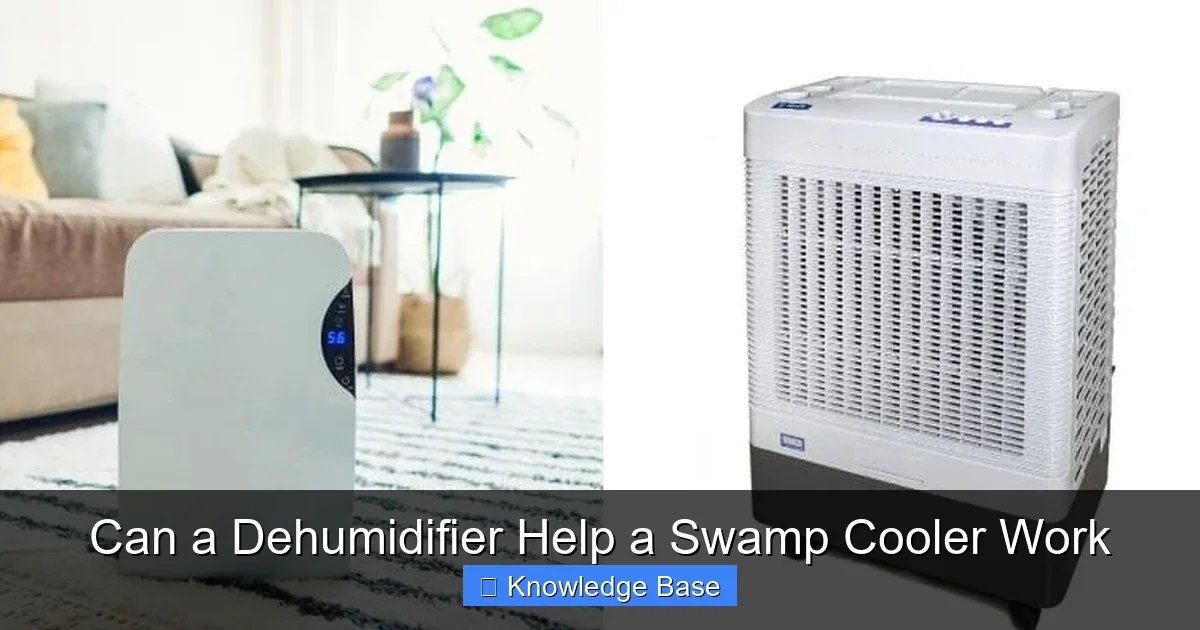
Yes, a dehumidifier can help a swamp cooler work more effectively—especially in humid climates. By reducing indoor moisture levels, a dehumidifier allows the swamp cooler to cool air more efficiently, improving comfort and energy performance. However, they work best as a complementary pair, not a replacement for one another.
Key Takeaways
- Swamp coolers rely on dry air: They work by evaporating water to cool air, so high humidity reduces their effectiveness.
- Dehumidifiers lower indoor moisture: Removing excess humidity creates a drier environment where swamp coolers can function better.
- Best results in moderate humidity: In areas with occasional high humidity, a dehumidifier can significantly boost swamp cooler performance.
- Energy efficiency matters: Using both units wisely can reduce overall energy use compared to running an air conditioner.
- Proper sizing is crucial: Choose a dehumidifier that matches your room size and humidity levels for optimal results.
- Maintenance improves performance: Clean filters, water pads, and dehumidifier coils regularly to keep both systems running smoothly.
- Not a replacement for AC in very humid climates: In consistently high humidity, a traditional AC may still be necessary despite using a dehumidifier.
Quick Answers to Common Questions
Can a dehumidifier help a swamp cooler work in high humidity?
Yes, but only to a point. In moderately high humidity, a dehumidifier can lower indoor moisture enough to improve swamp cooler performance. In very humid climates, it may not be sufficient on its own.
Should I run the dehumidifier and swamp cooler at the same time?
Yes, but start the dehumidifier first to lower humidity, then turn on the swamp cooler. This creates the best conditions for effective evaporative cooling.
Will using both increase my energy bill?
It may, but swamp coolers use less energy than AC units. A well-sized, energy-efficient dehumidifier can help reduce overall cooling costs by improving swamp cooler efficiency.
Can I use a dehumidifier in a dry climate?
Generally, no. In very dry climates, the air is already low in humidity, so a dehumidifier isn’t needed and could over-dry the air.
What humidity level is best for a swamp cooler?
Ideally, keep indoor humidity between 30% and 50%. Below 30%, the air may feel too dry; above 50%, the swamp cooler loses effectiveness.
📑 Table of Contents
- Understanding How Swamp Coolers Work
- How Dehumidifiers Reduce Indoor Humidity
- The Science Behind Humidity and Evaporative Cooling
- When a Dehumidifier Makes the Biggest Difference
- Choosing the Right Dehumidifier for Your Swamp Cooler Setup
- Tips for Maximizing Efficiency and Comfort
- Limitations and When to Consider Alternatives
- Conclusion
Understanding How Swamp Coolers Work
Swamp coolers, also known as evaporative coolers, are a popular and energy-efficient alternative to traditional air conditioning—especially in dry, arid regions like the southwestern United States. Unlike refrigerant-based AC units that use chemicals to cool air, swamp coolers rely on a simple, natural process: evaporation. They pull in warm outside air, pass it through water-saturated pads, and blow the cooled, moist air into your home.
This cooling method works because when water evaporates, it absorbs heat from the surrounding air, lowering the temperature. For example, if the outdoor air is 95°F (35°C) and the humidity is low—say, 20%—a swamp cooler can drop the indoor temperature by 15 to 25 degrees, making it feel like a comfortable 70–80°F (21–27°C). That’s a huge difference, especially during summer heatwaves.
But here’s the catch: swamp coolers depend heavily on the humidity level of the incoming air. The drier the air, the more water can evaporate, and the cooler the output. In high-humidity environments—like during monsoon season or in coastal areas—the air is already saturated with moisture. This means there’s less room for additional evaporation, so the cooling effect diminishes. You might end up with cool but clammy air, which feels sticky and uncomfortable.
This is where many homeowners start asking: Can a dehumidifier help a swamp cooler work better? The short answer is yes—under the right conditions. But to understand why, we need to look at how dehumidifiers function and how they interact with evaporative cooling.
How Dehumidifiers Reduce Indoor Humidity
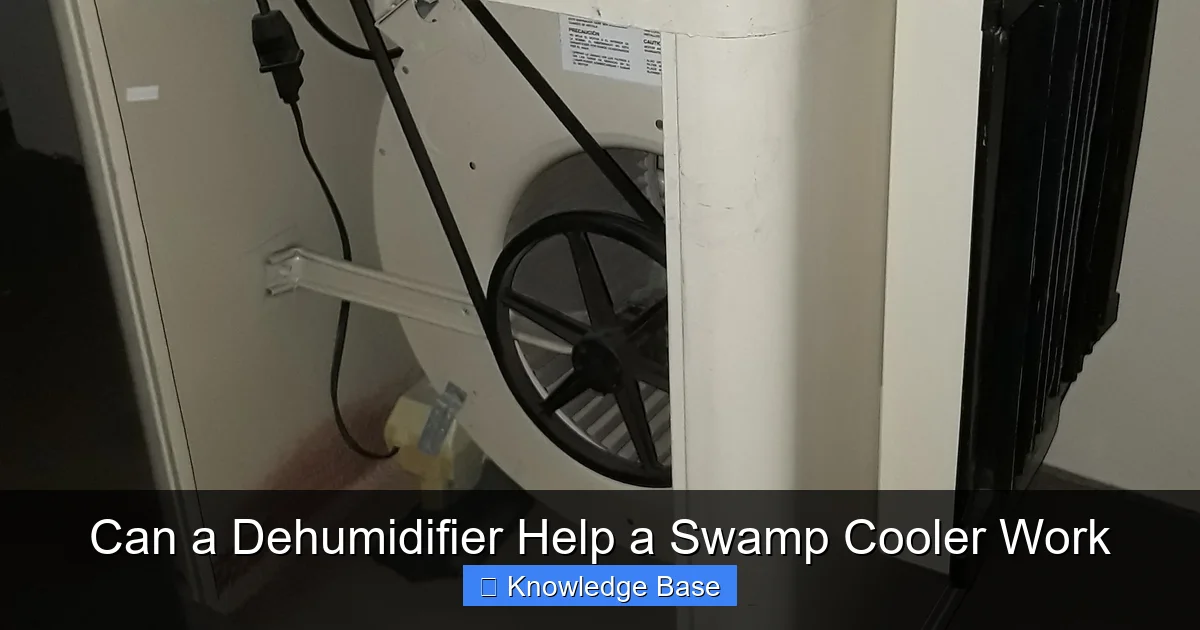
Visual guide about Can a Dehumidifier Help a Swamp Cooler Work
Image source: cdn.globalauctionplatform.com
Dehumidifiers are appliances designed to remove excess moisture from the air. They’re commonly used in basements, laundry rooms, and humid climates to prevent mold, mildew, and musty odors. But their role isn’t just about comfort—they can also improve the performance of other cooling systems, including swamp coolers.
Most dehumidifiers work using a refrigeration cycle similar to an air conditioner. They draw in humid air, pass it over cold coils where moisture condenses into water, and then reheat the air slightly before blowing it back into the room. The collected water is either drained manually or automatically, depending on the model. Some advanced units even have built-in pumps for continuous drainage.
By lowering the relative humidity in your home, a dehumidifier creates a drier indoor environment. This is important because swamp coolers add moisture to the air as part of their cooling process. If the air is already humid, the cooler can’t evaporate water efficiently, and the cooling effect weakens. But if you first reduce the humidity with a dehumidifier, the swamp cooler has a “cleaner slate” to work with.
For instance, imagine your home’s indoor humidity is at 60% on a hot summer day. That’s too high for a swamp cooler to perform at its best. By running a dehumidifier for a few hours, you might bring that level down to 40–45%. Now, when the swamp cooler kicks in, it can evaporate water more effectively, producing cooler, more refreshing air without making the room feel damp.
It’s like prepping a canvas before painting. The dehumidifier sets the stage, and the swamp cooler delivers the cooling performance.
The Science Behind Humidity and Evaporative Cooling
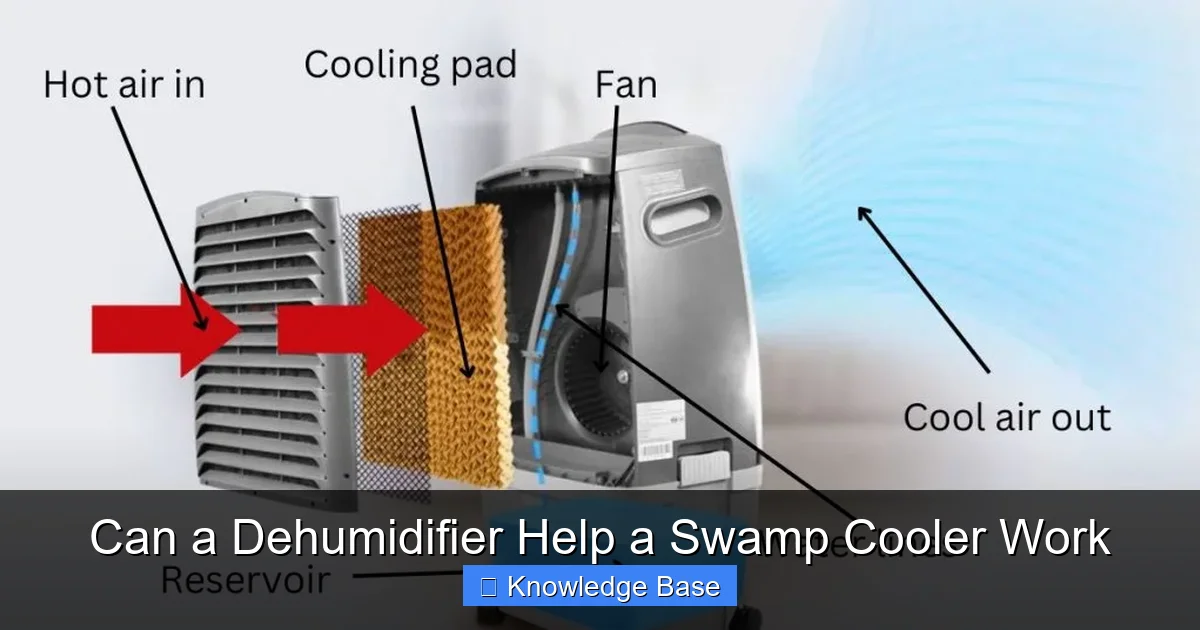
Visual guide about Can a Dehumidifier Help a Swamp Cooler Work
Image source: plumbingsniper.com
To truly grasp why a dehumidifier can help a swamp cooler work, it helps to understand the science of humidity and evaporation. At its core, evaporative cooling is governed by the principle that water absorbs heat when it changes from liquid to vapor. This process, called latent heat of vaporization, is what makes sweating cool your body—and what makes swamp coolers effective.
But evaporation only happens efficiently when the air isn’t already full of moisture. Think of humidity as the air’s “capacity” to hold water vapor. When the air is dry (low relative humidity), it has plenty of room to absorb more moisture. But when it’s already saturated (high relative humidity), evaporation slows down or stops altogether.
Relative humidity (RH) is the key metric here. It measures how much moisture is in the air compared to how much it can hold at a given temperature. For example, 50% RH means the air is holding half of its maximum moisture capacity. Swamp coolers perform best when RH is below 50%, ideally between 30% and 40%.
Now, here’s the challenge: as a swamp cooler runs, it adds moisture to the indoor air. Even in a dry climate, this can push humidity levels up over time—especially in tightly sealed homes with poor ventilation. If you start at 30% RH and the cooler raises it to 55%, you’ve crossed the threshold where cooling efficiency drops significantly.
This is where a dehumidifier becomes a valuable ally. By continuously removing moisture from the air, it counteracts the humidifying effect of the swamp cooler. The result? A more stable, drier indoor environment that allows the cooler to keep performing at peak efficiency.
Let’s look at a real-world example. Suppose you live in Phoenix, Arizona—a classic swamp cooler city. On most days, the humidity is low, and your cooler works great. But during the summer monsoon season, humidity can spike to 60% or higher. Your swamp cooler starts blowing out lukewarm, damp air, and your home feels sticky. By adding a dehumidifier to the mix, you can maintain a more consistent indoor humidity level, say 40%, even during humid spells. This keeps the swamp cooler effective and your home comfortable.
When a Dehumidifier Makes the Biggest Difference
While a dehumidifier can help a swamp cooler work better in many situations, its impact is most noticeable under specific conditions. Understanding when and where this combination shines can help you decide whether it’s worth the investment.
In Moderately Humid Climates
Swamp coolers are traditionally recommended for dry climates like deserts. But many people live in regions with seasonal humidity—dry most of the year but occasionally humid during certain months. In these areas, a dehumidifier can be a game-changer.
For example, parts of Texas, New Mexico, and southern California experience dry summers most of the time, but monsoon rains or coastal influences can spike humidity. During these periods, a dehumidifier can maintain optimal indoor conditions, allowing the swamp cooler to keep cooling effectively.
In Tightly Sealed or Energy-Efficient Homes
Modern homes are built to be energy-efficient, with better insulation, double-pane windows, and reduced air leakage. While this saves on heating and cooling costs, it also traps moisture indoors. Cooking, showering, and even breathing add moisture to the air, and without proper ventilation, humidity builds up.
In such homes, a swamp cooler can quickly raise indoor humidity to uncomfortable levels. A dehumidifier helps balance this by removing excess moisture, ensuring the cooler doesn’t make the air feel damp or muggy.
During Transitional Seasons
Spring and fall often bring fluctuating humidity levels. One day might be dry and sunny, the next humid and overcast. During these transitional periods, a dehumidifier gives you more control over indoor comfort. You can run it on humid days and turn it off when the air is dry, maximizing the swamp cooler’s efficiency without over-drying the air.
In Basements or Closed-Off Rooms
Swamp coolers work best when air can circulate freely. But in basements, sunrooms, or guest rooms that aren’t always occupied, humidity can accumulate unnoticed. A small, portable dehumidifier in these spaces can prevent moisture buildup and ensure the swamp cooler cools evenly throughout the home.
For Health and Comfort
High humidity doesn’t just affect cooling—it also impacts health. Dust mites, mold, and mildew thrive in moist environments, triggering allergies and respiratory issues. By using a dehumidifier alongside a swamp cooler, you not only improve cooling performance but also create a healthier indoor environment.
Choosing the Right Dehumidifier for Your Swamp Cooler Setup
Not all dehumidifiers are created equal, and choosing the right one is essential for getting the best results. Here are key factors to consider when pairing a dehumidifier with your swamp cooler.
Size and Capacity
Dehumidifiers are rated by how many pints of moisture they can remove per day. For most homes, a 30- to 50-pint unit is sufficient. Smaller rooms or basements may only need a 20-pint model, while larger homes or high-humidity areas might require a 70-pint unit.
To determine the right size, consider the square footage of the space and the humidity level. A basement with frequent dampness might need a higher-capacity unit than a dry living room. Many manufacturers provide sizing guides based on room size and humidity conditions.
Energy Efficiency
Since you’ll likely be running both the swamp cooler and dehumidifier during hot weather, energy efficiency matters. Look for models with an ENERGY STAR rating, which use less electricity to remove the same amount of moisture. Over time, this can save you money on utility bills.
Some dehumidifiers also have smart features like humidity sensors, auto-shutoff, and timers. These allow the unit to run only when needed, reducing energy waste.
Drainage Options
Most dehumidifiers collect water in an internal bucket that needs to be emptied regularly. But for continuous operation, especially during long cooling seasons, consider a model with a built-in pump or gravity drain hose. This lets you route water directly to a floor drain or sump pump, eliminating the need for manual emptying.
Noise Level
Dehumidifiers can be noisy, especially older models. If you plan to run it in a bedroom or living area, look for a unit with a low decibel (dB) rating—ideally under 50 dB. Many modern models are designed to operate quietly, making them less disruptive.
Placement and Airflow
For best results, place the dehumidifier in a central location where it can circulate air effectively. Avoid blocking vents or placing it in a corner. Also, ensure it’s not too close to the swamp cooler’s intake, as this could interfere with airflow.
Tips for Maximizing Efficiency and Comfort
Using a dehumidifier with a swamp cooler isn’t just about turning both on and hoping for the best. With a few smart strategies, you can maximize efficiency, comfort, and energy savings.
Run the Dehumidifier First
Start the dehumidifier a few hours before turning on the swamp cooler. This gives it time to lower indoor humidity, creating ideal conditions for evaporative cooling. Think of it as prepping the air before the main event.
Use a Hygrometer
A hygrometer is a simple, inexpensive device that measures indoor humidity. Keep one in your main living area to monitor levels. Aim to keep humidity between 30% and 50%. If it climbs above 50%, turn on the dehumidifier. If it drops below 30%, you might be over-drying the air—consider reducing dehumidifier runtime.
Improve Ventilation
Swamp coolers work best with good airflow. Open windows slightly on the opposite side of the house to create cross-ventilation. This helps push humid air out and brings in drier air, reducing the load on the dehumidifier.
Maintain Both Units
Regular maintenance is key to performance. Clean or replace the swamp cooler’s water pads every season, check the water pump, and flush the reservoir to prevent algae growth. For the dehumidifier, clean the air filter monthly and inspect the coils for dust buildup.
Use Zoning Strategies
If you have a large home, consider using a dehumidifier in the most humid areas—like the basement or master bedroom—and running the swamp cooler in living spaces. This targeted approach saves energy and improves comfort where it matters most.
Monitor Energy Use
Keep an eye on your electricity bills. If you notice a significant spike, it might be time to adjust settings or upgrade to more efficient models. Some smart dehumidifiers can be controlled via smartphone apps, letting you monitor usage and optimize performance remotely.
Limitations and When to Consider Alternatives
While a dehumidifier can help a swamp cooler work better, it’s not a magic solution for every situation. There are limits to what this combination can achieve, especially in consistently high-humidity climates.
In areas like Florida, the Gulf Coast, or the southeastern U.S., humidity often stays above 60% for much of the year. In these conditions, even a powerful dehumidifier may struggle to keep up with the moisture load. The swamp cooler will still add more humidity as it runs, potentially creating a cycle where the dehumidifier can’t keep pace.
In such cases, a traditional air conditioner may be a better long-term solution. AC units cool air without adding moisture, making them ideal for humid climates. They’re also more effective at lowering temperature in extreme heat.
That said, you can still use a swamp cooler in humid areas—just with realistic expectations. It might work well during dry spells or in well-ventilated spaces, but don’t rely on it as your primary cooling method during peak humidity.
Another limitation is cost. Running both a swamp cooler and dehumidifier increases electricity use. While swamp coolers are generally more efficient than AC, adding a dehumidifier can offset some of those savings. Be sure to weigh the comfort benefits against the energy costs.
Finally, remember that over-dehumidifying can make the air too dry, leading to dry skin, irritated sinuses, and static electricity. Aim for a balanced humidity level—comfortable for people and effective for cooling.
Conclusion
So, can a dehumidifier help a swamp cooler work? Absolutely—when used correctly and in the right conditions. By reducing indoor humidity, a dehumidifier creates an environment where evaporative cooling can thrive. This partnership can enhance comfort, improve energy efficiency, and extend the usability of your swamp cooler, especially during humid periods or in tightly sealed homes.
However, it’s not a one-size-fits-all solution. In very humid climates, a traditional air conditioner may still be necessary. And in dry regions, you might not need a dehumidifier at all. The key is understanding your local climate, monitoring indoor humidity, and using both appliances strategically.
With the right setup, maintenance, and awareness, a dehumidifier and swamp cooler can work together to keep your home cool, comfortable, and energy-efficient all summer long.
Frequently Asked Questions
Do I need a dehumidifier if I have a swamp cooler?
Not always. In dry climates, a swamp cooler works well on its own. But in areas with seasonal humidity or tightly sealed homes, a dehumidifier can improve performance and comfort.
Can a dehumidifier replace my air conditioner?
No, a dehumidifier only removes moisture—it doesn’t cool the air. It’s best used alongside a swamp cooler or AC to improve efficiency and comfort.
How often should I run the dehumidifier with my swamp cooler?
Run it when indoor humidity exceeds 50%. Use a hygrometer to monitor levels and adjust runtime based on weather and usage.
Will a dehumidifier make my swamp cooler colder?
It won’t make the air colder directly, but by lowering humidity, it allows the swamp cooler to evaporate water more efficiently, resulting in better cooling.
Can I use a portable dehumidifier with a whole-house swamp cooler?
Yes, especially in targeted areas like basements or bedrooms. For whole-house dehumidification, consider a larger, whole-home unit.
Is it safe to run both appliances continuously?
Yes, as long as both are properly maintained and sized for your space. Monitor humidity levels to avoid over-drying the air.