
Yes, a dehumidifier can help with cockroach problems by removing excess moisture—one of their key survival needs. While it won’t eliminate an existing infestation on its own, it creates a less hospitable environment that discourages roaches from thriving and reproducing.
If you’ve ever spotted a cockroach scurrying across your kitchen floor or hiding behind the toilet, you know how unsettling—and persistent—these pests can be. They’re not just gross; they can carry bacteria, trigger allergies, and even worsen asthma symptoms. Many people try sprays, traps, and baits, but one tool that often gets overlooked in the fight against roaches is the humble dehumidifier. You might be wondering: Can a dehumidifier help cockroach problems? The short answer is yes—but not in the way you might think.
Cockroaches are hardy survivors. They’ve been around for millions of years and can adapt to almost any environment, as long as three basic needs are met: food, shelter, and water. While we often focus on cleaning up crumbs and sealing cracks, water—or more specifically, moisture—is a critical factor that’s frequently underestimated. These pests don’t just drink water; they absorb it through their bodies and thrive in damp, humid environments. That’s where a dehumidifier comes in. By pulling excess moisture from the air, a dehumidifier makes your home far less appealing to roaches. It doesn’t kill them directly, but it removes one of the key conditions they need to survive and multiply.
Think of it this way: if your home were a hotel, cockroaches would be looking for a suite with free Wi-Fi, room service, and a hot tub. A dehumidifier turns off the hot tub. It doesn’t kick them out of the building, but it makes the stay much less comfortable. Over time, this can discourage roaches from moving in—or encourage them to move out. In this article, we’ll explore exactly how dehumidifiers work against cockroaches, where to use them, and how to combine them with other pest control strategies for the best results.
Key Takeaways
- Dehumidifiers reduce moisture: Cockroaches need water to survive, and lowering humidity makes your home less attractive to them.
- Not a standalone solution: A dehumidifier supports pest control but should be combined with cleaning, sealing, and professional treatments if needed.
- Target high-risk areas: Use dehumidifiers in basements, bathrooms, and kitchens—places where roaches often hide and breed.
- Prevents ideal breeding conditions: High humidity encourages egg development and faster reproduction in cockroaches.
- Improves overall indoor air quality: Lower humidity reduces mold and dust mites, which indirectly affects pest attraction.
- Energy-efficient prevention: Running a dehumidifier during humid months can be a cost-effective way to deter pests year-round.
- Works best with integrated pest management: Combine dehumidification with sanitation, traps, and sealing cracks for maximum effectiveness.
Quick Answers to Common Questions
Can a dehumidifier kill cockroaches?
No, a dehumidifier doesn’t kill cockroaches directly. Instead, it makes the environment less hospitable by reducing moisture, which can lead to dehydration and reduced survival over time.
What humidity level deters cockroaches?
Keeping indoor humidity below 50%—ideally between 30% and 45%—can significantly deter cockroaches and slow their reproduction.
Where should I place a dehumidifier to prevent roaches?
Focus on damp areas like basements, bathrooms, under sinks, and laundry rooms—places where moisture and roaches commonly overlap.
Do I need a dehumidifier if I already use roach traps?
Yes. Traps catch roaches, but a dehumidifier prevents new ones from thriving. Using both gives you a more complete pest control strategy.
How long does it take for a dehumidifier to impact roach activity?
You may notice reduced activity within a few weeks, but full impact depends on the severity of the infestation and other control measures in place.
📑 Table of Contents
- Why Moisture Matters to Cockroaches
- How a Dehumidifier Works Against Cockroaches
- Dehumidifiers as Part of an Integrated Pest Management Plan
- Limitations of Using a Dehumidifier for Cockroach Control
- Additional Benefits of Using a Dehumidifier
- Choosing the Right Dehumidifier for Pest Prevention
- Conclusion
Why Moisture Matters to Cockroaches
To understand how a dehumidifier can help cockroach problems, it’s important to first grasp why moisture is so crucial to these insects. Cockroaches are not like humans—they don’t have lungs that require constant airflow, nor do they drink water the way we do. Instead, they absorb moisture through their exoskeletons and rely on humid environments to stay hydrated. In fact, a cockroach can survive for weeks without food, but only about a week without access to water. This makes humidity a make-or-break factor in their survival.
High humidity levels—typically above 50%—create the perfect conditions for cockroaches to thrive. Damp basements, leaky pipes, steamy bathrooms, and poorly ventilated kitchens are all prime real estate for these pests. They’re not just looking for a drink; they’re seeking out environments where they can lay eggs, molt, and grow without drying out. Female cockroaches, for example, produce egg cases called oothecae, which require a certain level of moisture to develop properly. If the air is too dry, these eggs may not hatch, or the nymphs may die before reaching adulthood.
Moreover, humid environments often go hand-in-hand with other roach attractants. Mold and mildew, which grow in damp areas, provide an additional food source. Standing water from leaks or condensation can serve as a direct water source. Even the warmth generated by appliances in humid spaces can make these areas more inviting. By reducing indoor humidity, you’re not just removing water—you’re disrupting the entire ecosystem that supports cockroach life.
The Science Behind Humidity and Roach Survival
Research has shown that cockroaches are highly sensitive to changes in relative humidity. Studies have found that German cockroaches—the most common indoor species—show significantly reduced survival rates when exposed to environments with humidity levels below 40%. In contrast, populations explode in areas with 70% or higher humidity. This is because low humidity increases water loss through their bodies, leading to dehydration and death.
Additionally, cockroaches are more active in humid conditions. They tend to hide in dark, moist crevices during the day and come out at night to forage. When the air is dry, they become less active and may struggle to find enough moisture to survive. This behavioral change can make them more vulnerable to traps and baits, as they’re forced to venture out in search of water—putting them in direct contact with pest control measures.
Common Moisture Hotspots in the Home
Certain areas of the home are naturally more prone to high humidity and, therefore, more attractive to cockroaches. These include:
– Basements: Often poorly ventilated and prone to dampness from groundwater or condensation.
– Bathrooms: Steam from showers and baths creates high humidity, especially if exhaust fans aren’t used.
– Kitchens: Dishwashers, sinks, and refrigerators can leak or produce condensation.
– Laundry Rooms: Washing machines and dryers generate moisture, particularly if vented improperly.
– Under Sinks: Leaky pipes or dripping faucets create hidden pockets of moisture.
By identifying and addressing these areas, you can significantly reduce the likelihood of a cockroach infestation. A dehumidifier placed in or near these zones can make a big difference.
How a Dehumidifier Works Against Cockroaches
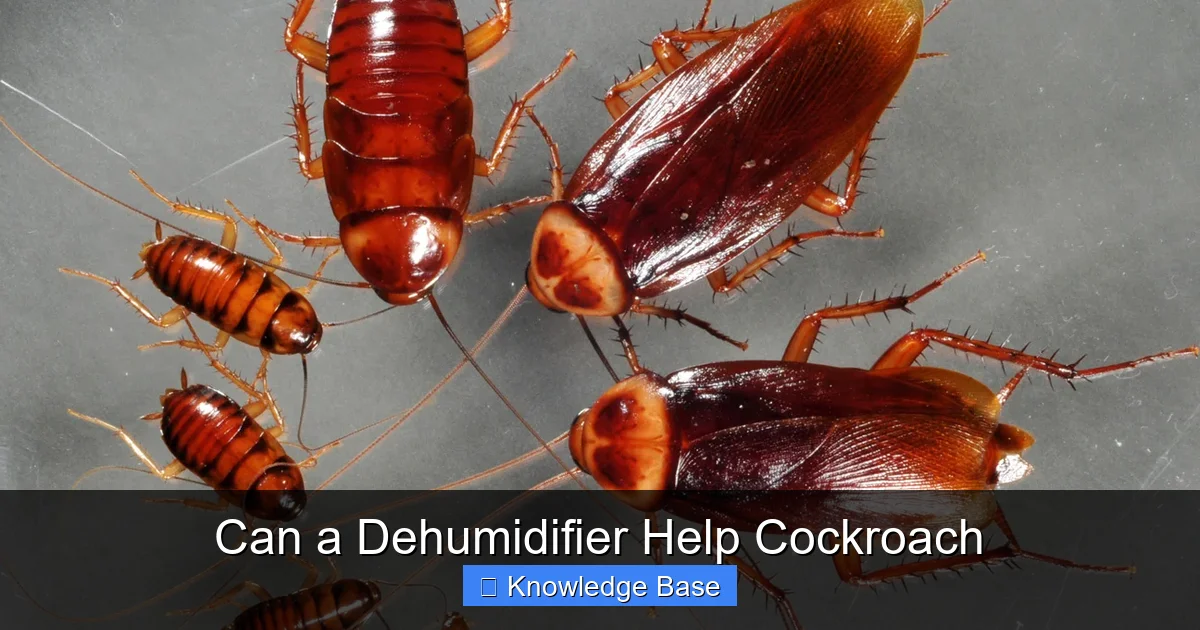
Visual guide about Can a Dehumidifier Help Cockroach
Image source: extension.entm.purdue.edu
Now that we understand why moisture is so important to cockroaches, let’s look at how a dehumidifier actually works—and how it can help in the fight against these pests. A dehumidifier is an appliance designed to reduce and maintain the level of humidity in the air. It does this by drawing in moist air, cooling it to condense the water vapor, and then reheating the air before releasing it back into the room. The collected water is either stored in a tank or drained directly through a hose.
From a pest control perspective, the key benefit of a dehumidifier is that it removes the ambient moisture cockroaches rely on. When humidity drops below 50%, the environment becomes increasingly hostile to roaches. They lose water faster than they can absorb it, which leads to dehydration. Over time, this can reduce their activity, slow their reproduction, and even cause death—especially in younger nymphs, which are more vulnerable to drying out.
But it’s not just about survival. A dehumidifier also helps prevent the conditions that allow cockroaches to thrive. For example, lower humidity reduces the growth of mold and mildew, which are not only health hazards but also food sources for roaches. It also minimizes condensation on pipes, walls, and windows—common spots where roaches find water. In short, a dehumidifier doesn’t just make your home less comfortable for roaches; it makes it less functional for their biology.
Types of Dehumidifiers and Their Effectiveness
Not all dehumidifiers are created equal, and some are better suited for pest control than others. The two main types are:
– Refrigerant (compressor) dehumidifiers: These are the most common and work by cooling air to condense moisture. They’re effective in warm, humid environments (above 65°F) and are ideal for basements and living areas.
– Desiccant dehumidifiers: These use a moisture-absorbing material (like silica gel) to pull water from the air. They work well in cooler temperatures and are often used in garages or crawl spaces.
For cockroach control, refrigerant models are usually the best choice because they’re powerful, energy-efficient, and designed for continuous use in typical home environments. Look for a unit with a built-in humidistat, which allows you to set and maintain a specific humidity level—ideally between 30% and 50%.
Placement Matters
Where you place your dehumidifier can make a big difference in its effectiveness. For maximum impact on cockroach activity, focus on areas where moisture and roaches intersect. Place the unit in your basement, near a leaky pipe, or in a damp bathroom. If you have a central HVAC system, consider a whole-house dehumidifier that integrates with your ductwork to treat the entire home.
Also, keep the dehumidifier running consistently, especially during humid seasons like summer or rainy periods. Cockroaches are opportunistic, and even a brief return to high humidity can encourage them to return.
Dehumidifiers as Part of an Integrated Pest Management Plan
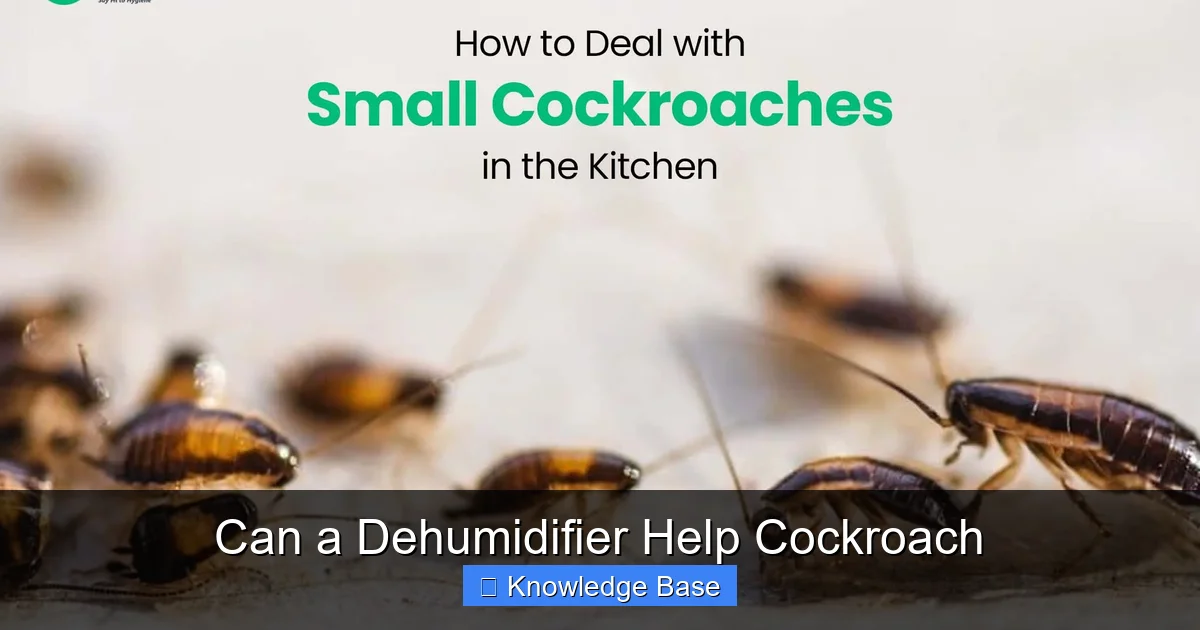
Visual guide about Can a Dehumidifier Help Cockroach
Image source: hicare.in
While a dehumidifier can be a powerful tool in deterring cockroaches, it’s important to remember that it’s not a magic bullet. Cockroaches are incredibly resilient, and no single method will eliminate an infestation on its own. That’s why experts recommend an integrated pest management (IPM) approach—a combination of strategies that work together to prevent and control pests.
IPM focuses on long-term prevention by addressing the root causes of infestations, rather than just treating the symptoms. In the case of cockroaches, this means eliminating food, water, and shelter. A dehumidifier tackles the water component, but you’ll also need to:
– Clean regularly: Wipe down counters, sweep floors, and store food in sealed containers. Even small crumbs can feed a roach colony.
– Seal entry points: Use caulk to fill cracks in walls, baseboards, and around pipes. Install door sweeps and repair window screens.
– Fix leaks: Repair dripping faucets, leaking pipes, and clogged drains. Even a slow drip can provide enough water for roaches.
– Use traps and baits: Place sticky traps in dark corners to monitor activity. Use gel baits in cracks and crevices to target hidden populations.
– Declutter: Remove cardboard boxes, paper, and other materials that roaches use for nesting.
By combining a dehumidifier with these practices, you create a multi-layered defense that makes your home far less inviting to cockroaches. Think of it as building a fortress: the dehumidifier is one wall, but you also need strong gates (sealing), guards (traps), and a clean courtyard (sanitation).
Real-World Example: A Basement Makeover
Imagine a homeowner with a damp basement that’s become a roach hotspot. They notice droppings behind the washing machine and hear rustling in the walls at night. Instead of reaching for spray after spray, they decide to try a dehumidifier. They buy a 50-pint refrigerant model, place it in the center of the basement, and set the humidistat to 45%. Within a week, the air feels drier, and condensation on the walls disappears.
But they don’t stop there. They also clean the basement thoroughly, seal cracks around the foundation, and fix a slow leak under the sink. They place sticky traps in corners and use gel bait near baseboards. Over the next month, roach sightings drop dramatically. The dehumidifier didn’t kill the roaches, but it made the environment so unwelcoming that the population couldn’t sustain itself.
Limitations of Using a Dehumidifier for Cockroach Control
While dehumidifiers are a valuable tool, it’s important to have realistic expectations. They are not a cure-all, and there are situations where they may have limited impact. For example, if your home already has a severe infestation, a dehumidifier alone won’t eliminate thousands of roaches overnight. You’ll likely need professional extermination to address the existing population.
Additionally, dehumidifiers are most effective in enclosed spaces. If your home has poor insulation, frequent open windows, or high outdoor humidity, the appliance may struggle to maintain low indoor humidity. In such cases, you may need multiple units or additional ventilation improvements.
Another limitation is energy use. Running a dehumidifier 24/7 can increase your electricity bill, especially in large or very damp spaces. However, many modern models are energy-efficient and come with timers or auto-shutoff features to help manage costs.
Finally, dehumidifiers don’t address food or shelter—two other critical factors for roach survival. If your home is clean and dry but still has open food sources or cluttered hiding spots, roaches may still find ways to survive.
When to Call a Professional
If you’ve tried using a dehumidifier along with cleaning and sealing, but still see frequent roach activity, it may be time to call a pest control expert. Professionals can identify hidden nests, apply targeted treatments, and provide ongoing monitoring to prevent reinfestation.
Additional Benefits of Using a Dehumidifier
Beyond cockroach control, using a dehumidifier offers several other advantages that improve your overall quality of life. Lower humidity levels can reduce allergens like mold spores and dust mites, which are common triggers for asthma and allergies. This is especially beneficial for children, the elderly, and anyone with respiratory conditions.
Dehumidifiers also help protect your home’s structure. Excess moisture can lead to warped wood, peeling paint, and rust on metal fixtures. By maintaining a balanced humidity level, you extend the life of your furniture, flooring, and appliances.
Additionally, many people report better sleep and comfort in drier environments. High humidity can make the air feel sticky and oppressive, while lower humidity creates a cooler, more pleasant atmosphere—especially during summer months.
Choosing the Right Dehumidifier for Pest Prevention
If you’re ready to invest in a dehumidifier to help with cockroach problems, here are some tips to help you choose the right model:
– Size matters: Measure the square footage of the area you want to treat. A 30-pint unit is usually sufficient for a small basement or bathroom, while a 70-pint model may be needed for a large, damp space.
– Look for a humidistat: This feature lets you set your desired humidity level and automatically adjusts the unit to maintain it.
– Consider drainage options:
Some models have built-in pumps for continuous drainage, which is convenient for basements or areas without easy access to a sink.
– Check energy efficiency: Look for ENERGY STAR-certified models to save on electricity costs.
– Noise level: If placing the unit in a living area, choose a quieter model with a low decibel rating.
Popular brands like Frigidaire, hOmeLabs, and GE offer reliable dehumidifiers with features tailored for home use.
Conclusion
So, can a dehumidifier help cockroach problems? Absolutely—but with an important caveat: it’s most effective as part of a broader strategy. By reducing indoor humidity, a dehumidifier removes one of the key elements cockroaches need to survive and reproduce. It makes your home less inviting, slows their growth, and supports other pest control efforts.
However, it’s not a standalone solution. To truly win the battle against roaches, you need to combine dehumidification with thorough cleaning, sealing entry points, fixing leaks, and using traps or baits. Think of the dehumidifier as a key player on your pest control team—not the only player.
If you’re dealing with a persistent roach problem, don’t underestimate the power of dry air. A well-placed dehumidifier, especially in damp areas like basements and bathrooms, can be a game-changer. It won’t solve everything overnight, but over time, it can help create an environment where cockroaches simply don’t want to live.
And the benefits don’t stop there. You’ll also enjoy better air quality, less mold, and a more comfortable home. So go ahead—turn down the humidity. Your roaches (and your lungs) will notice the difference.
Frequently Asked Questions
Will a dehumidifier get rid of cockroaches completely?
A dehumidifier alone won’t eliminate a cockroach infestation, but it can greatly reduce their numbers by removing moisture they need to survive. Combine it with cleaning, sealing, and traps for best results.
Can high humidity attract other pests besides cockroaches?
Yes, high humidity also attracts silverfish, mold mites, and certain types of ants. Reducing moisture helps deter a wide range of pests.
Is it safe to run a dehumidifier all the time?
Yes, most modern dehumidifiers are designed for continuous use. Just empty the water tank regularly or use a drain hose to avoid overflow.
Do dehumidifiers use a lot of electricity?
Energy use varies by model, but ENERGY STAR-certified units are efficient. Running one in a damp basement may cost $10–$20 per month, depending on usage.
Can I use a dehumidifier in winter?
Yes, especially in basements or poorly insulated areas where condensation can still occur. Desiccant models work better in cold temperatures.
What if I don’t have a dehumidifier? Are there alternatives?
Improve ventilation, fix leaks, use exhaust fans, and place moisture absorbers like silica gel in problem areas. These can help, but a dehumidifier is the most effective solution.