
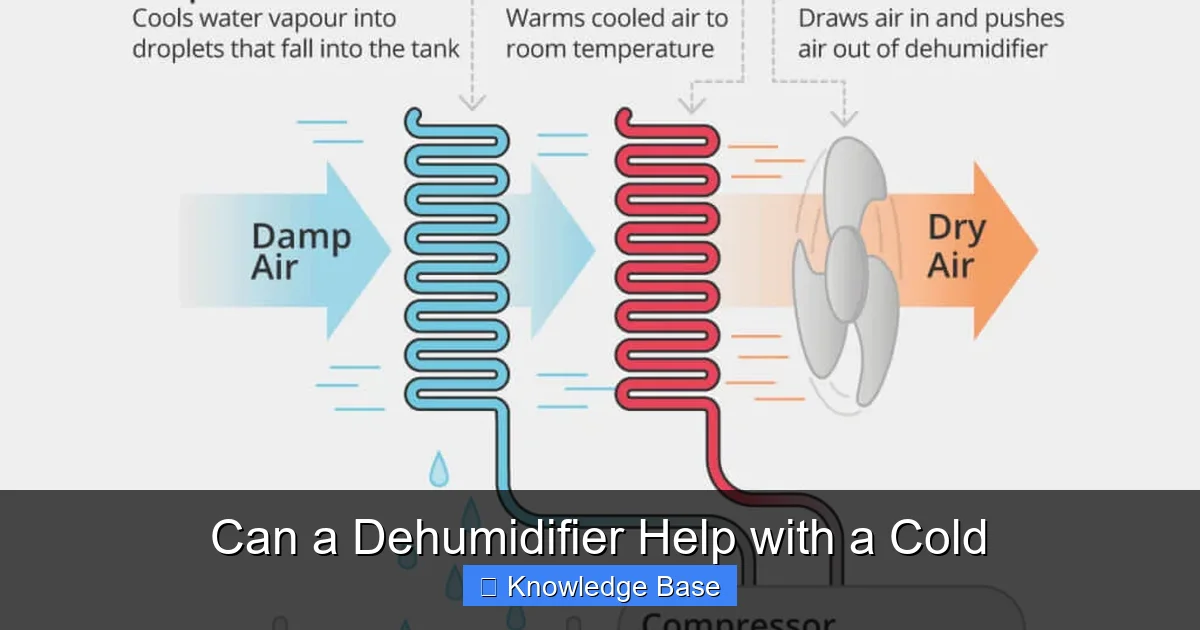
While a dehumidifier won’t cure a cold, it can create a more comfortable and healthier environment that supports your body’s recovery. By reducing excess moisture, it helps minimize mold, dust mites, and congestion—making it easier to breathe and sleep. Used correctly, a dehumidifier can be a helpful addition to your cold-fighting toolkit.
When you’re curled up on the couch with a stuffy nose, sore throat, and that general feeling of being run-down, every little bit of comfort counts. You’ve probably heard people suggest everything from chicken soup to essential oils to help ease cold symptoms. But what about a dehumidifier? It might sound like an odd suggestion—after all, isn’t a humidifier the go-to appliance for colds? Surprisingly, a dehumidifier can actually play a helpful role in your recovery, especially if your home is too damp.
Colds are caused by viruses, most commonly rhinoviruses, and they thrive in certain environments. While no appliance can zap the virus out of your system, the air quality in your home can significantly impact how you feel and how quickly you bounce back. High humidity levels—above 60%—can encourage the growth of mold, dust mites, and other allergens that irritate your respiratory system. This can make congestion worse, trigger coughing, and even lead to secondary infections like sinusitis. On the flip side, air that’s too dry can also be problematic, drying out your nasal passages and making them more vulnerable to irritation. The sweet spot? Indoor humidity between 40% and 50%. That’s where a dehumidifier comes in.
Key Takeaways
- Reduces indoor humidity: Dehumidifiers lower moisture levels, which can help prevent the growth of mold and dust mites that worsen cold symptoms.
- Eases breathing: Dry air can irritate nasal passages, but balanced humidity (40–50%) soothes airways and reduces congestion.
- Improves sleep quality: Better air quality and reduced stuffiness lead to more restful sleep, essential for recovery.
- Does not kill viruses: A dehumidifier doesn’t eliminate cold viruses, but it creates an environment less favorable for allergens and irritants.
- Complements other treatments: Use alongside rest, hydration, and over-the-counter remedies for best results.
- Choose the right size: Match the dehumidifier’s capacity to your room size for optimal performance.
- Maintain regularly: Clean filters and empty water tanks to prevent bacteria and mold buildup inside the unit.
Quick Answers to Common Questions
Can a dehumidifier cure a cold?
No, a dehumidifier cannot cure a cold. Colds are caused by viruses, and no appliance can eliminate them. However, a dehumidifier can help ease symptoms by improving air quality and reducing congestion.
Should I use a dehumidifier or humidifier for a cold?
It depends on your home’s humidity level. Use a dehumidifier if humidity is above 50% to reduce mold and congestion. Use a humidifier if humidity is below 40% to soothe dry airways.
What humidity level is best when you have a cold?
The ideal indoor humidity level is between 40% and 50%. This range supports comfortable breathing and reduces allergens without over-drying the air.
Can a dehumidifier make a cold worse?
Only if used incorrectly. In a very dry environment, a dehumidifier can over-dry the air and irritate your airways. Always monitor humidity levels with a hygrometer.
How often should I run a dehumidifier when sick?
Run it continuously during the first few days of your cold, especially at night. Keep the room closed and empty the water tank regularly.
📑 Table of Contents
- How Humidity Affects Cold Symptoms
- Dehumidifiers vs. Humidifiers: What’s the Difference?
- How a Dehumidifier Can Ease Cold Symptoms
- Choosing the Right Dehumidifier for Cold Relief
- Tips for Using a Dehumidifier When You Have a Cold
- When a Dehumidifier Isn’t the Right Choice
- Other Ways to Support Cold Recovery
- Conclusion
How Humidity Affects Cold Symptoms
Understanding the relationship between humidity and cold symptoms is key to seeing why a dehumidifier might help. When you have a cold, your nasal passages and sinuses are already inflamed and producing extra mucus. If the air in your home is too humid, that moisture can settle in your sinuses, creating a breeding ground for bacteria and making it harder for your body to clear out congestion. Think of it like trying to breathe through a wet sponge—it’s just not efficient.
High humidity also promotes the growth of mold and dust mites, both of which are common indoor allergens. Even if you’re not allergic to them, these particles can irritate your airways and worsen coughing, sneezing, and throat discomfort. In fact, studies have shown that homes with high humidity levels have higher concentrations of airborne allergens, which can prolong cold symptoms or even lead to secondary infections.
On the other hand, air that’s too dry—common in winter when heating systems run constantly—can dry out the mucous membranes in your nose and throat. These membranes act as a natural barrier against viruses and bacteria. When they’re dried out, they become less effective, making it easier for cold viruses to take hold and harder for your body to fight them off. This is why many people reach for humidifiers during cold season. But here’s the catch: if your home is already damp or you live in a humid climate, adding more moisture can do more harm than good.
That’s where a dehumidifier steps in. By maintaining balanced humidity levels, it helps keep your airways comfortable, reduces allergen growth, and supports your body’s natural defenses. It’s not a cure, but it’s a smart environmental adjustment that can make a real difference in how you feel.
Dehumidifiers vs. Humidifiers: What’s the Difference?
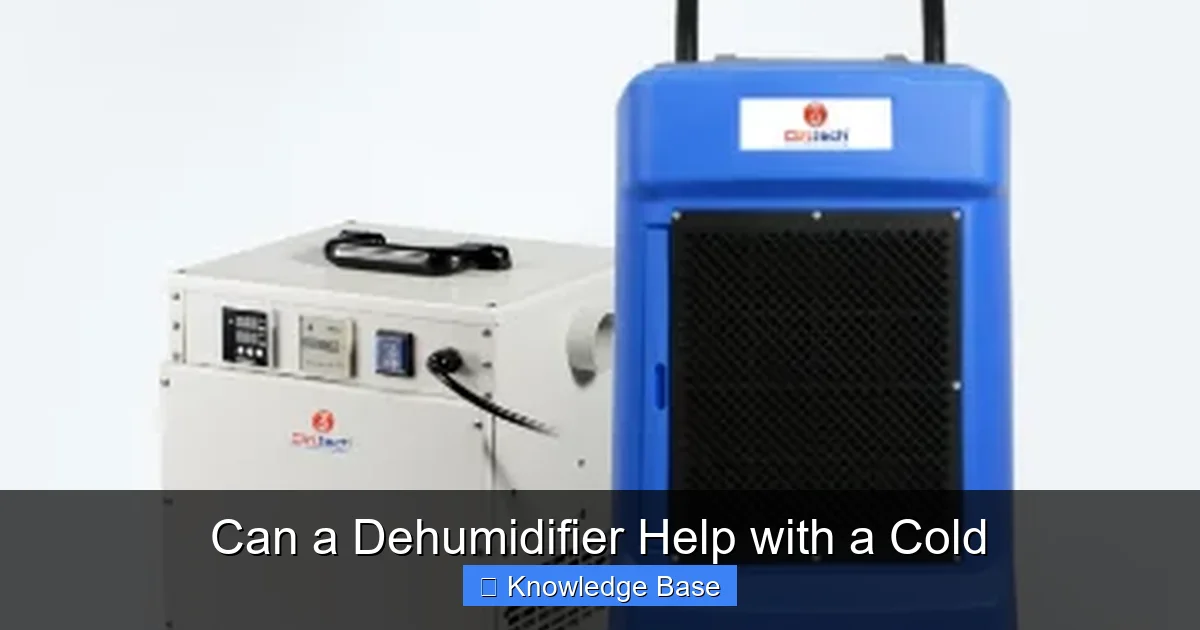
Visual guide about Can a Dehumidifier Help with a Cold
Image source: dehumidifier.ae
It’s easy to get confused between dehumidifiers and humidifiers—they sound like opposites, and they are. But knowing which one to use when you have a cold depends entirely on your home’s current humidity levels.
A humidifier adds moisture to the air. It’s ideal for dry environments, especially in winter when indoor heating can drop humidity below 30%. For people with dry nasal passages, a sore throat, or a persistent cough, a humidifier can provide soothing relief by keeping the air moist and helping mucus drain more easily.
A dehumidifier, on the other hand, removes excess moisture from the air. It’s best used in damp or humid environments—think basements, bathrooms, or homes in tropical climates. If your home feels sticky, you notice condensation on windows, or you smell mildew, your humidity is likely too high.
So, which one helps with a cold? The answer isn’t always straightforward. It depends on your specific situation. If you live in a dry climate or your heating system has made the air parched, a humidifier might be more beneficial. But if your home is damp, or you’re dealing with mold or dust mites, a dehumidifier can actually be more helpful.
The key is balance. The ideal indoor humidity level for health and comfort is between 40% and 50%. You can check this with a hygrometer, a simple and inexpensive device that measures humidity. If your reading is above 50%, a dehumidifier can help bring it down. If it’s below 40%, a humidifier might be the better choice.
Many people make the mistake of using a humidifier in an already damp home, which can worsen symptoms by encouraging mold growth. Similarly, using a dehumidifier in a very dry home can over-dry the air and irritate your airways. The best approach? Monitor your humidity and adjust accordingly.
How a Dehumidifier Can Ease Cold Symptoms
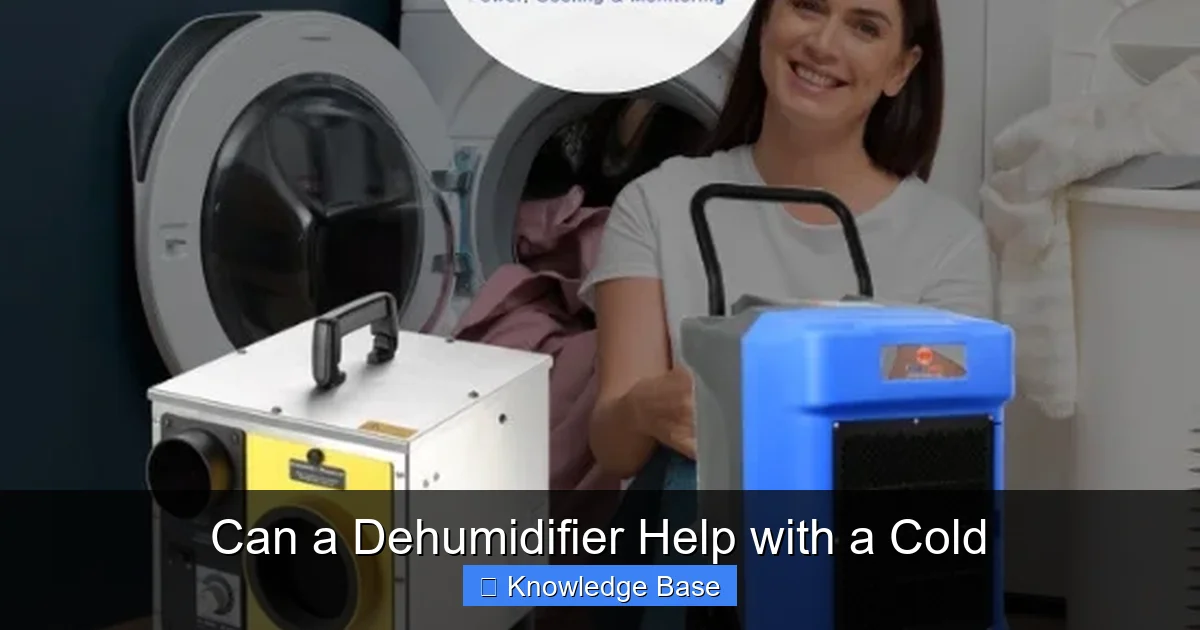
Visual guide about Can a Dehumidifier Help with a Cold
Image source: dehumidifier.ae
Now that we’ve established the importance of balanced humidity, let’s dive into how a dehumidifier can specifically help when you’re battling a cold.
First, it reduces congestion. When humidity is too high, mucus can become thick and sticky, making it harder to expel. This leads to that awful feeling of being “stuffed up” even when you’ve blown your nose repeatedly. By lowering humidity, a dehumidifier helps thin mucus, making it easier to clear from your sinuses and airways. This can reduce the frequency of coughing and help you breathe more comfortably.
Second, it minimizes allergens. Dust mites and mold spores thrive in moist environments. Dust mites, in particular, are a common trigger for respiratory irritation, even in non-allergic individuals. When they’re present in high numbers, they can worsen cold symptoms like sneezing, runny nose, and itchy eyes. A dehumidifier helps keep their population in check by making the air less hospitable.
Third, it improves sleep. One of the hardest parts of having a cold is trying to sleep when your nose is blocked and your throat is sore. High humidity can make this worse by increasing stuffiness and promoting nighttime coughing. By creating a drier, more comfortable environment, a dehumidifier can help you sleep more soundly. And we all know that good sleep is one of the most important factors in recovering from illness.
Fourth, it reduces the risk of secondary infections. When your sinuses are constantly congested and moist, they become a breeding ground for bacteria. This can lead to sinus infections, bronchitis, or even ear infections—common complications of the common cold. By keeping humidity in check, a dehumidifier helps prevent these secondary issues from developing.
Finally, it supports overall air quality. Many dehumidifiers come with built-in air filters that capture dust, pollen, and other airborne particles. While these filters aren’t designed to trap viruses, they can reduce the number of irritants in the air, giving your respiratory system a break.
Choosing the Right Dehumidifier for Cold Relief
Not all dehumidifiers are created equal, and choosing the right one can make a big difference in how effective it is at helping with your cold.
Start by considering the size of the room. Dehumidifiers are rated by how many pints of moisture they can remove in 24 hours. For a small bedroom (under 500 square feet), a 20–30 pint unit is usually sufficient. For larger spaces like living rooms or basements, you may need a 50-pint or higher model. Over-sizing isn’t necessarily better—too large a unit can cycle on and off too quickly, reducing efficiency and not running long enough to properly dehumidify.
Look for a model with a built-in humidistat. This feature allows you to set your desired humidity level (ideally 40–50%), and the unit will automatically turn on and off to maintain it. This is much more convenient and effective than manually adjusting settings.
Energy efficiency is another important factor. Check for the ENERGY STAR label, which indicates the unit meets strict energy efficiency guidelines. Running a dehumidifier 24/7 can add to your electricity bill, so choosing an efficient model helps keep costs down.
Noise level matters, especially if you’re using it in a bedroom. Some dehumidifiers can be quite loud, which might disrupt your sleep. Look for models with a noise rating below 50 decibels—about the sound of a quiet conversation.
Finally, consider ease of maintenance. You’ll need to empty the water tank regularly (unless you have a model with a continuous drainage option) and clean the air filter every few weeks. Choose a unit with a removable, washable filter and a large, easy-to-carry water tank.
Popular brands like Frigidaire, hOmeLabs, and GE offer reliable, user-friendly models that are well-suited for home use. Reading customer reviews can also help you find a unit that performs well and stands up over time.
Tips for Using a Dehumidifier When You Have a Cold
Using a dehumidifier correctly is just as important as choosing the right model. Here are some practical tips to get the most out of your unit while you’re under the weather.
First, place it in the right spot. Ideally, position the dehumidifier in the center of the room or near the source of moisture, such as a bathroom or basement. Avoid placing it too close to walls or furniture, as this can block airflow and reduce efficiency.
Run it consistently. For best results, run the dehumidifier continuously, especially during the first few days of your cold when symptoms are most severe. This helps maintain stable humidity levels and prevents moisture from building up again.
Keep doors and windows closed. To maximize efficiency, operate the dehumidifier in a closed room. Opening windows or doors lets humid outdoor air in, forcing the unit to work harder and reducing its effectiveness.
Empty the water tank regularly. Most dehumidifiers have a built-in tank that fills up as moisture is collected. Check it daily and empty it when it’s about two-thirds full to prevent overflow and bacterial growth.
Clean the filter monthly. Dust and debris can clog the air filter, reducing airflow and efficiency. Most filters are washable—just rinse them under warm water and let them dry completely before reinstalling.
Use it alongside other remedies. A dehumidifier works best as part of a holistic approach to cold recovery. Combine it with plenty of fluids, rest, steam inhalation, and over-the-counter medications as needed.
Avoid over-drying the air. While reducing humidity is helpful, don’t let it drop below 40%. If your hygrometer shows levels below this, consider running the dehumidifier for shorter periods or using a humidifier in tandem.
When a Dehumidifier Isn’t the Right Choice
While dehumidifiers can be helpful, they’re not always the best solution—especially if your home is already dry.
If you live in a desert climate or your heating system has made the air very dry (below 30% humidity), using a dehumidifier could worsen your symptoms. Dry air can irritate your nasal passages, leading to nosebleeds, a scratchy throat, and increased coughing. In these cases, a humidifier is usually the better choice.
Also, if your cold symptoms are primarily due to dryness—such as a persistent cough or cracked lips—adding moisture to the air will likely provide more relief than removing it.
Finally, if you don’t have issues with mold, dust mites, or high humidity, a dehumidifier may not offer significant benefits. In such cases, focus on other proven cold remedies like staying hydrated, using saline nasal sprays, and getting plenty of rest.
Other Ways to Support Cold Recovery
A dehumidifier is just one piece of the puzzle. To recover faster and feel better, combine it with these proven strategies:
– Stay hydrated: Drink plenty of water, herbal teas, and broths to thin mucus and keep your throat moist.
– Rest: Your body needs energy to fight off the virus, so prioritize sleep and avoid overexertion.
– Use a saline nasal spray: This helps clear congestion and keeps nasal passages moist.
– Try steam inhalation: Breathing in steam from a bowl of hot water (with a towel over your head) can loosen mucus and soothe airways.
– Gargle with salt water: This can reduce throat pain and inflammation.
– Consider over-the-counter remedies: Decongestants, pain relievers, and cough suppressants can provide temporary relief.
Remember, most colds resolve on their own within 7–10 days. The goal is to manage symptoms and support your body’s natural healing process.
Conclusion
So, can a dehumidifier help with a cold? The short answer is yes—but with some important caveats. It won’t kill the virus or shorten the duration of your illness, but it can create a more comfortable and healthier environment that supports your recovery. By maintaining optimal humidity levels, reducing allergens, easing congestion, and improving sleep, a dehumidifier can be a valuable ally when you’re feeling under the weather.
The key is using it wisely. Monitor your indoor humidity, choose the right unit for your space, and combine it with other proven cold remedies. And remember, if your home is already dry, a humidifier might be the better option.
Ultimately, the best approach is balance—both in your environment and in your recovery routine. With the right tools and habits, you’ll be back on your feet in no time.
Frequently Asked Questions
Can a dehumidifier help with coughing?
Yes, a dehumidifier can help reduce coughing caused by congestion and postnasal drip. By lowering humidity, it helps thin mucus and clear airways, making coughing less frequent and less severe.
Is it safe to sleep with a dehumidifier on?
Yes, it’s safe to sleep with a dehumidifier running, especially if it has a quiet operation mode. Just ensure the room is well-ventilated and the humidity stays between 40% and 50%.
Do dehumidifiers kill cold viruses?
No, dehumidifiers do not kill viruses. They improve air quality by reducing moisture and allergens, which can make symptoms more manageable, but they don’t eliminate the virus itself.
Can a dehumidifier help with sinus infections?
Indirectly, yes. By reducing humidity and preventing mold and bacteria growth, a dehumidifier can lower the risk of sinus infections, which are common complications of colds.
How long should I use a dehumidifier after recovering from a cold?
Continue using it as needed to maintain healthy humidity levels, especially in damp areas like basements or bathrooms. This helps prevent future respiratory issues.
Can I use a dehumidifier in a baby’s room when they have a cold?
Yes, but ensure the humidity stays between 40% and 50%. Avoid over-drying the air, and choose a quiet, energy-efficient model to avoid disturbing the baby’s sleep.