
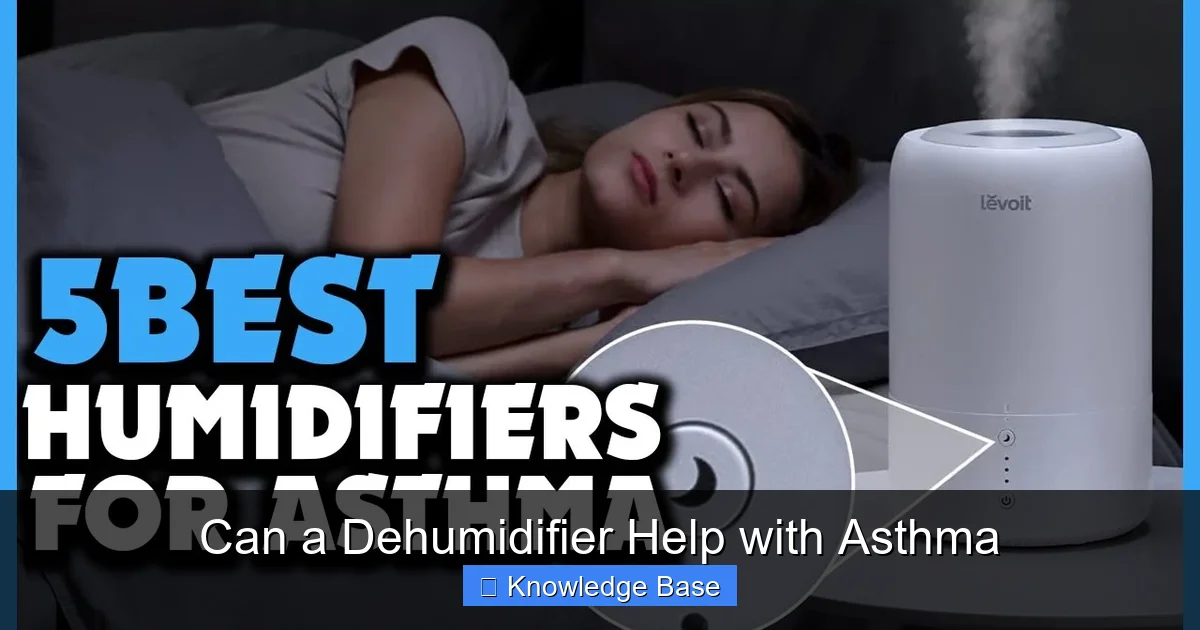
Yes, a dehumidifier can help with asthma by lowering indoor humidity, which reduces allergens like mold, dust mites, and mildew. These triggers thrive in moist environments, so maintaining ideal humidity levels (30–50%) can ease breathing and reduce asthma flare-ups. While not a cure, a dehumidifier is a valuable tool in a comprehensive asthma management plan.
Key Takeaways
- Reduces allergens: Dehumidifiers lower humidity, making it harder for dust mites, mold, and mildew to grow—common asthma triggers.
- Improves indoor air quality: By controlling moisture, dehumidifiers help prevent musty odors and airborne irritants that can worsen asthma symptoms.
- Supports better breathing: Dryer air is easier to breathe, especially for people with sensitive airways or exercise-induced asthma.
- Complements other treatments: Use alongside HEPA filters, regular cleaning, and prescribed medications for best results.
- Choose the right model: Look for energy-efficient units with auto-humidity control and proper capacity for your room size.
- Maintenance matters: Clean filters and empty water tanks regularly to prevent bacteria and mold buildup inside the unit.
- Not a standalone solution: A dehumidifier works best as part of a holistic approach to asthma management, including medical care and allergen avoidance.
Quick Answers to Common Questions
Can a dehumidifier help with asthma?
Yes, a dehumidifier can help with asthma by reducing indoor humidity, which limits the growth of mold, dust mites, and mildew—common asthma triggers.
What humidity level is best for asthma?
The ideal indoor humidity level for asthma sufferers is between 30% and 50%. This range prevents allergen growth while keeping air comfortable to breathe.
Do I need a dehumidifier in every room?
No, but it’s helpful in high-moisture areas like basements, bathrooms, and bedrooms. A portable unit can be moved as needed.
Can a dehumidifier replace an air purifier?
No. A dehumidifier controls moisture, while an air purifier removes airborne particles. They work best together for asthma relief.
How often should I clean my dehumidifier?
Clean the water tank daily and wash or replace the filter every 2–4 weeks to prevent mold and bacteria buildup inside the unit.
📑 Table of Contents
- Can a Dehumidifier Help with Asthma? A Complete Guide
- How Humidity Affects Asthma and Respiratory Health
- Common Asthma Triggers That Thrive in Humid Environments
- How a Dehumidifier Works to Improve Indoor Air Quality
- Choosing the Right Dehumidifier for Asthma Relief
- Tips for Using a Dehumidifier to Maximize Asthma Benefits
- Limitations and When a Dehumidifier Isn’t Enough
- Conclusion: Breathing Easier with a Dehumidifier
Can a Dehumidifier Help with Asthma? A Complete Guide
If you or someone you love lives with asthma, you know how unpredictable and frustrating it can be. One day you’re breathing easy, and the next, a coughing fit or tightness in your chest hits out of nowhere. While medications and inhalers are essential, many people overlook a simple but powerful tool that can make a real difference: the dehumidifier.
You might be wondering—can a dehumidifier actually help with asthma? The short answer is yes. But it’s not magic. It works by tackling one of the root causes of indoor asthma triggers: excess moisture. When humidity levels rise above 50%, your home becomes a breeding ground for allergens like mold, dust mites, and mildew. These tiny invaders don’t just make your house smell musty—they can set off asthma symptoms, especially at night or during seasonal changes.
Think of your home like a greenhouse. When it’s damp and humid, everything feels sticky, and you might notice condensation on windows or a damp smell in the basement. That same moisture feeds the very things that irritate your lungs. A dehumidifier pulls that excess moisture from the air, creating a drier, cleaner environment that’s harder for allergens to survive in. It’s like turning down the thermostat on asthma triggers.
But before you rush out to buy one, it’s important to understand how dehumidifiers work, when they’re most effective, and how to use them properly. This guide will walk you through everything you need to know—from the science behind humidity and asthma to practical tips for choosing and maintaining the right unit. Whether you’re dealing with seasonal allergies, chronic asthma, or just want to breathe easier at home, a dehumidifier might be the quiet hero you’ve been missing.
How Humidity Affects Asthma and Respiratory Health

Visual guide about Can a Dehumidifier Help with Asthma
Image source: healthy-talks.com
To understand why a dehumidifier can help with asthma, it’s important to first grasp the role humidity plays in respiratory health. Humidity refers to the amount of water vapor in the air. While some moisture is necessary for comfort, too much can create problems—especially for people with asthma.
High humidity levels (above 60%) create the perfect conditions for allergens to thrive. Dust mites, for example, are microscopic creatures that live in bedding, carpets, and upholstery. They feed on dead skin cells and reproduce rapidly in warm, moist environments. According to the American Lung Association, dust mites are one of the most common indoor asthma triggers. When humidity drops below 50%, their survival rate plummets—making your home less hospitable to these tiny pests.
Mold is another major concern. It grows on damp surfaces like bathroom tiles, basement walls, or under sinks. Mold spores float in the air and can be inhaled, triggering coughing, wheezing, and shortness of breath in sensitive individuals. In fact, the Centers for Disease Control and Prevention (CDC) notes that mold exposure is linked to increased asthma symptoms and even the development of asthma in children.
High humidity also contributes to the growth of mildew, which gives off a musty odor and can irritate the airways. Even if you can’t see it, mold and mildew can be lurking in hidden corners, releasing spores that worsen asthma over time.
On the flip side, air that’s too dry (below 30% humidity) can also be problematic. It can dry out your nasal passages and throat, making you more susceptible to infections and irritation. That’s why the ideal indoor humidity range for asthma sufferers is between 30% and 50%. This balance keeps allergens in check while maintaining comfortable, breathable air.
A dehumidifier helps maintain this sweet spot by removing excess moisture from the air. It works like an air conditioner in reverse—drawing in humid air, cooling it to condense the moisture, and then releasing dry air back into the room. The collected water is stored in a tank or drained away, depending on the model.
For example, imagine you live in a humid climate like Florida or Louisiana. During the summer, your basement might feel damp, and you notice a musty smell. That’s a red flag for mold and dust mites. Running a dehumidifier in that space can reduce humidity from 70% to 45% in just a few days, making it much harder for allergens to survive. Over time, you may notice fewer nighttime coughs, less wheezing, and improved sleep quality.
It’s also worth noting that high humidity can make it feel harder to breathe, even without allergens. When the air is thick and moist, your lungs have to work harder to exchange oxygen. This can be especially challenging during physical activity or in hot weather. By lowering humidity, a dehumidifier makes the air feel lighter and easier to breathe—giving your respiratory system a much-needed break.
Common Asthma Triggers That Thrive in Humid Environments

Visual guide about Can a Dehumidifier Help with Asthma
Image source: cdn.shopify.com
Asthma is a chronic condition characterized by inflammation and narrowing of the airways, leading to symptoms like wheezing, chest tightness, and shortness of breath. While triggers vary from person to person, many are directly linked to indoor air quality—and humidity plays a major role in creating environments where these triggers flourish.
Let’s take a closer look at the most common asthma triggers that thrive in humid conditions:
Dust Mites
Dust mites are invisible to the naked eye, but they’re everywhere—especially in bedrooms. They love warm, moist environments and are most active in humidity levels above 60%. A single gram of dust can contain thousands of these tiny creatures. When you breathe them in, your immune system may overreact, leading to asthma symptoms.
Using a dehumidifier can significantly reduce dust mite populations. Studies show that maintaining humidity below 50% can cut dust mite numbers by up to 80%. Combine this with regular vacuuming using a HEPA filter and washing bedding in hot water weekly, and you’ve got a powerful defense against these common triggers.
Mold and Mildew
Mold grows on any damp surface—walls, ceilings, carpets, and even inside walls. It releases spores into the air, which can be inhaled and trigger asthma attacks. Mildew, a type of surface mold, often appears as black or green spots in bathrooms or basements.
A dehumidifier helps prevent mold growth by keeping surfaces dry. For instance, if you notice condensation on your windows in the morning, that’s a sign of high indoor humidity. Running a dehumidifier in the affected room can eliminate that moisture before mold has a chance to take hold.
Pet Dander and Dander-Eating Mites
While pet dander itself isn’t caused by humidity, the environment that supports it is. Pets shed skin flakes (dander), which dust mites feed on. In humid homes, this creates a cycle: more dander + more mites = more allergens in the air.
By lowering humidity, you disrupt this cycle. A dehumidifier reduces mite populations, which in turn reduces the overall allergen load—even if you can’t part with your furry friend.
Cockroach Droppings
Believe it or not, cockroach allergens are a leading cause of asthma in urban areas. These pests thrive in warm, damp environments like kitchens and basements. Their droppings and body parts become airborne and can trigger severe reactions.
Reducing humidity makes your home less attractive to cockroaches. Pair a dehumidifier with proper sanitation—sealing food, fixing leaks, and keeping trash covered—and you’ll create an environment that’s unwelcoming to these unwelcome guests.
Musty Odors and Volatile Organic Compounds (VOCs)
High humidity can amplify musty smells, which are often a sign of mold or mildew. These odors aren’t just unpleasant—they can irritate the airways and worsen asthma symptoms. Additionally, damp conditions can increase the release of VOCs from paints, cleaners, and furniture, further degrading air quality.
A dehumidifier helps by drying out the air and reducing the conditions that allow these odors and chemicals to linger.
How a Dehumidifier Works to Improve Indoor Air Quality
Now that you understand the link between humidity and asthma triggers, let’s dive into how a dehumidifier actually works to improve your indoor air quality.
At its core, a dehumidifier is a device that removes excess moisture from the air. It does this through a process similar to how an air conditioner works, but with a focus on humidity rather than temperature.
Here’s a step-by-step breakdown of how most dehumidifiers operate:
1. **Air Intake:** A fan pulls humid air from the room into the unit.
2. **Cooling Coils:** The air passes over cold coils, causing the moisture in the air to condense into water droplets.
3. **Water Collection:** The collected water drips into a built-in tank or is drained through a hose.
4. **Reheating:** The now-dry air passes over warm coils to bring it back to room temperature.
5. **Air Output:** The dry, comfortable air is released back into the room.
This cycle repeats continuously, gradually lowering the humidity level until it reaches the desired setting—usually between 30% and 50%.
There are two main types of dehumidifiers: refrigerant (compressor-based) and desiccant. Refrigerant models are the most common and work best in warm, humid climates. They’re energy-efficient and effective at removing large amounts of moisture. Desiccant dehumidifiers use a moisture-absorbing material (like silica gel) and are better suited for cooler environments or smaller spaces.
One of the biggest advantages of using a dehumidifier is its ability to create a consistent indoor climate. Unlike opening windows or using fans—which can let in pollen, pollution, or more humidity—a dehumidifier works indoors, 24/7, to maintain optimal conditions.
For example, let’s say you have a child with asthma who wakes up coughing every night. You’ve tried air purifiers and allergy-proof bedding, but the problem persists. After checking your home’s humidity, you discover it’s consistently above 60%, especially in the bedroom. You install a dehumidifier and set it to maintain 45% humidity. Within a week, the coughing decreases, and your child sleeps more soundly. That’s the power of controlling moisture.
Another benefit is odor reduction. Musty smells from basements, closets, or laundry rooms often disappear once humidity is under control. This not only makes your home more pleasant but also reduces exposure to mold-related irritants.
It’s also worth noting that dehumidifiers can help protect your home’s structure. Excess moisture can warp wood, peel paint, and damage electronics. By preventing these issues, you’re not just improving air quality—you’re also preserving your investment.
Choosing the Right Dehumidifier for Asthma Relief
Not all dehumidifiers are created equal, especially when it comes to helping with asthma. Choosing the right model can make a big difference in effectiveness, energy use, and long-term results.
Here are the key factors to consider when shopping for a dehumidifier to support asthma management:
Size and Capacity
Dehumidifiers are rated by how many pints of moisture they can remove in 24 hours. For most homes, a 30- to 50-pint unit is sufficient. Smaller rooms (like bedrooms or bathrooms) may only need a 20-pint model, while basements or large living areas might require 70 pints or more.
To determine the right size, consider the square footage of the space and the humidity level. A damp basement in a humid climate will need a larger, more powerful unit than a slightly humid bedroom.
Humidity Control and Auto Settings
Look for a dehumidifier with a built-in humidistat—a sensor that measures humidity and automatically turns the unit on or off to maintain your desired level. This ensures consistent performance without constant monitoring.
Some advanced models even have smart features, like Wi-Fi connectivity and app control, so you can adjust settings from your phone.
Energy Efficiency
Dehumidifiers can use a lot of electricity, especially if run continuously. Choose an ENERGY STAR-certified model to save on energy bills and reduce environmental impact. These units are up to 15% more efficient than standard models.
Noise Level
If you plan to use the dehumidifier in a bedroom or living room, noise matters. Look for units with a low decibel (dB) rating—ideally under 50 dB. Many modern models are designed to operate quietly, making them ideal for nighttime use.
Filter Quality
Some dehumidifiers come with built-in air filters that capture dust, pollen, and other particles as the air passes through. While not a replacement for a standalone air purifier, this added feature can improve overall air quality.
Make sure the filter is washable or easy to replace, and clean it regularly to prevent mold growth inside the unit.
Drainage Options
Most dehumidifiers have a water tank that needs to be emptied manually. However, if you’re running the unit continuously, consider a model with a continuous drainage option. You can attach a hose to drain water directly into a floor drain or sump pump, eliminating the need to empty the tank.
Placement and Portability
Choose a dehumidifier with wheels or a handle for easy movement. You may want to use it in different rooms—like the basement during the day and the bedroom at night. A portable unit gives you flexibility.
For example, the hOmeLabs 50-Pint Dehumidifier is a popular choice for large spaces. It has a built-in pump for continuous drainage, a washable filter, and quiet operation. Meanwhile, the Eva-Dry E-333 is a small, desiccant model perfect for closets or RVs.
Tips for Using a Dehumidifier to Maximize Asthma Benefits
Buying the right dehumidifier is only half the battle. To get the most asthma relief, you need to use it correctly and maintain it properly.
Here are some practical tips to help you get the best results:
Set the Right Humidity Level
Aim to keep indoor humidity between 30% and 50%. Use a hygrometer (a small, inexpensive device) to monitor levels. If the air feels sticky or you see condensation, your humidity is too high. If your skin feels dry or you get static shocks, it might be too low.
Run It Consistently
Don’t just turn the dehumidifier on during allergy season. Use it year-round, especially in high-moisture areas like basements, bathrooms, and laundry rooms. Consistent use prevents allergens from building up.
Clean and Maintain Regularly
Follow the manufacturer’s instructions for cleaning. Empty the water tank daily if needed, and wash the filter every 2–4 weeks. Mold can grow inside the unit if it’s not maintained, which would defeat the purpose.
Combine with Other Asthma Management Strategies
A dehumidifier works best as part of a comprehensive plan. Use it alongside:
– HEPA air purifiers
– Regular vacuuming with a HEPA filter
– Washing bedding in hot water weekly
– Sealing cracks to prevent pests
– Avoiding scented candles and harsh cleaners
Monitor for Signs of Improvement
Keep a symptom diary to track changes in your asthma. Note when you use the dehumidifier, humidity levels, and any changes in coughing, wheezing, or medication use. This can help you and your doctor assess its effectiveness.
Be Patient
It may take a few weeks to notice a difference. Allergen populations don’t disappear overnight. But with consistent use, you should see fewer triggers and easier breathing over time.
Limitations and When a Dehumidifier Isn’t Enough
While a dehumidifier can be a powerful tool for managing asthma, it’s not a cure-all. There are situations where it may not be enough—or even appropriate.
For example, if your asthma is primarily triggered by outdoor allergens like pollen or pollution, a dehumidifier won’t help much. In these cases, an air purifier with a HEPA filter or staying indoors during high-pollen days may be more effective.
Similarly, if your home has a serious mold problem, simply running a dehumidifier won’t solve it. You may need professional mold remediation to remove existing growth before the dehumidifier can prevent future issues.
Also, dehumidifiers don’t remove existing allergens—they only prevent new ones from forming. So if your carpets are already infested with dust mites, you’ll still need to clean or replace them.
Finally, remember that asthma is a medical condition that requires professional care. Always follow your doctor’s treatment plan, including medications and regular check-ups. A dehumidifier is a supportive tool, not a replacement for medical treatment.
Conclusion: Breathing Easier with a Dehumidifier
So, can a dehumidifier help with asthma? The answer is a resounding yes—when used correctly and as part of a broader asthma management strategy. By reducing indoor humidity, a dehumidifier creates an environment where common asthma triggers like mold, dust mites, and mildew struggle to survive. This can lead to fewer symptoms, better sleep, and improved quality of life.
But it’s not a magic bullet. You still need to maintain the unit, combine it with other allergen-reducing practices, and work with your healthcare provider. Think of it as one piece of the puzzle—a quiet, hardworking ally in your quest for cleaner, easier breathing.
If you’re ready to take control of your indoor air quality, start by checking your home’s humidity levels. If they’re consistently above 50%, a dehumidifier could be the game-changer you’ve been looking for. With the right model, proper use, and a commitment to maintenance, you’ll be well on your way to a healthier, more comfortable home.
Frequently Asked Questions
Can a dehumidifier make asthma worse?
Generally, no—but if the unit isn’t cleaned regularly, mold or bacteria can grow inside and be released into the air, potentially worsening symptoms.
Is a dehumidifier safe to use at night?
Yes, especially models designed for quiet operation. Running it at night can reduce nighttime asthma symptoms by keeping bedroom air dry and clean.
Do dehumidifiers use a lot of electricity?
They can, but ENERGY STAR-certified models are more efficient. Running them only when needed and choosing the right size helps reduce energy use.
Can I use a dehumidifier in winter?
Yes, especially in basements or poorly ventilated areas. Cold air holds less moisture, but indoor humidity can still rise from cooking, showering, or drying clothes.
How long does it take to see results?
Most people notice improvements in air quality within a few days, but it may take 2–4 weeks to see a significant reduction in asthma symptoms.
Are there alternatives to dehumidifiers for asthma?
Yes, including air purifiers, HEPA vacuums, and improving ventilation. However, dehumidifiers are uniquely effective at targeting moisture-related triggers.