
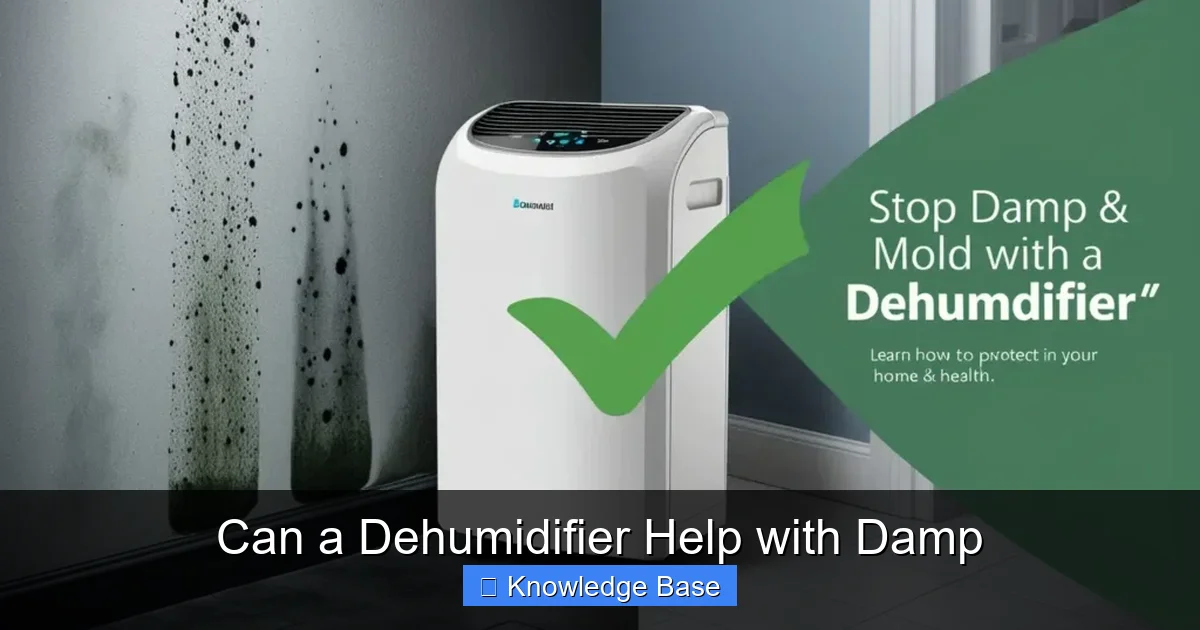
Yes, a dehumidifier can significantly help with damp problems by reducing excess moisture in the air. It prevents mould growth, eliminates musty smells, and protects your home’s structure and your health.
Key Takeaways
- Dehumidifiers reduce airborne moisture: They extract water vapour from the air, lowering humidity levels to prevent condensation and dampness.
- They help prevent mould and mildew: By maintaining humidity below 60%, dehumidifiers create an environment where mould spores cannot thrive.
- Improved indoor air quality: Less moisture means fewer allergens like dust mites and mould, benefiting respiratory health.
- Protects home structure and belongings: Damp can damage walls, wood, and fabrics—dehumidifiers help preserve your property.
- Energy-efficient solution: Modern units use less electricity and can complement heating systems to reduce overall energy use.
- Best for condensation and rising damp: Most effective for moisture from condensation; may need extra measures for severe penetrating damp.
- Proper placement and maintenance matter: For best results, run the unit in affected areas and clean filters regularly.
Quick Answers to Common Questions
Can a dehumidifier completely eliminate damp?
A dehumidifier can significantly reduce damp caused by condensation and high humidity, but it may not fully resolve structural issues like rising or penetrating damp. It’s most effective when used alongside repairs and proper ventilation.
How long should I run a dehumidifier each day?
Run your dehumidifier for 6–12 hours daily, especially in humid conditions or after activities that produce moisture. Use auto mode if available to maintain optimal humidity levels.
Will a dehumidifier increase my electricity bill?
Modern energy-efficient models use relatively little power. While there is a cost, the savings from reduced heating and mould damage often outweigh it.
Can I use a dehumidifier in winter?
Yes, especially in poorly insulated homes where condensation is common. Desiccant models work well in cold temperatures, while refrigerant units may need auto-defrost features.
Do I need a dehumidifier if I have central heating?
Central heating doesn’t remove moisture—it can even increase condensation if ventilation is poor. A dehumidifier helps balance humidity, especially in sealed, energy-efficient homes.
📑 Table of Contents
- Can a Dehumidifier Help with Damp? The Complete Guide
- Understanding Damp: Types and Causes
- How Dehumidifiers Work to Combat Damp
- Benefits of Using a Dehumidifier for Damp
- Choosing the Right Dehumidifier for Your Needs
- Tips for Using a Dehumidifier Effectively
- When a Dehumidifier Isn’t Enough
- Conclusion
Can a Dehumidifier Help with Damp? The Complete Guide
If you’ve ever noticed dark patches on your walls, a musty smell in the air, or condensation streaming down your windows, you’ve likely encountered damp. It’s a common issue in many homes—especially in colder months or in poorly ventilated spaces. Damp doesn’t just look unpleasant; it can damage your property and affect your health. So, what’s the solution? One popular and effective tool is the dehumidifier. But can a dehumidifier really help with damp?
The short answer is yes—dehumidifiers are specifically designed to tackle excess moisture in the air, which is often the root cause of damp problems. Whether you’re dealing with condensation on windows, mould in the bathroom, or a damp patch on an external wall, a dehumidifier can play a crucial role in managing and preventing these issues. But it’s not a magic fix for every type of damp, and understanding how and when to use one is key to getting the best results.
In this guide, we’ll explore exactly how dehumidifiers work, the types of damp they can help with, and practical tips for using them effectively. We’ll also look at when you might need additional solutions and how to maintain your unit for long-term success. By the end, you’ll know whether a dehumidifier is the right choice for your home—and how to use it to create a healthier, drier living space.
Understanding Damp: Types and Causes
Visual guide about Can a Dehumidifier Help with Damp
Image source: cdn.mos.cms.futurecdn.net
Before we dive into how dehumidifiers help, it’s important to understand what damp actually is—and why it happens. Damp refers to the presence of unwanted moisture in a building, and it can show up in several different forms. Each type has its own causes and solutions, so identifying the kind of damp you’re dealing with is the first step toward fixing it.
Condensation Damp
This is the most common type of damp in homes, especially in colder climates. It occurs when warm, moist air comes into contact with cold surfaces—like windows, walls, or mirrors—causing water vapour to condense into liquid. You’ve probably seen this as water droplets on your bathroom mirror after a shower or foggy windows in the morning.
Condensation is often caused by everyday activities: cooking, showering, drying clothes indoors, and even breathing. Poor ventilation makes it worse, as moist air has nowhere to escape. Over time, this moisture can soak into walls and ceilings, leading to peeling paint, black mould growth, and a musty odour.
Rising Damp
Rising damp occurs when groundwater moves upward through porous building materials like brick or stone, usually due to a broken or missing damp-proof course (DPC). It typically affects the lower sections of walls and can cause tide marks, crumbling plaster, and damaged skirting boards.
Unlike condensation, rising damp is a structural issue and usually requires professional repair. However, a dehumidifier can help manage the moisture levels in the affected area while you address the root cause.
Penetrating Damp
This type of damp happens when water enters a building from the outside—through leaking roofs, cracked walls, faulty gutters, or broken window seals. It can appear as damp patches that grow over time, often accompanied by staining and mould.
Penetrating damp is usually seasonal, worsening during heavy rain. While a dehumidifier can help dry out the affected area, it won’t stop the water from entering in the first place. Fixing the source of the leak is essential.
Hygroscopic Damp
This less common type occurs when materials in your home absorb moisture from the air, even if there’s no direct water source. Salts in the walls can attract water vapour, leading to damp patches that worsen in humid conditions.
Dehumidifiers can be particularly helpful here, as reducing indoor humidity limits the amount of moisture these materials can absorb.
Understanding these different types of damp helps you choose the right solution. While dehumidifiers are excellent for managing moisture from condensation and hygroscopic damp, they’re not a standalone fix for structural issues like rising or penetrating damp. But in all cases, they can support the drying process and prevent further damage.
How Dehumidifiers Work to Combat Damp
Visual guide about Can a Dehumidifier Help with Damp
Image source: img-s-msn-com.akamaized.net
So, how exactly does a dehumidifier help with damp? At its core, a dehumidifier is a device that removes excess moisture from the air. It works by drawing in humid air, extracting the water vapour, and then releasing drier air back into the room. This process lowers the overall humidity level, making it harder for damp-related problems to develop.
The Science Behind Moisture Removal
Most household dehumidifiers use one of two main technologies: refrigerant (compressor) or desiccant.
Refrigerant dehumidifiers are the most common. They work similarly to an air conditioner. A fan pulls moist air over cold coils, causing the water vapour to condense into liquid. This water collects in a tank or drains away, while the now-drier air passes over warm coils and is released back into the room. These units are highly effective in warm, humid environments and are ideal for everyday use in homes.
Desiccant dehumidifiers, on the other hand, use a moisture-absorbing material (like silica gel) to trap water vapour. The air passes over this material, which absorbs the moisture, and then a heater regenerates the desiccant so it can continue working. These models are better suited for colder climates or spaces where temperatures drop below 15°C (59°F), as they don’t rely on condensation.
Both types reduce indoor humidity, but they do so in different ways. The result, however, is the same: less moisture in the air means less condensation on surfaces, slower mould growth, and a drier, more comfortable environment.
Humidity Levels and Damp Prevention
The ideal indoor humidity level is between 30% and 50%. When humidity rises above 60%, the risk of condensation, mould, and dust mites increases significantly. Dehumidifiers help maintain this optimal range by continuously monitoring and adjusting the moisture content in the air.
For example, if you live in a coastal area or have a poorly insulated home, your indoor humidity might regularly hit 70% or higher—especially in winter. Running a dehumidifier can bring it down to a safer level, preventing the conditions that lead to damp.
Many modern dehumidifiers come with built-in hygrometers (humidity sensors) and automatic settings. You can set your desired humidity level—say, 45%—and the unit will turn on and off as needed to maintain it. This not only prevents damp but also saves energy by avoiding unnecessary operation.
Real-World Impact on Damp Problems
Let’s look at a practical example. Imagine you have a bathroom with no extractor fan. After every shower, steam fills the room, and water droplets form on the walls and ceiling. Over time, black mould starts to grow in the corners.
By placing a dehumidifier in or near the bathroom and running it for an hour after each shower, you can significantly reduce the moisture in the air. The unit captures the steam before it has a chance to condense on cold surfaces. Within a few weeks, you’ll notice less condensation, slower mould growth, and a fresher smell.
Similarly, in a damp basement or laundry room, a dehumidifier can keep the air dry enough to prevent clothes from smelling musty and stop walls from feeling cold and clammy. It’s a simple, proactive way to protect your home from the effects of excess moisture.
Benefits of Using a Dehumidifier for Damp
Using a dehumidifier to manage damp offers a wide range of benefits—not just for your home, but for your health and comfort too. Let’s explore the key advantages in detail.
Prevents Mould and Mildew Growth
Mould thrives in damp, humid environments. Spores can begin to grow within 24 to 48 hours of moisture exposure. Once established, mould can spread quickly, damaging walls, furniture, and fabrics. It also releases allergens and irritants that can trigger asthma, allergies, and respiratory issues.
By keeping humidity levels low, a dehumidifier creates an environment where mould simply can’t survive. This is especially important in areas prone to damp, like bathrooms, kitchens, basements, and bedrooms. Regular use can stop mould before it starts—or help eliminate it if it’s already present.
Eliminates Musty Odours
That damp, earthy smell in basements or wardrobes? It’s often caused by mould, mildew, or stagnant moisture. Even if you can’t see the mould, the odour indicates that damp is present.
Dehumidifiers help by drying out the air and reducing the conditions that cause these smells. Over time, the musty scent fades, and your home smells fresher and cleaner. This is particularly helpful in closets, where clothes can absorb moisture and develop a stale odour.
Protects Your Home’s Structure and Belongings
Excess moisture doesn’t just affect surfaces—it can weaken building materials over time. Wood can warp or rot, plaster can crumble, and metal fixtures can rust. In severe cases, damp can compromise the structural integrity of a wall or floor.
A dehumidifier helps preserve your home by maintaining a dry environment. It also protects your belongings: books, electronics, photographs, and fabrics are all vulnerable to moisture damage. By keeping the air dry, you extend the life of your possessions and reduce the need for costly repairs.
Improves Indoor Air Quality
High humidity doesn’t just encourage mould—it also supports dust mites, which are common indoor allergens. Dust mites feed on dead skin cells and thrive in humid conditions. Their waste products can trigger allergic reactions and worsen asthma symptoms.
By reducing humidity, a dehumidifier makes your home less hospitable to dust mites. This leads to cleaner, healthier air and can significantly improve respiratory comfort, especially for people with allergies or asthma.
Enhances Comfort and Energy Efficiency
Humid air feels heavier and stickier, making your home feel warmer than it actually is. This can lead to overuse of air conditioning in summer or heating in winter, increasing energy bills.
A dehumidifier helps you feel more comfortable at lower temperatures. In summer, you may be able to raise your thermostat a few degrees without sacrificing comfort. In winter, dry air feels warmer, so you might reduce heating usage. Over time, this can lead to noticeable energy savings.
Additionally, some dehumidifiers are designed to work alongside your heating system. By removing moisture, they help your heater work more efficiently, as dry air transfers heat better than humid air.
Choosing the Right Dehumidifier for Your Needs
Not all dehumidifiers are created equal. Choosing the right one depends on the size of your space, the severity of the damp, and your specific requirements. Here’s what to consider when shopping for a dehumidifier.
Capacity and Room Size
Dehumidifiers are rated by how much water they can remove in 24 hours, usually measured in litres or pints. A small unit might remove 10–15 litres per day, while a large one can handle 20–30 litres or more.
For a small bathroom or closet, a compact 10–12 litre model may be sufficient. For a damp basement, large bedroom, or open-plan living area, you’ll need a higher-capacity unit—20 litres or more.
Always check the manufacturer’s recommendations for room size. A dehumidifier that’s too small won’t be effective, while one that’s too large may cycle on and off too frequently, reducing efficiency.
Energy Efficiency
Look for models with an Energy Star rating or high energy efficiency class (like A++ or A+++). These units use less electricity to remove the same amount of moisture, saving you money on your energy bill.
Some dehumidifiers also feature eco-modes, timers, and auto-defrost functions, which further improve efficiency—especially in colder environments.
Noise Level
Dehumidifiers use fans and compressors, which can generate noise. If you plan to use it in a bedroom or living room, choose a model with a low decibel (dB) rating—ideally under 50 dB for quiet operation.
Desiccant models tend to be quieter than refrigerant ones, making them a good choice for noise-sensitive areas.
Drainage Options
Most dehumidifiers collect water in an internal tank that needs to be emptied regularly. For convenience, look for models with large tanks (2–4 litres) or continuous drainage options.
If you’re using the unit in a basement or unattended space, a hose attachment for continuous drainage is ideal. This allows the water to flow directly into a sink, drain, or sump pump, so you don’t have to empty the tank manually.
Additional Features
Modern dehumidifiers often include helpful extras:
– Hygrostat: Lets you set and maintain a specific humidity level.
– Auto-restart: Resumes operation after a power outage.
– Air filter: Captures dust and allergens, improving air quality.
– Timer: Allows you to schedule operation for specific times.
These features enhance usability and help the dehumidifier work more effectively with minimal effort on your part.
Tips for Using a Dehumidifier Effectively
Owning a dehumidifier is one thing—using it properly is another. To get the best results, follow these practical tips.
Place It in the Right Location
Position your dehumidifier in the area with the highest moisture levels. This is often the bathroom, kitchen, basement, or a damp bedroom. Avoid placing it in a corner or behind furniture, as this can block airflow.
For whole-house coverage, consider moving the unit between rooms or using multiple smaller units in problem areas.
Run It Consistently
Dehumidifiers work best when used regularly. Aim to run yours for several hours a day, especially during humid weather or after activities that produce moisture (like showering or cooking).
If your model has an auto mode, use it. The unit will monitor humidity and adjust accordingly, saving energy and maintaining optimal conditions.
Maintain the Unit
Regular maintenance ensures your dehumidifier runs efficiently and lasts longer. Clean the air filter every few weeks to prevent dust buildup. Empty the water tank before it fills up, and wipe it out to prevent mould or bacteria growth.
If your unit has a desiccant wheel or refrigerant coils, follow the manufacturer’s cleaning instructions. Some models have washable filters, while others require replacement.
Improve Ventilation
A dehumidifier works best when paired with good ventilation. Use extractor fans in bathrooms and kitchens, open windows when weather permits, and avoid drying clothes indoors without proper airflow.
In winter, trickle vents or slightly opened windows can help moist air escape, reducing the workload on your dehumidifier.
Monitor Humidity Levels
Use a standalone hygrometer to check the humidity in your home. This helps you verify that your dehumidifier is working and allows you to adjust settings as needed.
Aim to keep indoor humidity between 30% and 50%. If it’s consistently higher, you may need a larger unit or additional ventilation.
When a Dehumidifier Isn’t Enough
While dehumidifiers are powerful tools, they’re not a cure-all for every damp problem. In some cases, you’ll need to address the root cause with additional measures.
Structural Repairs
If you have rising or penetrating damp, a dehumidifier can help manage moisture, but it won’t fix the underlying issue. You’ll need to repair broken gutters, seal cracks, or install a new damp-proof course. Consult a building professional for serious structural damp.
Insulation and Ventilation Upgrades
Poor insulation can cause cold spots where condensation forms. Upgrading wall, loft, or window insulation can reduce this risk. Similarly, installing mechanical ventilation (like positive input ventilation systems) can improve airflow and reduce humidity.
Combining Solutions
For best results, use a dehumidifier alongside other damp prevention strategies. For example, fix leaks, improve ventilation, and use moisture-absorbing products in wardrobes. A multi-pronged approach is often the most effective.
Conclusion
So, can a dehumidifier help with damp? Absolutely. These devices are highly effective at reducing excess moisture, preventing mould, and improving indoor air quality. They’re especially useful for managing condensation and hygroscopic damp, and they can support the drying process in cases of rising or penetrating damp.
However, a dehumidifier is most effective when used as part of a broader damp management strategy. Combine it with good ventilation, timely repairs, and regular maintenance for the best results. Choose the right model for your space, use it consistently, and monitor humidity levels to keep your home dry and healthy.
Investing in a dehumidifier isn’t just about fixing a damp patch—it’s about creating a more comfortable, safer, and longer-lasting living environment. Whether you’re dealing with a musty basement, mouldy bathroom, or clammy bedroom, a dehumidifier can be a simple, affordable, and powerful solution.
Frequently Asked Questions
What humidity level should I aim for to prevent damp?
Keep indoor humidity between 30% and 50%. Levels above 60% encourage mould and condensation, while below 30% can cause dryness and discomfort.
Can a dehumidifier help with black mould?
Yes, by reducing moisture, a dehumidifier makes it harder for mould to grow. However, existing mould should be cleaned with appropriate products, and the source of moisture addressed.
Is a dehumidifier the same as an air purifier?
No. A dehumidifier removes moisture from the air, while an air purifier filters out pollutants like dust, pollen, and smoke. Some models combine both functions.
How often should I empty the water tank?
Empty the tank when it’s two-thirds full to prevent overflow. If using continuous drainage, check the hose regularly for blockages.
Can I use a dehumidifier in a basement?
Yes, basements are often damp and benefit greatly from dehumidifiers. Choose a model with high capacity and continuous drainage for best results.
Do dehumidifiers work in small rooms?
Yes, compact models are ideal for small spaces like bathrooms, closets, or single bedrooms. Ensure the unit’s capacity matches the room size.