

Dehumidifiers are designed to improve indoor air quality by reducing excess moisture, but improper use or poor maintenance can actually contribute to health issues. While they help prevent mold and dust mites, a dirty or malfunctioning unit may circulate allergens or dry out the air too much, leading to respiratory discomfort or irritation.
Key Takeaways
- Dehumidifiers reduce humidity to prevent mold and dust mites: By maintaining indoor humidity between 30–50%, dehumidifiers create an environment where allergens struggle to thrive.
- Poorly maintained units can spread bacteria and mold: If filters and water tanks aren’t cleaned regularly, dehumidifiers can become breeding grounds for microorganisms that worsen allergies or asthma.
- Over-drying the air may cause dry skin and respiratory irritation: Excessively low humidity can dry out mucous membranes, leading to sore throats, nosebleeds, or coughing.
- Placement and size matter for safe operation: Using an undersized unit or placing it in a poorly ventilated area can reduce efficiency and increase the risk of mold growth elsewhere.
- Regular cleaning and filter changes are essential: To avoid health risks, clean the water tank weekly and replace or clean filters as recommended by the manufacturer.
- Choose ENERGY STAR-certified models for better air quality: These units are designed with advanced filtration and safety features that minimize airborne contaminants.
- Monitor humidity levels with a hygrometer: Keeping track of indoor humidity ensures your dehumidifier isn’t working too hard or not hard enough.
Quick Answers to Common Questions
Can a dehumidifier make you feel sick?
Yes, if it’s dirty, over-dries the air, or spreads mold and bacteria. Proper maintenance and correct usage prevent most health issues.
How often should I clean my dehumidifier?
Clean the water tank weekly and replace or clean filters every 1–2 months. Wipe down coils and vents regularly to prevent mold.
What humidity level is safe indoors?
Keep indoor humidity between 30% and 50%. Use a hygrometer to monitor levels and adjust your dehumidifier accordingly.
Can a dehumidifier cause dry skin?
Yes, if it lowers humidity too much. Dry air can irritate skin, lips, and airways. Balance moisture levels to avoid over-drying.
Should I run my dehumidifier all the time?
Not necessarily. Run it as needed based on humidity levels. Constant use can over-dry the air and increase energy costs.
📑 Table of Contents
- Can a Dehumidifier Make You Feel Sick?
- How Dehumidifiers Work and Why They’re Important
- Can a Dehumidifier Make You Feel Sick? The Surprising Truth
- Common Health Issues Linked to Dehumidifier Use
- How to Use a Dehumidifier Safely and Effectively
- Signs Your Dehumidifier Might Be Making You Sick
- When to See a Doctor
- Conclusion: Balance Is Key
Can a Dehumidifier Make You Feel Sick?
If you’ve ever walked into a damp basement or noticed that musty smell in your bathroom, you know how uncomfortable high humidity can be. That’s where dehumidifiers come in—they pull excess moisture from the air, making your home feel fresher and more comfortable. But what if your dehumidifier, instead of helping, starts making you feel worse? Can a dehumidifier make you feel sick?
It might sound surprising, but yes—under certain conditions, a dehumidifier can contribute to health problems. While these devices are generally beneficial for people with allergies, asthma, or mold sensitivities, they’re not a “set it and forget it” solution. If not used correctly or maintained properly, dehumidifiers can actually become sources of indoor air pollution. From spreading mold spores to drying out your air too much, there are several ways these helpful appliances can backfire.
The good news? Most of these issues are preventable. With the right knowledge, proper maintenance, and smart usage habits, you can enjoy the benefits of a dehumidifier without the unwanted side effects. In this article, we’ll explore how dehumidifiers work, why they might make you feel unwell, and what you can do to keep your home—and your health—in top shape.
How Dehumidifiers Work and Why They’re Important

Visual guide about Can a Dehumidifier Make You Feel Sick
Image source: dehumidifierhireauckland.co.nz
Before diving into the potential health risks, it’s important to understand how dehumidifiers function and why they’re so valuable in many homes.
Dehumidifiers work by drawing in humid air from the room, passing it over cold coils to condense the moisture, and then releasing drier, warmer air back into the space. The collected water drips into a tank or is drained directly through a hose. This process reduces the overall humidity level, which is measured as relative humidity (RH).
Most experts recommend keeping indoor humidity between 30% and 50%. When humidity climbs above 60%, it creates the perfect environment for mold, mildew, dust mites, and bacteria to grow. These allergens can trigger or worsen respiratory conditions like asthma, allergies, and sinus infections. High humidity can also make your home feel sticky, promote unpleasant odors, and even damage furniture, walls, and electronics.
That’s why dehumidifiers are especially useful in basements, laundry rooms, bathrooms, and other areas prone to moisture. They help prevent structural damage and improve indoor air quality. For people with chronic respiratory issues, a well-functioning dehumidifier can mean fewer symptoms, better sleep, and fewer sick days.
But here’s the catch: a dehumidifier is only as good as its maintenance. If you ignore cleaning, use the wrong settings, or place it in the wrong spot, you might be doing more harm than good.
Can a Dehumidifier Make You Feel Sick? The Surprising Truth
Visual guide about Can a Dehumidifier Make You Feel Sick
Image source: aloraircrawlspace.com
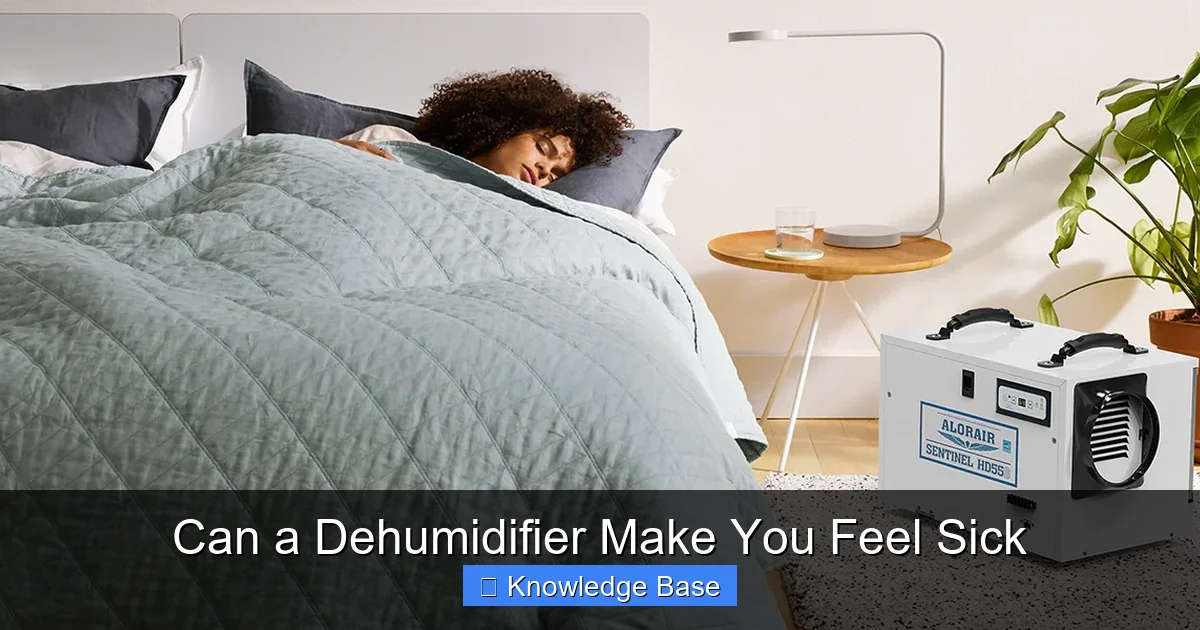
So, can a dehumidifier make you feel sick? The short answer is yes—but not because the machine itself is inherently dangerous. Instead, it’s usually due to misuse, poor maintenance, or misunderstanding how humidity affects your body.
Let’s break it down. A dehumidifier’s job is to remove moisture from the air. When it works correctly, it reduces mold and allergens, which should make you feel better. But if the unit becomes contaminated or if it dries the air too much, it can lead to a range of symptoms that mimic illness.
For example, if the water tank isn’t emptied and cleaned regularly, stagnant water can become a breeding ground for bacteria and mold. When the dehumidifier runs, it can blow these microorganisms back into the air, where you breathe them in. This can cause coughing, sneezing, headaches, fatigue, or even flu-like symptoms—especially in people with weakened immune systems or respiratory conditions.
Similarly, if the air becomes too dry—below 30% humidity—it can irritate your respiratory tract. Your nose, throat, and lungs rely on a certain level of moisture to function properly. When the air is too dry, your mucous membranes can become inflamed, leading to dry coughs, sore throats, nosebleeds, and increased susceptibility to colds and infections.
In rare cases, people have reported feeling “worse” after using a dehumidifier because they were actually dealing with an underlying issue like mold hidden in walls or HVAC systems. The dehumidifier might reduce surface moisture, but if the root cause isn’t addressed, mold spores can still be circulating, causing ongoing health problems.
The bottom line? A dehumidifier won’t make you sick on its own—but it can contribute to illness if not used responsibly. The key is understanding the balance between too much and too little moisture, and keeping your unit clean and well-maintained.
Common Health Issues Linked to Dehumidifier Use
While dehumidifiers are generally safe and beneficial, several health problems can arise when they’re not used correctly. Let’s look at the most common issues people experience.
Respiratory Irritation from Over-Drying
One of the most frequent complaints is dry, irritated airways. When a dehumidifier runs nonstop or is set too low, it can drop indoor humidity below 30%. This dry air can cause:
– Dry, itchy throat
– Persistent cough
– Nosebleeds
– Cracked lips and skin
– Increased susceptibility to colds and flu
Your respiratory system relies on moisture to trap and remove particles. When the air is too dry, this natural defense weakens, making it easier for viruses and bacteria to enter your body. People with asthma or COPD may notice tighter airways or more frequent flare-ups in overly dry environments.
To avoid this, use a hygrometer to monitor humidity levels and adjust your dehumidifier accordingly. If your throat feels scratchy or your skin is unusually dry, it might be a sign the air is too dry.
Allergic Reactions from Mold and Bacteria Growth
Ironically, a dehumidifier meant to reduce mold can actually spread it if not cleaned properly. The water tank, coils, and filters can collect dust, mold spores, and bacteria over time. If these aren’t cleaned regularly, the unit can blow contaminated air back into the room.
Symptoms of exposure include:
– Sneezing and runny nose
– Itchy, watery eyes
– Skin rashes
– Wheezing or shortness of breath
– Headaches and fatigue
This is especially dangerous for people with allergies or asthma. In one case, a woman in Ohio reported worsening allergy symptoms after using a dehumidifier in her basement. After inspection, technicians found black mold growing inside the unit’s tank and filters. Once cleaned and replaced, her symptoms improved significantly.
Headaches and Fatigue from Poor Air Quality
Stagnant air, combined with microbial growth in a dirty dehumidifier, can lead to poor indoor air quality. This can cause:
– Chronic headaches
– Dizziness
– Brain fog
– General fatigue
These symptoms are often mistaken for stress or lack of sleep, but they can be directly linked to airborne contaminants. If you notice these issues after running your dehumidifier, it’s worth checking the unit for cleanliness and airflow.
Worsening of Asthma and Allergies
For people with asthma or allergies, a poorly maintained dehumidifier can be a double-edged sword. While it reduces humidity and mold, a dirty unit can release allergens that trigger attacks. In some cases, the noise or vibration of the dehumidifier can also disrupt sleep, indirectly affecting immune function and symptom severity.
Skin Dryness and Eczema Flare-Ups
Low humidity can dry out your skin, leading to itching, flaking, and irritation. People with eczema or sensitive skin may notice more frequent flare-ups when the air is too dry. Using a humidifier in conjunction with a dehumidifier (in different rooms or at different times) can help maintain balanced moisture levels.
How to Use a Dehumidifier Safely and Effectively
Now that we’ve covered the risks, let’s focus on how to use your dehumidifier the right way—so it helps, not harms, your health.
Choose the Right Size and Type
Not all dehumidifiers are created equal. Using an undersized unit in a large, damp space means it will run constantly, wear out faster, and may not effectively control humidity. Conversely, an oversized unit can cycle on and off too quickly, failing to remove enough moisture.
Check the pint capacity (how much water it can remove in 24 hours) and match it to your room size and humidity level. For example:
– Small rooms (under 500 sq ft): 20–30 pint capacity
– Medium rooms (500–1,500 sq ft): 30–50 pint capacity
– Large or very damp areas: 50+ pint capacity
Also, consider the type: refrigerant (compressor-based) dehumidifiers work best in warm climates, while desiccant models are better for colder areas like basements.
Maintain Proper Humidity Levels
Aim to keep indoor humidity between 30% and 50%. Use a hygrometer (a small, inexpensive device) to monitor levels. If humidity drops below 30%, reduce the dehumidifier’s setting or run it less frequently. If it’s above 50%, increase usage or check for leaks, poor ventilation, or water intrusion.
Avoid setting the dehumidifier to the lowest possible setting. Most units have adjustable humidity controls—use them wisely.
Clean and Maintain Your Unit Regularly
This is the most important step. Follow the manufacturer’s cleaning instructions, but here’s a general guide:
– Empty the water tank daily or use a continuous drain hose.
– Clean the tank with soap and water weekly. For mold, use a mixture of water and white vinegar or a mild bleach solution (1 tablespoon per gallon of water).
– Wash or replace filters every 1–2 months, or as recommended.
– Wipe down coils and vents with a soft brush or vacuum to remove dust.
– Check for mold or mildew buildup inside the unit—especially in hard-to-reach areas.
If you notice a musty smell when the dehumidifier runs, it’s a red flag. Turn it off and clean it immediately.
Place the Dehumidifier Correctly
Position your dehumidifier in the center of the room or near the source of moisture (like a basement corner or laundry area). Keep it at least 6–12 inches away from walls and furniture to allow proper airflow.
Avoid placing it in enclosed spaces like closets unless specifically designed for that use. Good airflow ensures efficient operation and prevents overheating.
Use a HEPA Filter or Air Purifier in Tandem
Some dehumidifiers come with built-in air filters, but many only have basic mesh filters that don’t capture fine particles. Consider using a standalone HEPA air purifier in the same room to trap allergens, mold spores, and bacteria that the dehumidifier might miss.
Monitor for Hidden Mold
If you’re using a dehumidifier but still have mold or allergy symptoms, the problem might not be the air—it could be hidden in walls, under carpets, or in your HVAC system. Have a professional inspect your home if issues persist.
Signs Your Dehumidifier Might Be Making You Sick
How can you tell if your dehumidifier is the culprit behind your symptoms? Watch for these warning signs:
– Symptoms improve when you’re away from home (e.g., at work or on vacation)
– You feel worse after running the dehumidifier for several hours
– You notice a musty or chemical smell when the unit is on
– Visible mold or slime in the water tank or on filters
– Increased coughing, sneezing, or headaches in the room where the dehumidifier runs
– Dry, cracked skin or nosebleeds during use
If you experience any of these, turn off the dehumidifier and inspect it. Clean it thoroughly and consider having your indoor air quality tested.
When to See a Doctor
While most dehumidifier-related symptoms are mild and resolve with proper use, some people may need medical attention. See a doctor if you experience:
– Persistent coughing or wheezing
– Shortness of breath
– Fever or flu-like symptoms
– Skin rashes that don’t improve
– Worsening asthma or allergy symptoms
These could indicate a more serious condition like mold exposure, bacterial infection, or hypersensitivity pneumonitis—a rare but serious lung inflammation caused by inhaling organic dust.
Your doctor may recommend allergy testing, chest X-rays, or air quality assessments to determine the root cause.
Conclusion: Balance Is Key
So, can a dehumidifier make you feel sick? Yes—but only if it’s misused or poorly maintained. When used correctly, dehumidifiers are powerful tools for improving indoor air quality, reducing allergens, and creating a healthier living environment.
The key is balance. Too much humidity invites mold and dust mites. Too little dries out your airways and skin. And a dirty unit can turn your helper into a health hazard.
By choosing the right size, monitoring humidity levels, cleaning regularly, and paying attention to how you feel, you can enjoy all the benefits of a dehumidifier without the risks. Think of it not as a cure-all, but as part of a broader strategy for healthy indoor air—alongside ventilation, cleaning, and air purification.
Remember: your home should be a place of comfort and safety. With a little care, your dehumidifier can help make that a reality.
Frequently Asked Questions
Can a dehumidifier cause respiratory problems?
Yes, if it’s dirty or over-dries the air. Mold, bacteria, or excessively dry air can irritate the respiratory tract and worsen asthma or allergies.
Is it safe to sleep with a dehumidifier on?
Yes, as long as it’s clean and the humidity level is balanced. Choose a quiet, energy-efficient model and ensure proper ventilation.
Can a dehumidifier spread mold?
Only if it’s not cleaned regularly. Stagnant water in the tank or dirty filters can grow mold, which the unit may then blow into the air.
What’s the best place to put a dehumidifier?
Place it in the dampest area, like a basement or bathroom, at least 6 inches from walls. Ensure good airflow for efficient operation.
How do I know if my dehumidifier is working too hard?
If it runs constantly, the room feels very dry, or humidity drops below 30%, it may be overworking. Adjust settings or check for leaks.
Can I use a dehumidifier and humidifier at the same time?
Generally not in the same room, as they work against each other. Use them in different areas or at different times to maintain balanced humidity.