
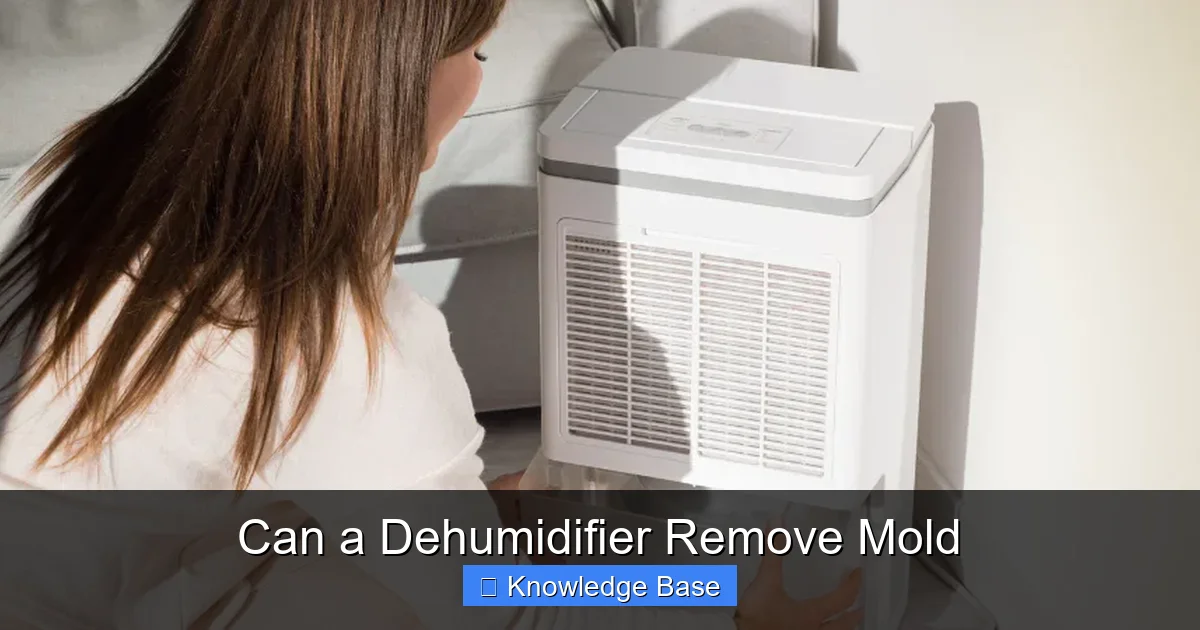
Dehumidifiers don’t kill mold, but they play a crucial role in preventing it by lowering indoor humidity. By maintaining humidity below 60%, they create an environment where mold struggles to grow. For existing mold, dehumidifiers support remediation but aren’t a standalone solution.
Key Takeaways
- Dehumidifiers don’t remove mold directly: They reduce moisture, which inhibits mold growth but won’t eliminate existing colonies.
- Ideal humidity levels prevent mold: Keeping indoor humidity between 30% and 50% significantly reduces the risk of mold development.
- Dehumidifiers support mold remediation: They help dry out damp areas after water damage or mold cleanup, preventing regrowth.
- Placement and maintenance matter: Proper use—like placing the unit in high-moisture areas and cleaning filters—boosts effectiveness.
- Combine with ventilation and cleaning: For best results, pair dehumidifiers with exhaust fans, air purifiers, and regular surface cleaning.
- Different types suit different needs: Refrigerant, desiccant, and whole-house dehumidifiers vary in performance based on climate and space size.
- Early intervention is key: Using a dehumidifier at the first sign of dampness can stop mold before it starts.
[FEATURED_IMAGE_PLACEHOLDER]
Can a Dehumidifier Remove Mold?
If you’ve ever spotted fuzzy green or black patches on your bathroom walls, basement corners, or under the sink, you’ve met mold—and it’s not a friendly encounter. Mold thrives in damp, humid environments, and once it takes hold, it can spread quickly, causing damage to your home and potentially affecting your health. Many people wonder: can a dehumidifier remove mold? It’s a smart question, especially if you’re trying to tackle a moisture problem without calling in expensive professionals.
The short answer? A dehumidifier won’t scrub mold off your walls or kill spores already growing in your home. But it’s one of the most powerful tools you can use to stop mold in its tracks—and prevent it from coming back. Think of a dehumidifier not as a mold killer, but as a mold preventer. By pulling excess moisture from the air, it creates an environment where mold simply can’t survive. In that sense, it’s like turning off the water supply to a fire—you’re not putting out the flames, but you’re stopping them from spreading.
Understanding how mold grows is the first step to beating it. Mold spores are everywhere—floating in the air, sitting on surfaces, waiting for the right conditions to bloom. All they need is moisture, warmth, and organic material (like wood, drywall, or fabric). When humidity levels rise above 60%, especially in poorly ventilated areas, those spores activate and begin to grow. That’s where a dehumidifier steps in. By maintaining indoor humidity between 30% and 50%, it removes the fuel mold needs to thrive.
So while a dehumidifier can’t remove mold that’s already visible, it plays a vital role in both prevention and recovery. If you’ve had a flood, a leaky pipe, or persistent condensation, running a dehumidifier during cleanup helps dry out the area faster, reducing the chance of mold returning. And in everyday use, it keeps your home’s air dry and comfortable, making it a less inviting place for mold to settle in.
In this article, we’ll explore exactly how dehumidifiers work against mold, when they’re most effective, and how to use them properly. We’ll also look at what they can’t do—and why you still need to clean visible mold and fix the source of moisture. Whether you’re dealing with a musty basement, a damp bathroom, or just want to keep your home healthy, understanding the role of a dehumidifier is essential.
How Mold Grows and Why Moisture Matters
Before we dive deeper into dehumidifiers, it’s important to understand the enemy: mold. Mold is a type of fungus that reproduces through tiny spores that float through the air. These spores are naturally present in both indoor and outdoor environments—you can’t eliminate them completely. But they only become a problem when they land on a damp surface and begin to grow.
Mold needs three things to thrive: moisture, warmth, and a food source. The food source is usually something organic—drywall, wood, carpet, insulation, or even dust. Warmth is common in most homes, especially in areas like basements, bathrooms, and kitchens. But the key ingredient? Moisture. Without it, mold can’t grow.
High humidity is the biggest contributor to indoor mold growth. When the relative humidity in your home rises above 60%, especially for extended periods, it creates the perfect breeding ground. This often happens in poorly ventilated spaces where moist air gets trapped—like bathrooms without exhaust fans, basements with poor airflow, or laundry rooms where damp clothes are dried indoors.
Condensation is another major culprit. You’ve probably seen it: water droplets forming on cold windows, pipes, or walls. That’s condensation, and it happens when warm, moist air hits a cooler surface. Over time, that moisture soaks into walls, ceilings, or floors, creating hidden pockets of dampness where mold can grow unseen.
Water leaks and flooding are more obvious sources. A burst pipe, a leaking roof, or a flooded basement can introduce large amounts of water into your home. Even after the water is removed, residual moisture can linger in walls, carpets, and furniture, leading to mold growth within 24 to 48 hours if not properly dried.
That’s why controlling moisture is the most effective way to prevent mold. And that’s exactly what a dehumidifier does. It doesn’t attack mold directly, but it removes the conditions that allow it to grow. By pulling excess moisture from the air, it helps keep surfaces dry and humidity levels in check.
For example, imagine your basement feels damp and smells musty. You run a dehumidifier for a few days, and the air feels lighter, the smell fades, and you notice less condensation on the walls. That’s the dehumidifier working—not killing mold, but making the environment less hospitable for it.
Understanding this relationship between moisture and mold is crucial. It shifts the focus from reactive cleaning to proactive prevention. Instead of waiting for mold to appear and then scrubbing it away, you can stop it before it starts by managing humidity.
How Dehumidifiers Work to Control Mold
Now that we know mold needs moisture to grow, let’s look at how dehumidifiers help cut off that supply. A dehumidifier is essentially a device that removes excess moisture from the air, lowering the relative humidity in a room or entire home. But how does it do that, and why does that matter for mold?
Most residential dehumidifiers use one of two main technologies: refrigerant (also called compressor-based) or desiccant. Both work to pull water vapor from the air, but they do it in slightly different ways.
Refrigerant dehumidifiers are the most common type found in homes. They work similarly to an air conditioner. A fan draws humid air into the unit, where it passes over cold coils. As the air cools, the moisture condenses into water droplets, which collect in a built-in tank or drain hose. The drier air is then reheated slightly and blown back into the room. This process effectively reduces humidity levels, especially in warm, damp environments like basements or laundry rooms.
Desiccant dehumidifiers, on the other hand, use a moisture-absorbing material (like silica gel) to trap water vapor. They’re often used in colder climates or smaller spaces where refrigerant models may not work as efficiently. While they tend to be quieter and more compact, they usually consume more energy and are better suited for targeted use.
Regardless of the type, the goal is the same: reduce indoor humidity to a level where mold can’t grow. The ideal range is between 30% and 50% relative humidity. At this level, mold spores remain dormant, and surfaces stay dry. Above 60%, the risk of mold increases significantly.
But here’s the key point: a dehumidifier doesn’t “remove” mold. It removes the moisture that mold needs to survive. Think of it like this—if mold is a plant, moisture is the water it needs to grow. A dehumidifier doesn’t pull out the plant, but it turns off the faucet. Without water, the plant withers and dies.
In practice, this means that if you have a damp basement with high humidity, running a dehumidifier can prevent new mold from forming. It can also help dry out areas that have been affected by water damage, speeding up the recovery process and reducing the chance of mold returning after cleanup.
For example, after a minor flood in your basement, you might use fans and wet vacuums to remove standing water. But even after the visible water is gone, the walls and floor may still be damp. Running a dehumidifier during this time pulls moisture from the air and surfaces, helping everything dry faster. This reduces the window of opportunity for mold to take hold.
It’s also important to note that dehumidifiers work best when used consistently. Turning one on for a few hours won’t make a lasting difference. For ongoing mold prevention, it should run regularly, especially during humid seasons or in high-moisture areas.
When a Dehumidifier Can Help Prevent Mold
A dehumidifier is most effective as a preventive tool—stopping mold before it starts. There are several situations where using one can make a big difference in keeping your home mold-free.
One of the most common scenarios is in basements. Basements are naturally cooler and often poorly ventilated, making them prime spots for moisture buildup. Even without a leak, humidity can seep through concrete walls or rise from the ground below. A dehumidifier placed in the basement can maintain dry air, preventing condensation on walls and reducing the risk of mold on stored items like boxes, clothes, or furniture.
Bathrooms are another high-risk area. Every shower or bath releases steam into the air, increasing humidity. Without proper ventilation, that moisture lingers, soaking into grout, caulk, and drywall. A dehumidifier can help, especially if you don’t have an exhaust fan. Running it during and after showers can pull excess moisture from the air, keeping surfaces dry and mold at bay.
Laundry rooms are often overlooked but can be mold hotspots. Drying clothes indoors—especially on a rack—releases a lot of moisture into the air. Over time, this can lead to damp walls and ceilings. A small dehumidifier in the laundry area can capture that moisture, protecting your home and your clothes from musty odors.
Homes in humid climates also benefit greatly from dehumidifiers. If you live in a region with high outdoor humidity—like the Southeast U.S. or tropical areas—moist air can easily enter your home through windows, doors, and vents. Even with air conditioning, indoor humidity can remain high. A whole-house dehumidifier or a powerful portable unit can help maintain a comfortable, mold-resistant environment year-round.
Another key use is after water damage. Whether it’s from a burst pipe, a roof leak, or a flooded basement, quick drying is essential to prevent mold. Professionals often use industrial dehumidifiers during remediation, but a residential unit can support the process by keeping the air dry as you clean and repair.
Even in seemingly dry homes, hidden moisture can be a problem. Crawl spaces, attics, and behind walls can trap humidity. If you notice a musty smell or see condensation on windows, it’s a sign that moisture is building up. A dehumidifier can help identify and address these issues before they lead to mold.
The key is early intervention. The sooner you start using a dehumidifier in a damp area, the better your chances of preventing mold. It’s much easier to maintain dry conditions than to clean up a full-blown mold problem.
Limitations: What Dehumidifiers Can’t Do
While dehumidifiers are powerful allies in the fight against mold, they’re not a magic solution. It’s important to understand their limitations so you can use them effectively and avoid false expectations.
First and foremost, a dehumidifier cannot remove mold that’s already growing. If you see visible mold on walls, ceilings, or furniture, you need to clean it properly. This usually involves scrubbing with a mold-killing solution like bleach, vinegar, or a commercial cleaner, and ensuring the area is completely dry afterward. A dehumidifier can help dry the area, but it won’t clean the mold itself.
Second, dehumidifiers don’t fix the source of moisture. If you have a leaky pipe, a cracked foundation, or poor drainage around your home, a dehumidifier can only do so much. It can reduce humidity, but it won’t stop water from entering your home. You still need to identify and repair the root cause of the moisture problem.
Third, dehumidifiers are not air purifiers. While they reduce humidity, they don’t remove mold spores, allergens, or odors from the air. If you’re concerned about airborne mold or indoor air quality, consider pairing your dehumidifier with a HEPA air purifier.
Fourth, dehumidifiers require maintenance to work effectively. If you don’t empty the water tank, clean the filter, or check for frost buildup (in cold environments), the unit may stop working or become less efficient. Neglecting maintenance can even lead to mold growing inside the dehumidifier itself—ironic, but true.
Finally, dehumidifiers work best in enclosed spaces. If you run one in a room with open windows or poor insulation, outdoor humidity can constantly enter, making it harder to maintain low indoor humidity. For best results, use dehumidifiers in sealed areas with minimal air exchange.
Understanding these limits helps you use dehumidifiers as part of a broader mold prevention strategy—not as a standalone fix.
Best Practices for Using a Dehumidifier to Prevent Mold
To get the most out of your dehumidifier, follow these practical tips:
Choose the right size. Dehumidifiers are rated by how many pints of moisture they can remove per day. For a damp basement, look for a 50-pint or higher model. For a small bathroom or closet, a 20- to 30-pint unit may suffice.
Place it strategically. Put the dehumidifier in the area with the highest humidity—usually the basement, bathroom, or laundry room. Keep it away from walls and furniture to allow proper airflow.
Set the right humidity level. Use a hygrometer to monitor indoor humidity. Aim to keep it between 30% and 50%. Most dehumidifiers have a built-in humidistat, so you can set your target and let it run automatically.
Empty the tank regularly. Most units have a water collection tank that needs to be emptied every few days. Some models have a continuous drain option—connect a hose to let water flow directly into a floor drain or sump pump.
Clean the filter monthly. A dirty filter reduces efficiency and can harbor mold. Wash it with mild soap and water, and let it dry completely before replacing.
Use it consistently. Run the dehumidifier daily, especially during humid months or after activities that add moisture (like showering or cooking).
Combine with ventilation. Use exhaust fans in bathrooms and kitchens, and open windows when outdoor humidity is low. This helps the dehumidifier work more efficiently.
Conclusion
So, can a dehumidifier remove mold? Not directly—but it’s one of the best tools you have to prevent it. By keeping indoor humidity low, a dehumidifier creates an environment where mold can’t grow. It’s a proactive, long-term solution that supports both mold prevention and recovery after water damage.
For the best results, use your dehumidifier consistently, maintain it properly, and pair it with good ventilation and prompt repairs. Remember, it’s not a substitute for cleaning visible mold or fixing leaks, but it’s a powerful partner in keeping your home dry, healthy, and mold-free.
Quick Q&A
Can a dehumidifier remove mold from walls?
No, a dehumidifier cannot remove mold from walls. It reduces moisture in the air, which helps prevent mold growth, but you must clean visible mold with appropriate cleaners and dry the area thoroughly.
How long should I run a dehumidifier to prevent mold?
Run your dehumidifier daily, especially in high-humidity areas. For best results, keep it on continuously or use an auto-humidistat to maintain 30–50% humidity.
Will a dehumidifier help with musty smells?
Yes, by reducing moisture, a dehumidifier can eliminate the damp conditions that cause musty odors, often associated with mold and mildew.
Can mold grow inside a dehumidifier?
Yes, if not cleaned regularly. Standing water in the tank or a dirty filter can promote mold growth. Clean the unit monthly to prevent this.
Do I need a dehumidifier if I have air conditioning?
Not always, but in humid climates or poorly insulated homes, AC may not remove enough moisture. A dehumidifier can provide extra protection against mold.
FAQs
Can a dehumidifier kill mold spores?
No, a dehumidifier does not kill mold spores. It reduces humidity, which prevents spores from growing into active mold colonies.
What humidity level prevents mold growth?
Keeping indoor humidity between 30% and 50% is ideal for preventing mold. Levels above 60% significantly increase the risk.
Should I run a dehumidifier in winter?
It depends. In cold, dry climates, it may not be necessary. But in damp basements or poorly insulated homes, a desiccant dehumidifier can still help.
Can a dehumidifier help with allergies?
Yes, by reducing mold and dust mites—both common allergens—a dehumidifier can improve indoor air quality and ease allergy symptoms.
How often should I clean my dehumidifier?
Clean the water tank weekly and the air filter monthly. Deep clean the unit every few months to prevent mold and bacteria buildup.
Is a whole-house dehumidifier worth it?
If you have high humidity throughout your home or live in a humid climate, a whole-house unit can provide consistent, energy-efficient moisture control.
This is a comprehensive guide about can a dehumidifier remove mold.
Key Takeaways
- Understanding can a dehumidifier remove mold: Provides essential knowledge
Quick Answers to Common Questions
What is can a dehumidifier remove mold?
can a dehumidifier remove mold refers to essential knowledge and techniques.
Frequently Asked Questions
What is can a dehumidifier remove mold?
can a dehumidifier remove mold is an important topic with many practical applications.