

Yes, a dehumidifier can set off a fire alarm—but it’s rare and usually due to indirect causes like dust buildup, electrical faults, or steam interference. Understanding how these devices interact with smoke and heat detectors helps prevent false alarms and ensures home safety.
Key Takeaways
- Dehumidifiers rarely trigger fire alarms directly: Most modern units are designed for safe, continuous operation without emitting smoke or flames under normal conditions.
- Dust and debris are common culprits: Accumulated dust on heating elements or internal components can smolder and release particles that mimic smoke, setting off photoelectric alarms.
- Electrical malfunctions pose a real risk: Faulty wiring, overheating compressors, or capacitor failures may cause sparks or overheating, potentially triggering heat or smoke detectors.
- Steam and moisture can confuse some detectors: High humidity output near ionization or photoelectric sensors may cause false readings, especially in poorly ventilated spaces.
- Placement matters significantly: Installing a dehumidifier too close to a fire alarm increases the chance of interference—keep at least 3–6 feet away.
- Regular maintenance prevents problems: Cleaning filters, checking cords, and inspecting for wear reduces the risk of malfunctions that could lead to alarm activation.
- Choose the right detector type: Photoelectric alarms are less sensitive to steam and humidity, making them better suited for basements or laundry rooms where dehumidifiers are used.
Quick Answers to Common Questions
Can a dehumidifier set off a fire alarm?
Yes, but rarely due to actual fire. More often, dust, steam, or electrical issues cause false alarms by mimicking smoke or heat.
Why does my dehumidifier trigger the smoke alarm after I clean it?
Cleaning can stir up dust inside the unit. When it runs, this dust may heat up and release particles that trigger photoelectric or ionization alarms.
Should I turn off my dehumidifier if the fire alarm goes off?
Yes—unplug it immediately to eliminate any potential electrical risk, then investigate the cause before restarting.
Are desiccant dehumidifiers more likely to set off alarms?
Possibly, because they use heating elements that can smolder dust. Regular cleaning reduces this risk significantly.
Can I place my dehumidifier under a smoke detector?
No. Keep it at least 3–6 feet away to prevent warm, dusty, or moist air from interfering with the sensor.
📑 Table of Contents
- Can a Dehumidifier Set Off a Fire Alarm? Understanding the Risks and Realities
- How Fire Alarms Work: The Science Behind the Beep
- Common Reasons a Dehumidifier Might Trigger a Fire Alarm
- Where You Place Your Dehumidifier Matters
- How to Prevent False Alarms from Your Dehumidifier
- What to Do If Your Fire Alarm Goes Off
- When to Replace Your Dehumidifier or Fire Alarm
- Conclusion: Safety First, Peace of Mind Always
Can a Dehumidifier Set Off a Fire Alarm? Understanding the Risks and Realities
You’ve just plugged in your new dehumidifier in the basement, hoping to finally tackle that musty smell and prevent mold growth. It hums quietly, pulling moisture from the air—exactly what you wanted. But then, out of nowhere, your fire alarm starts blaring. Panic sets in. Did the dehumidifier cause this? Is it on fire? Should you call 911?
Before you rush to unplug everything, take a breath. While it’s unsettling, a dehumidifier setting off a fire alarm is uncommon—but not impossible. The good news? In most cases, it’s not because the unit is actually burning. Instead, it’s usually an indirect issue: dust, steam, electrical glitches, or even just poor placement.
This article will walk you through exactly how and why a dehumidifier might trigger your fire alarm, what types of detectors are most vulnerable, and—most importantly—how to prevent it from happening again. Whether you’re using a compact unit in a closet or a heavy-duty model in a damp basement, understanding this interaction keeps your home safer and your peace of mind intact.
How Fire Alarms Work: The Science Behind the Beep
Visual guide about Can a Dehumidifier Set Off a Fire Alarm
Image source: gohomesystems.com
To understand why a dehumidifier might set off a fire alarm, it helps to know how these life-saving devices actually detect danger. Not all fire alarms are created equal—and their sensitivity varies based on the technology they use.
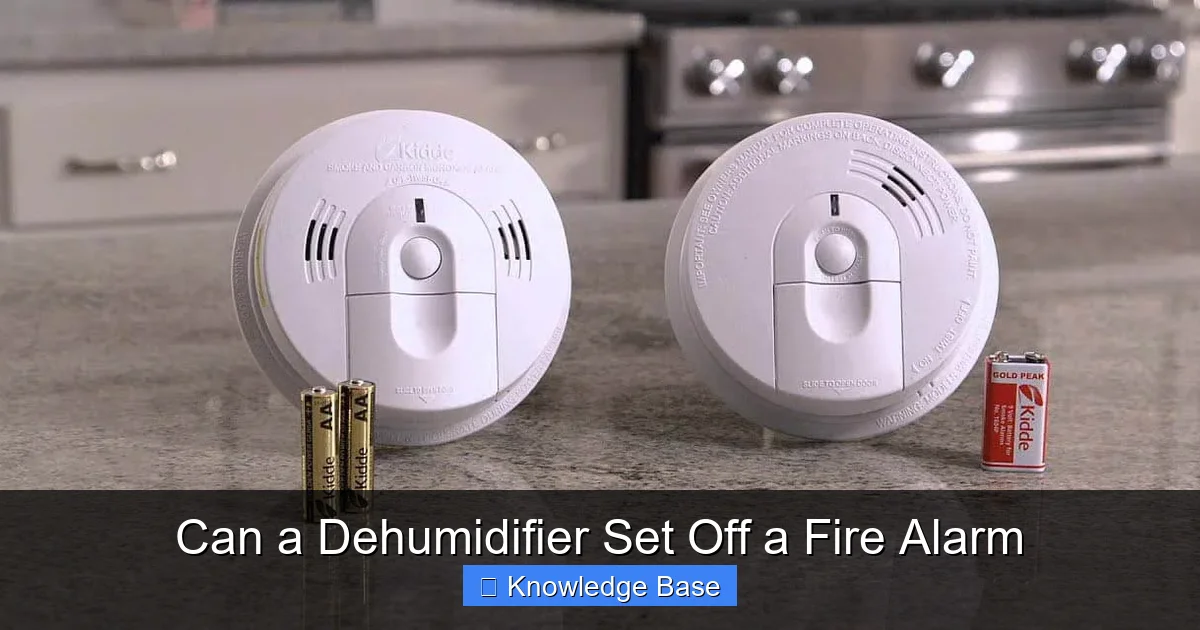
There are two main types of residential smoke detectors: ionization and photoelectric. Some modern units combine both (called dual-sensor alarms), while others are heat-based, responding only to rising temperatures.
Ionization Smoke Detectors
These are the most common and typically the cheapest option. They contain a small amount of radioactive material that ionizes the air inside a sensing chamber. When smoke enters, it disrupts this ionization process, triggering the alarm. Ionization detectors are excellent at catching fast-flaming fires (like paper or grease fires) but can be overly sensitive to tiny particles—including those from cooking smoke, steam, or even dust.
Photoelectric Smoke Detectors
These use a light beam and sensor. When smoke enters the chamber, it scatters the light, hitting the sensor and setting off the alarm. Photoelectric models are better at detecting smoldering fires (like a cigarette burning in a couch) and are generally less prone to false alarms from steam or cooking. However, they can still react to fine dust or aerosol particles if concentrated enough.
Heat Detectors
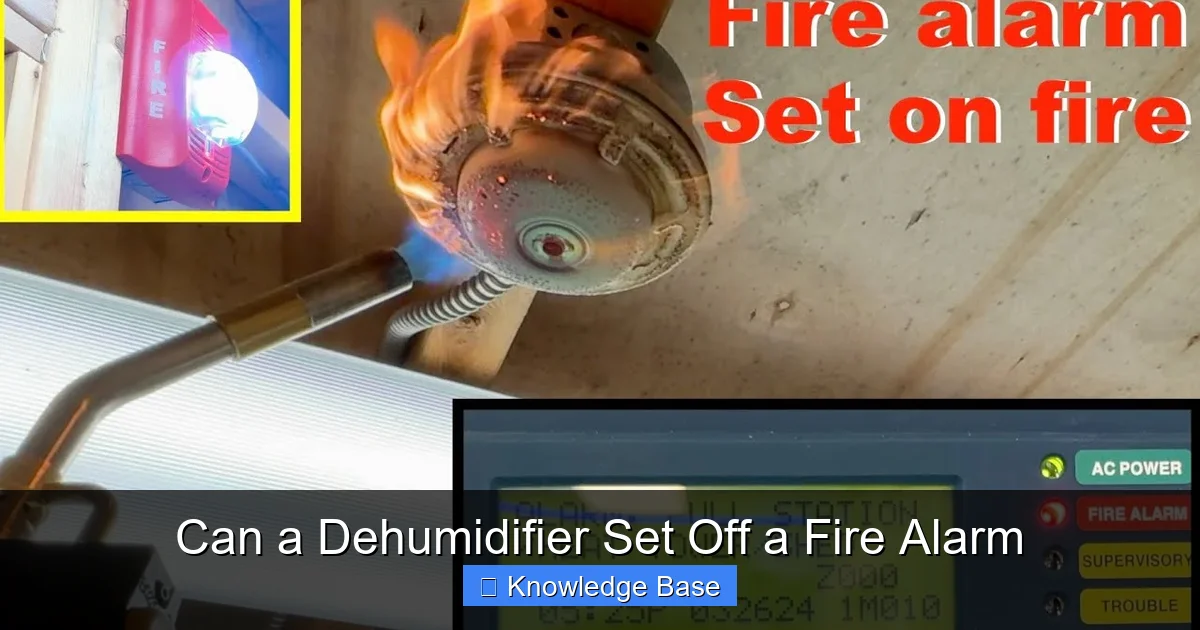
Less common in homes but sometimes used in garages or kitchens, heat detectors only respond to temperature changes—not smoke. They’re useful where smoke alarms would constantly false-trigger, but they’re slower to react in true fire emergencies.
Understanding which type you have is crucial. If your dehumidifier is near an ionization detector, even minor particle release (like dust burning off a heating element) could set it off. A photoelectric alarm might ignore the same scenario—unless the particles are dense enough to scatter light significantly.
Common Reasons a Dehumidifier Might Trigger a Fire Alarm
Visual guide about Can a Dehumidifier Set Off a Fire Alarm
Image source: i.ytimg.com
Now that we know how alarms work, let’s explore the real-world scenarios where a dehumidifier could be the unexpected culprit.
Dust Buildup on Internal Components
Over time, dust accumulates inside and around your dehumidifier—especially on the evaporator coils, fan blades, and heating elements (in desiccant models). When the unit runs, especially after a long idle period, this dust can heat up and begin to smolder. It doesn’t burst into flames, but it releases fine, smoke-like particles into the air.
These particles behave just like real smoke: they float upward, enter the detector, and trigger the alarm. This is one of the most common—and preventable—causes of false alarms linked to dehumidifiers.
Real-life example: Sarah hadn’t used her basement dehumidifier all winter. When she turned it on in spring, it ran for about 20 minutes before the smoke alarm went off. She rushed downstairs to find no fire—just a faint burning smell. After unplugging and inspecting, she discovered a thick layer of dust on the internal heater. A quick cleaning solved the problem.
Electrical Malfunctions and Overheating
While rare, electrical issues in dehumidifiers can pose a genuine fire risk. Faulty wiring, damaged power cords, failing capacitors, or a seized compressor can cause overheating, sparks, or even small electrical fires. If this happens near a smoke or heat detector, the alarm will—and should—go off.
Older or poorly maintained units are more susceptible. Units that trip circuit breakers frequently, smell burnt, or make unusual buzzing sounds should be inspected immediately.
Safety tip: Always plug your dehumidifier into a grounded outlet—never use an extension cord. Overloading circuits or using damaged cords increases the risk of electrical faults.
Steam and High Humidity Output
Wait—doesn’t a dehumidifier remove moisture? Yes, but it also releases warm, moist air as a byproduct. In refrigerant-based models, the extracted water is collected in a tank, but the air expelled from the unit is warmer and slightly more humid than the surrounding air.
If this warm, moist air is directed straight at a smoke detector—especially an ionization type—it can cause condensation inside the sensor chamber. This moisture can scatter light or conduct electricity in ways that mimic smoke, leading to a false alarm.
This is more likely in small, enclosed spaces like laundry rooms or crawl spaces where airflow is limited.
Poor Ventilation and Airflow
Dehumidifiers need room to breathe. If placed in a tight corner, behind furniture, or too close to walls, they can overheat. Restricted airflow forces the compressor and fan to work harder, increasing the risk of component failure and overheating.
Additionally, trapped warm air can rise directly toward ceiling-mounted fire alarms, carrying dust, moisture, or minor combustion byproducts with it.
Desiccant vs. Refrigerant Dehumidifiers: Different Risks
Not all dehumidifiers work the same way, and their designs influence alarm risks.
– Refrigerant dehumidifiers (most common) cool coils to condense moisture. They don’t typically generate heat beyond normal operation, so fire risk is low—unless dust builds up or electrical issues occur.
– Desiccant dehumidifiers use a moisture-absorbing material (like silica gel) and often include a heating element to regenerate the desiccant. This heating cycle can reach high temperatures. If dust or lint is near the heater, it may smolder and release particles—triggering nearby alarms.
If you use a desiccant model, extra vigilance with cleaning and placement is essential.
Where You Place Your Dehumidifier Matters
Location isn’t just about convenience—it’s a safety factor. Placing your dehumidifier too close to a fire alarm dramatically increases the chance of interference.
Safe Distance Guidelines
Experts recommend keeping your dehumidifier at least 3 to 6 feet away from any smoke or heat detector. This allows air to circulate naturally and prevents concentrated plumes of warm, dusty, or moist air from reaching the sensor.
Avoid placing the unit:
– Directly beneath a ceiling-mounted alarm
– In a narrow closet with the door closed
– Near HVAC vents that blow air toward detectors
– In corners with poor airflow
Best Rooms for Dehumidifier Use
Basements, laundry rooms, and garages are common spots—but they’re also where fire alarms are often installed for early detection. Here’s how to optimize placement:
– In basements: Place the dehumidifier on a stand or platform to improve airflow, and aim the exhaust away from walls and detectors.
– In laundry rooms: If possible, install a photoelectric alarm instead of an ionization type, as it’s less sensitive to steam from dryers and dehumidifiers.
– In crawl spaces: Use a ductable dehumidifier with remote exhaust to keep the unit away from living areas and detectors.
Ventilation Tips
Ensure the room has adequate ventilation. Open a window slightly (if weather permits) or use an exhaust fan to help disperse warm, moist air. This reduces the chance of localized humidity spikes near alarms.
How to Prevent False Alarms from Your Dehumidifier
The best defense is proactive maintenance and smart habits. Here’s how to keep your dehumidifier running safely—and your fire alarm quiet.
Regular Cleaning and Maintenance
– Clean the air filter monthly: Most units have a washable filter. Rinse it under water, let it dry completely, and reinstall. A clogged filter forces the fan to work harder, increasing heat and dust accumulation.
– Wipe down the exterior and vents: Use a dry or slightly damp cloth to remove dust from the intake and exhaust grilles.
– Check internal components annually: If you’re comfortable doing so, unplug the unit and inspect coils, fans, and heating elements (if applicable) for dust buildup. Use a vacuum with a brush attachment for gentle cleaning.
Inspect the Power Cord and Plug
Look for fraying, cracks, or burn marks. A damaged cord can overheat and become a fire hazard. Replace the unit or have it repaired by a professional if you notice any issues.
Use a Surge Protector
Power surges can damage sensitive electronics in dehumidifiers. Plug your unit into a high-quality surge protector to guard against voltage spikes.
Choose the Right Alarm for the Space
If you frequently experience false alarms in areas with dehumidifiers, consider upgrading to a photoelectric or dual-sensor smoke detector. These are less prone to steam and dust interference.
Some smart alarms even allow you to silence nuisance alerts via an app—though never ignore a persistent alarm without investigating.
Monitor for Warning Signs
Be alert to signs of trouble:
– Unusual smells (burning, plastic, or musty)
– Excessive heat from the unit
– Frequent tripping of circuit breakers
– Loud or grinding noises from the fan or compressor
If you notice any of these, turn off and unplug the dehumidifier immediately.
What to Do If Your Fire Alarm Goes Off
Even with precautions, false alarms can happen. Here’s how to respond calmly and safely.
Step 1: Stay Calm and Assess
Don’t assume it’s a false alarm. Check for visible smoke, flames, or the smell of burning. If you see or smell fire, evacuate immediately and call 911.
Step 2: Locate the Source
If there’s no fire, try to identify what triggered the alarm. Is the dehumidifier running? Is it hot to the touch? Is there dust or steam near the detector?
Step 3: Ventilate the Area
Open windows and doors to clear the air. Use a fan to blow air away from the detector.
Step 4: Clean the Detector
Dust can accumulate inside smoke alarms, causing false triggers. Use a vacuum with a soft brush to clean the exterior vents. Never spray cleaning products directly into the unit.
Step 5: Reset the Alarm
Most alarms have a “hush” or reset button. Press it to silence the alarm. If it continues beeping, replace the batteries or the entire unit if it’s over 10 years old.
Step 6: Investigate and Prevent
Once the alarm is off, inspect your dehumidifier. Clean it, check the cord, and ensure it’s properly placed. Consider moving it farther from the detector if needed.
When to Replace Your Dehumidifier or Fire Alarm
No appliance lasts forever. Knowing when to upgrade can prevent safety issues.
Dehumidifier Lifespan
Most dehumidifiers last 5–10 years, depending on usage and maintenance. Signs it’s time to replace:
– Reduced moisture removal
– Frequent cycling on/off
– Loud operation
– Visible rust or corrosion
– Repeated electrical issues
Fire Alarm Lifespan
Smoke alarms should be replaced every 10 years, regardless of functionality. The sensors degrade over time, reducing reliability. Check the manufacture date on the back—if it’s over a decade old, it’s time for a new one.
Upgrade to Smart Alarms
Modern smart smoke and CO detectors (like Nest Protect or First Alert Onelink) offer features like:
– Mobile alerts
– Self-testing
– Voice alerts specifying the type of danger
– Interconnectivity (if one alarm sounds, all do)
These can help distinguish real emergencies from false triggers—giving you peace of mind.
Conclusion: Safety First, Peace of Mind Always
So, can a dehumidifier set off a fire alarm? The short answer is yes—but usually not because the unit is on fire. More often, it’s dust, steam, electrical issues, or poor placement that confuses the detector. By understanding how these devices interact and taking simple preventive steps, you can enjoy the benefits of a dry, comfortable home without unnecessary alarms.
Regular maintenance, smart placement, and choosing the right type of smoke detector for your space go a long way. And if an alarm does go off, stay calm, investigate thoroughly, and use it as a reminder to check your equipment.
Your dehumidifier is a valuable tool for health and home protection—don’t let a false alarm scare you away from using it. With a little knowledge and care, you can keep both your air and your alarms clear.
Frequently Asked Questions
Can a dehumidifier cause a real fire?
While extremely rare, electrical faults or overheating in poorly maintained units can pose a fire risk. Regular inspection and proper use minimize this danger.
Do all smoke detectors react the same way to dehumidifiers?
No. Ionization detectors are more sensitive to small particles and steam, while photoelectric models are better suited for humid environments.
How often should I clean my dehumidifier to prevent false alarms?
Clean the filter monthly and inspect internal components at least once a year, especially before heavy-use seasons like summer.
Can humidity from a dehumidifier set off a CO detector?
No, carbon monoxide detectors respond only to CO gas, not humidity. However, extreme moisture could damage the unit over time.
Is it safe to run a dehumidifier overnight?
Yes, most modern units are designed for continuous operation. Just ensure proper ventilation, maintenance, and safe placement away from detectors.
What should I do if my dehumidifier smells like it’s burning?
Turn it off immediately, unplug it, and inspect for dust, damaged cords, or overheating components. Do not use it until the issue is resolved.