
If you’ve ever walked into a room that feels heavy, musty, or just plain stale—despite running your HVAC system—you’ve experienced the invisible burden of excess humidity and poor air quality. Whether it’s mold creeping along basement walls, allergens triggering sneezing fits, or that damp smell clinging to your clothes, these issues don’t just affect comfort—they impact health, home integrity, and even energy efficiency. That’s where a dehumidifier with an integrated air purifier steps in: a dual-purpose powerhouse designed to tackle moisture and airborne contaminants in one sleek unit.
But with dozens of models flooding the market—each boasting different specs, features, and price tags—it’s easy to feel overwhelmed. How do you know if you need a 30-pint or 70-pint capacity? Is a HEPA filter truly necessary? Can a single device really handle both high humidity and pet dander effectively? This guide exists to cut through the noise. We’ll walk you through every critical factor—from performance metrics and build quality to hidden costs and real-world usability—so you can make a confident, informed decision. Whether you’re dealing with a chronically damp basement, seasonal allergies, or simply want cleaner, fresher indoor air, this comprehensive buying guide will equip you with everything you need.
The market for combo dehumidifier-air purifier units has exploded in recent years, driven by rising awareness of indoor air quality (IAQ) and the growing prevalence of respiratory sensitivities. Major brands like Honeywell, Frigidaire, Midea, and Levoit now offer hybrid models that promise to reduce humidity levels while filtering out dust, pollen, mold spores, and even volatile organic compounds (VOCs). However, not all units are created equal. Some prioritize dehumidification over purification (or vice versa), while others cut corners on filter quality or energy efficiency. Our goal is to help you navigate this evolving landscape, avoid costly mistakes, and find the perfect balance of performance, reliability, and value for your specific needs.

What to Look for When Buying Buying Guide
1. Budget & Price Range
Your budget is the foundation of your purchasing decision—but it shouldn’t be the only factor. Dehumidifier-air purifier combos range from under $150 for basic models to over $600 for premium units with smart controls and medical-grade filtration. While it’s tempting to go for the cheapest option, remember that you often get what you pay for. Entry-level models may lack essential features like auto-restart after power outages, continuous drainage options, or true HEPA filters. On the other hand, spending top dollar doesn’t always guarantee better performance if the unit isn’t sized correctly for your space.
Set a realistic budget based on your room size, humidity severity, and air quality concerns. For small bedrooms or closets (under 500 sq. ft.), a $150–$250 model may suffice. For basements, garages, or large living areas (1,000+ sq. ft.), expect to invest $300–$500. If you have severe allergies, asthma, or live in a high-humidity climate (like the Gulf Coast or Pacific Northwest), consider allocating more toward a unit with advanced filtration and robust moisture removal.
2. Performance Specifications
Performance boils down to two core metrics: dehumidification capacity (measured in pints per day) and air purification efficiency (measured by CADR—Clean Air Delivery Rate—and filter type). The right pint rating depends on your room size and humidity level. For example, a 30-pint unit is ideal for moderately damp spaces up to 1,500 sq. ft., while a 50–70-pint model is better suited for large, very wet areas like unfinished basements.
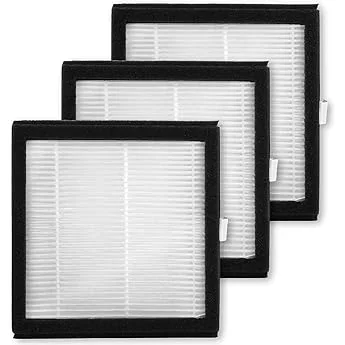
For air purification, look for a true HEPA filter (not “HEPA-type”) that captures 99.97% of particles as small as 0.3 microns—including pollen, pet dander, and mold spores. Some units also include activated carbon filters to neutralize odors and VOCs from cooking, cleaning products, or smoke. CADR ratings above 150 for smoke, dust, and pollen indicate strong performance. Avoid models that only use ionizers or UV lights without physical filtration—these may produce ozone (a lung irritant) and don’t remove particles from the air.
3. Build Quality & Durability
A dehumidifier-air purifier combo is a long-term investment, so durability matters. Check the housing material—high-quality plastic should feel sturdy, not flimsy. Look for reinforced corners, sealed seams, and corrosion-resistant coils (especially important in humid environments). Internal components like the compressor and fan motor should be from reputable manufacturers. Units with metal grilles instead of plastic ones tend to last longer under heavy use.
Also consider where you’ll place the unit. If it’s going in a garage or basement with temperature swings, ensure it’s rated for low-temperature operation (some stop working below 41°F). Rust-proof coatings and washable pre-filters add longevity. Read user reviews for mentions of breakdowns within the first year—a red flag for poor build quality.
4. Features & Functionality
Modern combo units come packed with features that enhance convenience and effectiveness. Key functionalities to prioritize include:
- Auto-Humidistat: Monitors ambient humidity and adjusts operation to maintain your target level (e.g., 45–50%).
- Continuous Drainage: Allows you to attach a hose for hands-off water removal—critical for 24/7 operation.
- Auto-Restart: Resumes settings after a power outage—no manual reset needed.
- Timer & Sleep Mode: Lets you schedule operation and reduce noise at night.
- Filter Indicator Light: Alerts you when it’s time to clean or replace filters.
- Washable Pre-Filter: Captures large particles and extends the life of the HEPA filter.
Smart features like Wi-Fi connectivity (via apps like Tuya or manufacturer-specific platforms) allow remote control and monitoring, but they’re not essential unless you value tech integration. Avoid gimmicks like “aromatherapy trays” or “negative ion boosters” unless backed by credible air quality data.
5. Brand Reputation
Stick with established brands known for reliability and customer support. Honeywell, Frigidaire, Midea, Levoit, and Tosot consistently receive high marks for performance and durability. These companies invest in R&D, offer comprehensive warranties, and maintain accessible customer service. Lesser-known brands may offer tempting prices, but they often lack consistent quality control or spare parts availability.
Research brand history: How long have they been making dehumidifiers? Do they specialize in IAQ products? Check third-party certifications like AHAM (for dehumidifier accuracy) and CARB (California Air Resources Board) compliance for ozone safety. Brands that publish third-party test results for CADR and energy use are more trustworthy.
6. Warranty & Support
A solid warranty reflects manufacturer confidence in their product. Most reputable brands offer 1–2 years of coverage, with some extending to 3–5 years on compressors. Pay attention to what’s covered: Does it include labor, parts, and shipping? Is the warranty voided if you use third-party filters? Read the fine print.
Customer support is equally important. Can you reach a human quickly? Are replacement filters easy to order online? Brands like Honeywell and Frigidaire have extensive service networks, while smaller brands may rely on email-only support with slow response times. Check forums and review sites for complaints about unresponsive support teams.
7. Size & Portability
Even the most powerful unit is useless if it doesn’t fit your space or is too heavy to move. Measure your intended location—especially height clearance, since many units need 6–12 inches of airflow above them. Weight matters too: models range from 30 to 60+ pounds. Look for built-in handles and caster wheels for easy relocation.
Consider noise levels (measured in decibels). Most units operate between 45–55 dB—comparable to a quiet conversation. If you’re placing it in a bedroom or office, opt for a model with a “quiet” or “sleep” mode. Larger tanks (2+ gallons) reduce emptying frequency but increase overall size. Balance convenience with practicality.
8. User Reviews & Ratings
Never rely solely on manufacturer claims. Real-world user feedback reveals quirks, failures, and hidden strengths. Focus on verified purchase reviews on Amazon, Home Depot, or Best Buy. Look for patterns: Do multiple users report the same issue (e.g., leaks, loud noise, filter clogging)? Are positive reviews detailed and specific, or vague and promotional?
Pay special attention to reviews from people with similar environments (e.g., “I live in Florida and this handles my 1,200 sq. ft. basement perfectly”). Be wary of units with overwhelmingly perfect scores—they may be manipulated. A mix of 4- and 5-star reviews with constructive criticism is often more trustworthy than uniform praise.
Different Types of Buying Guide

Common Buying Mistakes to Avoid
❌ Mistake: Ignoring Room Size and Humidity Level
Why it’s bad: A unit too small for your space will run constantly, overheat, and fail to reduce humidity effectively. Conversely, an oversized unit may cycle on and off too frequently, wasting energy and reducing lifespan.
What to do instead: Calculate your square footage and assess humidity severity (use a hygrometer). Match these to the manufacturer’s recommended capacity. When in doubt, size up slightly—but not excessively.
❌ Mistake: Choosing “HEPA-Type” Over True HEPA
Why it’s bad: “HEPA-type” or “HEPA-like” filters don’t meet the true HEPA standard (99.97% efficiency at 0.3 microns). They may capture larger particles but miss fine allergens and pollutants.
What to do instead: Look for explicit labeling: “True HEPA” or “H13 HEPA.” Verify certifications from independent labs if possible.
❌ Mistake: Overlooking Drainage Options
Why it’s bad: Emptying a water tank daily is tedious and easy to forget. If the tank overflows, it can cause water damage or trigger an automatic shutoff, leaving your space humid.
What to do instead: Choose a model with a continuous drain hose port. Pair it with a condensate pump if gravity drainage isn’t feasible.
❌ Mistake: Neglecting Filter Maintenance Costs
Why it’s bad: HEPA and carbon filters degrade over time. Replacing them annually can cost $30–$80 per year—adding up over time.
What to do instead: Factor filter costs into your total ownership calculation. Some brands offer subscription services or multi-packs at a discount.
❌ Mistake: Buying Based Solely on Price
Why it’s bad: The cheapest unit may lack essential safety features, use inferior components, or have poor customer support—leading to higher long-term costs.
What to do instead: Prioritize value over price. A mid-range model with strong reviews and a good warranty often outperforms a budget unit over time.
❌ Mistake: Assuming All Ionizers Are Safe
Why it’s bad: Some ionizers produce ozone, a known respiratory irritant regulated by the FDA. Even “ozone-safe” claims can be misleading.
What to do instead: Avoid units that rely heavily on ionization. Opt for mechanical filtration (HEPA + carbon) as the primary purification method.
❌ Mistake: Not Checking Noise Levels
Why it’s bad: A noisy unit can disrupt sleep, concentration, or relaxation—especially in bedrooms or offices.
What to do instead: Check decibel ratings and look for “quiet mode” options. Read user reviews mentioning noise—specs don’t always reflect real-world sound.
Budget Guidelines: How Much Should You Spend?
Entry-Level ($120–$250): These models are ideal for small spaces with mild humidity issues. Expect basic dehumidification (20–30 pints/day), limited filtration (often just a washable mesh filter), and minimal features. Brands like Tosot and hOmeLabs offer decent options here, but don’t expect HEPA or smart controls. Great for closets, RVs, or seasonal use.
Mid-Range ($250–$400): This is the sweet spot for most homeowners. Units in this range typically include true HEPA filters, auto-humidistats, continuous drainage, and Energy Star certification. Models from Levoit, Frigidaire, and Midea shine here, offering reliable performance for bedrooms, living rooms, and moderate basements. You’ll get good build quality, quiet operation, and user-friendly interfaces.
Premium ($400–$600): Designed for demanding environments—large basements, high-humidity climates, or severe allergy sufferers. These units boast 50–70 pint capacities, multi-stage filtration (HEPA + carbon + pre-filter), smart sensors, and robust construction. Look for brands like Honeywell and AprilAire. Many include Wi-Fi connectivity, app control, and extended warranties.
Luxury ($600+): Reserved for professionals, medical facilities, or extreme conditions. These feature hospital-grade filtration, ultra-quiet operation (<40 dB), industrial-grade components, and advanced diagnostics. While overkill for most homes, they’re worth considering if you have chronic respiratory conditions or require pristine air quality.
Expert Tips for Getting the Best Deal
- Buy During Off-Peak Seasons: Demand spikes in summer (for dehumidifiers) and winter (for air purifiers). Shop in spring or fall for better prices and availability.
- Compare Retailers: Check Amazon, Home Depot, Lowe’s, and manufacturer websites. Sometimes direct-from-brand offers include free filters or extended warranties.
- Look for Bundled Deals: Some sellers offer filter multipacks or condensate pumps at a discount when purchased with the unit.
- Verify Return Policies: Ensure you can return the unit within 30–60 days if it doesn’t perform as expected. Test it in your actual environment.
- Check for Rebates: Utility companies sometimes offer rebates for Energy Star-certified dehumidifiers—especially in humid regions.
- Read the Manual Before Buying: Download the PDF manual to confirm features, maintenance requirements, and compatibility with your setup.
- Join Online Communities: Reddit’s r/HomeImprovement or HVAC-Talk forums often share real-user deals and warnings about problematic models.
- Consider Refurbished Units: Certified refurbished models from reputable sellers can save 20–40% and often include the same warranty as new.

Frequently Asked Questions
Q: Can a dehumidifier with air purifier replace my standalone units?
A: Yes—if the combo unit meets your capacity and filtration needs. However, in very large or severely contaminated spaces, you might still benefit from supplemental units. For most homes, a well-chosen combo eliminates the need for separate devices.
Q: How often should I replace the HEPA filter?
A: Typically every 6–12 months, depending on usage and air quality. Filter indicator lights help, but check visually: if it’s gray or clogged, it’s time to replace.
Q: Will this reduce mold growth?
A: Absolutely. By maintaining humidity below 50%, you create an environment where mold cannot thrive. Combined with HEPA filtration to remove spores, it’s one of the most effective mold prevention strategies.
Q: Can I use it in a garage or unheated basement?
A: Only if the unit is rated for low-temperature operation (check the manual). Many standard models shut off below 41°F. Look for “cold-climate” or “low-temp” models for garages or winter basements.
Q: Does it use a lot of electricity?
A: Energy use varies by capacity and efficiency. A 50-pint Energy Star model uses about 500–700 watts. Run it during off-peak hours and use a timer to minimize costs.
Q: Is ozone production a concern?
A: Only if the unit uses ionizers or UV-C lights without proper shielding. Choose CARB-compliant models and avoid those that advertise “ionization” as a primary feature.
Q: How do I know if my humidity is too high?
A: Use a hygrometer (digital humidity meter). Ideal indoor humidity is 30–50%. Above 60% promotes mold and dust mites; below 30% can cause dry skin and respiratory irritation.
Q: Can it help with pet odors?
A: Yes—if it includes an activated carbon filter. Carbon absorbs organic compounds responsible for pet smells, smoke, and cooking odors.
Q: What’s the difference between a dehumidifier and an air purifier?
A: A dehumidifier removes moisture from the air; an air purifier removes particles and pollutants. Combo units do both, addressing root causes of poor IAQ.
Q: Should I run it continuously?
A: Not necessarily. Use the auto-humidistat to maintain your target level. In very humid climates, continuous operation may be needed—but ensure proper drainage.
Our Final Recommendations
Best for Budget-Conscious Buyers: Tosot 30 Pint Dehumidifier with Air Purifier – Reliable performance, washable filter, and solid build under $200. Ideal for small to mid-sized rooms.
Best Overall Value: Levoit Core 300S Dehumidifier & Air Purifier Combo – True HEPA, app control, quiet operation, and excellent reviews around $350. Perfect balance of features and price.
Best Premium Option: Honeywell TP70WKN Dehumidifier with Air Purifier – 70-pint capacity, Energy Star certified, continuous drainage, and medical-grade filtration. Worth the $550 investment for large, damp spaces.
Best for Beginners: Frigidaire FFAD7033R1 70-Pint Combo – Simple controls, clear indicators, and strong customer support. Great for first-time buyers needing basement protection.
Best for Advanced Users: AprilAire E130V Dehumidifier with Integrated Air Filtration – Whole-house capability, smart sensors, and professional-grade durability. Ideal for tech-savvy homeowners with complex IAQ needs.
Conclusion: Making the Right Choice
Choosing the best dehumidifier with air purifier isn’t just about specs—it’s about aligning the unit’s capabilities with your unique environment, health needs, and lifestyle. We’ve covered everything from budget considerations and performance metrics to common pitfalls and expert strategies. Remember: the right unit will quietly work behind the scenes to protect your home from mold, ease your allergies, and improve your overall well-being.
Don’t rush the decision. Take time to measure your space, assess your humidity levels, and prioritize features that matter most to you. Whether you’re battling basement dampness or seeking relief from seasonal allergies, investing in a quality combo unit is one of the smartest steps you can take for healthier indoor air. Use this guide as your roadmap, trust verified reviews, and don’t hesitate to reach out to manufacturers with questions. Your comfort—and health—deserve nothing less.