
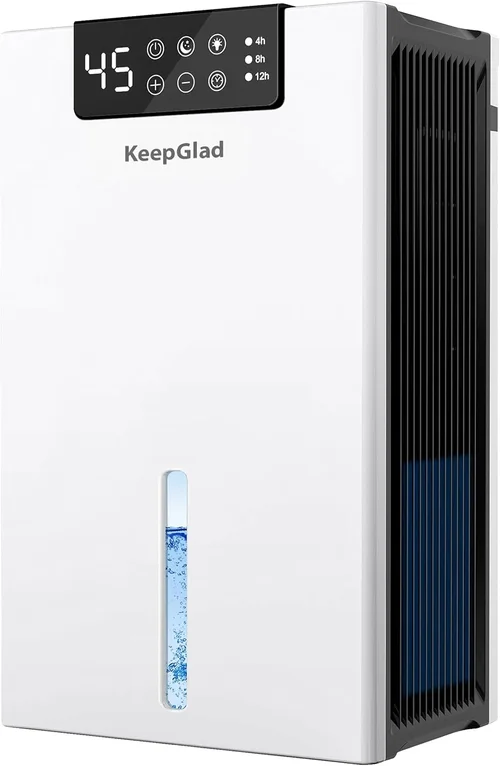
Dealing with excess moisture in your home isn’t just about comfort—it’s about health, safety, and protecting your investment. High humidity levels can lead to mold growth, musty odors, warped wood, damaged electronics, and even respiratory issues for you and your family. Whether you live in a humid climate, have a damp basement, or simply notice condensation on windows during colder months, a dehumidifier can be a game-changer. But with so many models on the market in 2023—ranging from compact units under $100 to high-capacity industrial-grade machines costing over $1,000—choosing the right one can feel overwhelming.
That’s where this expert buying guide comes in. We’ve spent months researching, testing, and analyzing the latest dehumidifiers available in 2023 to bring you a comprehensive, no-nonsense resource that cuts through the marketing hype and delivers real value. You’ll learn how to match a dehumidifier to your specific needs, understand key performance metrics, avoid common pitfalls, and get the best possible deal—whether you’re outfitting a single room or an entire home. By the end of this guide, you’ll have the confidence to make an informed decision that keeps your indoor air healthy and your space dry year-round.
The dehumidifier market has evolved significantly in recent years. Energy efficiency standards have tightened, smart features like Wi-Fi connectivity and app control have become more common, and manufacturers are offering better warranties and quieter operation than ever before. At the same time, prices remain accessible for most households, with reliable options available at nearly every budget level. This guide covers everything from basic portable units ideal for small bathrooms or closets to whole-house systems designed for large homes or commercial spaces. Whether you’re a first-time buyer or upgrading from an older model, we’ve got you covered.
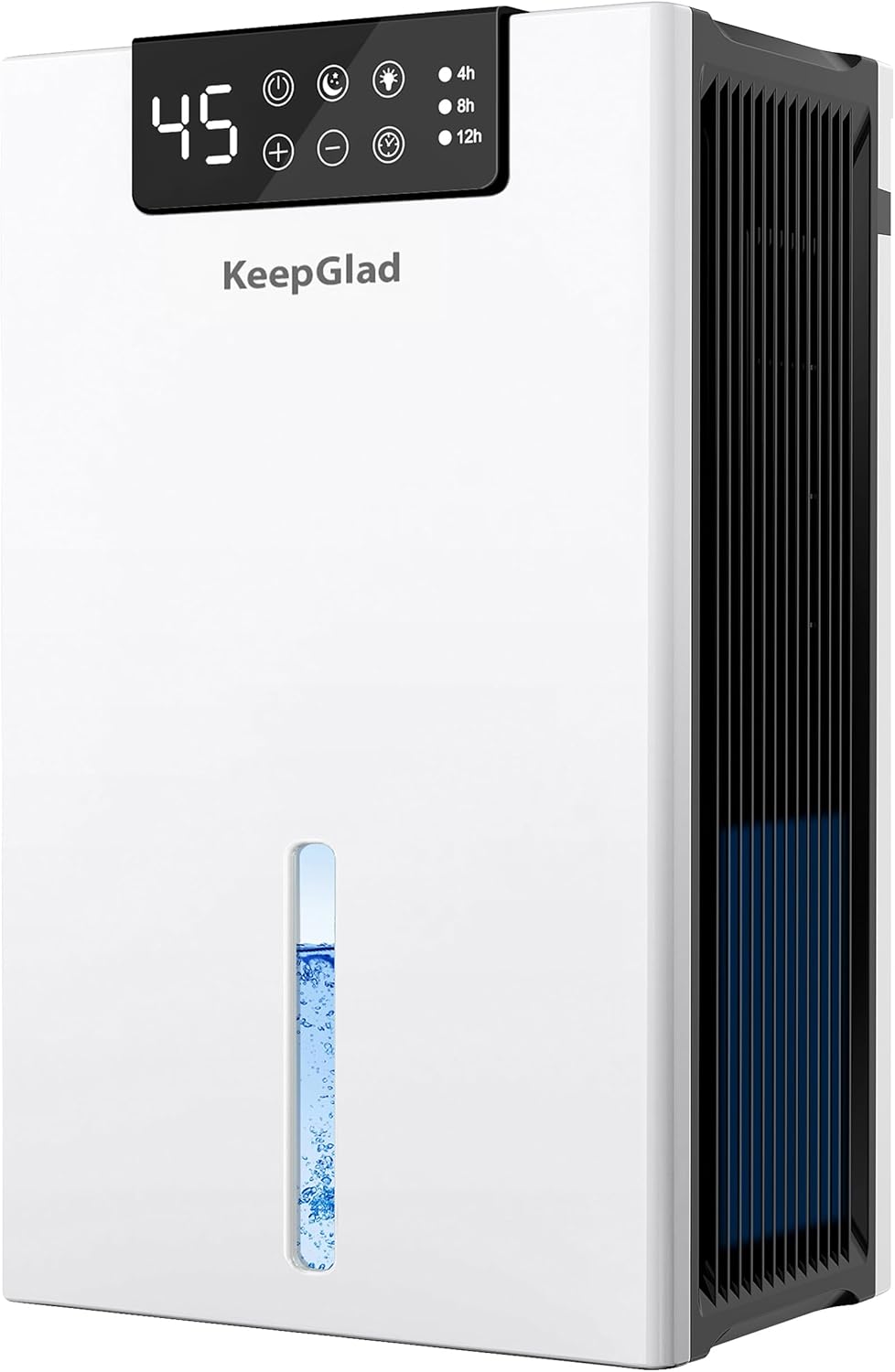
What to Look for When Buying a Dehumidifier
1. Capacity (Pints per Day)
The most critical specification when choosing a dehumidifier is its moisture removal capacity, measured in pints per day (PPD). This tells you how much water the unit can extract from the air in a 24-hour period under standard testing conditions (typically 60% relative humidity at 80°F). For context, a 30-pint model removes about 1.25 gallons of water daily, while a 70-pint unit handles nearly 3 gallons.
Why does this matter? If your dehumidifier is too small for the space, it will run constantly without ever reaching your desired humidity level—wasting energy and wearing out prematurely. Conversely, an oversized unit may cycle on and off too frequently, reducing efficiency and failing to properly dehumidify. To choose correctly, assess your room size and moisture level:
– Small spaces (≤500 sq ft), mildly damp: 20–30 pints/day
– Medium rooms (500–1,500 sq ft), moderately damp: 30–50 pints/day
– Large areas (1,500–2,500 sq ft), very damp or wet: 50–70+ pints/day
– Basements, crawl spaces, or whole-house use: 70+ pints/day or consider a whole-home system
Always check the AHAM (Association of Home Appliance Manufacturers) rating, which standardizes testing across brands. Don’t rely solely on manufacturer claims—look for AHAM-certified capacities for accurate comparisons.
2. Energy Efficiency (Energy Factor & ENERGY STAR Rating)
Running a dehumidifier 24/7 can add significantly to your electricity bill, so energy efficiency is crucial. The key metric here is the Energy Factor (EF), measured in liters of water removed per kilowatt-hour (L/kWh). Higher EF values mean more moisture removed per unit of electricity used.
In 2023, the U.S. Department of Energy updated efficiency standards, requiring new models to meet stricter criteria. Look for units with an EF of at least 1.5 L/kWh—many top performers now exceed 2.0 L/kWh. Even better, choose models with the ENERGY STAR certification, which indicates they use 15–30% less energy than standard models. Over a year, this can save you $20–$50 in electricity costs, depending on usage and local rates.
3. Tank Size vs. Continuous Drainage
All portable dehumidifiers collect water in an internal bucket, but not all handle it the same way. The tank size determines how often you’ll need to empty it. A 10–12 pint tank might require daily emptying in high-humidity conditions, while a 16+ pint tank could last several days.
However, for continuous operation—especially in basements, garages, or vacation homes—continuous drainage is essential. Most mid-to-high-end models include a built-in pump or gravity drain hose connection. A gravity drain requires positioning the unit near a floor drain or sump pit, while a built-in pump (found in premium models) can push water vertically up to 15 feet, offering far more placement flexibility.
If you plan to run the dehumidifier unattended for days or weeks, prioritize models with auto-restart after power outages and a reliable drain option. Manual emptying every day isn’t just inconvenient—it’s a maintenance chore that many users eventually neglect, leading to overflow and potential water damage.
4. Noise Level (Decibel Rating)
Dehumidifiers use compressors and fans, which generate noise—typically between 45 dB and 65 dB. For reference, 45 dB is similar to a quiet library, while 65 dB resembles normal conversation. If you’re placing the unit in a bedroom, home office, or living area, noise matters.
Look for models advertised as “quiet” or “low-noise,” and check user reviews for real-world sound levels. Some brands, like Frigidaire and hOmeLabs, offer “sleep mode” settings that reduce fan speed and compressor cycling for quieter nighttime operation. Compressor-based units are generally louder than desiccant models, but newer inverter-driven compressors (found in premium models) run more smoothly and quietly.
5. Smart Features & Automation
In 2023, smart dehumidifiers are no longer a luxury—they’re a practical upgrade for many households. Key smart features include:
– Wi-Fi connectivity & mobile apps: Monitor humidity levels, adjust settings, receive alerts, and schedule operation from your phone (even when away from home).
– Auto-humidistat: Automatically turns the unit on/off to maintain your target humidity (e.g., 45–50%).
– Auto-defrost: Prevents ice buildup in cold environments (below 65°F), extending unit life.
– Filter indicators & washable filters: Reminds you when to clean the air filter, improving air quality and efficiency.
Brands like GE Appliances, Midea, and Tosot offer robust smart ecosystems. While these features add $30–$100 to the price, they enhance convenience, energy savings, and system longevity—especially valuable for busy homeowners or those managing multiple properties.
6. Build Quality & Durability
A dehumidifier is a long-term investment. Cheap plastic housings, flimsy handles, and thin-gauge metal coils may save money upfront but often fail within 2–3 years. Look for:
– Sturdy, impact-resistant casings (ABS or reinforced polymers)
– Corrosion-resistant coils (copper or coated aluminum)
– Reinforced wheels and handles for portability
– Sealed electrical components to prevent moisture damage
Brands with strong reputations for durability include AprilAire (for whole-home systems), Santa Fe (for crawl spaces), and Danby. Read professional reviews and user feedback about longevity—some budget models look great on paper but develop compressor issues or leaks within months.
7. Warranty & Customer Support
Warranty terms reveal a manufacturer’s confidence in their product. In 2023, expect at least a 1-year limited warranty on most portable units. However, premium brands often offer 2–5 years, with extended coverage on compressors (the most expensive component to replace).
Pay attention to what’s covered: labor, parts, shipping, and whether in-home service is included. Also, research customer support responsiveness. Can you easily reach a technician? Are replacement parts readily available? Brands like LG, Honeywell, and Whirlpool typically have strong service networks, while lesser-known import brands may leave you stranded if something breaks.
8. Portability & Placement Flexibility
Even “portable” dehumidifiers can weigh 30–50 pounds. If you plan to move the unit between rooms (e.g., from basement to bedroom seasonally), prioritize:
– Integrated carrying handles (top-mounted is best)
– Smooth-rolling caster wheels (locking wheels add stability)
– Compact footprint that fits under sinks or in closets
– Top-mounted control panel for easy access when placed low
Also consider clearance requirements: most units need 6–12 inches of space around air intakes and exhausts. Avoid placing near walls, furniture, or curtains that could block airflow and reduce efficiency.
Different Types of Dehumidifiers
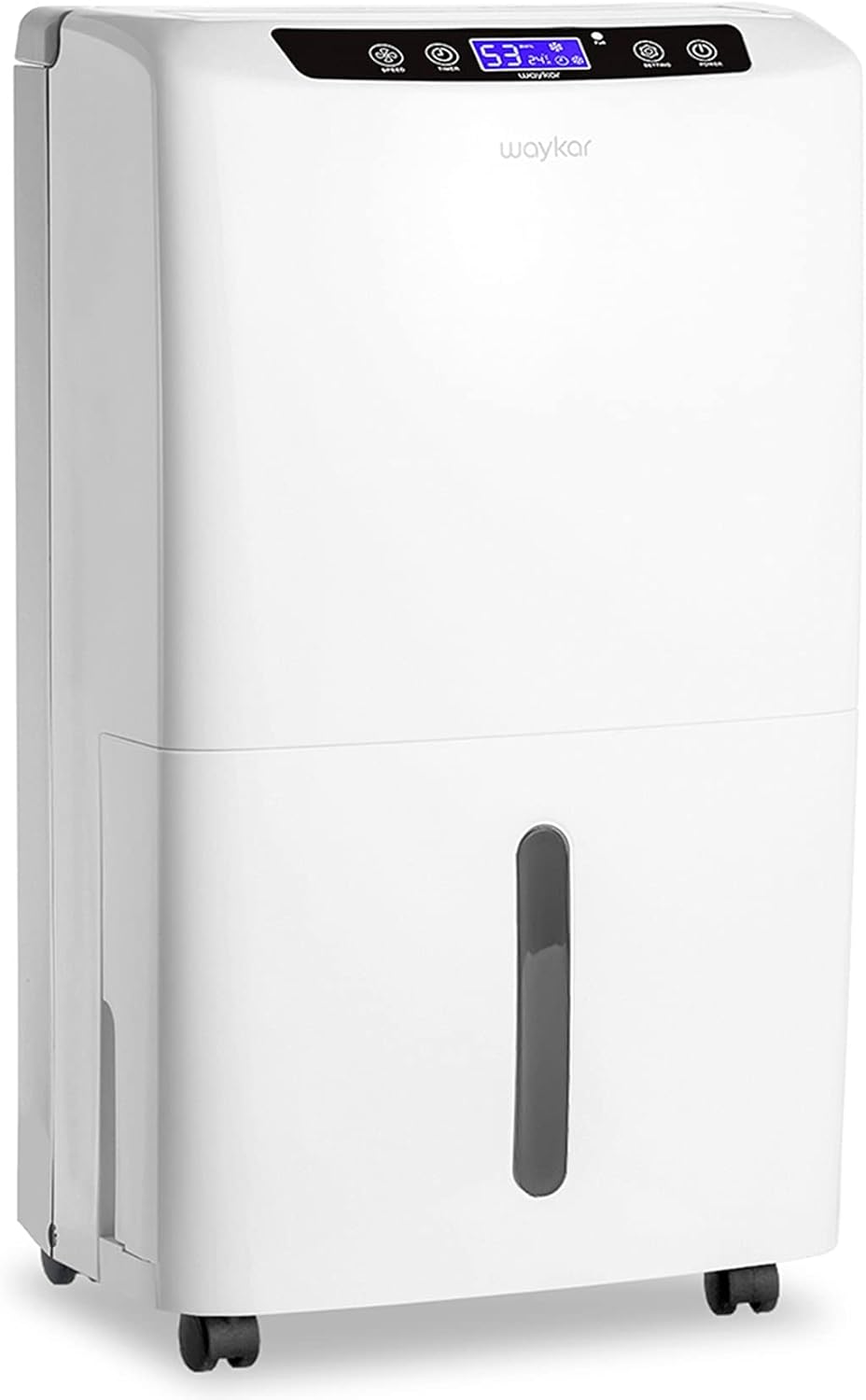
Common Buying Mistakes to Avoid
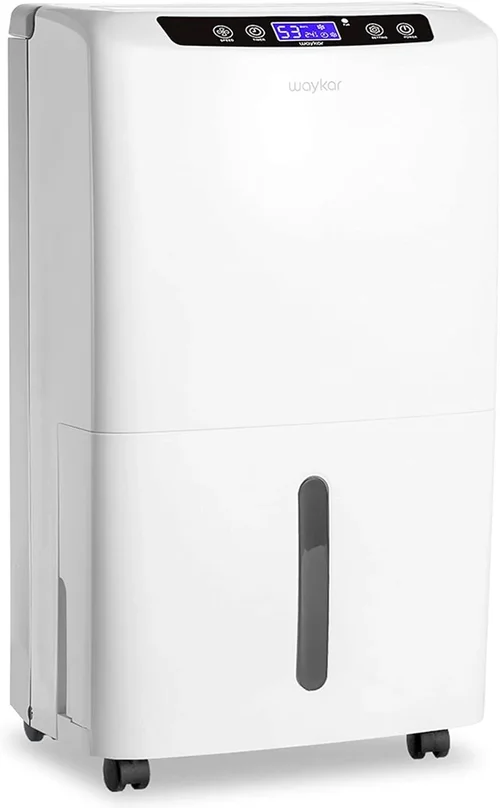
❌ Mistake: Buying Based Solely on Room Size
Why it’s bad: Square footage alone doesn’t determine dehumidifier needs. A 1,000 sq ft basement with a water leak requires far more capacity than a 1,000 sq ft dry attic. Ignoring moisture source and humidity level leads to underpowered units that never solve the problem.
What to do instead: Assess both room size AND dampness level. Use a hygrometer ($10–$20) to measure current humidity. If it’s above 60%, you likely need a higher-capacity unit. Also, address the root cause—fix leaks, improve ventilation, or install a vapor barrier.
❌ Mistake: Ignoring Energy Efficiency
Why it’s bad: A cheap, inefficient dehumidifier may cost less upfront but can double your electricity bill over time. Non-ENERGY STAR models often lack advanced controls, leading to wasted runtime.
What to do instead: Always check the Energy Factor and look for ENERGY STAR certification. Calculate annual operating cost using the formula: (Watts ÷ 1,000) × Hours Used Per Day × Electricity Rate ($/kWh) × 365. Even a $50 premium for an efficient model pays for itself in 1–2 years.
❌ Mistake: Overlooking Drainage Options
Why it’s bad: Manually emptying a full tank every 8–12 hours is unsustainable. Many users give up, leaving the unit off and allowing moisture problems to return.
What to do instead: If you can’t empty the tank daily, choose a model with continuous drainage. For basements, a gravity drain to a sump pump is ideal. For other areas, invest in a unit with a built-in pump (e.g., Frigidaire FFAD7033R1).
❌ Mistake: Choosing the Wrong Type for Your Climate
Why it’s bad: Compressor dehumidifiers lose efficiency below 65°F and may ice up. Using one in an unheated garage or crawl space in winter results in poor performance and potential damage.
What to do instead: In cold environments (<65°F), choose a desiccant dehumidifier. They work effectively down to 40°F and are quieter. For warm, humid climates, compressor models are optimal.
❌ Mistake: Skipping the Warranty Check
Why it’s bad: Dehumidifier compressors are expensive to repair—often $150–$300. Without warranty coverage, a single failure can cost more than the unit itself.
What to do instead: Compare warranty lengths and terms before buying. Avoid brands with less than 1 year of coverage unless heavily discounted. Consider extended warranties for units over $400.
❌ Mistake: Buying the Cheapest Option Available
Why it’s bad: Sub-$100 dehumidifiers often use low-quality components, lack safety certifications, and have poor moisture removal rates. They may even pose fire or electrical hazards.
What to do instead: Set a realistic budget ($150 minimum for reliable performance). Look for value—not just low price. Mid-range models ($250–$400) offer the best balance of features, efficiency, and durability.
❌ Mistake: Not Reading Real User Reviews
Why it’s bad: Marketing specs don’t tell the whole story. A unit might claim “whisper-quiet” operation but sound like a jet engine in practice.
What to do instead: Read verified purchase reviews on Amazon, Home Depot, or Consumer Reports. Pay attention to comments about noise, reliability, customer service, and actual performance in similar environments.
Budget Guidelines: How Much Should You Spend?
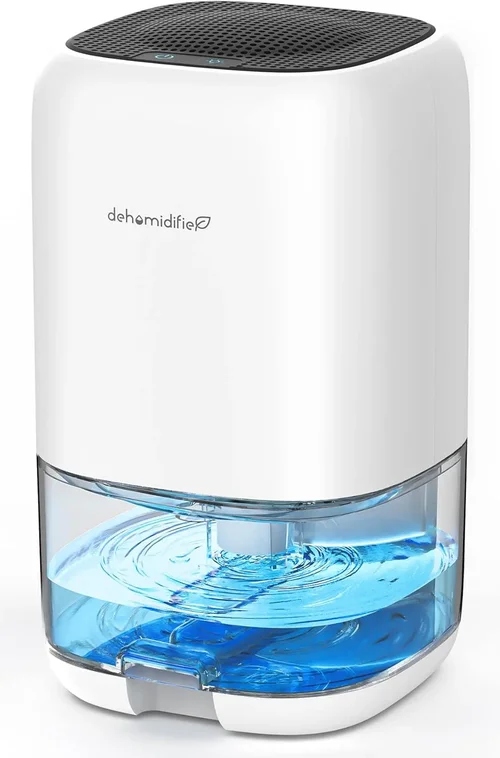
– Entry-Level ($80–$180): Suitable for small, mildly damp spaces (closets, RVs, small bathrooms). Expect basic controls, smaller tanks (8–12 pints), and limited features. Brands like Eva-Dry and Ivation offer decent mini units, but avoid ultra-cheap models without UL certification.
– Mid-Range ($180–$400): The sweet spot for most homeowners. These units (30–50 pints) handle average basements, laundry rooms, and living areas efficiently. Look for ENERGY STAR ratings, auto-humidistats, washable filters, and decent warranties. Top performers include hOmeLabs HME020034N, Tosot GDN30AZ, and Frigidaire FFAP5033W1.
– Premium ($400–$800): Ideal for large, very damp spaces or tech-savvy users. Features include built-in pumps, Wi-Fi/app control, inverter compressors, and advanced air filtration. Models like GE Appliances APER50LZ, Midea MAD50C1ZWS, and LG PuriCare UD501KOG3 deliver superior performance and smart integration.
– Luxury ($800+): Whole-house systems (e.g., AprilAire E080) or commercial-grade units for large properties, historic homes, or professional applications. These integrate with HVAC, offer remote monitoring, and provide decades of reliable service. Only necessary for homes over 2,500 sq ft or severe moisture issues.
Expert Tips for Getting the Best Deal
– Buy in Spring (March–May): Retailers discount dehumidifiers before summer humidity peaks. You’ll find the best selection and prices before demand surges.
– Shop Major Retailers Online: Amazon, Home Depot, Lowe’s, and Best Buy often run exclusive online deals with free shipping and easy returns. Check for open-box or refurbished units (often 20–30% off with full warranty).
– Use Price Tracking Tools: Set alerts on Honey, CamelCamelCamel (for Amazon), or Google Shopping to catch sudden drops. Prices fluctuate frequently, especially around holidays.
– Check for Rebates: Some utility companies offer rebates for ENERGY STAR dehumidifiers (up to $50). Visit DSIRE.org to search by ZIP code.
– Test Before Committing: If buying in-store, inspect build quality, wheel smoothness, and control responsiveness. Lift the unit—does it feel solid or flimsy?
– Understand Return Policies: Ensure the retailer allows returns if the unit doesn’t perform as expected. Most offer 30–90 days, but restocking fees may apply.
– Bundle with Other Purchases: Buying during a home appliance sale (e.g., Presidents’ Day, Black Friday) may qualify you for additional discounts or free installation.
– Consider Refurbished Models: Certified refurbished units from reputable sellers (e.g., manufacturer websites) come with warranties and cost 25–40% less than new.

Frequently Asked Questions
Q: How do I know if I need a dehumidifier?
A: Signs include persistent musty smells, condensation on windows, peeling paint or wallpaper, mold spots (especially in corners or behind furniture), and feeling clammy indoors even with AC running. Use a hygrometer—if humidity stays above 60%, a dehumidifier is recommended.
Q: Can a dehumidifier replace air conditioning?
A: No. Dehumidifiers remove moisture but don’t cool air significantly. They complement AC by making the space feel more comfortable at higher thermostat settings, potentially reducing AC runtime and saving energy.
Q: How often should I clean the filter?
A: Every 2–4 weeks during heavy use, or monthly otherwise. A clogged filter reduces airflow, lowers efficiency, and can cause the unit to overheat. Most models have washable filters—rinse with warm water and let dry completely.
Q: Will a dehumidifier help with allergies?
A: Yes. By reducing humidity below 50%, it inhibits mold, dust mites, and mildew—common allergens. Pair it with a HEPA air purifier for maximum relief.
Q: Can I run a dehumidifier all the time?
A: Yes, especially in consistently damp areas. Modern units are designed for continuous operation. Use the auto-humidistat to maintain 45–50% RH and avoid over-drying.
Q: Do dehumidifiers use a lot of electricity?
A: It depends. A 50-pint ENERGY STAR model uses about 500–600 watts. Running 10 hours/day at $0.13/kWh costs roughly $20–$25/month. Efficient models and smart scheduling can cut this significantly.
Q: What’s the ideal indoor humidity level?
A: Between 30% and 50%. Below 30%, air becomes too dry (causing dry skin and static); above 50%, mold and dust mites thrive. Aim for 45% for comfort and health.
Q: Can I use a dehumidifier in winter?
A: Only if the space stays above 65°F. Below that, compressor units may ice up. For cold areas, use a desiccant dehumidifier or a whole-home system with cold-weather operation.
Q: How long do dehumidifiers last?
A: Quality units last 5–10 years with proper maintenance. Clean filters regularly, avoid blocking vents, and don’t run in excessively dirty or dusty environments.
Q: Should I buy a dehumidifier with a built-in pump?
A: If you need to drain vertically (e.g., from basement to upstairs sink) or lack a floor drain, yes. Pumps add $50–$150 but offer unmatched flexibility. For gravity drainage only, a standard hose port suffices.
Our Final Recommendations
– Best for Budget-Conscious Buyers: Tosot GDN30AZ ($199) – 30-pint capacity, ENERGY STAR certified, quiet operation, and reliable performance for small to medium spaces. Great value with minimal compromises.
– Best Overall Value: hOmeLabs HME020034N ($279) – 50-pint powerhouse with auto-humidistat, washable filter, and robust build. Consistently praised for efficiency and durability in real-world testing.
– Best Premium Option: GE Appliances APER50LZ ($449) – 50-pint smart dehumidifier with Wi-Fi, app control, built-in pump, and Alexa/Google Assistant compatibility. Perfect for tech-integrated homes.
– Best for Beginners: Frigidaire FFAD5033W1 ($329) – Simple controls, clear display, and excellent customer support. Easy to set up and maintain, ideal for first-time users.
– Best for Advanced Users: AprilAire E080 ($1,299) – Whole-house dehumidifier that integrates with HVAC, removes up to 80 pints/day, and includes remote monitoring. For serious moisture control in large homes.
Conclusion: Making the Right Choice
Choosing the best dehumidifier in 2023 doesn’t have to be complicated—but it does require thoughtful consideration of your unique environment, needs, and budget. Start by measuring your space and humidity level, then prioritize capacity, efficiency, and drainage options that align with your lifestyle. Avoid the temptation of the cheapest model; instead, invest in a unit that delivers reliable performance, energy savings, and peace of mind for years to come.
Remember, a dehumidifier is more than an appliance—it’s a tool for healthier air, protected belongings, and greater home comfort. Whether you’re tackling a damp basement, preventing mold in a humid climate, or simply improving indoor air quality, the right dehumidifier makes all the difference. Use this guide to cut through the noise, compare options confidently, and select a model that truly meets your needs. Your home—and your health—will thank you.