
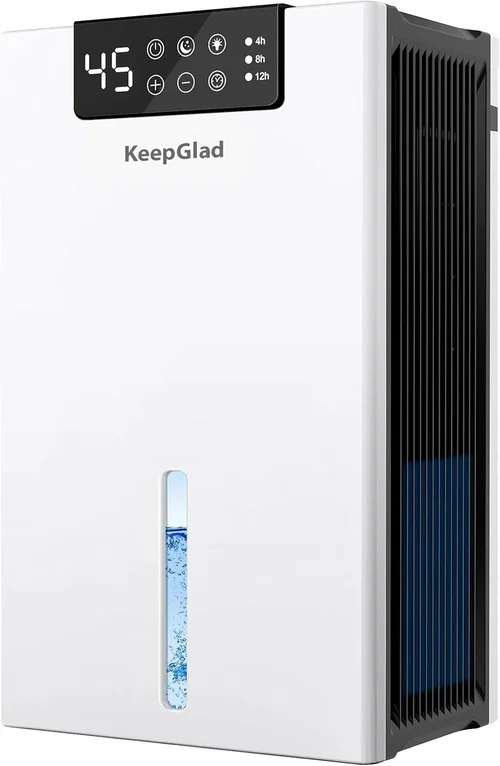
When it comes to maintaining a healthy, comfortable, and structurally sound home, few areas are as overlooked—and as critical—as the basement. Often dark, cool, and poorly ventilated, basements are prime real estate for excess moisture. Left unchecked, that dampness can lead to musty odors, mold growth, warped wood, damaged belongings, and even compromised indoor air quality. Over time, high humidity levels can weaken your home’s foundation and create an environment where allergens and bacteria thrive. That’s where a high-quality basement dehumidifier comes in—not just as a convenience, but as a necessity for long-term home protection.
Choosing the right dehumidifier for your basement isn’t as simple as picking the first model you see online or grabbing the cheapest option at the hardware store. With dozens of brands, varying capacities, features, and price points, the decision can feel overwhelming. Some units are designed for small, finished spaces, while others are built to handle vast, unfinished crawlspaces or flood-prone areas. Performance, energy efficiency, noise levels, durability, and ease of maintenance all play a role in determining which unit will best serve your needs. This comprehensive guide is designed to cut through the noise and help you make an informed, confident decision—whether you’re dealing with a persistent damp spot or simply want to prevent future moisture problems.
In this guide, you’ll learn everything you need to know about selecting the best basement dehumidifier for your specific situation. We’ll walk you through the most important factors to consider—from capacity and energy efficiency to smart features and build quality. You’ll discover the different types of dehumidifiers available, how to avoid common buying mistakes, and what to expect at various price points. We’ll also share expert tips for getting the best value, answer frequently asked questions, and provide our top recommendations across multiple categories. By the end, you’ll have a clear roadmap to choosing a dehumidifier that delivers reliable performance, protects your home, and fits your budget.
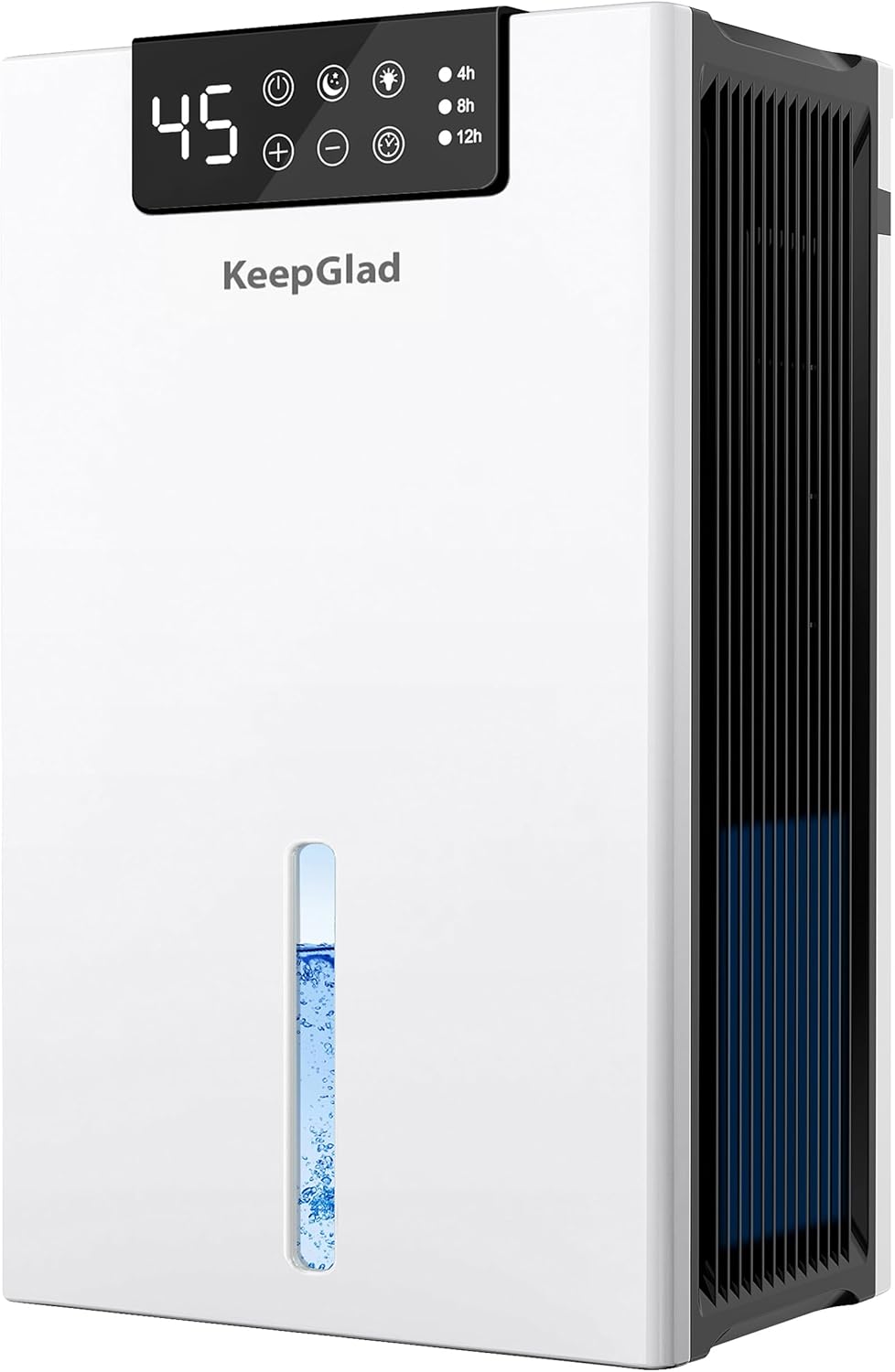
What to Look for When Buying a Basement Dehumidifier
1. Capacity & Moisture Removal Rate
The most important factor when selecting a basement dehumidifier is its capacity—specifically, how much moisture it can remove from the air over a 24-hour period. This is typically measured in pints per day (PPD). Basements vary widely in size and moisture levels, so choosing the right capacity is essential. A unit that’s too small will struggle to keep up, leaving your space damp and musty. One that’s too large may cycle on and off too frequently, wasting energy and potentially over-drying the air.
For most average-sized basements (up to 1,500 square feet), a dehumidifier with a capacity of 30 to 50 pints per day is sufficient. Larger or more humid spaces—such as unfinished basements, those with poor drainage, or homes in high-humidity climates—may require 70-pint or even 90-pint models. Always check the manufacturer’s recommended coverage area, but also consider your basement’s condition. Is it prone to flooding? Does it have visible condensation on walls or floors? These factors can push you toward a higher-capacity unit. Look for models with adjustable humidity settings (usually via a built-in humidistat) so you can maintain your ideal relative humidity level—typically between 30% and 50%.
2. Energy Efficiency & Operating Costs
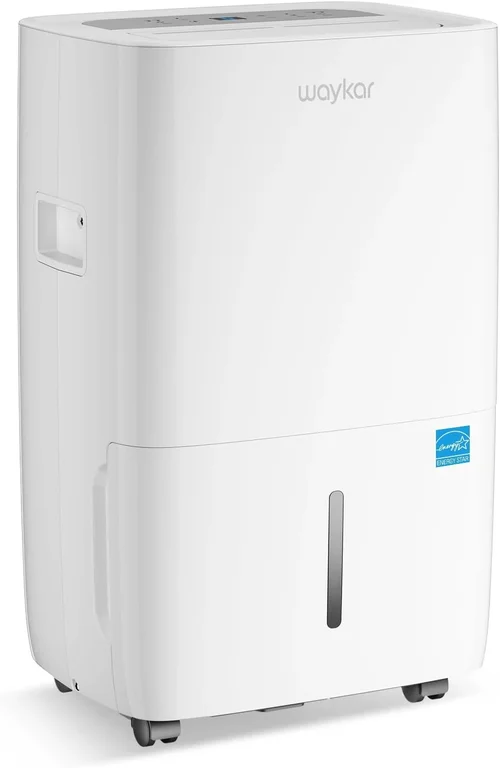
Dehumidifiers run continuously in many basements, especially during humid months, which means energy consumption can add up quickly. An inefficient model might save you money upfront but cost significantly more over time in electricity bills. Look for units with the ENERGY STAR® certification, which indicates they meet strict efficiency guidelines set by the U.S. Environmental Protection Agency. ENERGY STAR dehumidifiers use up to 15% less energy than standard models, translating to real savings.
Check the unit’s energy factor (EF), measured in liters of water removed per kilowatt-hour (L/kWh). Higher EF values mean better efficiency. For example, a model with an EF of 2.0 removes 2 liters of water for every kWh of electricity used—this is considered excellent. Also, consider the wattage: a 50-pint dehumidifier typically uses between 500 and 700 watts. Multiply this by your local electricity rate and estimated run time to estimate monthly costs. Some models include energy-saving modes or auto-shutoff features that further reduce consumption when the desired humidity level is reached.
3. Build Quality & Durability
Basements are harsh environments—cool, damp, and often dusty. A dehumidifier that works well in a living room may fail prematurely in a basement due to corrosion, mold buildup, or mechanical stress. That’s why build quality matters. Look for units with rust-resistant coils, sealed components, and sturdy casings made from high-grade plastic or coated metal. Internal parts like the compressor and fan should be designed for continuous operation.
Pay attention to the quality of the air filter. A washable, reusable filter is ideal—it’s cost-effective and easy to maintain. Some models include antimicrobial filters that inhibit mold and bacteria growth, which is especially beneficial in damp basements. Also, consider the unit’s weight and construction. Heavier, more solidly built models often indicate better internal components and longer lifespan. Avoid flimsy designs or models with exposed wiring or weak hinges.
4. Features & Functionality
Modern basement dehumidifiers come with a range of features that enhance convenience, performance, and safety. While not all are essential, some can make a big difference in usability. A built-in humidistat allows the unit to monitor and maintain your desired humidity level automatically, turning on and off as needed. This prevents over-drying and saves energy.
Look for models with a continuous drainage option—this lets you connect a garden hose so water drains directly into a floor drain or sump pump, eliminating the need to empty a bucket. This is a must-have for unattended operation, especially if you’re away from home frequently. Auto-restart functionality is another valuable feature: if the power goes out, the unit will resume operation at its previous settings when power returns.
Other useful features include a digital display, programmable timers, washable filters, and quiet operation (under 50 decibels). Some premium models offer Wi-Fi connectivity, allowing you to monitor and control the unit via a smartphone app. While these smart features are nice, they’re not necessary for everyone—focus on core functionality first.
5. Noise Level & Placement Considerations
Basements are often used as laundry rooms, home gyms, or even living spaces, so noise can be a concern. Dehumidifiers with compressors and fans can be noisy, especially older or lower-quality models. Look for units rated at 50 decibels (dB) or lower—this is roughly equivalent to a quiet conversation or background music. Anything above 55 dB may become disruptive, particularly in finished basements.
Placement also affects noise. Units with rear or side exhaust vents can be positioned against a wall, while top-discharge models are better for open areas. Consider where you’ll place the dehumidifier and whether it will be near living areas. Some models include vibration-dampening feet or insulated compressor chambers to reduce noise. If quiet operation is a priority, check user reviews for real-world noise feedback—manufacturer specs don’t always tell the full story.
6. Ease of Maintenance & Cleaning
A dehumidifier is only effective if it’s properly maintained. Regular cleaning prevents mold, bacteria, and mineral buildup that can reduce performance and create odors. The water collection bucket should be easy to remove and clean—look for a wide opening and smooth interior surfaces. Some models have splash guards or handles for safer handling.
The air filter should be accessible and washable. Ideally, it slides out without tools and can be rinsed under running water. Check how often the filter needs cleaning—most manufacturers recommend every 2–4 weeks during peak use. Units with filter cleaning indicators are a plus. Also, consider how easy it is to access internal components. If the coils or drainage system require frequent cleaning, a model with removable panels or easy-access design will save time and frustration.
7. Brand Reputation & Reliability
Not all dehumidifier brands are created equal. Some have a long history of producing reliable, high-performance units, while others focus on low-cost models that may fail prematurely. Stick with reputable brands known for quality and customer support. Look for companies with a strong warranty, responsive customer service, and positive long-term user reviews.
Brands like Frigidaire, hOmeLabs, GE, AprilAire, and Santa Fe have established themselves as leaders in the dehumidifier market. They offer consistent performance, durable construction, and reliable after-sales support. Avoid unknown or generic brands, especially those sold exclusively through third-party online retailers with limited return policies. A well-known brand may cost slightly more upfront, but it often pays off in longevity and peace of mind.
8. Warranty & Customer Support
A dehumidifier is a long-term investment, and a solid warranty reflects the manufacturer’s confidence in their product. Most quality units come with a 1- to 2-year limited warranty, covering parts and labor. Premium models may offer 3- to 5-year coverage, especially on the compressor—the most critical and expensive component.
Read the warranty terms carefully. Some cover only defects in materials, while others include labor and shipping. Check if the warranty is voided by improper use, such as operating the unit in temperatures below 41°F (5°C), which can damage the coils. Also, consider the availability of local service centers or authorized repair technicians. If something goes wrong, you don’t want to wait weeks for a replacement part.
Customer support is equally important. Look for brands with accessible support via phone, email, or live chat. Check online forums and review sites to see how responsive they are to user complaints. A company that stands behind its products will make the ownership experience much smoother.
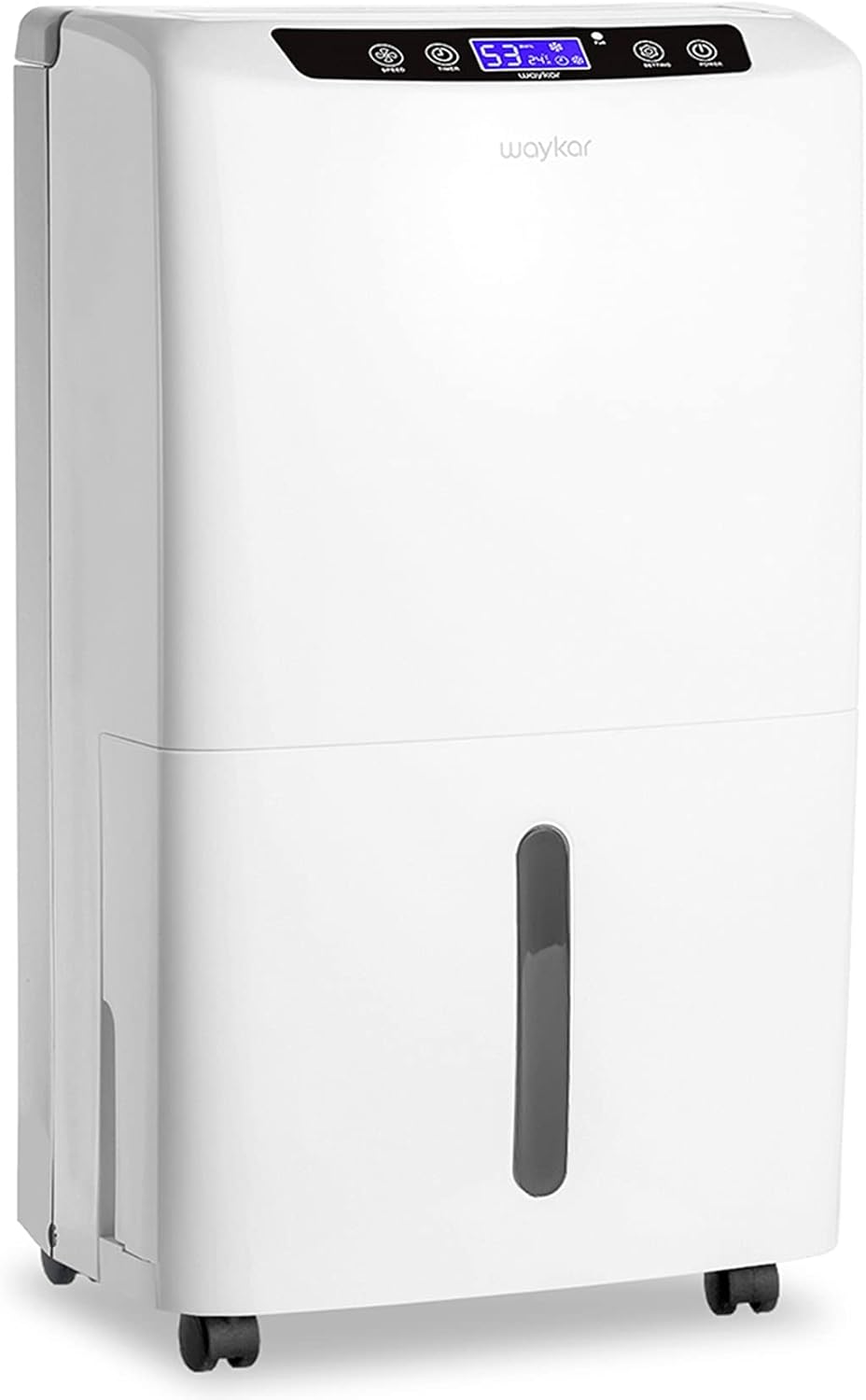
Different Types of Basement Dehumidifiers
Common Buying Mistakes to Avoid
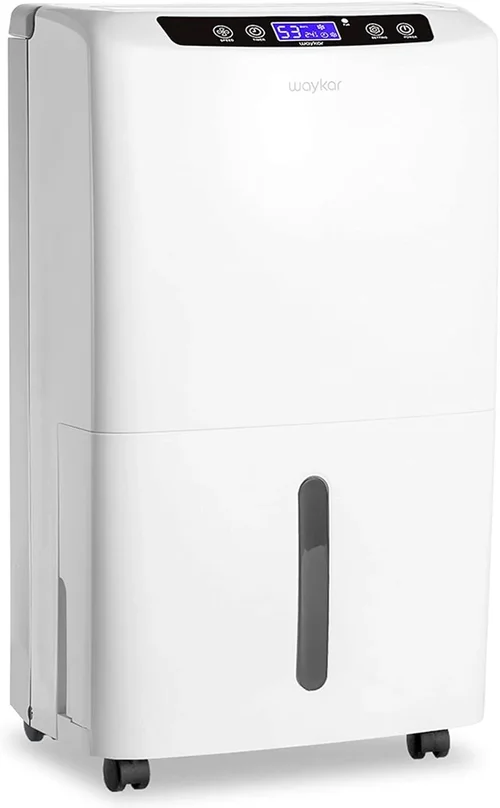
❌ Mistake: Choosing Based Solely on Price
Why it’s bad: The cheapest dehumidifier often comes with compromises—lower capacity, poor build quality, high energy consumption, and limited features. These units may fail within a year or two, requiring replacement and costing more in the long run. Additionally, low-cost models may lack essential safety features like auto-shutoff or thermal protection.
What to do instead: Focus on value, not just price. Consider the total cost of ownership, including energy use, maintenance, and expected lifespan. A mid-range model from a reputable brand often offers the best balance of performance, durability, and cost.
❌ Mistake: Ignoring the Basement’s Specific Conditions
Why it’s bad: Not all basements are the same. A unit that works in a dry, finished basement may struggle in a damp, unfinished space with poor ventilation. Ignoring factors like temperature, humidity levels, and water intrusion can lead to inadequate moisture control.
What to do instead: Assess your basement’s unique environment. Measure the square footage, check for signs of moisture (condensation, mold, musty smells), and note the average temperature. Use this information to select a unit with the appropriate capacity and type—especially important if your basement is below 60°F, where refrigerant models may lose efficiency.
❌ Mistake: Overlooking Drainage Options
Why it’s bad: Many buyers assume they’ll empty the water bucket daily, but in reality, this is inconvenient and easy to forget. A full bucket can cause the unit to shut off, leaving your basement damp. In high-humidity conditions, some models fill up in just a few hours.
What to do instead: Choose a model with a continuous drainage option. Connect a garden hose to the built-in drain port and route it to a floor drain, sump pump, or utility sink. This allows unattended operation and is especially useful for vacation homes or busy households.
❌ Mistake: Buying a Unit That’s Too Small
Why it’s bad: An undersized dehumidifier will run constantly, struggle to lower humidity, and wear out quickly. It may also fail to prevent mold or musty odors, defeating the purpose of the purchase.
What to do instead: Use the manufacturer’s sizing guide, but err on the side of a larger capacity if your basement is damp, poorly insulated, or prone to water issues. A 50-pint unit in a high-moisture environment is better than a 30-pint model that can’t keep up.
❌ Mistake: Neglecting Maintenance Requirements
Why it’s bad: A dehumidifier that isn’t cleaned regularly can become a breeding ground for mold and bacteria. Clogged filters reduce airflow, and mineral buildup on coils decreases efficiency. Over time, this can lead to foul odors and system failure.
What to do instead: Choose a model with easy-to-clean components and commit to a maintenance schedule. Clean the filter every 2–4 weeks, empty and rinse the bucket regularly, and inspect the coils annually. Some models include maintenance reminders or indicators to help you stay on track.
❌ Mistake: Not Checking Warranty and Support
Why it’s bad: A dehumidifier is a mechanical device that can fail. Without a solid warranty or accessible customer support, you may be stuck with a broken unit and no recourse. Some brands offer limited coverage or require you to ship the unit at your own expense.
What to do instead: Prioritize brands with strong warranties (at least 2 years) and responsive customer service. Read the fine print and check online reviews for real-world experiences with repairs and replacements.
Budget Guidelines: How Much Should You Spend?
Entry-Level ($100 – $200): These models are best for small, dry basements or seasonal use. Expect basic functionality, lower capacity (20–30 pints), and limited features. Build quality may be lower, and energy efficiency is often subpar. Ideal for occasional dampness or as a temporary solution.
Mid-Range ($200 – $400): This is the sweet spot for most homeowners. Units in this range offer 30–50 pint capacity, ENERGY STAR certification, continuous drainage, and reliable performance. Brands like hOmeLabs and Frigidaire dominate this category with durable, user-friendly models. Expect good warranties and solid customer support.
Premium ($400 – $700): Designed for larger or high-moisture basements, these models often feature 70-pint or higher capacity, advanced controls, smart connectivity, and superior build quality. They’re ideal for finished basements, homes in humid climates, or those with recurring moisture issues. Look for desiccant models or high-efficiency compressors.
Luxury ($700+): These are whole-house or commercial-grade dehumidifiers built for maximum performance and integration. They’re typically installed by professionals and connected to HVAC systems. Features include ultra-quiet operation, advanced humidity control, and remote monitoring. Best for large homes, luxury finishes, or severe moisture problems.
Expert Tips for Getting the Best Deal
– Buy during off-peak seasons: Dehumidifiers are in highest demand during summer. Shop in late fall or winter for discounts and clearance sales.
– Check for rebates: Some utility companies offer rebates for ENERGY STAR appliances. Visit your provider’s website or contact them directly.
– Compare online and in-store prices: Online retailers often have lower prices and better return policies, but in-store purchases let you inspect the unit first.
– Read user reviews carefully: Look for patterns in feedback—repeated complaints about noise, leaks, or short lifespan are red flags.
– Consider refurbished or open-box models: These can offer significant savings with minimal risk, especially from reputable sellers with warranties.
– Test before committing: If possible, run the unit for a few days to ensure it meets your expectations for noise, performance, and ease of use.
– Negotiate extended warranties: Some retailers offer discounted extended coverage if purchased at the same time as the unit.

Frequently Asked Questions
Q: How do I know what size dehumidifier I need?
A: Start by measuring your basement’s square footage. Then assess moisture levels: a damp basement may need a 50-pint unit, while a very wet one could require 70 pints or more. Use the manufacturer’s sizing chart, but adjust based on your specific conditions.
Q: Can I use a dehumidifier in a cold basement?
A: Yes, but refrigerant models lose efficiency below 60°F. For cold basements, choose a desiccant dehumidifier, which performs well in low temperatures.
Q: Should I run my dehumidifier all the time?
A: It depends. If humidity stays above 50%, continuous operation may be necessary. Use a humidistat to automate the process and save energy.
Q: How often should I clean my dehumidifier?
A: Clean the filter every 2–4 weeks during peak use. Empty and rinse the bucket weekly, and inspect coils annually.
Q: Can a dehumidifier help with mold?
A: Yes, by reducing moisture, it prevents mold growth. However, existing mold should be cleaned by a professional before using a dehumidifier.
Q: Is a higher pint rating always better?
A: Not necessarily. A unit that’s too large may short-cycle, reducing efficiency and lifespan. Match capacity to your basement’s needs.
Q: Do I need a dehumidifier if my basement feels dry?
A: Even if it feels dry, hidden moisture can cause problems. Use a hygrometer to check humidity levels—ideal is 30–50%.
Q: Can I install a dehumidifier myself?
A: Most portable units are plug-and-play. Whole-house models may require professional installation, especially if ductwork is involved.
Our Final Recommendations
Best for Budget-Conscious Buyers: hOmeLabs 30 Pint Dehumidifier – Reliable performance, ENERGY STAR certified, and priced under $200. Great for small to medium basements with moderate moisture.
Best Overall Value: Frigidaire FFAD5033W1 50 Pint Dehumidifier – Excellent balance of capacity, efficiency, and features. Includes continuous drainage, washable filter, and a 2-year warranty.
Best Premium Option: AprilAire E080 Pro – A whole-house desiccant dehumidifier ideal for large or cold basements. Quiet, powerful, and built to last.
Best for Beginners: GE APER50LZ – User-friendly controls, clear display, and straightforward maintenance. Perfect for first-time buyers.
Best for Advanced Users: Santa Fe Compact 70 – High-capacity, energy-efficient, and designed for severe moisture issues. Includes remote monitoring and smart controls.
Conclusion: Making the Right Choice
Choosing the best basement dehumidifier is about more than just removing moisture—it’s about protecting your home, improving air quality, and creating a healthier living environment. By understanding your basement’s unique needs and evaluating key factors like capacity, efficiency, and features, you can select a unit that delivers reliable performance for years to come.
Don’t rush the decision. Take time to assess your space, compare models, and read real user experiences. Remember, the cheapest option isn’t always the best, and the most expensive isn’t always necessary. Focus on value, durability, and functionality. With the right dehumidifier, you’ll enjoy a drier, fresher basement—and peace of mind knowing your home is protected from the hidden dangers of excess humidity.
Invest wisely, maintain regularly, and breathe easier knowing you’ve made a smart choice for your home.