
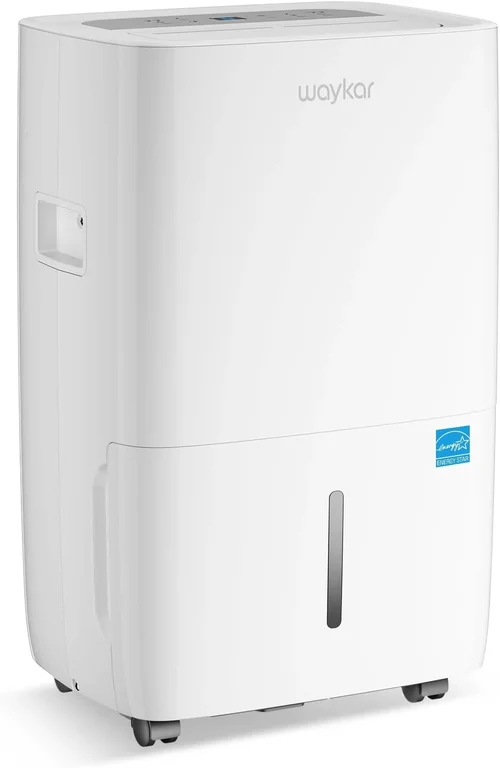
Dealing with excess moisture in your home isn’t just about comfort—it’s about health, safety, and protecting your investment. High humidity levels can lead to mold growth, musty odors, warped wood, damaged electronics, and even respiratory issues for you and your family. Whether you live in a humid climate, have a damp basement, or are recovering from water damage, a reliable dehumidifier is an essential tool. Among the many options on the market, the 70-pint dehumidifier stands out as a powerful, versatile solution for medium to large spaces. Capable of removing up to 70 pints of moisture per day, these units are ideal for areas ranging from 1,500 to 4,000 square feet, making them perfect for basements, crawl spaces, garages, and even whole-house applications when used strategically.
But not all 70-pint dehumidifiers are created equal. With dozens of models from various brands—each boasting different features, energy efficiencies, noise levels, and build qualities—choosing the right one can feel overwhelming. That’s where this comprehensive buyer’s guide comes in. Our goal is to cut through the marketing noise and give you the expert-level insights you need to make a confident, informed decision. We’ll walk you through the most important factors to consider, compare different types and technologies, highlight common pitfalls, and provide actionable tips to help you get the best value for your money. Whether you’re a first-time buyer or upgrading from a smaller unit, this guide will equip you with everything you need to find the best 70-pint dehumidifier for your specific needs.
The market for dehumidifiers has evolved significantly over the past decade. What was once a niche appliance for flood restoration or extreme climates has now become a mainstream household essential. Today’s 70-pint models are smarter, more efficient, and more user-friendly than ever before. From Energy Star-certified units that save on electricity bills to smart dehumidifiers controllable via smartphone apps, the options are vast. However, this abundance of choice also means it’s easier to make a costly mistake—like buying a unit that’s underpowered for your space, too loud for daily use, or prone to frequent breakdowns. By the end of this guide, you’ll understand exactly what to look for, how to avoid common traps, and which models deliver the best performance, reliability, and long-term value. Let’s dive in.

What to Look for When Buying Buying Guide
1. Performance Specifications
When evaluating a 70-pint dehumidifier, performance isn’t just about the number on the label—it’s about real-world effectiveness. The “70-pint” rating refers to the amount of moisture the unit can remove in a 24-hour period under standard testing conditions (typically 80°F and 60% relative humidity). However, actual performance can vary based on room temperature, humidity levels, and airflow. Look for models that maintain strong extraction rates even in cooler environments (down to 41°F), especially if you’re using it in a basement or unheated space. Additionally, check the unit’s coverage area—most 70-pint dehumidifiers are rated for 1,500 to 4,000 square feet, but this depends on the severity of moisture. A flooded basement may require a more powerful unit or supplemental ventilation. Also, consider the water tank capacity: larger tanks (typically 12–16 pints) mean less frequent emptying, which is crucial for continuous operation. If you plan to run the unit unattended for long periods, opt for a model with a built-in pump or continuous drainage option.
2. Energy Efficiency
A dehumidifier that runs 24/7 can significantly impact your electricity bill, so energy efficiency should be a top priority. Look for models with the ENERGY STAR certification, which indicates they meet strict efficiency guidelines set by the U.S. Environmental Protection Agency. ENERGY STAR-certified 70-pint dehumidifiers use about 15–30% less energy than standard models, saving you $100 or more over the unit’s lifetime. Pay attention to the Energy Factor (EF), measured in liters of water removed per kilowatt-hour (L/kWh). Higher EF values mean better efficiency—aim for at least 1.5 L/kWh or higher. Some advanced models also feature variable-speed compressors or smart humidity sensors that adjust operation based on real-time conditions, further reducing energy consumption. While energy-efficient models may cost more upfront, the long-term savings often justify the investment, especially in high-humidity regions or during extended use.
3. Build Quality & Durability
Since dehumidifiers are long-term investments, durability matters. A well-built unit should last 5–10 years with proper maintenance. Look for sturdy construction materials—metal housings are more durable than plastic, though many high-quality models use reinforced composites. Check the quality of internal components, such as the compressor (scroll compressors are generally more reliable and quieter than reciprocating ones), evaporator coils (copper or coated aluminum resist corrosion), and fan motors (brushless motors last longer and run more quietly). Sealed bearings and rust-resistant coatings are also important, especially in damp environments. Additionally, consider the unit’s weight and design—heavier units often indicate better internal components, but ensure it has sturdy handles and wheels for mobility. Reading user reviews can reveal common failure points, such as leaking tanks, faulty pumps, or compressor burnout, helping you avoid models with known reliability issues.
4. Features & Functionality
Modern 70-pint dehumidifiers come packed with features that enhance convenience and performance. Key functionalities to look for include:
– Built-in pump: Allows for upward drainage (e.g., into a sink or out a window), eliminating the need to empty the tank manually.
– Continuous drainage: A hose connection lets you drain water directly into a floor drain or sump pump.
– Humidity control: Adjustable humidity settings (typically 30–80% RH) let you maintain your ideal indoor environment.
– Auto-defrost: Prevents ice buildup on coils in cold environments, ensuring consistent operation.
– Timer and auto-restart: Lets you schedule operation and resume after power outages.
– Air filtration: Built-in filters (washable or replaceable) capture dust, allergens, and mold spores.
– Smart controls: Wi-Fi connectivity and app control allow remote monitoring and scheduling via smartphone.
– Quiet operation: Look for models with noise levels below 50 decibels (dB) for use in living areas or bedrooms.
These features not only improve usability but also extend the unit’s lifespan by preventing operational stress.
5. Size & Portability
Even though 70-pint dehumidifiers are larger than compact models, portability is still important—especially if you plan to move the unit between rooms or store it seasonally. Most weigh between 40 and 70 pounds, so check for ergonomic handles and smooth-rolling casters. Some models feature a compact vertical design that fits easily in tight spaces, while others are bulkier but offer better airflow. Consider the unit’s footprint: a smaller base may be easier to position in a corner or near a drain. Also, think about cord length and plug type—some units come with long power cords or even hardwiring options for permanent installations. If you’re placing the dehumidifier in a basement or garage, ensure it has adequate clearance (at least 6–12 inches) from walls for proper airflow.
6. Noise Level
Noise can be a dealbreaker, especially if the dehumidifier will run near living spaces, bedrooms, or home offices. Most 70-pint models operate between 45 and 60 decibels (dB)—comparable to a quiet conversation or a refrigerator hum. However, some units are noticeably louder due to fan design or compressor vibration. Look for models with noise-reduction features like insulated cabinets, vibration-dampening mounts, or multi-speed fans that run quietly at lower settings. If noise is a major concern, consider placing the unit in a remote area like a basement or utility room, or opt for a model with a “quiet mode” that reduces fan speed during nighttime operation. User reviews often highlight real-world noise levels, so don’t rely solely on manufacturer specs.
7. Brand Reputation & Reliability
Not all dehumidifier brands are equal in terms of quality, customer service, and innovation. Established brands like Frigidaire, GE, hOmeLabs, AprilAire, and Friedrich have built strong reputations for reliability and performance. These companies often invest more in R&D, use higher-grade components, and offer better warranties. In contrast, lesser-known or generic brands may cut corners on materials or skip rigorous testing, leading to shorter lifespans and more frequent repairs. Research brand history, read customer feedback, and check independent review sites like Consumer Reports or Wirecutter. A reputable brand may cost more initially, but it often translates to fewer headaches and longer service life.
8. Warranty & Support
A solid warranty is a strong indicator of a manufacturer’s confidence in their product. Most quality 70-pint dehumidifiers come with a 1- to 2-year limited warranty, covering parts and labor. Premium models may offer extended coverage (up to 5 years) or separate compressor warranties. Pay attention to what’s included—some warranties exclude labor, filters, or damage from improper use. Also, consider the availability of customer support: can you easily reach a technician? Are replacement parts readily available? Brands with strong service networks (like AprilAire or Honeywell) often provide faster repairs and better long-term support. Before purchasing, read the warranty terms carefully and register your product to ensure full coverage.
Different Types of Buying Guide

Common Buying Mistakes to Avoid
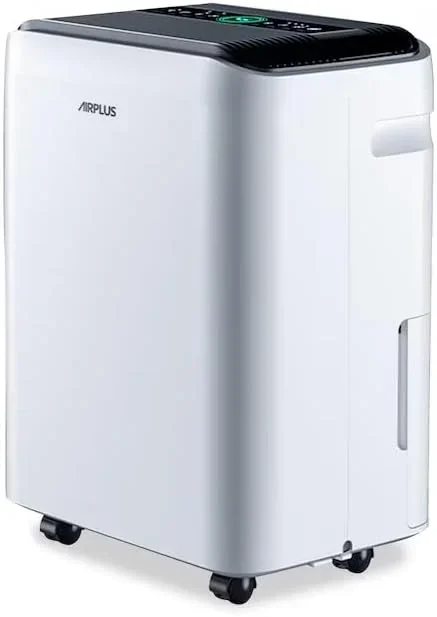
❌ Mistake: Choosing Based Solely on Pint Rating
Why it’s bad: The “70-pint” label doesn’t tell the whole story. Two units with the same rating can perform very differently in real-world conditions. Some manufacturers inflate ratings under ideal lab conditions that don’t reflect typical home environments. A unit that performs well at 80°F may struggle in a 55°F basement.
What to do instead: Look beyond the pint number. Check the unit’s performance at lower temperatures, read independent reviews, and consider the actual square footage and humidity level of your space. A slightly smaller, more efficient unit may outperform a “70-pint” model in cold or low-humidity conditions.
❌ Mistake: Ignoring Drainage Options
Why it’s bad: If you don’t plan for drainage, you’ll be emptying a 12–16 pint tank every 8–12 hours—especially in high-moisture areas. This is not only inconvenient but can lead to overflow and water damage if you’re away from home.
What to do instead: Choose a model with a built-in pump or continuous drainage hose. A pump allows you to drain water upward into a sink or out a window, while a hose can connect directly to a floor drain. This enables 24/7 operation without manual intervention.
❌ Mistake: Overlooking Noise Levels
Why it’s bad: A noisy dehumidifier can disrupt sleep, work, or relaxation—especially if placed near living areas. Some models emit loud compressor cycles or high-pitched fan noises that become irritating over time.
What to do instead: Check decibel ratings and look for user feedback on noise. Opt for models with insulated cabinets, variable-speed fans, or “quiet mode” settings. If noise is a major concern, place the unit in a remote area or consider sound-dampening enclosures.
❌ Mistake: Skipping the Warranty Check
Why it’s bad: Dehumidifiers contain complex components like compressors and coils that can fail prematurely. Without a solid warranty, a single repair could cost nearly as much as a new unit.
What to do instead: Always review the warranty terms before buying. Look for at least a 1-year comprehensive warranty, and consider extended coverage for critical parts. Register your product promptly and keep receipts for proof of purchase.
❌ Mistake: Buying the Cheapest Option
Why it’s bad: Low-cost models often use inferior components, lack essential features, and have shorter lifespans. You may end up replacing the unit within 2–3 years, costing more in the long run.
What to do instead: Focus on value, not just price. A mid-range model with good reviews, solid build quality, and energy efficiency will save money over time through lower electricity bills and fewer repairs.
❌ Mistake: Not Considering Maintenance Needs
Why it’s bad: Filters, coils, and tanks require regular cleaning to prevent mold, bacteria, and reduced efficiency. Neglecting maintenance can lead to foul odors, poor performance, and health risks.
What to do instead: Choose a model with easy-access filters and removable tanks. Set a maintenance schedule—clean filters monthly, inspect coils quarterly, and sanitize the tank regularly. Some models have filter change indicators to remind you.
❌ Mistake: Assuming All Brands Are Equal
Why it’s bad: Generic or off-brand dehumidifiers may look similar to name-brand models but often use cheaper parts and lack quality control. This can result in frequent breakdowns and poor customer support.
What to do instead: Stick with reputable brands known for reliability and service. Research brand history, read customer reviews, and check third-party ratings. A trusted brand may cost more upfront but offers peace of mind and long-term reliability.
Budget Guidelines: How Much Should You Spend?
– Entry-Level ($200 – $300): These models offer basic 70-pint performance with limited features. Expect plastic construction, smaller water tanks, and no built-in pump. Ideal for occasional use in low-moisture areas or as a temporary solution. Energy efficiency may be lower, and warranties are typically 1 year. Examples include basic Frigidaire or GE models.
– Mid-Range ($300 – $500): This is the sweet spot for most buyers. Units in this range offer a balance of performance, efficiency, and features. Look for ENERGY STAR certification, larger tanks, continuous drainage, auto-defrost, and better build quality. Brands like hOmeLabs, Tosot, and Ivation excel here. These models are reliable, quiet, and suitable for daily use in basements or garages.
– Premium ($500 – $800): Designed for serious moisture control, these dehumidifiers include advanced features like built-in pumps, smart controls, Wi-Fi connectivity, and superior filtration. They often have metal housings, scroll compressors, and longer warranties (2–5 years). Ideal for high-humidity environments, flood recovery, or whole-house applications. AprilAire and Friedrich are top contenders.
– Luxury ($800+): These are commercial-grade or whole-house systems built for maximum durability and performance. They integrate with HVAC systems, offer remote monitoring, and are designed for 24/7 operation in large spaces. While overkill for most homes, they’re perfect for large estates, rental properties, or professional use. Expect top-tier materials, extended warranties, and professional installation options.
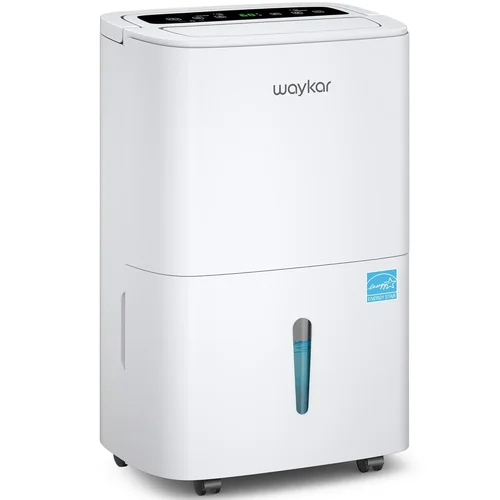
Expert Tips for Getting the Best Deal
– Buy During Off-Season: Dehumidifiers are in highest demand during summer and after storms. Prices often drop in fall and winter. Look for end-of-season sales in September–November for the best deals.
– Shop Online for Better Selection: Online retailers like Amazon, Home Depot, and Lowe’s offer wider selections, detailed specs, and customer reviews. You can also compare prices across sites and take advantage of digital coupons.
– Check for Rebates and Incentives: Many utility companies offer rebates for ENERGY STAR appliances. Visit your provider’s website or check the ENERGY STAR rebate finder to see if you qualify for savings.
– Read the Fine Print on Warranties: Some warranties are voided if the unit is used in commercial settings or not registered within 30 days. Always read the terms and register your product immediately.
– Test Before Committing: If buying in-store, inspect the unit for build quality, noise level, and ease of use. Check the weight, handle design, and control panel layout.
– Consider Refurbished or Open-Box Models: Reputable retailers often sell certified refurbished dehumidifiers at 20–40% off. These units are tested, cleaned, and come with warranties—great for budget-conscious buyers.
– Look for Bundle Deals: Some retailers offer discounts when you buy a dehumidifier with a humidifier, air purifier, or HVAC service. These bundles can save you money and improve overall indoor air quality.
– Use Price Tracking Tools: Tools like Honey, CamelCamelCamel, or Google Shopping can alert you when prices drop. Set up alerts for your desired model and wait for the best deal.

Frequently Asked Questions
Q: Can a 70-pint dehumidifier be too powerful for my space?
A: Yes, if your space is small (under 1,000 sq ft) and only mildly humid, a 70-pint unit may cycle on and off too frequently, reducing efficiency and lifespan. In such cases, a 30–50 pint model may be more appropriate. However, for large or very damp areas, the extra capacity ensures consistent moisture control.
Q: How often should I empty the water tank?
A: It depends on humidity levels and tank size. In high-moisture environments, a 12-pint tank may need emptying every 8–12 hours. Use continuous drainage or a built-in pump to avoid manual emptying.
Q: Do I need a dehumidifier in winter?
A: Yes, especially in basements or poorly insulated areas. Cold air holds less moisture, but condensation can still form on walls and windows, leading to mold. Many 70-pint models have auto-defrost for cold-weather operation.
Q: Can I use a dehumidifier with my HVAC system?
A: Yes, and it’s often recommended. Whole-house dehumidifiers integrate with your HVAC ductwork to maintain consistent humidity throughout your home. Portable units can supplement central systems in problem areas.
Q: How do I clean my dehumidifier?
A: Unplug the unit and remove the water tank and filter. Wash the tank with mild soap and water, and rinse the filter. Wipe the coils with a soft brush or vacuum. Reassemble and run a test cycle.
Q: What’s the ideal indoor humidity level?
A: The EPA recommends keeping indoor humidity between 30% and 50%. Use a hygrometer to monitor levels and adjust your dehumidifier accordingly.
Q: Are smart dehumidifiers worth the extra cost?
A: If you value convenience and remote control, yes. Smart models let you monitor humidity, receive alerts, and adjust settings from your phone—ideal for vacation homes or busy households.
Q: Can a dehumidifier help with allergies?
A: Absolutely. By reducing mold, dust mites, and mildew, dehumidifiers can significantly improve indoor air quality and alleviate allergy symptoms.
Q: How long do 70-pint dehumidifiers typically last?
A: With proper maintenance, most quality units last 5–10 years. Regular cleaning, filter replacement, and avoiding extreme conditions can extend lifespan.
Q: Should I run my dehumidifier continuously?
A: Not necessarily. Use a humidistat to maintain your target humidity level. Many models have auto modes that turn on only when needed, saving energy and reducing wear.
Our Final Recommendations
– Best for Budget-Conscious Buyers: hOmeLabs 70 Pint Dehumidifier – Offers excellent value with ENERGY STAR certification, large tank, continuous drainage, and quiet operation under $350.
– Best Overall Value: Frigidaire FFAD7033R1 – A reliable, feature-rich model with a built-in pump, auto-defrost, and strong performance in cold basements. Priced around $450.
– Best Premium Option: AprilAire E70 Pro – A whole-house capable unit with superior build quality, smart controls, and 5-year warranty. Ideal for serious moisture control.
– Best for Beginners: Tosot 70 Pint Dehumidifier – User-friendly controls, easy maintenance, and solid performance make it perfect for first-time buyers.
– Best for Advanced Users: Friedrich D70BP – Features a built-in pump, Wi-Fi connectivity, and commercial-grade durability. Great for tech-savvy users and high-demand environments.
Conclusion: Making the Right Choice
Choosing the best 70-pint dehumidifier isn’t just about finding the most powerful unit—it’s about matching the right combination of performance, efficiency, features, and reliability to your specific needs. Whether you’re tackling a damp basement, protecting your home from mold, or improving indoor air quality, the right dehumidifier can make a dramatic difference in your comfort and health. By considering factors like energy efficiency, drainage options, noise levels, and brand reputation, you can avoid common pitfalls and invest in a unit that delivers lasting value.
Remember, the cheapest option isn’t always the best, and the most expensive model may be overkill for your situation. Focus on your priorities: Do you need quiet operation? Continuous drainage? Smart controls? Use this guide to weigh your options and make a decision that aligns with your lifestyle, budget, and long-term goals. With the insights and recommendations provided, you’re now equipped to navigate the market with confidence. Take action today—your home, your health, and your peace of mind are worth it.