
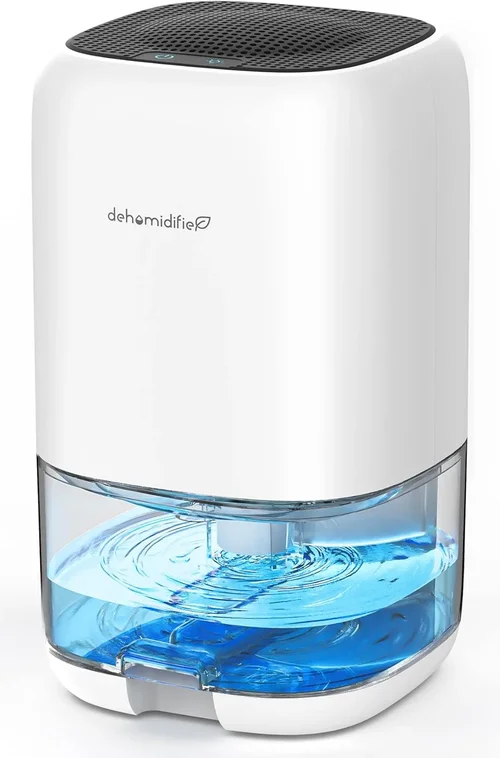
Dealing with excess moisture in your home isn’t just about comfort—it’s about health, safety, and protecting your investment. High humidity levels can lead to mold growth, musty odors, warped wood, damaged electronics, and even respiratory issues for you and your family. Whether you live in a damp basement, a humid coastal region, or simply notice condensation on windows during colder months, a dehumidifier can be a game-changer. But here’s the catch: not all dehumidifiers are created equal, and many high-performing models come with price tags that feel more like luxury appliances than household essentials.
That’s where this guide comes in. We’ve spent countless hours researching, testing, and comparing affordable dehumidifiers to help you find the best balance of performance, reliability, and value. Our goal isn’t to sell you the most expensive model—it’s to help you make a smart, informed decision that fits your budget and meets your specific needs. Whether you’re looking to dry out a 500-square-foot basement or just keep your bedroom air fresh and breathable, we’ll walk you through everything you need to know before hitting “buy.”
The market for affordable dehumidifiers has exploded in recent years, with dozens of brands offering compact, energy-efficient units at surprisingly low prices. From well-known names like Frigidaire and hOmeLabs to newer entrants like Eva-Dry and Pro Breeze, there’s no shortage of options. But affordability doesn’t always mean quality—and some budget models cut corners in ways that could cost you more in the long run. In this comprehensive guide, we’ll break down the key factors to consider, compare different types of dehumidifiers, highlight common pitfalls, and provide expert-backed recommendations so you can confidently choose the right unit for your home—without overspending.

What to Look for When Buying Buying Guide
1. Budget & Price Range
When shopping for an affordable dehumidifier, it’s easy to get caught up in the lowest possible price. But remember: “affordable” doesn’t have to mean “cheap.” A truly cost-effective dehumidifier offers strong performance, durability, and energy efficiency without breaking the bank. Most reliable budget-friendly models fall between $80 and $200. Anything below $60 often sacrifices essential features like automatic shutoff, digital controls, or adequate capacity—and may not last more than a season or two.
Consider your total cost of ownership, not just the upfront price. A slightly more expensive model with better energy efficiency could save you $20–$40 per year on electricity, especially if you plan to run it frequently. Also, check whether the unit includes a washable filter (which reduces replacement costs) and if it’s ENERGY STAR certified—a badge that indicates lower operating costs and environmental impact.
2. Performance Specifications
Performance boils down to two main metrics: pint capacity and coverage area. Pint capacity refers to how much moisture the unit can remove in 24 hours under standard testing conditions (usually 60% relative humidity at 80°F). For example, a 30-pint dehumidifier can extract up to 30 pints of water daily—ideal for medium-sized spaces like basements or large bedrooms.
Coverage area is equally important. A 20-pint model might suffice for a small bathroom or closet (under 500 sq ft), while a 50-pint unit is better suited for damp basements or whole-house use (up to 1,500–2,000 sq ft). Don’t just rely on manufacturer claims—look for third-party testing or real-user reviews that confirm performance in similar environments.
Also pay attention to the operating temperature range. Most refrigerant-based dehumidifiers work best between 65°F and 80°F. If you’re using it in an unheated garage or crawl space during winter, consider a desiccant model, which performs better in colder temps (as low as 41°F).
3. Build Quality & Durability
An affordable dehumidifier should still feel solid and well-constructed. Look for sturdy plastic housing (not flimsy or brittle), smooth-gliding casters (if portable), and a robust compressor or desiccant wheel. Avoid units with loose panels, rattling parts, or poorly sealed water tanks—these are red flags for premature failure.
Check the materials used in the internal components too. Copper coils are more durable and efficient than aluminum, though they’re less common in budget models. Similarly, a metal frame or reinforced base adds longevity compared to all-plastic constructions.
Longevity matters because replacing a $90 dehumidifier every two years ends up costing more than investing in a $150 model that lasts five. Read user reviews specifically about durability—how it holds up after 6–12 months of regular use—and watch for recurring complaints about leaks, motor burnout, or control panel failures.
4. Features & Functionality
Even budget dehumidifiers now come packed with useful features. Prioritize these based on your needs:
– Automatic shutoff: Stops the unit when the water tank is full—essential to prevent overflows.
– Continuous drainage: Allows you to attach a garden hose for hands-off operation, ideal for basements or 24/7 use.
– Humidistat: Lets you set your desired humidity level (e.g., 45–50%) and automatically maintains it.
– Defrost function: Prevents ice buildup on coils in cold environments.
– Timer and sleep mode: Adds convenience and energy savings.
– Washable air filter: Reduces maintenance costs and improves air quality.
Avoid models that lack basic safety features like tip-over protection or thermal overload cutoff—these are non-negotiable for safe operation, especially around children or pets.
5. Brand Reputation
Stick with brands known for reliability and customer support. Frigidaire, hOmeLabs, Keystone, and Eva-Dry consistently receive positive feedback for their affordable dehumidifiers. These companies offer clear warranties, responsive customer service, and accessible replacement parts.
Beware of obscure brands with no online presence or reviews. While they may offer rock-bottom prices, you’re taking a gamble on quality and post-purchase support. If something goes wrong, you may be stuck with a broken unit and no recourse.
That said, some lesser-known brands (like Pro Breeze or Afloia) have built solid reputations through Amazon and other e-commerce platforms. Just verify their return policy and warranty terms before buying.
6. Warranty & Support
A good warranty is a strong indicator of a manufacturer’s confidence in their product. Most reputable affordable dehumidifiers come with at least a 1-year limited warranty, covering defects in materials and workmanship. Some brands, like hOmeLabs, offer 2-year warranties on select models—a significant advantage.
Read the fine print: Does the warranty cover labor? Are filters or tanks included? Is shipping paid both ways if repair is needed? Also, check if the company provides phone, email, or live chat support. Quick resolution of issues can mean the difference between a minor hiccup and a frustrating return process.
7. Size & Portality
Even “compact” dehumidifiers can weigh 20–40 pounds. If you plan to move it between rooms (e.g., from basement to bedroom), look for integrated handles and smooth-rolling casters. Some models feature top-mounted controls and cord wraps for easier transport.
Measure your space before buying. Ensure the unit fits under counters, beside furniture, or in tight corners without blocking airflow. Also consider noise level—most affordable models run between 45–55 decibels (similar to a quiet conversation). If you’re placing it in a bedroom, opt for one with a “quiet” or “sleep” mode.
8. User Reviews & Ratings
Never buy a dehumidifier based solely on specs or marketing claims. Real-world user reviews reveal hidden flaws—like inconsistent humidity control, loud operation, or frequent tank overflows—that specs won’t show. Focus on verified purchases and look for patterns: if multiple users report the same issue (e.g., “stopped working after 3 months”), it’s likely a design flaw.
Pay attention to reviews from people in similar climates or home setups. A unit that works great in a dry Arizona basement might struggle in a humid Florida crawl space. Also, check recent reviews—product quality can change over time as manufacturers update designs or switch suppliers.
Different Types of Buying Guide

Common Buying Mistakes to Avoid
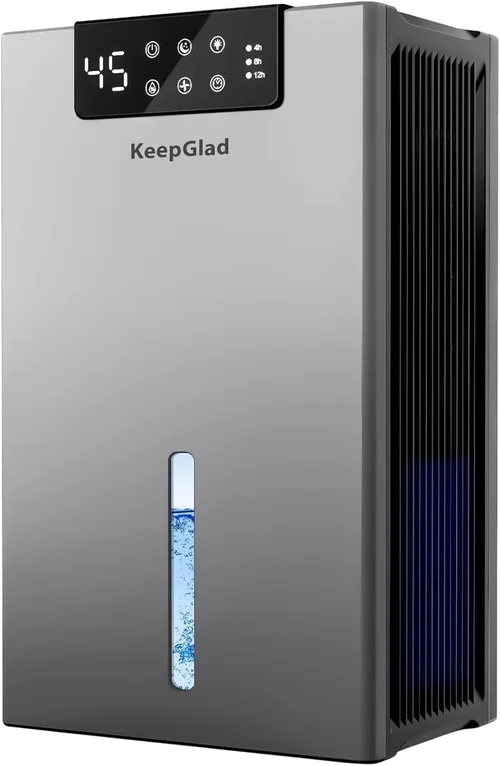
❌ Mistake: Buying Based Solely on Price
Why it’s bad: The cheapest dehumidifier often lacks critical features like auto-shutoff, humidistat, or durable construction. You may end up with a unit that overflows, breaks quickly, or can’t actually reduce humidity effectively—wasting your money and creating mold risks.
What to do instead: Focus on value, not just cost. A $120 model with a 2-year warranty, continuous drainage, and 30-pint capacity will outperform and outlast a $60 unit with none of those features.
❌ Mistake: Ignoring Room Size and Humidity Level
Why it’s bad: A 20-pint dehumidifier in a flooded basement is like using a squirt gun to put out a house fire. Conversely, a 50-pint unit in a tiny closet wastes energy and money.
What to do instead: Measure your space and assess moisture severity. Use a hygrometer ($10–$20) to check current humidity. Match the unit’s capacity to your needs: light dampness (20–30 pints), moderate (30–50 pints), severe (50+ pints).
❌ Mistake: Overlooking Drainage Options
Why it’s bad: If you can’t empty the tank daily, a unit without continuous drainage becomes a chore—and a liability if you forget and it overflows.
What to do instead: Choose a model with a built-in pump or hose outlet if you’re using it in a basement, crawl space, or unattended area. Even budget models now offer this feature.
❌ Mistake: Skipping the Warranty Check
Why it’s bad: Without a solid warranty, a malfunctioning unit could cost you another $100+ to replace—nullifying any initial savings.
What to do instead: Only buy from brands offering at least a 1-year warranty. Register your product immediately and keep receipts.
❌ Mistake: Assuming All “Energy Efficient” Labels Are Equal
Why it’s bad: Some manufacturers slap “eco-friendly” on packaging without ENERGY STAR certification. Real efficiency saves you money over time.
What to do instead: Look for the official ENERGY STAR logo. These units use 15–30% less energy than standard models and often qualify for utility rebates.
❌ Mistake: Neglecting Noise Levels
Why it’s bad: A loud dehumidifier can disrupt sleep, work, or relaxation—especially if placed in living areas.
What to do instead: Check decibel ratings (ideally under 50 dB for bedrooms). Desiccant and Peltier models are quieter than compressor-based ones.
❌ Mistake: Buying Without Reading Recent Reviews
Why it’s bad: Product quality can decline over time as companies cut costs. A 5-star rating from 2020 might not reflect the 2024 version.
What to do instead: Focus on reviews from the past 6–12 months. Look for detailed feedback on performance, durability, and customer service.
Budget Guidelines: How Much Should You Spend?
Entry-Level ($50–$90): These are typically mini Peltier or basic compressor units ideal for small spaces (closets, RVs, bathrooms). Expect limited capacity (5–15 pints), no humidistat, and manual tank emptying. Best for occasional use or very mild moisture issues. Brands like Eva-Dry and Ivation offer decent options here, but don’t expect longevity or advanced features.
Mid-Range ($90–$160): This is the sweet spot for most homeowners. You’ll find 20–50 pint compressor or desiccant models with auto-shutoff, humidistats, washable filters, and often continuous drainage. Units from hOmeLabs, Frigidaire, and Keystone dominate this tier, offering reliable performance for basements, laundry rooms, and medium-sized living areas. Expect 1–2 year warranties and solid build quality.
Premium ($160–$250): For those willing to invest a bit more, this range delivers enhanced durability, smarter controls (Wi-Fi apps, remote sensors), quieter operation, and better cold-weather performance. Some models include built-in pumps for upward drainage or dual-speed fans. Great for large basements, whole-floor coverage, or frequent use in high-humidity regions.
Luxury ($250+): These are usually whole-house systems or commercial-grade units designed for 24/7 operation in extreme conditions. While not “affordable” in the strictest sense, they’re worth mentioning if you have severe moisture problems or plan to stay in your home long-term. They integrate with HVAC systems and offer professional installation support.
Expert Tips for Getting the Best Deal
– Shop during off-seasons: Dehumidifiers are in highest demand during summer and humid months. Buy in late fall or winter (October–February) for discounts of 20–30%. Retailers clear inventory to make room for air conditioners.
– Compare retailers: Amazon, Walmart, Home Depot, and Lowe’s often price-match. Check each site’s return policy—some offer free returns, while others charge restocking fees.
– Sign up for alerts: Use tools like Honey, CamelCamelCamel (for Amazon), or Slickdeals to track price drops on specific models.
– Look for bundle deals: Some brands offer free shipping, extended warranties, or accessory kits (like extra filters or hoses) during promotions.
– Check for rebates: Many utility companies offer rebates for ENERGY STAR dehumidifiers—especially in humid states like Florida, Louisiana, or Georgia. Visit dsireusa.org to search by zip code.
– Test before committing: If buying in-store, inspect the unit for sturdiness, control layout, and noise level. Lift it to check weight distribution and wheel quality.
– Read the return window: Ensure you have at least 30 days to return if the unit doesn’t perform as expected. Some online retailers only allow 14 days.
– Consider refurbished models: Certified refurbished units from reputable sellers (like Amazon Renewed or manufacturer outlets) can save 20–40% and often include the same warranty as new.

Frequently Asked Questions
Q: How do I know what size dehumidifier I need?
A: Start by measuring your room’s square footage. Then assess moisture severity:
– Light dampness (occasional musty smell): 20–30 pints
– Moderate (visible condensation, mildew): 30–50 pints
– Severe (standing water, strong odor): 50+ pints
Use a hygrometer to confirm humidity levels. Aim to maintain 30–50% relative humidity.
Q: Can I run a dehumidifier all the time?
A: Yes, but it’s not always necessary. Most modern units have humidistats that cycle on/off to maintain your set level. Running continuously in a dry climate wastes energy. Use a timer or smart plug to limit operation to peak humidity hours (e.g., overnight).
Q: Do dehumidifiers use a lot of electricity?
A: It depends. A typical 30-pint ENERGY STAR model uses about 300–400 watts—similar to a desktop computer. Running it 8 hours/day costs roughly $8–$12/month, depending on local rates. Desiccant models use more power but work faster in cold temps.
Q: Should I get a dehumidifier with a pump?
A: Only if you need to drain upward (e.g., from a basement to a sink upstairs). Built-in pumps add $20–$50 to the price but eliminate manual emptying. For gravity drainage into a floor drain, a standard hose outlet is sufficient.
Q: Are mini dehumidifiers effective?
A: Only in very small, enclosed spaces (under 100 sq ft) with minimal moisture. They’re great for closets, safes, or RVs but won’t impact room-wide humidity. Don’t expect them to solve basement mold issues.
Q: How often should I clean my dehumidifier?
A: Clean the air filter monthly with mild soap and water. Wipe the water tank weekly to prevent bacterial growth. Deep-clean coils and interior every 3–6 months if used frequently.
Q: Can a dehumidifier help with allergies?
A: Absolutely. By reducing humidity below 50%, you inhibit mold, dust mites, and mildew—common allergens. Pair it with an air purifier for maximum relief.
Q: What’s the difference between refrigerant and desiccant dehumidifiers?
A: Refrigerant models cool air to condense moisture—best for warm, humid environments. Desiccant units use a moisture-absorbing material (like silica gel) and work better in cold or dry climates. Refrigerant types remove more water per dollar; desiccants are quieter and colder-tolerant.
Q: Is it safe to leave a dehumidifier on overnight?
A: Yes, as long as it has safety features like auto-shutoff, thermal protection, and a stable base. Place it on a flat, non-flammable surface away from curtains or furniture.
Q: Do I need a dehumidifier if I have central air?
A: Central AC removes some moisture, but not enough in humid climates or poorly insulated homes. If you see condensation, smell mildew, or feel clammy air, a dehumidifier complements your HVAC system effectively.
Our Final Recommendations
Best for Budget-Conscious Buyers: hOmeLabs 30 Pint Dehumidifier
At around $130, this compressor model offers excellent value with a built-in humidistat, continuous drainage, auto-defrost, and a washable filter. It’s quiet, reliable, and backed by a 2-year warranty—perfect for basements or large rooms.
Best Overall Value: Frigidaire FFAD5033W1 50 Pint Dehumidifier
Priced under $200, this ENERGY STAR-certified unit handles severe moisture with ease. It features a large tank, easy-roll casters, and a sleek design. Ideal for damp basements or whole-floor use.
Best Premium Option: Keystone 50 Pint with Pump
For around $220, this model includes an internal pump for upward drainage—a rare feature in this price range. It’s durable, efficient, and perfect for unattended operation in crawl spaces or finished basements.
Best for Beginners: Eva-Dry Edv-1100 Electric Petite Dehumidifier
At just $40, this compact Peltier unit is simple, silent, and plug-and-play. Great for closets, RVs, or as a starter model to test your needs before upgrading.
Best for Advanced Users: Pro Breeze 50 Pint Desiccant Dehumidifier
Though slightly above typical “affordable” range at $240, this desiccant model excels in cold environments and offers ultra-quiet operation. Perfect for garages, workshops, or four-season porches.
Conclusion: Making the Right Choice
Choosing the right affordable dehumidifier doesn’t have to be overwhelming. By focusing on your specific needs—room size, humidity level, drainage options, and must-have features—you can find a unit that delivers real results without overspending. Remember, the cheapest option isn’t always the best deal, and skipping essential features like auto-shutoff or a humidistat can lead to frustration and wasted money.
Prioritize reliability, energy efficiency, and user feedback over flashy marketing. Stick to reputable brands, read recent reviews, and take advantage of seasonal sales to maximize your savings. Whether you’re tackling a damp basement, protecting cherished belongings, or simply improving indoor air quality, the right dehumidifier is an investment in your home’s health and your family’s comfort.
Don’t wait until mold appears or your furniture starts to warp. Take action today—measure your space, set your budget, and choose a model that aligns with your lifestyle. With the insights from this guide, you’re equipped to make a confident, informed decision. Your drier, healthier home is just one purchase away.