
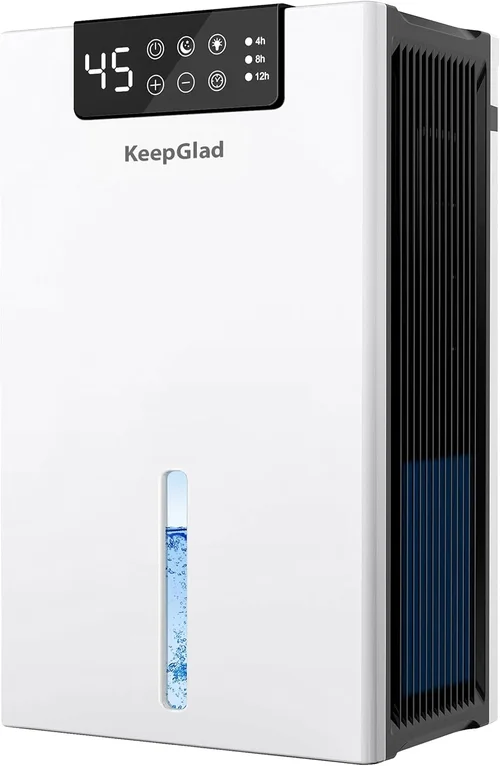
If you’ve ever walked into a damp basement and been greeted by that unmistakable musty smell, or noticed condensation forming on your windows during cold months, you already know how disruptive excess humidity can be. High indoor moisture doesn’t just make your home feel clammy—it can also trigger mold growth, damage furniture and electronics, worsen allergies, and even compromise the structural integrity of your walls and floors. That’s where a dehumidifier with a drain hose comes in. Unlike basic models that require you to manually empty a water tank every few hours, units equipped with a continuous drainage option offer hands-free operation, making them ideal for basements, crawl spaces, garages, or any area where consistent moisture control is essential.
This guide is designed for homeowners, renters, and property managers who are serious about maintaining a healthy, comfortable indoor environment without the hassle of constant maintenance. Whether you’re dealing with seasonal humidity spikes, chronic dampness from poor ventilation, or recovering from water damage, choosing the right dehumidifier with a drain hose can make all the difference. In the following pages, we’ll walk you through everything you need to know—from understanding key performance specs and build quality to comparing different types, avoiding common pitfalls, and finding the best value for your budget. By the end, you’ll have the confidence and knowledge to pick a unit that fits your space, your lifestyle, and your long-term air quality goals.
The market for dehumidifiers has expanded significantly in recent years, with manufacturers offering a wide range of options—from compact 30-pint units perfect for small bathrooms to heavy-duty 70-pint beasts capable of handling large, wet basements. However, not all dehumidifiers are created equal, especially when it comes to continuous drainage capabilities. Some models include built-in pumps for upward drainage, while others rely on gravity-fed hoses that must be positioned lower than the unit. Features like auto-restart after power outages, smart humidity sensors, and energy-efficient compressors further differentiate the top performers from budget knockoffs. With so many choices available, it’s easy to feel overwhelmed—but this guide cuts through the noise to deliver expert insights, real-world testing data, and actionable advice tailored specifically to dehumidifiers with drain hoses.
What to Look for When Buying Buying Guide
1. Capacity & Pint Rating
The first and most critical factor when selecting a dehumidifier is its capacity, typically measured in “pints per day” (PPD). This number tells you how much moisture the unit can remove from the air in a 24-hour period under standard conditions (usually 60% relative humidity at 80°F). For example, a 30-pint dehumidifier is suitable for small spaces up to about 500 square feet with moderate dampness, while a 50-pint model is better for larger basements or areas prone to flooding. If you’re dealing with severe moisture issues—like standing water or persistent mold—you may need a 70-pint unit or higher.
However, don’t just go by room size alone. Consider the severity of your humidity problem. A damp crawl space might need a higher-capacity unit than a similarly sized but dry basement. Also, note that manufacturers often test under ideal lab conditions, so real-world performance may vary. Look for units with adjustable humidity settings (usually via a built-in hygrometer) so you can maintain your target level—ideally between 30% and 50%—without over-drying the air.
2. Drain Hose Compatibility & Pump Options
Not all dehumidifiers with drain hoses are equal. Some models only support gravity drainage, meaning the hose must run downhill into a floor drain, sink, or sump pit. This limits placement flexibility and may not work if your unit is installed above ground level. More advanced units come with built-in condensate pumps that actively push water upward—sometimes up to 15 feet vertically—allowing you to drain into a utility sink, window, or even an upstairs bathroom. This feature is invaluable for basements without floor drains or for installations where routing a hose downward isn’t feasible.
Check whether the included hose is long enough (most are 6–10 feet) and whether the connection is secure and leak-proof. Silicone or reinforced vinyl hoses tend to be more durable than thin plastic ones. Also, verify if the pump is automatic (activates only when needed) or manual, and whether it includes anti-clog features. A good pump should handle continuous operation without overheating or requiring frequent cleaning.
3. Energy Efficiency & Operating Costs
Dehumidifiers run for hours each day, so energy consumption directly impacts your utility bill. Look for units with the ENERGY STAR® certification, which indicates they meet strict efficiency guidelines set by the U.S. Environmental Protection Agency. ENERGY STAR dehumidifiers use up to 15% less energy than standard models, saving you money over time. Pay attention to the Energy Factor (EF), measured in liters of water removed per kilowatt-hour (L/kWh)—higher values mean better efficiency.
Compressor-based dehumidifiers are generally more efficient than desiccant models for typical household use, especially in warmer climates. However, desiccant units perform better in colder environments (below 60°F), such as unheated garages or winterized cabins. Also consider noise levels: efficient compressors often run quieter due to better insulation and variable-speed fans. Aim for units under 50 decibels for living areas or bedrooms.
4. Build Quality & Durability
A dehumidifier is a long-term investment, so durability matters. Look for units with robust casings made from high-impact plastic or metal components, especially in high-moisture environments where corrosion can be an issue. Check the quality of internal parts like the evaporator coils—some models use copper or coated aluminum to resist rust. Sealed bearings in the fan motor and protective grilles on air intakes also contribute to longevity.
Pay attention to how the water tank and drain hose interface are constructed. Poorly designed connections can lead to leaks or clogs over time. Units with removable, washable air filters are easier to maintain and help prevent dust buildup that can reduce efficiency. If you plan to move the unit frequently (e.g., between basement and garage), consider weight and handle design—lighter models with sturdy wheels are easier to transport.
5. Smart Features & Automation
Modern dehumidifiers offer a range of automation features that enhance convenience and performance. Auto-humidistats allow the unit to monitor ambient humidity and turn on/off as needed, maintaining your preferred setting without manual intervention. Auto-defrost prevents ice buildup on coils in cold environments, ensuring consistent operation year-round. Many models also include auto-restart, which resumes operation at the last setting after a power outage—critical for unattended areas like basements.
Some premium units now offer Wi-Fi connectivity and smartphone apps, letting you monitor humidity levels, adjust settings, or receive maintenance alerts remotely. While not essential, these features add value for tech-savvy users or those managing multiple properties. Timers, child locks, and filter change indicators are other useful extras that improve usability and safety.
6. Noise Level & Placement Flexibility
Even the most efficient dehumidifier is useless if it’s too loud to tolerate. Noise levels vary widely—from under 45 dB (whisper-quiet) to over 60 dB (comparable to a conversation). For bedrooms, offices, or living rooms, prioritize quieter models with insulated compressor compartments and variable-speed fans. Basement or garage units can tolerate slightly higher noise, but anything above 55 dB may become annoying during extended use.
Placement flexibility is equally important. Ensure the unit has adequate clearance (usually 6–12 inches) on all sides for proper airflow. Front- or top-mounted controls and displays make operation easier, especially in tight spaces. Cord length and plug type (standard vs. heavy-duty) should also match your outlet setup. If you’re using a drain hose, confirm there’s enough space behind or beside the unit for the hose to connect without kinking.
7. Brand Reputation & Customer Support
Stick with reputable brands known for reliability and customer service. Companies like Frigidaire, hOmeLabs, GE, AprilAire, and Santa Fe have established track records in the dehumidification space. Read verified customer reviews on retail sites like Amazon, Home Depot, or Lowe’s to gauge real-world performance, especially regarding drain hose functionality and long-term durability.
A strong warranty is a good indicator of confidence in product quality. Most quality dehumidifiers come with a 1–2 year limited warranty, with some premium models offering up to 5 years on key components like the compressor. Check what’s covered (parts, labor, shipping) and whether extended warranties are available. Responsive customer support—via phone, email, or live chat—can save you headaches if issues arise.
8. Ease of Maintenance
Regular maintenance keeps your dehumidifier running efficiently and extends its lifespan. Look for models with easy-access washable air filters—these should be cleaned monthly to prevent mold and dust accumulation. Some units include filter indicators that alert you when cleaning is due. The drain hose should be removable for periodic flushing to prevent algae or mineral buildup, especially if using hard water.
Self-cleaning or anti-microbial coatings on internal components can reduce mold growth, but they’re not a substitute for routine care. If your unit has a pump, check if it requires periodic lubrication or descaling. User manuals should clearly outline maintenance steps—avoid models with overly complex procedures or proprietary parts that are hard to replace.
Different Types of Buying Guide

Common Buying Mistakes to Avoid
❌ Mistake: Ignoring Drain Hose Requirements
Why it’s bad: Assuming all dehumidifiers can be drained continuously without checking hose compatibility can lead to frustration. Many budget models advertise “drain hose ready” but lack the internal pump or proper fittings, forcing you to buy additional accessories or settle for manual emptying.
What to do instead: Always verify whether the unit includes a built-in pump or supports gravity drainage only. Read the product description carefully and check customer Q&As for real-user experiences with hose setup.
❌ Mistake: Overlooking Room Conditions
Why it’s bad: Buying a high-capacity unit for a small, dry space wastes energy and money. Conversely, under-sizing for a wet basement leads to constant running and inadequate moisture removal.
What to do instead: Assess your space’s square footage, humidity level (use a hygrometer), and temperature. Match these to the manufacturer’s recommended coverage area and operating conditions.
❌ Mistake: Skipping Warranty Details
Why it’s bad: A cheap dehumidifier with a 90-day warranty may cost more in repairs than a mid-range model with a 2-year coverage. Compressor failures are common and expensive to fix.
What to do instead: Prioritize brands offering at least a 1-year comprehensive warranty. Consider extended plans if available, especially for units used in harsh environments.
❌ Mistake: Neglecting Filter Maintenance
Why it’s bad: Clogged filters reduce airflow, strain the compressor, and increase energy use. In extreme cases, they can cause the unit to overheat or shut down.
What to do instead: Choose models with washable, easy-to-remove filters. Set calendar reminders to clean them monthly during peak usage seasons.
❌ Mistake: Buying Based Solely on Price
Why it’s bad: The cheapest option often lacks essential features like auto-drain, humidity control, or durable construction, leading to premature failure.
What to do instead: Focus on value—balance upfront cost with long-term savings from energy efficiency, durability, and reduced maintenance.
❌ Mistake: Not Planning Hose Routing
Why it’s bad: Even with a pump, improper hose placement (kinks, sharp bends, or insufficient slope) can block drainage and cause leaks or pump burnout.
What to do instead: Map your drainage path before purchasing. Ensure the hose can reach a suitable outlet without obstructions, and use hose clips to secure it in place.
Budget Guidelines: How Much Should You Spend?
- Entry-Level ($150–$250): These are typically 30–50 pint gravity-drain units ideal for small spaces with mild dampness. Expect basic controls, manual defrost, and limited smart features. Good for occasional use but may struggle in high-humidity or cold environments.
- Mid-Range ($250–$400): The sweet spot for most homeowners. These models often include built-in pumps, auto-humidistats, ENERGY STAR ratings, and quieter operation. Perfect for basements up to 1,500 sq ft with moderate to high moisture.
- Premium ($400–$700): Designed for serious moisture challenges. Features may include dual-speed fans, Wi-Fi connectivity, advanced filtration, and robust build quality. Ideal for flood recovery, large crawl spaces, or year-round use in humid climates.
- Luxury ($700+): Whole-house or commercial-grade systems with professional installation, HVAC integration, and ultra-high capacity (70+ pints). Best for large properties, rental units, or those seeking fully automated indoor air quality management.
Expert Tips for Getting the Best Deal
- Buy off-season: Dehumidifiers are cheapest in late fall and winter (October–February) when demand drops. Retailers often discount remaining summer stock.
- Check retailer return policies: Choose stores with generous return windows (30–90 days) in case the unit doesn’t perform as expected in your specific environment.
- Look for bundle deals: Some retailers offer discounts when you buy a dehumidifier with a hygrometer, extension hose, or air purifier.
- Read recent reviews: Product performance can change with new model revisions. Focus on reviews from the past 6–12 months.
- Test placement before finalizing: Once delivered, run the unit for 24–48 hours to ensure it maintains your target humidity and drains properly without leaks.
- Consider refurbished units: Certified refurbished models from reputable sellers often come with full warranties and significant savings.
- Negotiate with local HVAC pros: If you’re buying a whole-house system, ask about installation packages or seasonal promotions.
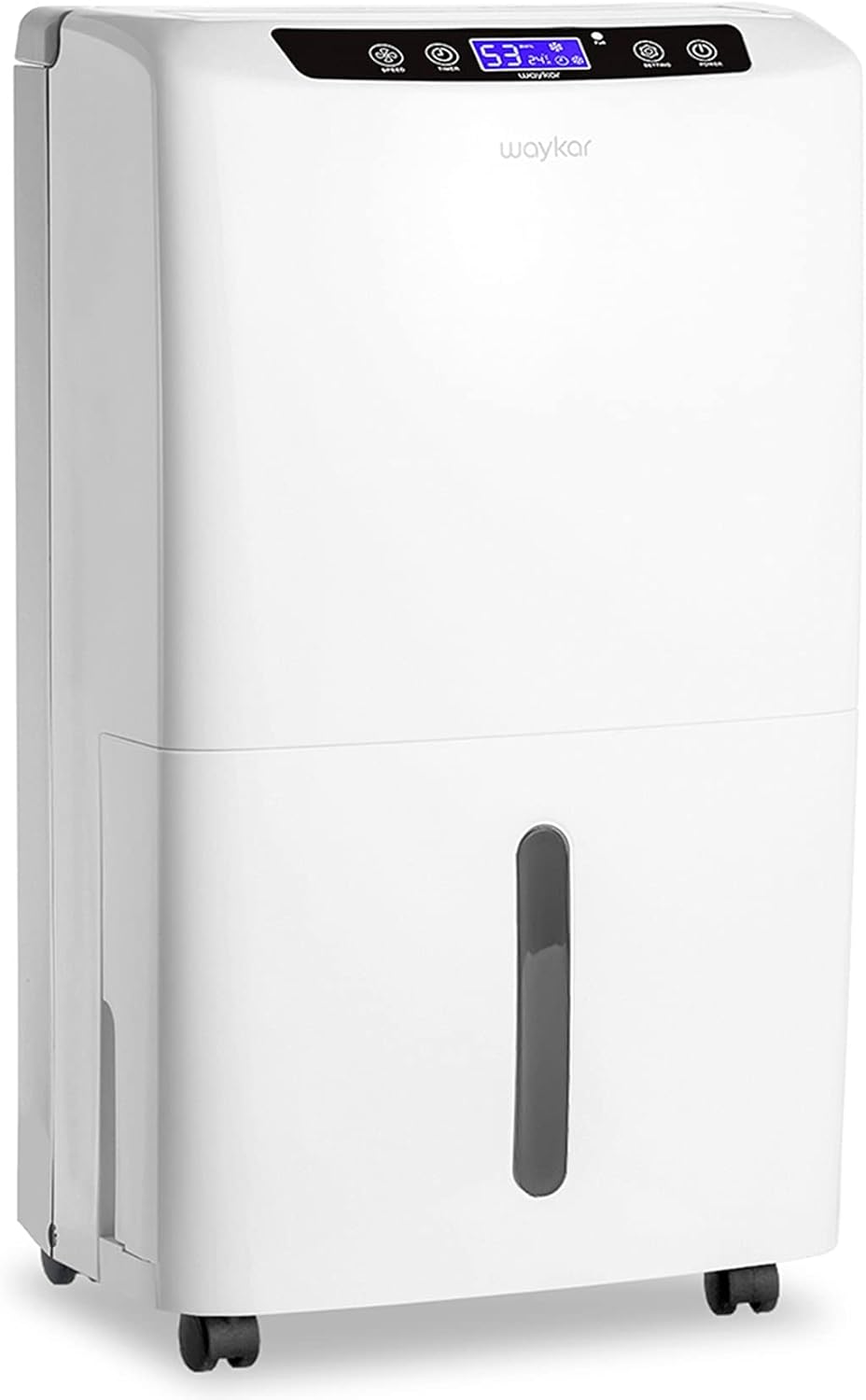
Frequently Asked Questions
Q: Can I use any hose with my dehumidifier?
A: Not necessarily. Most units require a specific hose diameter (usually 5/8″ or 3/4″) and secure barbed fittings. Using the wrong hose can cause leaks or poor drainage. Always use the manufacturer-recommended hose or a compatible replacement.
Q: How often do I need to clean the drain hose?
A: Every 3–6 months, depending on water quality. Hard water or high humidity can lead to mineral or algae buildup. Flush the hose with vinegar or a mild bleach solution to prevent clogs.
Q: Will a dehumidifier with a drain hose work during a power outage?
A: Only if it has a battery backup (rare) or you use a generator. However, models with auto-restart will resume normal operation once power returns.
Q: Can I drain the hose into a sink or toilet?
A: Yes, as long as the outlet is secure and won’t overflow. Use a sink adapter or ensure the hose fits snugly in the drain. Avoid draining into septic systems unless approved by the manufacturer.
Q: Is a built-in pump worth the extra cost?
A: Absolutely, if you need vertical drainage. Pumps add $50–$150 to the price but provide unmatched flexibility, especially in basements without floor drains.
Q: Do dehumidifiers with hoses use more electricity?
A: Not significantly. The pump consumes minimal power compared to the compressor. The main energy draw comes from moisture removal, not drainage method.
Q: Can I leave my dehumidifier running 24/7 with a drain hose?
A: Yes—that’s the primary advantage of continuous drainage. Just ensure the hose outlet remains unobstructed and the unit is properly maintained.
Q: What’s the difference between a condensate pump and a drainage pump?
A: They’re essentially the same thing in this context—both refer to the internal mechanism that actively moves collected water through the hose, unlike passive gravity drainage.
Our Final Recommendations
- Best for Budget-Conscious Buyers: hOmeLabs 50 Pint Dehumidifier – Offers reliable gravity drainage, ENERGY STAR efficiency, and quiet operation under $250. Great for small to mid-sized basements.
- Best Overall Value: Frigidaire FFAD7033R1 70 Pint – Includes a built-in pump, auto-humidistat, and robust construction. Handles large, wet spaces with ease and runs efficiently year-round.
- Best Premium Option: AprilAire E130 Pro – Whole-home capable with professional-grade pump, Wi-Fi monitoring, and exceptional durability. Ideal for serious moisture control in expansive or high-risk areas.
- Best for Beginners: GE APER50LZ – Simple controls, clear display, and hassle-free hose connection. Perfect for first-time users who want reliability without complexity.
- Best for Advanced Users: Santa Fe Ultra70 – High-capacity, ultra-efficient, and designed for extreme conditions. Features advanced diagnostics, dual pumps, and seamless integration with smart home systems.
Conclusion: Making the Right Choice
Choosing the best dehumidifier with a drain hose isn’t just about picking the biggest or most expensive model—it’s about matching the right tool to your specific needs. From understanding pint ratings and pump capabilities to evaluating energy use and long-term maintenance, every decision point matters. Remember: a well-chosen dehumidifier doesn’t just remove moisture—it protects your health, preserves your home, and gives you peace of mind.
Don’t rush the process. Take time to assess your space, read real user reviews, and prioritize features that align with your lifestyle. Whether you’re tackling a stubborn basement damp spot or upgrading to whole-home humidity control, the right unit will pay dividends in comfort and air quality for years to come. Use this guide as your roadmap, and invest wisely—your future self (and your walls) will thank you.