

When it comes to maintaining a healthy, comfortable, and damage-free indoor environment, controlling humidity is one of the most overlooked yet critical factors. Excess moisture in the air can lead to a cascade of problems: mold growth, musty odors, warped wood, peeling paint, and even aggravated allergies or asthma. While many people turn to compressor-based dehumidifiers—especially for large, damp basements—there’s a quieter, more efficient solution for certain environments: the desiccant dehumidifier.
Unlike traditional refrigerant dehumidifiers that rely on cooling coils to condense moisture, desiccant models use a moisture-absorbing material (typically silica gel or another hygroscopic compound) to pull water vapor directly from the air. This technology allows them to operate effectively in cooler temperatures—even below 60°F—where compressor units struggle or shut down entirely. Whether you’re dealing with a chilly crawl space, a boat cabin, an RV, or a bedroom with persistent dampness, a desiccant dehumidifier might be the ideal fix. But with so many options on the market, how do you choose the right one?
That’s where this comprehensive buyer’s guide comes in. We’ve tested, researched, and analyzed dozens of desiccant dehumidifiers to bring you everything you need to make an informed decision. You’ll learn how these units work, what key features matter most, how they compare across price ranges, and which models deliver the best performance for your specific needs. Whether you’re a first-time buyer or upgrading from an older unit, this guide will arm you with expert insights to avoid costly mistakes and find a dehumidifier that lasts.
The desiccant dehumidifier market has evolved significantly in recent years. Once considered niche or overly expensive, modern models now offer improved energy efficiency, smarter controls, quieter operation, and sleeker designs—all while maintaining their core advantage: reliable moisture removal in low-temperature environments. Brands like Eva-Dry, Pro Breeze, hOmeLabs, and EcoSeb have introduced units that cater to everything from tiny closets to mid-sized living spaces. However, not all desiccant dehumidifiers are created equal. Some prioritize portability over capacity; others boast advanced timers but lack durability. Our goal is to cut through the marketing noise and give you a clear, practical roadmap to the best choice for your home, lifestyle, and budget.

What to Look for When Buying Buying Guide
1. Moisture Removal Capacity (Pints per Day)
One of the most important specs to check is the unit’s moisture removal rate, typically measured in pints per day (PPD). This tells you how much water the dehumidifier can extract from the air within a 24-hour period under standard conditions (usually 80°F and 60% relative humidity). For desiccant models, this number often ranges from 4 to 20+ pints per day, depending on size and technology.
Why it matters: A unit with too low a capacity will struggle to keep up with dampness, especially in high-moisture areas like basements or laundry rooms. Conversely, oversizing can lead to unnecessary energy consumption and higher upfront costs. As a rule of thumb:
– Small spaces (under 300 sq. ft.): 4–8 PPD
– Medium rooms (300–800 sq. ft.): 8–15 PPD
– Larger areas or high-humidity zones: 15+ PPD
Keep in mind that desiccant dehumidifiers often list their capacity at lower temperatures than compressor units, so always check the test conditions. A model rated at 10 PPD at 50°F may perform differently at 70°F. Also, real-world performance can vary based on airflow, room ventilation, and initial humidity levels.
2. Energy Efficiency & Operating Cost
Desiccant dehumidifiers are generally more energy-intensive than compressor-based units because they use a heater to regenerate the desiccant material. This means they consume more electricity, especially when running continuously. However, newer models incorporate energy-saving features like auto-shutoff, humidity sensors, and low-power modes to reduce waste.
Look for units with an Energy Star rating or those that disclose wattage (typically between 200W and 600W). A 300W model running 8 hours a day will cost roughly $7–$10 per month, depending on your local electricity rate. While this is higher than some compressor dehumidifiers, it’s often justified by superior performance in cold climates.
Consider whether the unit has a built-in hygrometer and auto-humidistat. These allow the dehumidifier to monitor ambient humidity and cycle on/off as needed, preventing over-drying and saving energy. Some premium models even connect to smart home systems or offer scheduling via mobile apps.
3. Noise Level (Decibel Rating)
Because desiccant dehumidifiers use a fan to circulate air through the desiccant wheel and a heater for regeneration, they can be noisier than expected—especially older or budget models. Noise levels typically range from 35 dB (very quiet, like a whisper) to 55+ dB (comparable to a conversation or light traffic).
For bedrooms, nurseries, or home offices, aim for a unit under 45 dB. Many modern desiccant dehumidifiers now feature insulated housings, variable fan speeds, and quiet-mode settings to minimize disruption. Check product specs for decibel ratings, and read user reviews mentioning noise—manufacturers sometimes underreport this figure.
4. Tank Size & Continuous Drainage Options
All desiccant dehumidifiers collect water in an internal tank that must be emptied manually—unless they offer continuous drainage. Tank sizes vary widely, from 0.5 liters (about 1 pint) in compact units to 4+ liters (over 8 pints) in larger models.
Frequent emptying is inconvenient and can lead to overflow if you forget. For unattended operation (e.g., in a basement or vacation home), look for models with a hose connection for continuous drainage. Most units include a standard garden hose thread or adapter. Ensure the drain outlet is accessible and that the unit automatically shuts off if the hose becomes disconnected or clogged.
If you prefer manual emptying, choose a model with a large, easy-to-remove tank with a handle and spill-proof design. Transparent tanks let you see water levels at a glance, and some include audible or visual full-tank alerts.
5. Build Quality & Durability
Since desiccant dehumidifiers contain heating elements, motors, and electronic controls, build quality directly impacts longevity. Look for units with robust plastic housings (preferably ABS or polycarbonate), sealed electronics, and corrosion-resistant components—especially if used in garages, boats, or coastal areas.
Check the warranty length: reputable brands typically offer 1–3 years of coverage. Longer warranties often indicate confidence in durability. Also, inspect customer service reputation—can you easily get replacement parts or support if something breaks?
Avoid ultra-cheap models with flimsy casings or unclear branding. These often cut corners on safety certifications (like UL or ETL listing), which is critical when dealing with electrical appliances that generate heat.
6. Portability & Design
Desiccant dehumidifiers are generally lighter than compressor units (often under 20 lbs), making them easier to move between rooms. However, weight and size still vary. Compact models (under 10 lbs) are great for RVs, closets, or travel, while larger units may require wheels or handles for mobility.
Consider the footprint: will it fit under a sink, in a corner, or on a shelf? Some models have vertical designs that save floor space. Others include wall-mounting kits or stackable designs for multi-unit setups.
Aesthetics matter too—especially if the unit will sit in a living area. Modern designs come in neutral colors (white, gray, black) with minimalist controls and LED indicators that blend into home decor.
7. Smart Features & Automation
Advanced desiccant dehumidifiers now include features once reserved for high-end HVAC systems:
– Built-in hygrometers with digital displays
– Adjustable humidity setpoints (e.g., 40%, 50%, 60%)
– Timer functions (1–24 hours)
– Auto-restart after power outage
– Filter indicators (some models have washable air filters)
– Remote control or app connectivity (on select premium models)
These features enhance convenience and efficiency. For example, setting a target humidity of 50% ensures the unit stops once the air is dry enough, preventing over-drying and saving energy. Timers let you run the unit only when needed—like overnight or during rainy seasons.
While not essential, smart features can significantly improve user experience, especially for those managing humidity in multiple locations or hard-to-reach spaces.
8. Brand Reputation & Customer Support
Not all brands are equal when it comes to reliability and after-sales service. Established names like Eva-Dry, Pro Breeze, and EcoSeb have proven track records with consistent product quality and responsive customer support. Lesser-known brands may offer lower prices but often lack spare parts, clear manuals, or warranty fulfillment.
Before buying, search for:
– Verified purchase reviews on Amazon, Home Depot, or specialty retailers
– Complaints about durability, leaks, or motor failure
– Availability of replacement tanks, filters, or desiccant cartridges
– Ease of contacting customer service (phone, email, live chat)
A good brand stands behind its product. If a company doesn’t offer a clear return policy or makes it hard to get help, consider it a red flag.
Different Types of Buying Guide

Common Buying Mistakes to Avoid
❌ Mistake: Choosing Based Solely on Price
Why it’s bad: The cheapest desiccant dehumidifier often sacrifices build quality, safety certifications, and performance. Ultra-budget models may overheat, leak, or fail within months—costing you more in replacements and potential water damage.
What to do instead: Set a realistic budget based on your needs (see our budget breakdown below) and prioritize value over the lowest sticker price. A $150 unit that lasts 5 years is better than a $50 one that breaks in 6 months.
❌ Mistake: Ignoring Operating Environment
Why it’s bad: Desiccant dehumidifiers excel in cold, damp spaces—but they’re not always the best choice for warm, humid climates. Using one in a hot basement where a compressor unit would be more efficient wastes energy and money.
What to do instead: Match the technology to your environment. If your space stays above 65°F and is very humid, a compressor dehumidifier may be more cost-effective. Reserve desiccant models for temperatures below 60°F or where quiet operation is essential.
❌ Mistake: Overlooking Drainage Needs
Why it’s bad: Many buyers assume they’ll just empty the tank daily—but life gets busy. A full tank that overflows can cause mold, warping, or electrical hazards.
What to do instead: If you can’t check the unit daily, invest in a model with continuous drainage or a large tank (3+ liters). Even better, choose one with an auto-shutoff feature when the tank is full.
❌ Mistake: Not Checking Warranty & Support
Why it’s bad: A dehumidifier is an investment. Without a solid warranty, a malfunction could leave you with a costly paperweight.
What to do instead: Only buy from brands that offer at least a 1-year warranty and have accessible customer service. Read the fine print—some warranties exclude “commercial use” or require registration within 30 days.
❌ Mistake: Assuming All Desiccant Units Are Silent
Why it’s bad: While quieter than many compressor units, some desiccant models still produce noticeable fan and heater noise—especially on high settings.
What to do instead: Check decibel ratings and read user reviews about noise. If using in a bedroom, opt for a model with a “sleep mode” or under 45 dB.
❌ Mistake: Buying Without Measuring Room Size
Why it’s bad: A unit too small for your space will run constantly, overheat, and fail prematurely. One too large may cycle too frequently, reducing efficiency.
What to do instead: Measure your room’s square footage and assess moisture level (light, moderate, severe). Use our capacity guidelines above to match the right PPD rating.
❌ Mistake: Skipping Safety Certifications
Why it’s bad: Devices with heating elements must meet strict safety standards. Uncertified units risk fire, electrical shock, or toxic emissions.
What to do instead: Always look for UL, ETL, or CSA certification marks. Avoid no-name brands sold exclusively through third-party marketplaces without verifiable safety testing.
Budget Guidelines: How Much Should You Spend?
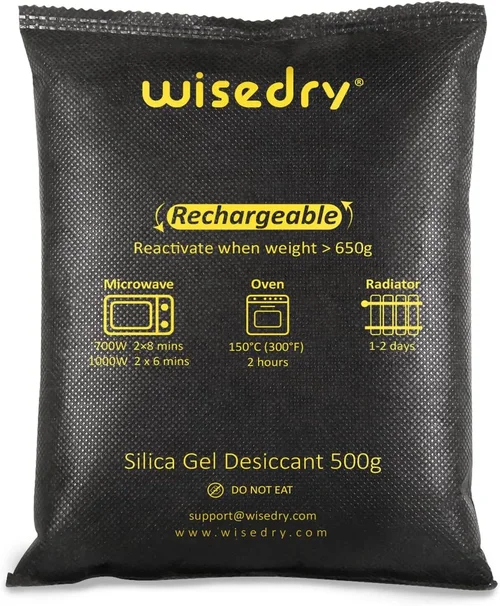
– Entry-Level ($30–$80): Ideal for tiny spaces like closets, gun safes, or RVs. These compact, rechargeable, or mini electric models remove 1–4 pints per day. Expect basic functionality, small tanks, and limited durability. Best for occasional or supplemental use.
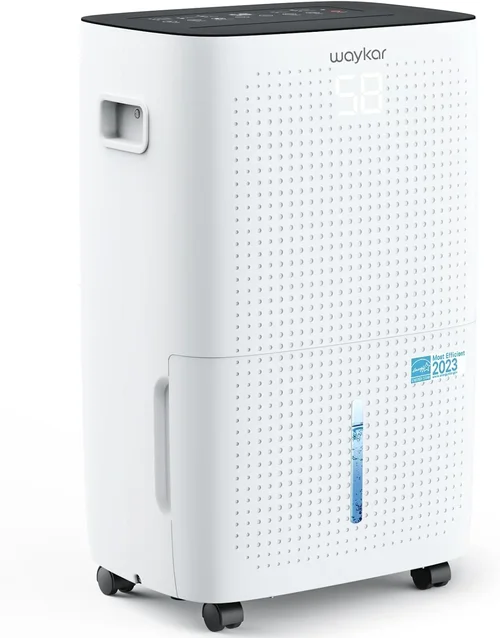
– Mid-Range ($100–$250): The sweet spot for most homeowners. These units offer 8–15 PPD, larger tanks (2–4 liters), humidity controls, and quieter operation. Many include timers, auto-shutoff, and continuous drain options. Great for bedrooms, bathrooms, or cool basements.
– Premium ($250–$400): For serious moisture problems or tech enthusiasts. High-capacity models (15–20+ PPD) with smart features, app connectivity, robust builds, and extended warranties. Perfect for large rooms, workshops, or whole-house applications (with multiple units).
– Luxury ($400+): Top-tier commercial-grade desiccant dehumidifiers with industrial durability, ultra-quiet operation, and advanced automation. Often used in museums, archives, or large storage facilities. Overkill for typical homes but unmatched in performance and reliability.
Expert Tips for Getting the Best Deal
– Buy off-season: Prices drop significantly in spring and summer when demand for dehumidifiers is lowest. Stock up in April–June for the best deals on last year’s models.
– Check retailer return policies: Some stores (like Costco or Best Buy) offer generous return windows—up to 90 days. This gives you time to test the unit in your actual environment.
– Look for bundle deals: Some brands sell multi-packs (e.g., two mini units for closets) at a discount. Useful if you need coverage in multiple locations.
– Sign up for alerts: Use price-tracking tools like Honey, CamelCamelCamel (for Amazon), or Slickdeals to monitor price drops on specific models.
– Consider refurbished units: Certified refurbished desiccant dehumidifiers from reputable sellers often come with full warranties and cost 20–40% less than new.
– Test before committing: If possible, run the unit for a week in your target space. Check for noise, tank capacity, and actual moisture reduction. Most retailers allow returns if the product is defective or not as described.
– Prioritize warranty length: A 3-year warranty is better than a 1-year, even if the upfront cost is slightly higher. It reflects manufacturer confidence and protects your investment.
– Read the manual before buying: Some features (like continuous drainage) require specific setup. Knowing the requirements upfront prevents frustration later.

Frequently Asked Questions
Q: How does a desiccant dehumidifier work?
A: A desiccant dehumidifier uses a rotating wheel coated with moisture-absorbing material (like silica gel). Air is drawn in, passes through the wheel, and loses its moisture. The wheel then rotates into a heated chamber where the trapped water is released as vapor and expelled outside the unit. The dried air is recirculated, and the cycle repeats.
Q: Are desiccant dehumidifiers better than compressor types?
A: It depends on your environment. Desiccant models outperform compressor units in cold temperatures (below 60°F) and are quieter, but they use more energy in warm, humid conditions. For most basements above 65°F, compressor dehumidifiers are more efficient. For garages, crawl spaces, or RVs in cool climates, desiccant is superior.
Q: Do desiccant dehumidifiers heat up the room?
A: Yes, slightly. The regeneration process generates heat, which is expelled with the moist air. In well-ventilated spaces, this has minimal impact. In sealed, small rooms, it may raise temperature by 2–5°F—something to consider in already warm environments.
Q: Can I leave a desiccant dehumidifier on 24/7?
A: Yes, but only if it has auto-shutoff, a large tank, or continuous drainage. Continuous operation increases energy use and wear, so use timers or humidity sensors to limit runtime when possible.
Q: How often do I need to empty the tank?
A: It depends on tank size and humidity levels. A 2-liter tank in a damp room may fill in 8–12 hours. Check daily if using manually. For unattended use, always opt for continuous drainage.
Q: Are desiccant dehumidifiers safe to use around children or pets?
A: Yes, when used properly. Ensure the unit is placed out of reach, has a stable base, and is certified by a recognized safety agency. Avoid blocking air vents, and never use extension cords.
Q: Do they need filters?
A: Many do. A washable pre-filter captures dust and debris before air enters the desiccant wheel. Clean it monthly to maintain efficiency and prevent clogging.
Q: Can I use a desiccant dehumidifier in my car?
A: Only rechargeable (non-electric) models are safe for cars. Electric units require 120V power and aren’t practical for vehicle use. Rechargeable silica gel packs are a better option for car interiors.
Q: Will a desiccant dehumidifier help with mold?
A: Yes—by reducing humidity below 60%, it inhibits mold growth. However, existing mold should be cleaned professionally before using any dehumidifier to prevent spores from spreading.
Q: How long do desiccant dehumidifiers last?
A: With proper maintenance, most last 5–10 years. The desiccant wheel itself can last decades, but fans, heaters, and electronics may wear out. Regular cleaning and avoiding overuse extend lifespan.
Our Final Recommendations
– Best for Budget-Conscious Buyers: Eva-Dry E-333 Mini Dehumidifier – At under $40, this rechargeable unit is perfect for closets, safes, or small cabinets. No electricity needed; just dry it in the oven every 2–4 weeks.
– Best Overall Value: Pro Breeze PB-02 15-Pint Desiccant Dehumidifier – Offers excellent performance (15 PPD), quiet operation (42 dB), a 4-liter tank, and continuous drain for under $200. Ideal for bedrooms or cool basements.
– Best Premium Option: EcoSeb DD122EA-SIMPLE Desiccant Dehumidifier – A European-engineered powerhouse with 12 PPD, ultra-quiet operation (39 dB), and a sleek design. Includes auto-humidistat and washable filter. Priced around $350.
– Best for Beginners: hOmeLabs HME80015N – User-friendly interface, clear tank, and reliable performance. Great for first-time buyers who want simplicity without sacrificing capability (~$180).
– Best for Advanced Users: AprilAire E080 Pro – While technically a whole-house unit, its desiccant technology and smart integration make it ideal for tech-savvy homeowners managing humidity across multiple zones (~$1,200, but unmatched control).
Conclusion: Making the Right Choice
Choosing the best desiccant dehumidifier isn’t just about picking the most powerful or cheapest model—it’s about matching the right technology to your specific environment, needs, and lifestyle. Whether you’re fighting dampness in a chilly basement, protecting valuables in a safe, or ensuring comfort in an RV, the right unit can make all the difference.
Remember to prioritize moisture removal capacity, energy efficiency, noise level, and drainage options based on your use case. Don’t overlook build quality, safety certifications, and warranty support—these factors ensure your investment lasts. And always consider the long-term costs, not just the upfront price.
With the insights from this guide, you’re now equipped to navigate the market confidently. Take your time, compare models, read real user reviews, and don’t hesitate to reach out to manufacturers with questions. The perfect desiccant dehumidifier is out there—and once you find it, you’ll wonder how you ever lived without it.
Ready to breathe easier and protect your home from excess moisture? Start your search today with clarity, confidence, and the knowledge that you’re making a smart, informed decision.