
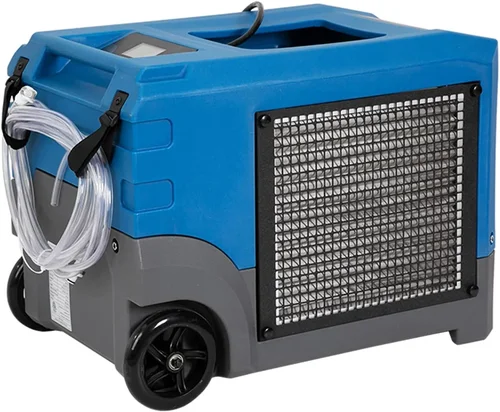
When it comes to maintaining a healthy, safe, and efficient commercial environment, controlling indoor humidity is not just a comfort issue—it’s a necessity. Whether you’re managing a warehouse, a gym, a restaurant kitchen, a museum, or a manufacturing facility, excess moisture in the air can lead to mold growth, structural damage, equipment corrosion, and even health hazards for employees and customers. That’s where commercial dehumidifiers come in. Unlike their residential counterparts, commercial-grade units are engineered for continuous operation, high-capacity moisture removal, and rugged environments. They’re built to handle large spaces, fluctuating conditions, and demanding workloads—often running 24/7 without breaking down.
This comprehensive buying guide is designed to help you navigate the complex world of commercial dehumidifiers with confidence. Whether you’re a facility manager, business owner, HVAC professional, or maintenance supervisor, you’ll learn how to identify the right unit for your specific needs. We’ll walk you through the most critical factors to consider—from performance specs and build quality to budget planning and brand reliability. You’ll also discover the different types of commercial dehumidifiers available, common purchasing pitfalls to avoid, and expert tips to get the best value for your investment. By the end of this guide, you’ll have a clear, actionable roadmap to selecting a dehumidifier that delivers long-term performance, energy efficiency, and peace of mind.
The market for commercial dehumidifiers has expanded significantly in recent years, driven by increased awareness of indoor air quality, stricter building codes, and the growing demand for climate control in industrial and commercial settings. Today’s models range from compact ductable units for small server rooms to massive industrial systems capable of removing hundreds of pints of moisture per day. With so many options available—from well-known brands like Dri-Eaz, AprilAire, Quest, and Santa Fe to emerging players offering innovative features—it’s easy to feel overwhelmed. But with the right knowledge, you can cut through the noise and make a smart, informed decision. This guide will equip you with that knowledge, ensuring you choose a dehumidifier that not only meets your current needs but also scales with your business over time.

What to Look for When Buying Buying Guide
1. Budget & Price Range
One of the first decisions you’ll make when shopping for a commercial dehumidifier is how much you’re willing to spend. Commercial units are a significant investment, typically ranging from $1,500 to over $10,000 depending on capacity, features, and brand. While it’s tempting to go for the cheapest option, remember that commercial dehumidifiers are long-term assets. A lower upfront cost may lead to higher operating expenses, frequent repairs, or premature failure—costing you more in the long run.
Start by defining your budget based on the size of the space, the severity of the moisture problem, and how often the unit will be used. For example, a small retail store with minor humidity issues might get by with a $2,000 unit, while a large warehouse with high humidity and constant airflow may require a $7,000+ system. Consider not just the purchase price but also installation, maintenance, and energy consumption over the unit’s lifespan. Look for models with energy-efficient compressors and defrost systems to reduce long-term costs.
2. Performance Specifications
Performance is the heart of any commercial dehumidifier. The most important spec to evaluate is the moisture removal rate, typically measured in pints per day (PPD) at standard conditions (80°F and 60% relative humidity). For commercial applications, you’ll generally need units that remove at least 50–100 PPD, with industrial models capable of 200+ PPD. However, don’t rely solely on PPD—also check the unit’s operating temperature range. Some dehumidifiers lose efficiency in cold environments (below 65°F), which can be a problem in unheated warehouses or basements.
Other key performance metrics include airflow (measured in cubic feet per minute or CFM), which affects how quickly the unit can circulate and dehumidify the air, and the size of the water tank or condensate pump capability. For continuous operation, a built-in condensate pump is essential—it allows the unit to automatically drain water without manual intervention. Also, look for adjustable humidity settings (usually via a built-in humidistat) so you can maintain precise control over indoor conditions.
3. Build Quality & Durability
Commercial environments are tough. Equipment is often exposed to dust, vibrations, temperature swings, and heavy use. That’s why build quality is non-negotiable. Look for dehumidifiers constructed with heavy-duty materials like powder-coated steel, corrosion-resistant components, and reinforced casings. Check the thickness of the housing, the quality of the seals, and whether critical parts like the compressor and coils are protected from damage.
Pay attention to the type of compressor used. Rotary compressors are generally more durable and efficient than reciprocating ones, especially in continuous-duty applications. Also, inspect the evaporator and condenser coils—copper coils with aluminum fins offer better heat transfer and longevity than cheaper alternatives. Units designed for industrial use often include features like washable air filters, impact-resistant grilles, and sealed electrical compartments to withstand harsh conditions.
4. Features & Functionality
Modern commercial dehumidifiers come with a range of features that enhance usability, efficiency, and control. One of the most valuable is a built-in humidistat, which allows the unit to automatically turn on and off based on the current humidity level. This not only improves comfort but also saves energy by preventing over-dehumidification. Some advanced models include digital displays, remote monitoring via smartphone apps, and programmable timers.
Other useful features include auto-defrost (critical for cold environments), low-temperature operation, multiple fan speeds, and ducting options for centralized air handling. If you’re installing the unit in a noise-sensitive area like a library or office, look for models with sound-dampening technology or low-decibel ratings. For large facilities, consider units with daisy-chain capabilities or the ability to integrate with building management systems (BMS) for centralized control.
5. Brand Reputation
Not all dehumidifier brands are created equal. Some have decades of experience in commercial and industrial applications, while others focus primarily on residential products. Established brands like Dri-Eaz, Quest, AprilAire, and Santa Fe are known for their reliability, customer support, and proven track records in demanding environments. These companies often invest heavily in R&D, testing their units under real-world conditions and offering comprehensive warranties.
When evaluating a brand, look beyond marketing claims. Read customer reviews, check industry forums, and ask for references from other businesses in your sector. A reputable brand will also provide detailed technical documentation, clear installation guidelines, and responsive customer service. Avoid lesser-known brands that offer suspiciously low prices—they may cut corners on components or lack proper certifications.
6. Warranty & Support
A strong warranty is a strong indicator of a manufacturer’s confidence in their product. For commercial dehumidifiers, a typical warranty ranges from 1 to 5 years, with some premium models offering up to 7 years of coverage. Pay close attention to what’s included—does it cover the compressor, coils, electrical components, and labor? Are there exclusions for commercial use? Some manufacturers void warranties if the unit is used in non-residential settings, so read the fine print carefully.
Equally important is the availability of local service and support. Can you get replacement parts quickly? Is there a certified technician nearby? Brands with national service networks or partnerships with HVAC distributors often provide faster turnaround times. Consider purchasing an extended warranty or service plan if the unit will be running continuously in a critical environment.
7. Size & Portability
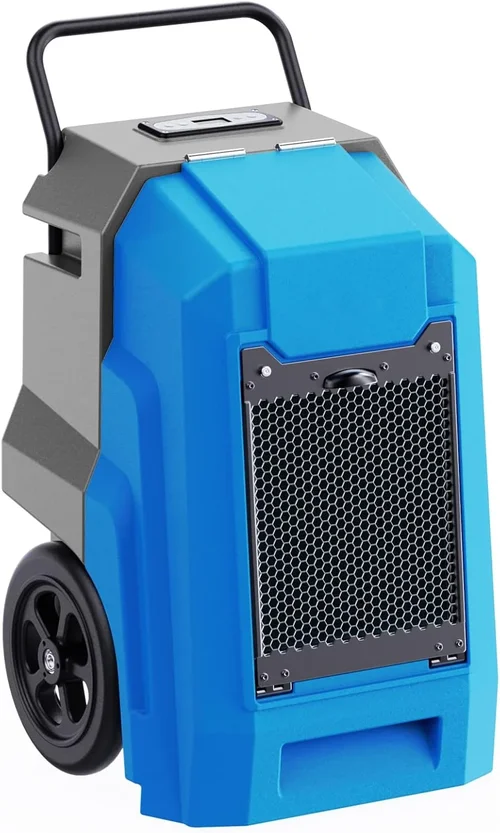
While many commercial dehumidifiers are stationary, portability can be a major advantage depending on your needs. Units with built-in handles, wheels, and lightweight designs are easier to move between job sites or different areas of a facility. This is especially useful for restoration companies, contractors, or facilities with fluctuating moisture issues.
However, portability often comes at the expense of capacity and durability. Heavy-duty industrial units are typically larger and heavier, designed for permanent installation. If you need a mobile solution, look for models with rugged casters, reinforced frames, and secure cord storage. For fixed installations, consider ductable units that can be mounted out of the way and connected to existing HVAC systems.
8. User Reviews & Ratings
Never underestimate the power of real-world feedback. User reviews and ratings provide insights that specs sheets can’t—how the unit performs over time, how reliable it is, and how responsive the manufacturer is to issues. Look for reviews from users in similar industries or with similar space sizes. Pay attention to recurring themes: if multiple users report compressor failure within a year, that’s a red flag.
Use trusted sources like Amazon, HVAC supply websites, and industry forums. Be cautious of overly positive or generic reviews—they may be fake. Instead, focus on detailed, balanced feedback that discusses both pros and cons. If possible, reach out to other businesses in your network who have used the model you’re considering.
Different Types of Buying Guide
Common Buying Mistakes to Avoid
❌ Mistake: Choosing Based Solely on Price
Why it’s bad: Opting for the cheapest unit may save money upfront, but it often leads to higher energy bills, frequent breakdowns, and shorter lifespan. Low-cost models may use inferior compressors, thin-gauge steel, or lack essential features like auto-defrost or condensate pumps.
What to do instead: Focus on total cost of ownership, not just purchase price. Calculate energy consumption, maintenance needs, and expected lifespan. A mid-range unit with better efficiency and durability often pays for itself within a few years.
❌ Mistake: Ignoring the Operating Environment
Why it’s bad: Not all dehumidifiers perform well in all conditions. A refrigerant unit may struggle in a cold basement, while a desiccant model might be overkill for a warm, humid gym. Using the wrong type can result in poor performance and wasted energy.
What to do instead: Match the dehumidifier type to your environment. Use refrigerant units in warm, humid spaces and desiccant models in cold or dry areas. Check the manufacturer’s specified operating temperature and humidity ranges.
❌ Mistake: Overlooking Drainage Options
Why it’s bad: If your unit doesn’t have a built-in pump or gravity drain, you’ll need to manually empty the water tank—often multiple times a day. This is impractical for commercial settings and can lead to overflow, water damage, and downtime.
What to do instead: Choose a model with a condensate pump or continuous drainage capability. Ensure the pump can lift water to the required height (e.g., to a ceiling drain or external sump).
❌ Mistake: Not Considering Noise Levels
Why it’s bad: Some commercial dehumidifiers produce significant noise (60+ decibels), which can be disruptive in offices, libraries, or healthcare facilities. High noise levels may violate local ordinances or affect employee productivity.
What to do instead: Check the decibel rating and look for models with sound-dampening features. Consider ductable units that can be installed remotely or use sound enclosures if necessary.
❌ Mistake: Skipping Professional Sizing
Why it’s bad: Guessing the required capacity can lead to underperformance (if too small) or wasted energy (if too large). An undersized unit will run constantly without reaching target humidity, while an oversized one will short-cycle, reducing efficiency and lifespan.
What to do instead: Use a professional sizing calculator or consult an HVAC technician. Factors include square footage, ceiling height, insulation, number of occupants, and moisture sources (e.g., pools, kitchens).
❌ Mistake: Neglecting Maintenance Requirements
Why it’s bad: Commercial dehumidifiers require regular maintenance—filter cleaning, coil inspection, and pump checks. Neglecting this can lead to reduced efficiency, mold growth inside the unit, and premature failure.
What to do instead: Choose a model with easy-access filters and clear maintenance instructions. Schedule routine servicing and train staff on basic upkeep.
❌ Mistake: Buying Without a Warranty Plan
Why it’s bad: Commercial units are complex and expensive to repair. Without a solid warranty, a single compressor failure could cost thousands in out-of-pocket expenses.
What to do instead: Always check warranty terms and consider extended coverage. Choose brands with strong support networks and local service availability.
Budget Guidelines: How Much Should You Spend?
Commercial dehumidifiers vary widely in price, and your budget should reflect the scale and demands of your application. Here’s a breakdown of what to expect at different price tiers:
- Entry-Level ($1,500 – $3,000): These units are suitable for small commercial spaces like retail stores, small offices, or light-duty storage areas. They typically remove 50–100 PPD and may lack advanced features like pumps or remote controls. Build quality is adequate but not industrial-grade. Ideal for intermittent use or mild humidity issues.
- Mid-Range ($3,000 – $6,000): This is the sweet spot for most businesses. Units in this range offer robust construction, reliable performance, and useful features like auto-defrost, humidistats, and condensate pumps. They’re built for daily use in environments like gyms, restaurants, and medium-sized warehouses. Energy efficiency is generally good, and warranties are more comprehensive.
- Premium ($6,000 – $10,000): Designed for demanding applications, these models deliver high capacity (100–200+ PPD), advanced controls, and superior durability. They often include ducting options, remote monitoring, and integration with building systems. Ideal for large facilities, industrial settings, or critical environments like data centers and museums.
- Luxury ($10,000+): These are top-tier systems for mission-critical or large-scale operations. They feature cutting-edge technology, extreme reliability, and custom configurations. Common in pharmaceutical manufacturing, food processing, and large-scale restoration projects. Expect full-service support, extended warranties, and professional installation.
Expert Tips for Getting the Best Deal
- Buy During Off-Peak Seasons: Demand for dehumidifiers peaks in spring and summer. Purchase in fall or winter when retailers offer discounts to clear inventory.
- Shop at Specialty HVAC Suppliers: Online retailers like HVACDirect.com, Total Home Supply, and Grainger often have better pricing and expert support than big-box stores.
- Look for Bundled Deals: Some suppliers offer discounts when you buy multiple units or include installation and maintenance packages.
- Check for Rebates and Incentives: Many utility companies offer rebates for energy-efficient commercial dehumidifiers. Check with your local provider.
- Negotiate with Distributors: If you’re buying multiple units or for a large facility, don’t hesitate to ask for a volume discount or extended warranty.
- Read Return Policies Carefully: Ensure the seller allows returns or exchanges if the unit doesn’t perform as expected. Some commercial units are custom-ordered and non-returnable.
- Test Before Committing: If possible, rent a unit for a week to evaluate performance in your actual environment before purchasing.
- Consider Leasing Options: For short-term needs or cash flow management, leasing can be a smart alternative to buying outright.

Frequently Asked Questions
Q: How do I calculate the right size dehumidifier for my space?
A: Start by measuring the square footage and ceiling height. Then consider factors like insulation, number of windows, occupancy, and moisture sources (e.g., pools, kitchens). Use a professional sizing tool or consult an HVAC expert. A general rule: for every 1,000 sq. ft. of moderately humid space, you’ll need a unit that removes 50–70 PPD.
Q: Can I use a residential dehumidifier in a commercial setting?
A: Not recommended. Residential units aren’t built for continuous operation, lack durability, and often don’t have the capacity or features needed for commercial use. They may also void warranties if used commercially.
Q: How often should I clean the filter?
A: Depending on the environment, clean the air filter every 2–4 weeks. In dusty or high-traffic areas, check it weekly. A clogged filter reduces airflow and efficiency.
Q: Do commercial dehumidifiers use a lot of electricity?
A: They do consume significant power, but energy-efficient models with inverter compressors and auto-defrost can reduce consumption by 20–40%. Look for ENERGY STAR-rated units when possible.
Q: Can I install a ductable dehumidifier myself?
A: While possible, ductable units often require electrical and HVAC expertise. Improper installation can lead to poor performance or safety hazards. Hire a licensed technician.
Q: What’s the difference between a condensate pump and gravity drain?
A: A gravity drain relies on slope to move water to a drain, limiting placement. A condensate pump actively lifts water, allowing flexible installation even below drain level.
Q: How long do commercial dehumidifiers last?
A: With proper maintenance, most commercial units last 7–12 years. Industrial models with heavy-duty components can exceed 15 years.
Q: Can dehumidifiers help with mold prevention?
A: Yes. By maintaining relative humidity below 60%, dehumidifiers inhibit mold and mildew growth. Combine with proper ventilation and leak repairs for best results.
Q: Are there quiet commercial dehumidifiers?
A: Yes. Look for models with sound ratings below 55 dB or those designed for quiet operation. Ductable units placed remotely are also quieter.
Q: Do I need a permit to install a commercial dehumidifier?
A: It depends on local codes and the installation type. Ductable or hardwired units may require permits. Check with your local building department.
Our Final Recommendations
- Best for Budget-Conscious Buyers: Dri-Eaz F413 Revolution – At around $2,500, this portable unit removes 120 PPD, includes a built-in pump, and is built for durability. Ideal for small to mid-sized commercial spaces.
- Best Overall Value: Quest 50 Dual – Priced around $4,200, this ductable model offers 100 PPD, low energy use, and quiet operation. Perfect for offices, schools, and healthcare facilities.
- Best Premium Option: Santa Fe Ultra-Aire 70H – At $6,500, this whole-house system handles 70 PPD with exceptional efficiency and integrates seamlessly with HVAC. Great for large homes or small commercial buildings.
- Best for Beginners: AprilAire E080 – A user-friendly, ductable unit with automatic controls and easy installation. Priced around $3,800, it’s ideal for those new to commercial dehumidification.
- Best for Advanced Users: Quest 205 MAX – A high-capacity industrial unit ($9,500) that removes 205 PPD, operates in cold temps, and includes remote monitoring. Built for 24/7 use in demanding environments.
Conclusion: Making the Right Choice
Choosing the best commercial dehumidifier isn’t just about picking the most powerful or expensive model—it’s about finding the right balance of performance, durability, features, and value for your specific needs. Throughout this guide, we’ve covered the essential factors to consider, from budget and build quality to type selection and expert tips. We’ve also highlighted common mistakes to avoid and provided actionable advice to help you make a confident, informed decision.
Remember, the ideal dehumidifier for your business will depend on your space, environment, and operational demands. Take the time to assess your requirements, consult with professionals if needed, and prioritize long-term reliability over short-term savings. A well-chosen commercial dehumidifier will protect your property, improve indoor air quality, and support a healthier, more productive environment for years to come.
Now that you’re equipped with the knowledge and tools to evaluate your options, it’s time to take action. Start by defining your needs, comparing top models, and reaching out to reputable suppliers. Whether you’re managing a single facility or overseeing multiple locations, the right dehumidifier is an investment in safety, efficiency, and peace of mind. Don’t wait for mold, corrosion, or equipment failure to force your hand—act now and choose wisely.