
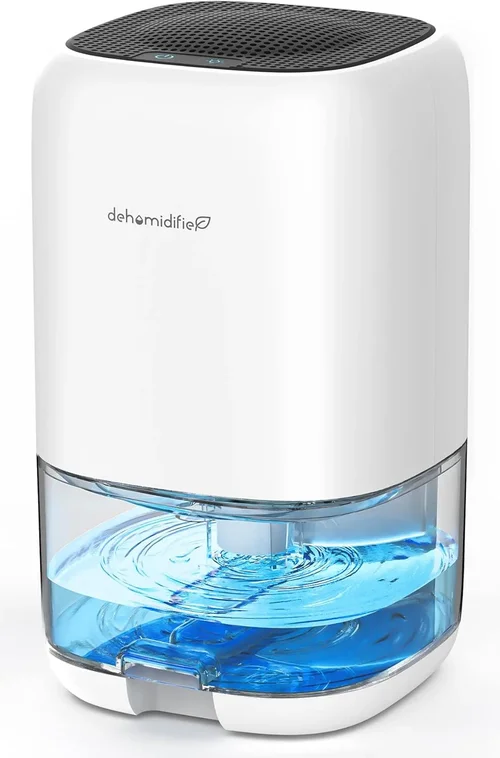
If you’ve ever woken up to a musty smell in your basement, noticed condensation fogging up your bathroom mirror every morning, or spotted mold creeping along the corners of your closet, you already know how disruptive excess moisture can be. High humidity doesn’t just feel uncomfortable—it can damage furniture, warp wood floors, trigger allergies, and even compromise the structural integrity of your home over time. That’s where a small dehumidifier comes in. Compact, efficient, and increasingly smart, these devices are designed to tackle dampness in tight spaces without taking up much room or breaking the bank.
But with dozens of models flooding the market—from ultra-cheap mini units that barely make a dent in humidity levels to sleek, Wi-Fi-enabled machines packed with sensors and auto-shutoff features—it’s easy to feel overwhelmed. How do you know which one actually works? Which features matter most? And how much should you really spend? This guide is here to cut through the noise. Whether you’re dealing with a 300-square-foot studio apartment, a damp crawl space, a humid bathroom, or just want better air quality in your bedroom, we’ll walk you through everything you need to know to choose the right small dehumidifier for your specific needs.
Over the past decade, the small dehumidifier market has evolved dramatically. Gone are the days when compact units were little more than glorified ice makers with weak moisture removal rates. Today’s best models use advanced thermoelectric or compressor-based technology, offer precise humidity control, run quietly, and include smart features like app connectivity and filter alerts. At the same time, budget options have become more accessible than ever—but not all are created equal. In this comprehensive buying guide, we’ll break down the key factors to consider, compare different types and technologies, highlight common pitfalls, and give you expert-backed recommendations so you can make a confident, informed decision. By the end, you’ll know exactly what to look for—and what to avoid—when shopping for a small dehumidifier that delivers real results.

What to Look for When Buying a Small Dehumidifier
1. Moisture Removal Capacity (Pints per Day)
The single most important specification when choosing a small dehumidifier is its moisture removal capacity, measured in pints per day (PPD). This tells you how much water the unit can extract from the air in a 24-hour period under standard testing conditions (usually 60% relative humidity at 80°F). For small spaces—like bathrooms, closets, RVs, or under 500 sq. ft.—you’ll typically want a unit rated between 10 and 30 pints per day.
Why does this matter? A dehumidifier that’s too weak won’t keep up with ambient moisture, especially in damp climates or during rainy seasons. Conversely, an oversized unit may cycle on and off too frequently, wasting energy and potentially over-drying the space. For example, a 10-pint model might suffice for a dry basement used occasionally, while a consistently damp bathroom after daily showers may need a 20–25-pint unit to maintain healthy humidity levels (ideally between 30% and 50%).
Look for AHAM (Association of Home Appliance Manufacturers) certified ratings, as these are standardized and reliable. Avoid manufacturers who quote “maximum” or “peak” output numbers without context—these often reflect ideal lab conditions that don’t mirror real-world use.
2. Tank Size vs. Continuous Drainage Options
All small dehumidifiers collect extracted moisture in an internal tank, but tank size varies widely—from as little as 0.5 liters in ultra-compact models to over 4 liters in larger portable units. A bigger tank means less frequent emptying, which is crucial if you don’t want to check the unit multiple times a day. However, larger tanks also mean bulkier designs.
For hands-off operation, look for models with continuous drainage capability. These allow you to attach a standard garden hose to a built-in spout, letting water flow directly into a floor drain, sink, or sump pump. This is especially useful in basements, laundry rooms, or vacation homes where you can’t monitor the unit daily. Some premium models even include auto-restart functions that resume operation after a power outage—perfect for unattended use.
If you opt for a tank-only model, choose one with an automatic shutoff feature when the tank is full. Without it, the unit will keep running, potentially overflowing and causing water damage. Also consider ease of access: can you remove the tank with one hand? Is it dishwasher-safe? These small details make a big difference in daily usability.
3. Energy Efficiency & Operating Costs
Dehumidifiers run for hours each day, so energy consumption directly impacts your utility bill. Look for units with the ENERGY STAR® label, which indicates they meet strict efficiency guidelines set by the U.S. Environmental Protection Agency. ENERGY STAR-certified dehumidifiers use about 15% less energy than standard models, saving you money over time.
Check the wattage (usually listed in the specs) and estimate annual operating costs using your local electricity rate. For example, a 250-watt unit running 8 hours a day at $0.12/kWh costs roughly $88 per year. While upfront price matters, long-term efficiency often delivers greater value—especially if you plan to run the dehumidifier seasonally or year-round.
Compressor-based models are generally more energy-efficient than thermoelectric (Peltier) units for spaces above 65°F, but they may consume more power in cooler environments. Thermoelectric dehumidifiers, while less powerful, excel in low-temperature settings like garages or unheated cabins and draw minimal current.
4. Noise Level (Decibel Rating)
Nobody wants a noisy appliance buzzing in their bedroom or living area. Dehumidifier noise is measured in decibels (dB), and most small units range from 35 dB (whisper-quiet) to 50+ dB (similar to a quiet conversation or refrigerator hum). For bedrooms, nurseries, or home offices, aim for models under 45 dB.
Compressor-based dehumidifiers tend to be louder due to the mechanical compressor and fan, while thermoelectric models are nearly silent since they have no moving parts besides a small fan. However, some newer compressor units now include sound-dampening technology and variable-speed fans that reduce operational noise significantly.
Read user reviews for real-world noise feedback—manufacturer specs can sometimes be optimistic. If silence is non-negotiable, consider placing the unit in an adjacent room with a hose for continuous drainage.
5. Smart Features & Automation
Modern small dehumidifiers increasingly come with smart capabilities that enhance convenience and precision. Key features to look for include:
– Humidistat: Allows you to set a target humidity level (e.g., 45%), and the unit automatically turns on/off to maintain it.
– Auto-Defrost: Prevents ice buildup on coils in cold environments (below 65°F), ensuring consistent performance.
– Timer Function: Lets you schedule operation (e.g., run only at night or during peak humidity hours).
– Filter Indicator: Alerts you when the air filter needs cleaning—critical for maintaining airflow and efficiency.
– Wi-Fi/App Control: Available on select premium models, enabling remote monitoring, scheduling, and alerts via smartphone.
While not essential, these features reduce manual intervention and improve results. For instance, a built-in humidistat prevents over-drying, which can cause static electricity and dry skin, while auto-defrost ensures reliability in seasonal spaces like cabins or garages.
6. Build Quality & Durability
A dehumidifier is an investment—you want it to last several years, not just one season. Pay attention to materials: plastic casings should feel sturdy, not flimsy, and control panels should be responsive and well-labeled. Check for reinforced handles, rubberized feet (to prevent sliding), and corrosion-resistant coatings if using in damp areas.
Internal components matter too. Look for copper coils (more durable and efficient than aluminum) and washable, reusable filters (cheaper and eco-friendlier than disposable ones). Avoid models with glued-in tanks or non-removable components—these are harder to clean and repair.
Brand reputation plays a role here. Established manufacturers like Frigidaire, hOmeLabs, Eva-Dry, and Pro Breeze typically offer better build quality and customer support than no-name brands sold exclusively through third-party online retailers.
7. Portability & Design
Even “small” dehumidifiers can be surprisingly heavy when full of water. If you plan to move the unit between rooms (e.g., from basement to bathroom), prioritize lightweight designs (under 20 lbs when empty) with integrated handles or wheels. Some models feature top-mounted controls and cord wraps for tidy storage.
Consider footprint: will it fit under a sink, in a closet, or beside a washing machine? Measure your intended space before buying. Also, check inlet/outlet vent placement—side or rear vents allow for tighter placement against walls, while top vents need clearance.
Aesthetics matter in living spaces. Many newer models come in neutral colors (white, gray, black) with minimalist designs that blend into home decor rather than looking like industrial equipment.
8. Warranty & Customer Support
A solid warranty signals confidence in product quality. Most reputable brands offer at least a 1-year limited warranty, with some extending to 2 or even 5 years on key components like compressors. Read the fine print: does it cover labor? Are filters included? Is accidental damage protected?
Customer support is equally important. Can you reach a human quickly? Are replacement parts readily available? Check online forums and review sites for patterns—frequent complaints about unresponsive support or discontinued models should raise red flags.
Different Types of Small Dehumidifiers

Common Buying Mistakes to Avoid
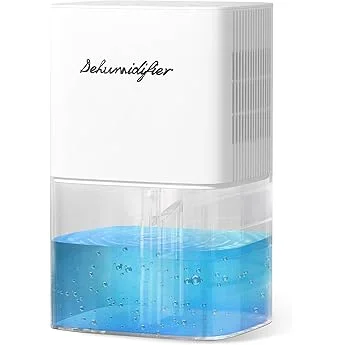
❌ Mistake: Choosing Based Solely on Price
Why it’s bad: The cheapest dehumidifiers often use low-quality components, lack essential safety features, and remove minimal moisture—rendering them ineffective. You end up wasting money on a device that doesn’t solve your problem and may even pose a fire or electrical hazard.
What to do instead: Focus on value, not just cost. A mid-range model ($100–$180) with verified performance specs, a decent warranty, and good reviews will outperform a $40 unit ten times over. Think of it as an investment in air quality and home protection.
❌ Mistake: Ignoring Room Size and Humidity Level
Why it’s bad: Using a 5-pint dehumidifier in a flooded basement or a 30-pint unit in a tiny closet leads to poor results—either under-drying or excessive cycling. Both scenarios waste energy and frustrate users.
What to do instead: Assess your space honestly. Measure square footage and note how damp it feels. Use a hygrometer (often built into smart models or available separately for $10–$20) to check actual humidity levels. Match your dehumidifier’s capacity to real conditions, not marketing claims.
❌ Mistake: Overlooking Drainage Needs
Why it’s bad: If you forget to empty the tank daily, the unit stops working—and you might not notice until mold returns. Overflowing tanks can also damage floors or carpets.
What to do instead: If you won’t be home regularly, invest in a model with continuous drainage or a large tank (3+ liters). Even with auto-shutoff, frequent emptying is a hassle most people underestimate.
❌ Mistake: Assuming All “Quiet” Models Are Equal
Why it’s bad: Some manufacturers label units as “quiet” based on idle noise, not operational volume. A compressor kicking on at 3 AM can still wake light sleepers.
What to do instead: Look for decibel ratings under load (not just standby) and read user reviews mentioning nighttime use. Thermoelectric models are safest for bedrooms if your climate allows.
❌ Mistake: Skipping the Filter Maintenance
Why it’s bad: Clogged filters restrict airflow, forcing the motor to work harder, increasing energy use, and shortening the unit’s lifespan. Many users blame the dehumidifier for poor performance when the real issue is a dirty filter.
What to do instead: Choose models with washable, reusable filters and clean them monthly (or as recommended). Some units include filter indicators—use them!
❌ Mistake: Buying Without Checking Return Policies
Why it’s bad: If the unit doesn’t perform as expected, you could be stuck with a useless appliance. Some retailers charge restocking fees or only offer store credit.
What to do instead: Buy from retailers with generous return windows (30+ days) and clear policies. Amazon, Home Depot, and Best Buy typically offer hassle-free returns. Test the unit immediately upon arrival.
❌ Mistake: Ignoring Long-Term Operating Costs
Why it’s bad: A $90 dehumidifier that costs $120/year to run is more expensive long-term than a $160 ENERGY STAR model that costs $70/year.
What to do instead: Calculate estimated annual energy costs using the wattage and your local kWh rate. Prioritize efficiency, especially if running the unit seasonally.
Budget Guidelines: How Much Should You Spend?
Entry-Level ($30–$80): These are typically thermoelectric or mini USB-powered units best suited for very small, low-humidity spaces like shoe cabinets, gun safes, or travel bags. Expect limited capacity (1–5 pints/day), small tanks, and basic functionality. Great for spot treatment but ineffective for room-wide humidity control. Ideal for occasional use or as a secondary unit.
Mid-Range ($80–$180): This is the sweet spot for most homeowners. You’ll find reliable compressor-based models with 15–30 pint capacities, larger tanks (2–4 liters), auto-shutoff, humidistats, and decent energy efficiency. Brands like hOmeLabs, Pro Breeze, and Ivation offer excellent options here. Perfect for bathrooms, small basements, RVs, and bedrooms.
Premium ($180–$300): These units boast advanced features like Wi-Fi connectivity, precise humidity control (±2%), auto-defrost, quiet operation (<42 dB), and sleek designs. Often ENERGY STAR certified, they’re built for daily, long-term use in demanding environments. Great for tech enthusiasts, allergy sufferers, or those in high-humidity regions. Luxury ($300+): Top-tier models from brands like AprilAire or Santa Fe offer commercial-grade performance in compact forms—think 40+ pint capacities, dual drainage options, robust warranties (5+ years), and seamless smart home integration. Overkill for most residential needs but ideal for large damp spaces, vacation homes, or professional applications.
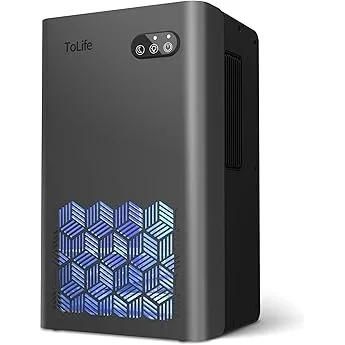
Expert Tips for Getting the Best Deal
– Buy Off-Season: Prices drop significantly in winter (January–March) when demand is lowest. Retailers clear inventory before spring humidity spikes. You can save 20–40% compared to summer pricing.
– Check Retailer Return Policies: Stick with major retailers (Amazon, Home Depot, Lowe’s, Best Buy) that offer 30-day+ return windows and free return shipping. Avoid third-party sellers with restrictive policies.
– Look for Bundle Deals: Some brands offer free filters, extended warranties, or hygrometers with purchase during promotions. Sign up for newsletters to get early access.
– Read Recent Reviews: Product quality can change between model years. Focus on reviews from the last 6–12 months to ensure you’re getting the current version’s performance.
– Test Before Committing: Run the unit for 48 hours in your target space. Check noise, tank fill rate, and humidity reduction. If it’s not performing, return it promptly.
– Consider Refurbished Models: Certified refurbished units from reputable sellers (e.g., manufacturer outlets) often come with full warranties and cost 20–30% less than new.
– Verify Warranty Coverage: Ensure the warranty covers both parts and labor. Some brands require professional installation for full coverage—read the fine print.
– Use Cashback & Coupons: Stack savings with cashback sites (Rakuten, Honey) and promo codes. Sign up for store loyalty programs for exclusive discounts.
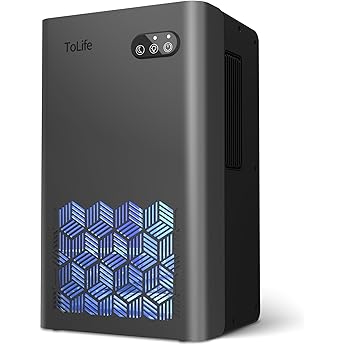
Frequently Asked Questions
Q: Can a small dehumidifier really make a difference in a large room?
A: It depends on the room’s humidity level and the unit’s capacity. A 25-pint compressor-based dehumidifier can effectively manage a 500–700 sq. ft. space if it’s moderately damp. For larger or severely wet areas, consider multiple units or a full-size dehumidifier.
Q: Do I need a dehumidifier if I have air conditioning?
A: Not always—but AC units aren’t optimized for dehumidification. They cool air quickly, often shutting off before removing significant moisture. In humid climates or poorly insulated homes, a dedicated dehumidifier provides better humidity control and comfort.
Q: How often should I clean the filter?
A: Every 4–6 weeks during heavy use, or monthly in dusty environments. A clean filter ensures optimal airflow and efficiency. Most models have removable, washable filters—rinse with water and let dry completely before reinstalling.
Q: Will a dehumidifier help with mold?
A: Yes—but only if used consistently. Dehumidifiers prevent new mold growth by keeping humidity below 50%. Existing mold must be cleaned professionally; the dehumidifier alone won’t remove it.
Q: Can I run a dehumidifier all the time?
A: Yes, especially if you have a humidistat. Modern units are designed for continuous operation. Just ensure proper ventilation and drainage to avoid overworking the system.
Q: Are thermoelectric dehumidifiers worth it?
A: They’re excellent for small, cold spaces where compressor units struggle (below 65°F). However, they remove far less moisture and are less energy-efficient in warm environments. Choose based on your climate and space size.
Q: What’s the ideal humidity level for my home?
A: Between 30% and 50%. Below 30%, air becomes too dry (causing static and irritation); above 50%, mold and dust mites thrive. Use a hygrometer to monitor levels.
Q: Can I use a dehumidifier in winter?
A: Only if the space stays above 60°F. Most compressor units shut down or frost over in colder temps. For winter use in garages or cabins, choose a thermoelectric or desiccant model with auto-defrost.
Q: Do dehumidifiers use a lot of electricity?
A: It varies. A typical 20-pint unit uses 200–300 watts. Running it 8 hours/day costs $50–$100/year, depending on local rates. ENERGY STAR models reduce this by 15–20%.
Q: Should I buy a dehumidifier with a built-in pump?
A: Only if you need to drain uphill or into a high sink. Built-in pumps add cost and complexity but enable flexible drainage in basements or multi-level homes. Most users don’t need one.
Our Final Recommendations
Best for Budget-Conscious Buyers: Eva-Dry E-333 Renewable Mini Dehumidifier – At under $50, this compact, silent thermoelectric unit is perfect for closets, RVs, or small bathrooms. No tank to empty—just recharge every 2–4 weeks. Ideal for low-maintenance, low-humidity spots.
Best Overall Value: hOmeLabs 22-Pint Dehumidifier – Combines strong 22-pint/day performance, a 3.8-liter tank, auto-humidistat, and quiet operation (<48 dB) for under $150. ENERGY STAR certified and backed by a 2-year warranty. Excellent for bathrooms, basements, and medium-sized rooms. Best Premium Option: Frigidaire FFAD2234W1 22-Pint Smart Dehumidifier – Features Wi-Fi connectivity, precise humidity control, auto-defrost, and a washable filter. App lets you monitor and adjust settings remotely. Quiet, efficient, and built to last—worth the $250+ price for tech-savvy users.
Best for Beginners: Pro Breeze 12-Pint Compact Dehumidifier – Simple controls, lightweight (15 lbs), and effective in spaces up to 400 sq. ft. Includes auto-shutoff and a transparent water level window. Great entry point for first-time buyers.
Best for Advanced Users: AprilAire E080 Pro 30-Pint Crawl Space Dehumidifier – Though slightly larger, this rugged, ductable unit offers 30-pint capacity, continuous drainage, and a 5-year warranty. Perfect for serious moisture problems in basements or crawl spaces where reliability is critical.
Conclusion: Making the Right Choice
Choosing the right small dehumidifier isn’t about finding the flashiest model or the cheapest price—it’s about matching the right tool to your specific environment, habits, and humidity challenges. By focusing on key factors like moisture removal capacity, tank size, energy efficiency, noise level, and smart features, you can narrow down your options and avoid costly mistakes. Remember: a dehumidifier is only as good as its fit for your space. A unit that works perfectly in a Florida bathroom might fail in a Minnesota basement, and vice versa.
Take the time to assess your needs honestly. Measure your space, check humidity levels, consider how often you’ll monitor the unit, and think about long-term costs—not just the sticker price. Read real user reviews, test the unit upon arrival, and don’t hesitate to return it if it doesn’t perform. With the insights from this guide, you’re now equipped to make a smart, confident decision that improves your air quality, protects your home, and delivers lasting value.
Investing in the right small dehumidifier means saying goodbye to musty odors, peeling paint, and allergy flare-ups—and hello to fresher, healthier, more comfortable living. So breathe easy: your perfect dehumidifier is out there. All it takes is knowing what to look for.