
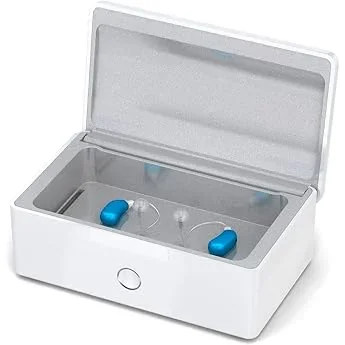
Hearing aids are delicate, high-tech devices that rely on precision electronics to deliver clear sound. Yet, one of the biggest threats to their performance and longevity isn’t loud noises or physical drops—it’s moisture. Whether it’s morning dew, humidity from a rainy day, sweat during exercise, or condensation from temperature changes, moisture can silently damage internal components, reduce battery life, and lead to costly repairs or replacements. That’s why investing in a reliable hearing aid dehumidifier isn’t just a smart move—it’s essential maintenance.
This comprehensive guide is designed to help you navigate the often-overlooked world of hearing aid dehumidifiers. Whether you’re new to hearing aids or a long-time user looking to upgrade your care routine, we’ll walk you through everything you need to know. From understanding how these devices work to comparing different types, evaluating key features, and avoiding common pitfalls, our goal is to empower you with expert-level knowledge so you can make a confident, informed decision. With so many options on the market—ranging from simple drying capsules to advanced electronic dryers—it’s easy to feel overwhelmed. But with the right information, you’ll be able to choose a dehumidifier that fits your lifestyle, budget, and hearing health needs.
The market for hearing aid dehumidifiers has grown significantly in recent years, driven by increased awareness of device longevity and the rising cost of hearing technology. Today, you’ll find everything from basic desiccant-based systems under $20 to smart, app-connected dryers costing over $200. Some are designed for nightly use, others for travel; some work passively with silica gel, while others use heat, UV light, or vibration to remove moisture. Understanding these differences is crucial. A dehumidifier that works well for someone with mild moisture exposure might not suffice for an active individual who sweats frequently or lives in a humid climate. This guide will help you cut through the noise and find the perfect match for your unique situation.

What to Look for When Buying Buying Guide
1. Moisture Removal Technology
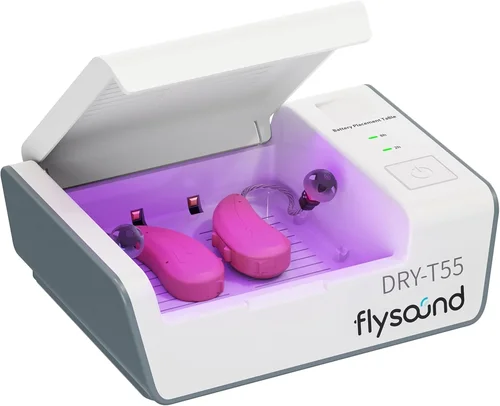
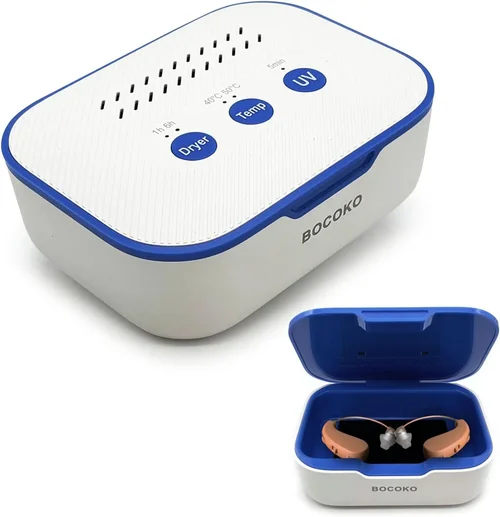
The core function of any hearing aid dehumidifier is to eliminate moisture—but not all methods are created equal. The most common technologies include desiccant-based drying, heated drying, UV-C sterilization, and ultrasonic vibration. Desiccant systems use silica gel beads or similar materials to absorb moisture passively. They’re affordable and effective for light use but require periodic recharging (usually by microwaving or oven-drying). Heated dryers use low, controlled heat (typically between 95°F and 110°F) to evaporate moisture quickly and thoroughly. These are ideal for daily use and offer consistent results. UV-C models go a step further by killing bacteria and fungi that thrive in damp environments, which is especially beneficial for users prone to ear infections. Ultrasonic or vibration-based systems agitate moisture droplets to speed up evaporation without heat, making them gentle on sensitive components. When evaluating technology, consider your environment: if you live in a humid region or sweat often, a heated or UV model may be worth the investment. For occasional use or travel, a desiccant pouch might suffice.
2. Drying Time & Efficiency
How long it takes to fully dry your hearing aids can vary dramatically between models—from 15 minutes to 8 hours. Faster isn’t always better; aggressive drying can damage delicate microphones or receivers if not properly controlled. Most high-quality electronic dryers complete a full cycle in 2–4 hours, which is ideal for overnight use. Some premium models offer express modes (30–60 minutes) for quick touch-ups, though these may not remove all deep-seated moisture. Efficiency also depends on airflow design and chamber size. Look for units with dedicated slots or baskets that allow air (or heat) to circulate around both hearing aids simultaneously. Avoid cramped compartments that block exposure. If you wear rechargeable hearing aids, check whether the dehumidifier can dry them while they’re charging—some integrate charging ports for added convenience.
3. Compatibility with Hearing Aid Types
Not all dehumidifiers work with every style of hearing aid. Behind-the-ear (BTE), in-the-ear (ITE), in-the-canal (ITC), and completely-in-canal (CIC) models have different shapes, sizes, and sensitivities. Most modern dryers accommodate standard BTE and receiver-in-canal (RIC) devices, but smaller ITE or CIC aids may not fit securely in larger chambers. Some units come with adjustable trays or silicone inserts to hold tiny devices in place. If you use custom-molded hearing aids, verify that the dehumidifier’s interior dimensions are sufficient. Also, consider whether your aids have wax guards, vents, or removable parts—some dryers include tools or compartments for cleaning these accessories. Always check the manufacturer’s compatibility list before purchasing.
4. Portability & Travel-Friendliness
If you’re frequently on the go, portability becomes a major factor. Travel-sized dehumidifiers are compact, lightweight, and often battery-operated or USB-powered, making them easy to pack in a carry-on or purse. Desiccant pouches are the most portable option—they weigh almost nothing and don’t require electricity. However, they lack the thoroughness of electronic dryers. Some mid-range electronic models include travel cases or foldable designs, while others are too bulky for regular travel. Consider how often you’ll need to use it away from home. For frequent flyers or outdoor enthusiasts, a hybrid approach—using a desiccant pouch on the road and an electronic dryer at home—might be optimal.
5. Ease of Use & Maintenance
A dehumidifier should simplify your routine, not complicate it. Look for intuitive controls: simple on/off buttons, automatic shut-off, and clear indicator lights are hallmarks of user-friendly design. Desiccant-based systems require manual recharging—typically every 1–3 months—which can be forgotten if not part of a consistent habit. Electronic dryers usually need minimal upkeep beyond occasional wiping, though UV bulbs may need replacement every 1–2 years. Some models include reminders or status indicators for maintenance tasks. Avoid overly complex interfaces with multiple settings unless you specifically need advanced customization. The best devices “just work” with minimal input.
6. Noise Level
While most dehumidifiers operate quietly, some electronic models produce a faint hum or fan noise during operation. This is rarely disruptive at night, but if you’re sensitive to sound or plan to use it in a shared bedroom, opt for a unit with silent or near-silent operation. Desiccant pouches are completely silent, making them ideal for light sleepers. Check product specifications or user reviews for noise feedback—manufacturers don’t always list decibel levels.
7. Safety Features
Because hearing aids contain sensitive electronics, safety is paramount. Overheating is a real risk with poorly designed heated dryers. Look for models with thermal cutoffs, temperature sensors, and insulated chambers that prevent excessive heat buildup. Certifications like CE, FCC, or RoHS indicate compliance with international safety standards. Avoid cheap knockoffs that lack proper insulation or use unstable heating elements. Additionally, ensure the device doesn’t emit ozone (some UV models do), which can degrade rubber and plastic components over time.
8. Warranty & Customer Support
A good warranty reflects manufacturer confidence in their product. Most reputable brands offer 1–2 years of coverage, with some premium models extending to 3 years. Pay attention to what’s included: does it cover bulb replacement? What about accidental damage? Read the fine print. Equally important is customer support responsiveness. Can you easily reach a human? Is there a helpful FAQ section or video tutorials? Brands like Dry & Store, EarDry, and ReSound have strong support networks, while lesser-known brands may leave you stranded if issues arise.
Different Types of Buying Guide

Common Buying Mistakes to Avoid
❌ Mistake: Choosing Based Solely on Price
Why it’s bad: The cheapest option often sacrifices safety, efficiency, or compatibility. A $15 desiccant pouch might seem like a bargain, but if it doesn’t fully dry your $3,000 hearing aids, you could face $200 repair bills down the line. Conversely, overspending on features you’ll never use wastes money.
What to do instead: Balance cost with your actual needs. If you live in Arizona and rarely sweat, a basic pouch may suffice. But if you’re in Florida and jog daily, invest in a heated dryer with UV protection.
❌ Mistake: Ignoring Compatibility
Why it’s bad: A dehumidifier that doesn’t fit your hearing aid model is useless—or worse, could damage it. Forcing small ITE aids into a large chamber can dislodge receivers or crack casings.
What to do instead: Measure your hearing aids and compare them to the product’s interior dimensions. Check the manufacturer’s compatibility list or contact customer service before buying.
❌ Mistake: Assuming All “Dryers” Are Equal
Why it’s bad: Terms like “dryer,” “dehumidifier,” and “sanitizer” are often used interchangeably, but they serve different purposes. A UV sanitizer won’t remove deep moisture, and a desiccant won’t kill germs.
What to do instead: Identify your primary concern—moisture removal, hygiene, or both—and choose a device that addresses it specifically.
❌ Mistake: Neglecting Maintenance Requirements
Why it’s bad: Desiccant pouches lose effectiveness when saturated. Using a depleted pouch provides a false sense of security while your aids remain damp.
What to do instead: Set calendar reminders to recharge desiccants monthly. For electronic models, clean the chamber weekly and replace UV bulbs as recommended.
❌ Mistake: Overlooking Noise and Size for Night Use
Why it’s bad: A loud dryer can disrupt sleep, especially if placed near your bed. Bulky units may not fit on crowded nightstands.
What to do instead: Read user reviews about noise levels and measure your available space. Opt for compact, silent models if nighttime use is planned.
❌ Mistake: Buying Without Researching Brand Reputation
Why it’s bad: Unknown brands may use substandard materials or lack safety certifications, risking damage to your hearing aids.
What to do instead: Stick to established names like Dry & Store, EarDry, or ReSound. Check BBB ratings, Amazon reviews, and audiologist recommendations.
❌ Mistake: Skipping the Warranty Check
Why it’s bad: Without warranty coverage, a malfunctioning unit could leave you without a backup drying method—and out of pocket for a replacement.
What to do instead: Always verify warranty length and terms. Register your product upon purchase to activate coverage.
Budget Guidelines: How Much Should You Spend?
Entry-Level ($10–$30): This tier includes basic desiccant pouches and simple drying containers. They’re ideal for occasional use, travel, or as a backup. Expect passive drying with no active moisture removal. Recharging is required every 1–3 months. While affordable, they won’t provide the thorough drying needed for daily wearers in humid environments. Best for: infrequent users, travelers, or those testing whether dehumidification improves their hearing aid performance.
Mid-Range ($50–$120): This is the sweet spot for most users. Heated electronic dryers dominate this category, offering reliable, fast drying with automatic shut-off and safety features. Some include UV-C sterilization or dual functionality (drying + charging). Build quality is generally solid, and warranties typically cover 1–2 years. These models strike an excellent balance between performance, price, and convenience. Best for: daily hearing aid users, people in moderately humid climates, and those who value consistency.
Premium ($130–$200): Premium dryers offer advanced features like app connectivity, customizable drying cycles, integrated charging ports, and superior UV sterilization. They often include travel cases, longer warranties (up to 3 years), and sleek designs. Ideal for tech enthusiasts or those with high-end hearing aids who want maximum protection and control. Best for: users with expensive hearing technology, those prone to ear infections, or individuals who appreciate smart home integration.
Luxury ($200+): At this level, you’re paying for cutting-edge innovation, brand prestige, and niche functionalities. Examples include AI-powered moisture detection, real-time humidity monitoring, or hospital-grade sterilization. These are overkill for most consumers but may appeal to professionals or those with specific medical needs. Best for: audiologists, hearing aid clinics, or extremely tech-forward users willing to invest in top-tier care.
Expert Tips for Getting the Best Deal
1. Buy During Off-Seasons: Hearing aid accessories often go on sale in late winter or early spring, after the holiday rush. Retailers like Amazon, Hearing Direct, and Audicus frequently offer discounts of 15–30% during these periods.
2. Bundle with Hearing Aid Purchases: If you’re buying new hearing aids, ask your audiologist if they include a free or discounted dehumidifier. Many clinics offer care kits as part of premium packages.
3. Check Audiologist Recommendations: Your hearing care professional likely has preferred brands they trust. They may even sell dehumidifiers at cost or with professional discounts—worth asking!
4. Read Verified Purchase Reviews: Look for reviews from users with similar hearing aid models and lifestyles. Pay attention to comments about drying effectiveness, noise, and durability over time.
5. Test Return Policies: Choose retailers with generous return windows (30+ days). This lets you test the dehumidifier with your actual hearing aids risk-free.
6. Consider Refurbished Models: Some manufacturers sell certified refurbished units at 20–40% off. These are thoroughly tested and often come with the same warranty as new products.
7. Join Loyalty Programs: Brands like ReSound and Phonak offer loyalty rewards that can be applied to accessories. Sign up for newsletters to get exclusive promo codes.
8. Avoid Impulse Buys on Social Media: Flashy ads for “miracle” dryers often exaggerate benefits. Stick to research-based decisions rather than influencer hype.
Frequently Asked Questions
Q: Do I really need a hearing aid dehumidifier if I don’t live in a humid area?
A: Yes—even in dry climates, moisture accumulates from sweat, condensation (e.g., stepping from air conditioning into heat), and normal humidity fluctuations. Daily use, especially during physical activity, warrants regular drying to prevent corrosion and extend device life.
Q: Can I use a regular hair dryer or oven to dry my hearing aids?
A: Absolutely not. Hair dryers produce uneven, excessive heat that can melt components. Ovens are even more dangerous—they lack precise temperature control and can destroy your hearing aids in minutes. Always use a purpose-built dehumidifier.
Q: How often should I dry my hearing aids?
A: For most users, nightly drying is ideal. If you sweat heavily or live in a humid environment, consider drying twice daily. At minimum, dry them whenever they feel damp or after exposure to moisture.
Q: Will a dehumidifier extend my hearing aid’s lifespan?
A: Yes. Moisture is a leading cause of hearing aid failure. Regular drying can add 1–2 years to your device’s life, potentially saving hundreds in repairs or replacements.
Q: Are UV-C dryers safe for all hearing aid materials?
A: Generally yes, but check with your hearing aid manufacturer. Most modern plastics and metals are UV-resistant, but some older or specialized coatings may degrade over time with repeated exposure.
Q: Can I dry rechargeable hearing aids in a dehumidifier?
A: It depends. Some dryers are designed to work with rechargeable models, while others recommend removing the battery door or using a separate compartment. Always consult your user manual.
Q: How do I know if my desiccant pouch is still effective?
A: Many silica gel pouches change color when saturated (e.g., blue to pink). If yours doesn’t have an indicator, weigh it—when fully charged, it should feel light; when spent, it feels heavier due to absorbed water.
Q: Is it okay to leave my hearing aids in the dehumidifier overnight?
A: Yes, as long as the device has an automatic shut-off feature. Most quality dryers are designed for safe overnight use.
Q: Can a dehumidifier fix a hearing aid that’s already wet?
A: It can help if caught early. Power off the device immediately, remove batteries, and place it in the dehumidifier for a full cycle. However, if corrosion has already occurred, professional repair may be needed.
Q: Do dehumidifiers work with cochlear implants or bone-anchored hearing systems?
A: External processors from cochlear implants and BAHS can often be dried in compatible dehumidifiers, but internal components cannot. Check with your implant manufacturer for specific guidelines.
Our Final Recommendations
Best for Budget-Conscious Buyers: Hearing Aid Dryer Pouch by EarDry ($18) – Simple, effective, and travel-friendly. Uses color-changing silica gel and requires no power. Perfect for occasional use or as a backup.
Best Overall Value: Dry & Store Global II ($99) – Combines gentle heat, UV-C sterilization, and a compact design. Trusted by audiologists worldwide, it dries thoroughly in 3 hours and includes a 2-year warranty.
Best Premium Option: ReSound Smart Care Dryer ($199) – App-controlled with customizable cycles, integrated charging, and real-time status updates. Ideal for ReSound hearing aid users who want seamless smart integration.
Best for Beginners: EarDry Electronic Hearing Aid Dryer ($65) – Easy one-button operation, quiet fan, and LED indicator. No complex settings—just plug in and go.
Best for Advanced Users: Phonak Dry Caddy ($149) – Features ultrasonic vibration technology, dual chambers for hearing aids and accessories, and a sleek, modern design. Gentle yet highly effective for sensitive devices.
Conclusion: Making the Right Choice
Choosing the right hearing aid dehumidifier isn’t just about protecting an investment—it’s about preserving your connection to the world. Moisture damage is silent, gradual, and often irreversible, but it’s entirely preventable with the right tool. Throughout this guide, we’ve emphasized the importance of matching your dehumidifier to your lifestyle, environment, and hearing aid type. Whether you opt for a no-frills desiccant pouch or a smart, app-enabled dryer, consistency is key. Make drying part of your nightly routine, maintain your device as recommended, and don’t hesitate to consult your audiologist if you’re unsure.
Remember, the best dehumidifier is the one you’ll actually use. A $200 model sitting unused on a shelf does nothing for your hearing aids—while a $20 pouch used faithfully every night provides real value. Prioritize your needs, do your research, and invest wisely. Your hearing health deserves nothing less.
Now that you’re equipped with expert knowledge, take the next step: evaluate your current setup, identify gaps in your care routine, and choose a dehumidifier that fits seamlessly into your life. Your future self—and your hearing aids—will thank you.