
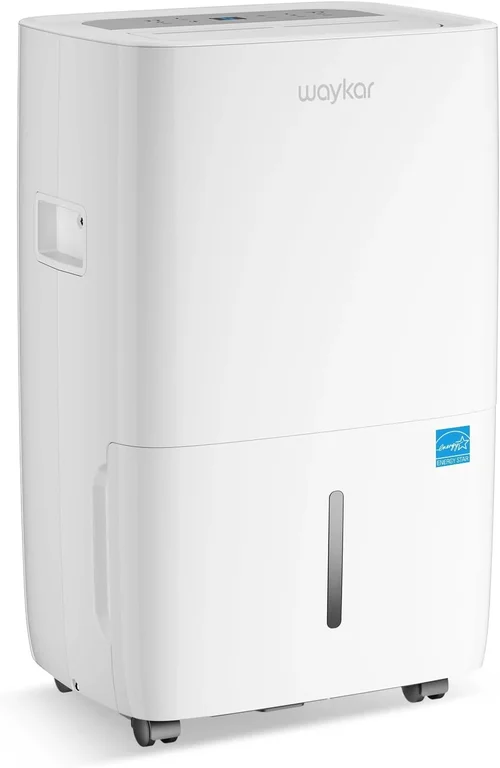
Dehumidifiers are essential appliances in homes and buildings where excess moisture creates discomfort, health risks, and structural damage. Whether you’re dealing with persistent dampness in a basement, musty odors in a bathroom, or high humidity levels affecting your indoor air quality, a dehumidifier can make a significant difference. However, even the most advanced dehumidifier won’t perform optimally if it’s placed incorrectly. That’s why understanding the best placement for dehumidifier units is just as important as choosing the right model.
This comprehensive guide is designed to help you make informed decisions about where and how to position your dehumidifier for maximum efficiency and effectiveness. We’ll walk you through the key factors that influence placement, from room size and airflow to noise levels and accessibility. You’ll learn how different environments—like basements, crawl spaces, laundry rooms, and whole-house setups—require unique strategies. We’ll also compare different types of dehumidifiers, highlight common placement mistakes, and offer expert tips to ensure you get the most out of your investment.
The market today offers a wide range of dehumidifiers, from compact portable units under $100 to powerful whole-home systems costing over $1,000. With so many options, it’s easy to focus solely on features and price while overlooking the critical role of proper placement. Yet, studies and real-world testing consistently show that incorrect placement can reduce a dehumidifier’s efficiency by up to 40%. This guide cuts through the confusion, providing practical, science-backed advice to help you achieve ideal humidity control in any space. Whether you’re a homeowner, renter, or facility manager, you’ll walk away with actionable insights to create a healthier, more comfortable environment.

What to Look for When Buying Buying Guide
1. Room Size and Coverage Area
One of the most important factors in dehumidifier placement is ensuring the unit can effectively cover the area where it’s installed. Dehumidifiers are rated by the size of the space they can handle, typically measured in square feet. For example, a 30-pint dehumidifier is generally suitable for spaces up to 1,500 square feet, while a 70-pint model may be needed for larger basements or damp crawl spaces.
When evaluating coverage, consider not just the square footage but also the humidity level. A 1,000-square-foot basement with standing water or frequent flooding will require a more powerful unit than a dry 1,500-square-foot living area. Always check the manufacturer’s specifications for “coverage area” and match it to your specific conditions. Placing a dehumidifier in a room that exceeds its capacity will result in poor performance, increased energy use, and faster wear on the unit.
2. Airflow and Ventilation
Dehumidifiers work by drawing in moist air, removing the moisture, and releasing dry air back into the room. For this process to work efficiently, the unit needs unrestricted airflow. Placing a dehumidifier too close to walls, furniture, or curtains can block intake and exhaust vents, reducing efficiency and potentially causing the unit to overheat.
As a rule of thumb, leave at least 6 to 12 inches of clearance on all sides of the dehumidifier, especially near the air intake and exhaust grilles. In tight spaces like closets or under stairs, ensure there’s enough room for air to circulate. If airflow is limited, consider using a fan to help distribute dry air throughout the room. Proper ventilation not only improves performance but also extends the lifespan of the unit.
3. Noise Level and Location Sensitivity
Dehumidifiers can be noisy, especially larger models or those with high-capacity compressors. Noise levels typically range from 45 to 65 decibels (dB), which is comparable to a quiet conversation or moderate rainfall. While this may be acceptable in a basement or garage, it can be disruptive in bedrooms, living rooms, or home offices.
When choosing a placement location, consider how much noise you can tolerate. Units placed in isolated areas like basements or utility closets are ideal. For living spaces, look for models labeled as “quiet” or “low-noise,” and place them away from sleeping or working areas. Some dehumidifiers come with sleep modes that reduce fan speed and noise at night—ideal for bedrooms or nurseries.
4. Accessibility for Maintenance
Regular maintenance is essential for keeping your dehumidifier running efficiently. This includes emptying the water tank, cleaning or replacing filters, and checking for ice buildup on coils. If your dehumidifier is placed in a hard-to-reach spot—like deep inside a crawl space or behind a water heater—you’re less likely to perform routine upkeep, which can lead to reduced performance and costly repairs.
Choose a location that allows easy access to the control panel, water tank, and filter. Ideally, the unit should be within arm’s reach for daily or weekly maintenance. If you’re installing a whole-home dehumidifier, ensure the service panel is accessible for HVAC professionals. For portable units, consider placing them on a stable surface or using a dehumidifier stand to make tank removal easier.
5. Proximity to Moisture Sources
To maximize efficiency, place your dehumidifier as close as possible to the primary source of moisture. In basements, this might be near a sump pump or foundation wall where water seeps in. In laundry rooms, position it near the washer and dryer, where steam and humidity are highest. In bathrooms, place it near the shower or bathtub, especially if there’s poor ventilation.
Placing the unit near moisture sources allows it to capture humid air before it spreads throughout the space. This reduces the workload on the dehumidifier and helps maintain consistent humidity levels. However, avoid placing it directly in standing water or in areas prone to flooding, as this can damage the unit and create safety hazards.
6. Power Source and Electrical Safety
Dehumidifiers require a dedicated electrical outlet and sufficient power to operate. Most residential units run on standard 120-volt circuits, but high-capacity models may need a 240-volt outlet. Before placing your dehumidifier, ensure the outlet is nearby and not overloaded with other appliances.
Avoid using extension cords unless absolutely necessary, as they can overheat and pose a fire risk. If you must use one, choose a heavy-duty, grounded cord rated for outdoor use. Also, keep the power cord away from water sources and high-traffic areas to prevent tripping hazards. For basements or crawl spaces, consider installing a GFCI (Ground Fault Circuit Interrupter) outlet for added safety.
7. Temperature and Operating Conditions
Dehumidifiers are designed to operate within specific temperature ranges. Most residential units work best between 65°F and 80°F (18°C to 27°C). In colder environments like unheated basements or garages, the coils can freeze, reducing efficiency or causing the unit to shut down.
If you’re placing a dehumidifier in a cold space, look for models with “low-temperature operation” or “auto-defrost” features. These units can continue removing moisture even when temperatures drop below 60°F (15°C). Alternatively, consider insulating the space or using a space heater to maintain a stable temperature. Avoid placing the unit near heat sources like furnaces or water heaters, as excessive heat can also affect performance.
8. Aesthetic and Space Considerations
While functionality is paramount, aesthetics and space usage also matter, especially in living areas. Dehumidifiers come in various designs, from sleek, modern units to bulky, industrial models. Choose a style that blends with your decor and fits comfortably in the intended space.
If floor space is limited, consider wall-mounted or ceiling-mounted dehumidifiers, which are ideal for small rooms or commercial settings. Some models are designed to be hidden inside cabinets or closets, with ducting to direct airflow. For open-concept homes, select a unit with a neutral color and compact footprint to minimize visual impact.
Different Types of Buying Guide

Common Buying Mistakes to Avoid
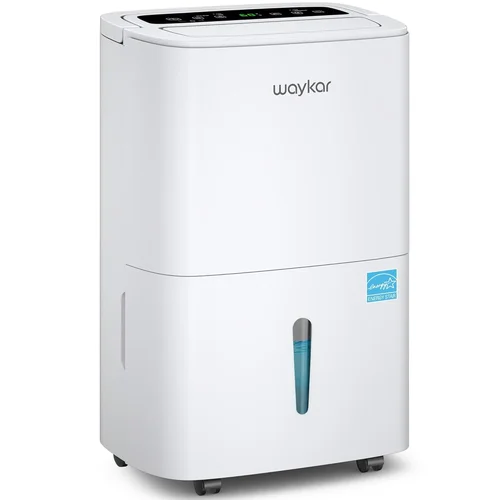
❌ Mistake: Placing the Dehumidifier in a Corner
Why it’s bad: Corners restrict airflow, which is essential for the dehumidifier to draw in moist air and expel dry air. Blocked vents can cause the unit to overheat, reduce efficiency, and shorten its lifespan.
What to do instead: Position the dehumidifier in an open area with at least 6–12 inches of clearance on all sides. If space is limited, use a fan to help circulate air around the unit.
❌ Mistake: Ignoring the Water Tank Capacity
Why it’s bad: If the water tank is too small for the humidity level, you’ll need to empty it frequently—sometimes multiple times a day. This is inconvenient and can lead to overflow if you forget.
What to do instead: Choose a model with a large tank (at least 10–16 pints) or one with a continuous drainage option. Use a hose to direct water to a floor drain or sump pump for hands-free operation.
❌ Mistake: Using the Wrong Size Unit
Why it’s bad: A dehumidifier that’s too small won’t effectively reduce humidity, while an oversized unit will cycle on and off too frequently, wasting energy and wearing out components.
What to do instead: Match the unit’s capacity (in pints per day) to your room size and humidity level. Use online calculators or consult with an HVAC professional to find the right fit.
❌ Mistake: Placing It Near Heat Sources
Why it’s bad: Heat sources like furnaces, water heaters, or direct sunlight can raise the ambient temperature, causing the dehumidifier to work harder and potentially overheat.
What to do instead: Keep the unit away from heaters, radiators, and windows with direct sun exposure. Maintain a stable temperature between 65°F and 80°F for optimal performance.
❌ Mistake: Neglecting Regular Maintenance
Why it’s bad: Dirty filters, full water tanks, and frozen coils can drastically reduce efficiency and lead to mold growth inside the unit.
What to do instead: Clean the filter monthly, empty the tank regularly, and inspect coils for ice buildup. Follow the manufacturer’s maintenance schedule to keep the unit running smoothly.
❌ Mistake: Not Considering Noise in Living Spaces
Why it’s bad: A noisy dehumidifier can disrupt sleep, work, or relaxation, especially if placed in a bedroom or home office.
What to do instead: Choose a quiet model (under 50 dB) for living areas, or place the unit in a remote location like a basement. Use rugs or sound-absorbing materials to reduce noise transmission.
❌ Mistake: Forgetting About Drainage Options
Why it’s bad: Without a proper drainage solution, you’ll need to manually empty the tank, which is time-consuming and easy to forget.
What to do instead: Install a continuous drain hose connected to a floor drain, sump pump, or condensate pump. This allows the dehumidifier to run unattended for days or weeks.
Budget Guidelines: How Much Should You Spend?
Entry-Level ($50 – $150): These are typically mini or compact dehumidifiers ideal for small spaces like closets, RVs, or under sinks. They’re energy-efficient and quiet but have limited capacity (usually 10–20 pints per day). Best for low-humidity areas or supplemental use. Expect basic features and shorter lifespans.
Mid-Range ($150 – $400): This is the sweet spot for most homeowners. These portable dehumidifiers offer 30–50 pints of moisture removal per day and are suitable for basements, bathrooms, and medium-sized rooms. They often include features like auto-humidistat, washable filters, and continuous drainage. Look for ENERGY STAR-certified models for better efficiency.
Premium ($400 – $800): Designed for high-moisture environments like flooded basements or large crawl spaces, these units can remove 50–70 pints per day. They feature advanced controls, low-temperature operation, and durable construction. Ideal for serious humidity problems or year-round use.
Luxury ($800+): Whole-home dehumidifiers fall into this category. Integrated with HVAC systems, they provide centralized humidity control for entire houses. These systems are highly efficient, require minimal maintenance, and offer smart controls. Best for large homes, humid climates, or allergy sufferers.
Expert Tips for Getting the Best Deal
- Buy During Off-Peak Seasons: Dehumidifiers are in highest demand during summer. Shop in fall or winter for discounts and promotions. Retailers often clear out inventory before the humid season begins.
- Check for Rebates and Incentives: Many utility companies offer rebates for ENERGY STAR-certified dehumidifiers. Check your local provider’s website for available programs.
- Compare Online and In-Store Prices: Online retailers like Amazon, Home Depot, and Lowe’s often have competitive pricing and customer reviews. In-store purchases allow you to inspect the unit and ask questions.
- Read User Reviews Carefully: Look for reviews that mention real-world performance, noise levels, and durability. Avoid models with consistent complaints about leaks, noise, or short lifespans.
- Test Before Committing: If possible, run the dehumidifier for a few days to see how it performs. Check humidity levels with a hygrometer and ensure the unit doesn’t overheat or make excessive noise.
- Consider the Total Cost of Ownership: Factor in energy usage, maintenance, and replacement parts. A cheaper unit may cost more over time due to higher electricity bills or frequent repairs.
- Look for Extended Warranties: Some manufacturers offer extended warranties for an additional fee. This can be worth it for high-end models or units used in harsh conditions.
- Negotiate with Retailers: Don’t hesitate to ask for a discount, especially during sales events or when buying multiple items. Some stores will match online prices or throw in free accessories.

Frequently Asked Questions
Q: Where is the best place to put a dehumidifier in a basement?
A: The ideal location is near the source of moisture, such as a sump pump, foundation wall, or area with standing water. Place it in an open area with good airflow, away from walls and furniture. If the basement is large, consider using multiple units or a whole-home system.
Q: Can I put a dehumidifier in a closet?
A: Yes, but only if the closet is well-ventilated and the unit has enough clearance for airflow. Use a mini dehumidifier designed for small spaces, and ensure the door is slightly open or has ventilation holes to allow air circulation.
Q: Should a dehumidifier be on the floor or elevated?
A: Most dehumidifiers are designed to sit on the floor. However, elevating it slightly (e.g., on a stand or platform) can make tank removal easier and improve airflow. Avoid placing it directly on carpet, as this can block the intake vent.
Q: How far should a dehumidifier be from the wall?
A: Leave at least 6 to 12 inches of space between the dehumidifier and any wall, furniture, or obstacle. This ensures proper airflow and prevents the unit from overheating.
Q: Can I run a dehumidifier 24/7?
A: Yes, most modern dehumidifiers are designed for continuous operation. Use a model with an auto-humidistat to maintain your desired humidity level (ideally 30–50%) and prevent over-drying.
Q: What humidity level should I set my dehumidifier to?
A: For comfort and health, aim for 30–50% relative humidity. Levels above 60% promote mold and dust mites, while levels below 30% can cause dry skin and respiratory irritation.
Q: Do dehumidifiers use a lot of electricity?
A: It depends on the size and efficiency. A typical 30-pint dehumidifier uses about 300–400 watts per hour. ENERGY STAR models are more efficient and can save up to 20% on energy costs.
Q: Can I use a dehumidifier in a crawl space?
A: Yes, but choose a model rated for crawl spaces with a condensate pump and durable construction. Ensure it’s protected from dirt and debris, and consider a sealed enclosure for better efficiency.
Q: How often should I clean my dehumidifier?
A: Clean the filter every 2–4 weeks, depending on usage. Wipe down the water tank weekly and inspect coils for ice or mold buildup monthly.
Q: What’s the difference between a dehumidifier and an air purifier?
A: A dehumidifier removes moisture from the air to control humidity, while an air purifier filters out pollutants like dust, pollen, and smoke. Some units combine both functions, but they serve different purposes.
Our Final Recommendations
Best for Budget-Conscious Buyers: hOmeLabs 30 Pint Dehumidifier – Affordable, reliable, and perfect for small to medium rooms. Offers auto-humidistat, washable filter, and continuous drainage option.
Best Overall Value: Frigidaire FFAD7033R1 70 Pint Dehumidifier – High capacity, ENERGY STAR certified, and excellent for basements. Features low-temperature operation and a large water tank.
Best Premium Option: AprilAire E080 Whole-Home Dehumidifier – Integrates with HVAC systems for whole-house humidity control. Durable, efficient, and ideal for large homes or humid climates.
Best for Beginners: Eva-Dry E-333 Mini Dehumidifier – Compact, quiet, and easy to use. Perfect for closets, RVs, or small bathrooms. No electricity required—uses renewable silica gel.
Best for Advanced Users: Quest 50 Overhead Dehumidifier – Industrial-grade performance with ducting options. Ideal for large basements, crawl spaces, or commercial use. Features remote controls and advanced diagnostics.
Conclusion: Making the Right Choice
Choosing the best placement for your dehumidifier is not just about convenience—it’s about maximizing efficiency, ensuring safety, and protecting your investment. From understanding room size and airflow to avoiding common mistakes and selecting the right type, every decision impacts how well your dehumidifier performs. By following the guidelines in this guide, you’ll create a healthier, more comfortable living environment while saving energy and reducing maintenance headaches.
Remember, the perfect placement depends on your unique space and needs. Whether you’re tackling a damp basement, a humid bathroom, or a whole-home humidity issue, take the time to assess your conditions and choose accordingly. Don’t rush the process—measure your space, check humidity levels, and test different locations if needed. And always prioritize safety, accessibility, and proper ventilation.
Ultimately, a well-placed dehumidifier is more than just an appliance—it’s a long-term solution for better air quality, structural protection, and personal comfort. Use this guide as your roadmap, and you’ll be well on your way to achieving ideal indoor humidity. Take action today, and breathe easier tomorrow.