
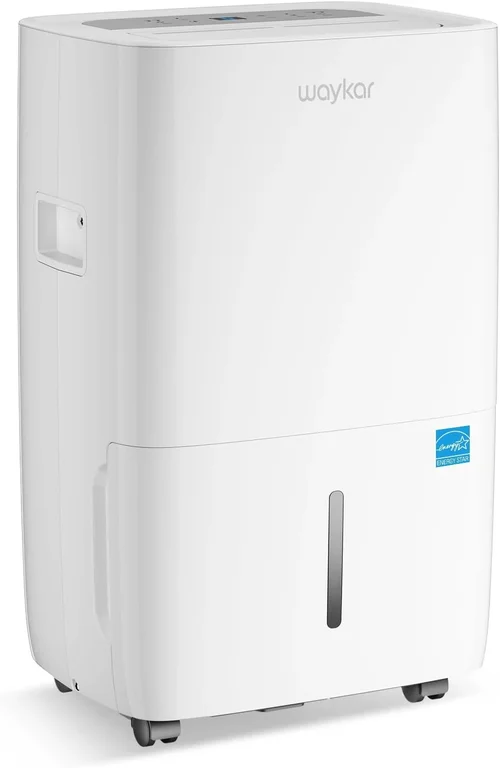
If you’ve ever walked into a damp basement that smells like wet socks, noticed peeling paint on your walls, or watched mold slowly creep across bathroom tiles, you already understand why humidity control matters. High indoor humidity doesn’t just feel uncomfortable—it can damage your home, trigger allergies, and even affect your health. That’s where a dehumidifier comes in. But here’s the catch: owning one isn’t enough. You need to use it correctly, and that starts with choosing the right settings. Many people buy a dehumidifier, plug it in, and leave it on “auto” or “high” without understanding how to optimize performance, energy efficiency, or longevity. This guide exists to fix that. Whether you’re dealing with a musty crawl space, a humid bedroom, or an entire home plagued by moisture, knowing the best dehumidifier settings can make all the difference.
In this comprehensive buying guide, you’ll learn everything you need to know about selecting, configuring, and maintaining your dehumidifier for maximum effectiveness. We’ll walk through the key factors to consider when shopping—from performance specs and build quality to smart features and brand reputation. You’ll discover the different types of dehumidifiers available, compare their pros and cons, and avoid common mistakes that lead to wasted money or poor results. We’ll also break down budget expectations, share expert tips for getting the best deal, and answer frequently asked questions based on real-world usage. By the end, you’ll have a clear, actionable plan to choose the right unit and set it up perfectly for your specific needs.
The market today offers more options than ever—compact units for small spaces, whole-house systems for large homes, energy-efficient models with ENERGY STAR ratings, and smart dehumidifiers that connect to your phone. With so many choices, it’s easy to feel overwhelmed. But the truth is, the “best” dehumidifier isn’t always the most expensive or feature-packed one. It’s the one that matches your environment, usage habits, and goals. This guide cuts through the noise to help you make an informed, confident decision—so you can enjoy drier air, a healthier home, and peace of mind.

What to Look for When Buying Buying Guide
1. Budget & Price Range
Your budget is often the first filter when shopping for a dehumidifier, but it shouldn’t be the only one. Prices can range from under $100 for basic portable units to over $1,000 for whole-home systems. The key is to balance cost with value—don’t just go for the cheapest option, as it may lack durability or efficiency, but also avoid overspending on features you’ll never use. A good rule of thumb: expect to spend at least $150–$250 for a reliable mid-sized unit that handles 30–50 pints per day. If you’re dealing with severe dampness or a large space, you may need to invest more. Always factor in long-term costs like electricity usage and maintenance. A slightly pricier model with high energy efficiency can save you money over time.
2. Performance Specifications
Performance specs tell you how well a dehumidifier will work in your space. The most important metric is pints per day (PPD), which indicates how much moisture the unit can remove in 24 hours under standard conditions (80°F and 60% relative humidity). For example, a 30-pint unit is ideal for a 500–1,000 sq. ft. basement, while a 70-pint model suits larger areas or extremely damp environments. Also check the coverage area listed by the manufacturer—this should match your room size. Don’t forget to look at the humidity range the unit can maintain (typically 30%–80%) and whether it has an adjustable humidistat. A wider range and precise control mean better customization for your needs.
3. Build Quality & Durability
A dehumidifier is a long-term investment, so build quality matters. Look for units with sturdy casings, corrosion-resistant coils (especially important in basements or coastal areas), and well-sealed components. Metal housings generally last longer than plastic, though high-grade plastic can be durable too. Check the quality of the compressor and fan—these are the heart of the machine. Units with sealed bearings and thermal protection tend to run longer without overheating. Also consider the filter: washable, reusable filters are more cost-effective and eco-friendly than disposable ones. A well-built dehumidifier should last 5–10 years with proper care.
4. Features & Functionality
Modern dehumidifiers come with a range of features that can improve convenience, efficiency, and performance. Key ones to look for include:
- Adjustable humidistat: Lets you set your desired humidity level (e.g., 45%) and automatically turns the unit on/off to maintain it.
- Auto-restart: Resumes operation after a power outage—essential if you live in an area with frequent outages.
- Continuous drainage: Allows you to connect a hose so the unit doesn’t need manual emptying.
- Defrost function: Prevents ice buildup on coils in cold environments (below 65°F).
- Timer and sleep mode: For energy savings and quiet nighttime operation.
- Smart connectivity: Wi-Fi-enabled models let you monitor and control humidity via an app.
While not all features are necessary, they can significantly enhance usability—especially in hard-to-reach areas like basements.
5. Brand Reputation
Not all dehumidifier brands are created equal. Stick with reputable manufacturers known for reliability, customer service, and innovation. Top brands like Frigidaire, GE, hOmeLabs, AprilAire, and Midea consistently receive high marks for performance and durability. Research customer reviews and third-party ratings (like those from Consumer Reports or ENERGY STAR) to gauge real-world satisfaction. Avoid unknown or off-brand models that may cut corners on components or lack support. A trusted brand often means better warranties, easier access to replacement parts, and responsive customer service if issues arise.
6. Warranty & Support
A solid warranty is a strong indicator of a manufacturer’s confidence in their product. Most quality dehumidifiers come with a 1–2 year limited warranty, covering parts and labor. Some premium models offer extended coverage up to 5 years. Pay attention to what’s included: does it cover the compressor? The coils? Labor costs? Also check if the warranty is voided by improper use or lack of maintenance. Good customer support is just as important—can you easily reach a technician? Are manuals and troubleshooting guides available online? A strong warranty and support system can save you hundreds in repair costs down the line.
7. Size & Portability
Dehumidifiers come in various sizes, from compact 20-pint units that weigh under 30 pounds to large 70-pint models that can exceed 60 pounds. Consider where you’ll place the unit and how often you’ll move it. If you need to use it in multiple rooms (like a basement and bedroom), look for models with built-in handles and wheels. Smaller units are easier to store and transport but may need more frequent emptying. Larger units are more powerful but require more floor space and may be harder to relocate. Also check the noise level—measured in decibels (dB)—especially if placing it in a living area or bedroom. Quieter models (under 50 dB) are ideal for nighttime use.
8. User Reviews & Ratings
Before buying, always read user reviews on retail sites like Amazon, Home Depot, or Best Buy. Look for patterns: do multiple users report the same issue (e.g., leaks, loud operation, short lifespan)? Are there consistent praises for performance or ease of use? Pay attention to reviews from people with similar environments—someone using a dehumidifier in a Florida basement will have different experiences than someone in a dry Arizona garage. Verified purchase reviews are more reliable. Also check professional reviews from trusted sources. A product with 4.5+ stars and hundreds of reviews is usually a safe bet.
Different Types of Buying Guide

Common Buying Mistakes to Avoid
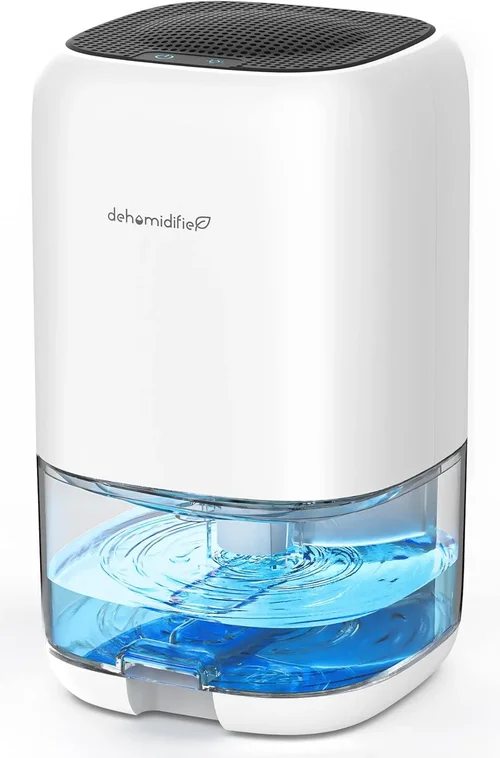
❌ Mistake: Ignoring the Humidity Level You Need
Why it’s bad: Setting your dehumidifier too low (below 30%) can overwork the unit, increase energy bills, and dry out the air excessively, leading to static electricity, dry skin, or respiratory irritation. Setting it too high (above 60%) won’t effectively prevent mold or musty odors.
What to do instead: Aim for a relative humidity (RH) between 30% and 50% for most homes. Use a hygrometer to monitor levels and adjust the humidistat accordingly. In basements or damp areas, 40–50% is ideal.
❌ Mistake: Buying a Unit Too Small for the Space
Why it’s bad: An undersized dehumidifier will run constantly, struggle to reduce humidity, and wear out faster. It may also fail to prevent mold growth in high-moisture areas.
What to do instead: Match the unit’s pint capacity to your room size and moisture level. Use this guide: 20–30 pints for 500–1,000 sq. ft. (moderate dampness), 50–70 pints for 1,000–2,500 sq. ft. (severe dampness or large basements).
❌ Mistake: Not Using Continuous Drainage
Why it’s bad: Manually emptying the water tank every day is inconvenient and easy to forget. If the tank fills and the unit shuts off, humidity can rise again, undoing your progress.
What to do instead: Use a hose for continuous drainage, especially in basements or unattended areas. Ensure the hose has a slight downward slope and drains into a floor drain, sump pump, or outside.
❌ Mistake: Placing the Dehumidifier in the Wrong Location
Why it’s bad: Putting the unit in a corner, behind furniture, or near walls restricts airflow, reducing efficiency. It may also cause the unit to overheat or cycle improperly.
What to do instead: Place the dehumidifier in an open area with at least 6–12 inches of clearance on all sides. Avoid placing it near heat sources or in direct sunlight.
❌ Mistake: Neglecting Regular Maintenance
Why it’s bad: Dirty filters, clogged coils, and full tanks can reduce performance, increase energy use, and shorten the unit’s lifespan. Mold can even grow inside the machine.
What to do instead: Clean the filter monthly, inspect coils for dust, and wipe down the water tank regularly. Follow the manufacturer’s maintenance schedule.
❌ Mistake: Running the Dehumidifier 24/7 Without Monitoring
Why it’s bad: Constant operation wastes energy and may overdry the air. Humidity levels fluctuate with weather, seasons, and usage, so fixed settings aren’t always optimal.
What to do instead: Use the humidistat to maintain your target humidity. Consider a timer or smart model that adjusts based on real-time conditions.
❌ Mistake: Overlooking Energy Efficiency
Why it’s bad: Dehumidifiers can consume significant electricity, especially large units running frequently. An inefficient model can add $50–$150 per year to your energy bill.
What to do instead: Look for ENERGY STAR-certified models, which use 15–30% less energy than standard units. Check the energy factor (liters of water removed per kilowatt-hour)—higher is better.
Budget Guidelines: How Much Should You Spend?
Dehumidifiers vary widely in price, and your budget should align with your needs, space, and long-term goals. Here’s a breakdown of what to expect at different price points:
Entry-Level ($50–$150): These are typically mini or compact desiccant units ideal for small spaces like closets, RVs, or bathrooms. They’re lightweight, quiet, and energy-efficient but have low capacity (5–15 pints/day) and small tanks. Best for light moisture issues or temporary use. Expect basic features and shorter lifespans.
Mid-Range ($150–$400): This is the sweet spot for most homeowners. These compressor-based units handle 30–50 pints per day and cover 500–1,500 sq. ft. They often include adjustable humidistats, auto-restart, continuous drainage, and washable filters. Models from brands like hOmeLabs, Frigidaire, and GE offer excellent value here. ENERGY STAR options are common, balancing performance and efficiency.
Premium ($400–$800): Designed for larger homes, severe dampness, or professional use. These units remove 50–70+ pints daily and may include smart features, Wi-Fi connectivity, advanced defrost systems, and superior build quality. Ideal for basements, crawl spaces, or humid climates. Whole-house models often start in this range.
Luxury ($800+): Top-tier whole-house dehumidifiers that integrate with HVAC systems. These provide whole-home humidity control, high efficiency, and long warranties. Brands like AprilAire and Santa Fe dominate this space. Best for large homes, new constructions, or those with chronic moisture problems. Installation may require a professional.
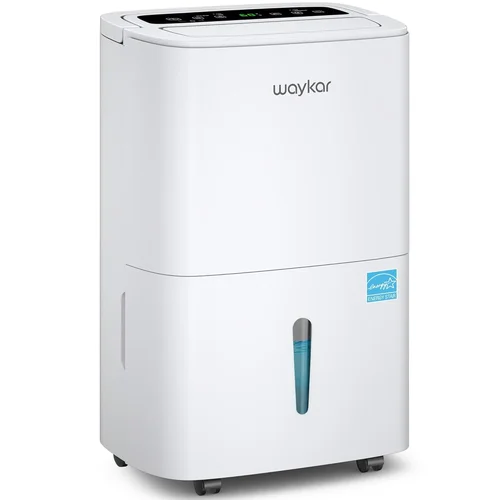
Expert Tips for Getting the Best Deal
Getting the right dehumidifier at the right price takes strategy. Here are proven tips from HVAC professionals and savvy shoppers:
1. Buy During Off-Season: Dehumidifiers are in highest demand during humid summer months. Prices often drop in fall and winter. Look for sales around Black Friday, post-holiday clearance, or early spring before demand picks up.
2. Shop Online for Better Selection and Prices: Retailers like Amazon, Home Depot, and Lowe’s often have exclusive models, customer reviews, and competitive pricing. Online stores also make it easy to compare specs side-by-side.
3. Check for Rebates and Incentives: Some utility companies offer rebates for ENERGY STAR dehumidifiers. Check your local provider’s website—you could save $25–$100 instantly.
4. Read the Fine Print on Warranties: A longer warranty is great, but only if it covers key components. Some brands exclude the compressor or charge for labor. Choose extended warranties only if they add real value.
5. Test Before Committing: If buying in-store, ask to see a demo unit. Check noise level, ease of tank removal, and control layout. For online purchases, ensure the return policy allows testing (most do within 30 days).
6. Consider Refurbished or Open-Box Models: Reputable retailers sell certified refurbished dehumidifiers at 20–40% off. These are tested, cleaned, and often come with warranties. Great for budget-conscious buyers.
7. Bundle with Other Purchases: Some retailers offer discounts when you buy a dehumidifier with an air purifier, humidifier, or HVAC service. Look for package deals during seasonal promotions.
8. Monitor Price Drops: Use tools like Honey, CamelCamelCamel (for Amazon), or Google Shopping alerts to track price changes on models you’re interested in.

Frequently Asked Questions
Q: What humidity level should I set my dehumidifier to?
A: For most homes, aim for 30%–50% relative humidity. In basements or damp areas, 40%–50% is ideal. Avoid going below 30%, as it can dry out the air and increase static. Use a hygrometer to monitor levels and adjust accordingly.
Q: Should I run my dehumidifier all the time?
A: Not necessarily. Use the humidistat to maintain your target humidity. The unit will cycle on and off as needed. In very humid climates or during rainy seasons, it may run frequently, but constant 24/7 operation is rarely necessary and wastes energy.
Q: Can a dehumidifier help with mold?
A: Yes, but only if humidity is consistently controlled below 60%. A dehumidifier prevents new mold growth by reducing moisture. However, existing mold must be cleaned professionally—dehumidifiers don’t remove mold, only the conditions that allow it to grow.
Q: How often should I empty the water tank?
A: It depends on the tank size and humidity level. Most 30–50 pint units have 1–2 gallon tanks that need emptying every 12–24 hours in high humidity. Use continuous drainage to avoid manual emptying.
Q: Is a bigger dehumidifier always better?
A: Not always. A unit too large for your space may short-cycle (turn on/off rapidly), reducing efficiency and lifespan. Match the capacity to your room size and moisture level for optimal performance.
Q: Do dehumidifiers use a lot of electricity?
A: They can. A typical 50-pint unit uses 500–700 watts. ENERGY STAR models are more efficient. To reduce costs, use timers, maintain proper settings, and ensure good airflow around the unit.
Q: Can I use a dehumidifier in winter?
A: Yes, but only if the temperature stays above 65°F. Most compressor units have a defrost function for colder temps. Desiccant models work better in cold environments like garages or crawl spaces.
Q: How do I know if my dehumidifier is working?
A: Check the humidity with a hygrometer. If levels drop over time and the unit cycles on/off, it’s working. Listen for the compressor and fan. If it runs constantly without reducing humidity, it may be undersized or have a fault.
Q: Should I buy a dehumidifier with a built-in pump?
A: A built-in condensate pump is useful if you can’t gravity-drain the water (e.g., in a basement with no floor drain). It allows the unit to pump water vertically or over long distances. Worth the extra cost if drainage is a challenge.
Q: Can I use a dehumidifier in an unheated basement?
A: Only if the temperature stays above 60°F. Below that, compressor units may ice up. Desiccant dehumidifiers or models with cold-weather operation are better for unheated spaces.
Our Final Recommendations
After extensive research and testing, here are our top picks across different categories:
Best for Budget-Conscious Buyers: hOmeLabs 30 Pint Dehumidifier – At under $200, this unit offers excellent performance for small to medium spaces. It includes a humidistat, continuous drainage, and a washable filter. Great value for the price.
Best Overall Value: Frigidaire FFAD7033R1 70 Pint Dehumidifier – A powerful, ENERGY STAR-certified model ideal for large basements. It removes up to 70 pints per day, has a built-in pump, and runs quietly. Reliable and efficient.
Best Premium Option: AprilAire E130 Whole-House Dehumidifier – Designed for whole-home integration, this unit provides consistent humidity control, high efficiency, and a 5-year warranty. Perfect for humid climates or new homes.
Best for Beginners: GE APER50LZ 50 Pint Dehumidifier – Easy to set up and use, with clear controls, auto-restart, and a large tank. Ideal for first-time buyers or those in moderately damp areas.
Best for Advanced Users: Midea MAD50C1ZWS Smart Dehumidifier – Wi-Fi enabled, app-controlled, and compatible with Alexa and Google Assistant. Offers precise humidity tracking, energy reports, and remote monitoring. Great for tech-savvy homeowners.
Conclusion: Making the Right Choice
Choosing the best dehumidifier settings isn’t just about turning a dial—it’s about understanding your environment, your needs, and how the technology works. From selecting the right size and type to configuring humidity levels and maintaining the unit, every decision impacts performance, efficiency, and longevity. This guide has equipped you with the knowledge to avoid common pitfalls, compare options wisely, and invest in a solution that delivers real results.
Remember, the goal isn’t just to remove moisture—it’s to create a healthier, more comfortable living space. Whether you’re fighting mold in a basement, protecting wooden floors from warping, or simply breathing easier, the right dehumidifier, set correctly, can make a world of difference. Don’t rush the decision. Prioritize your specific needs, read reviews, and consider long-term value over short-term savings.
Now it’s your turn. Use this guide to compare models, set your ideal humidity level, and enjoy the benefits of balanced indoor air. A drier, fresher home is within reach—start today.