
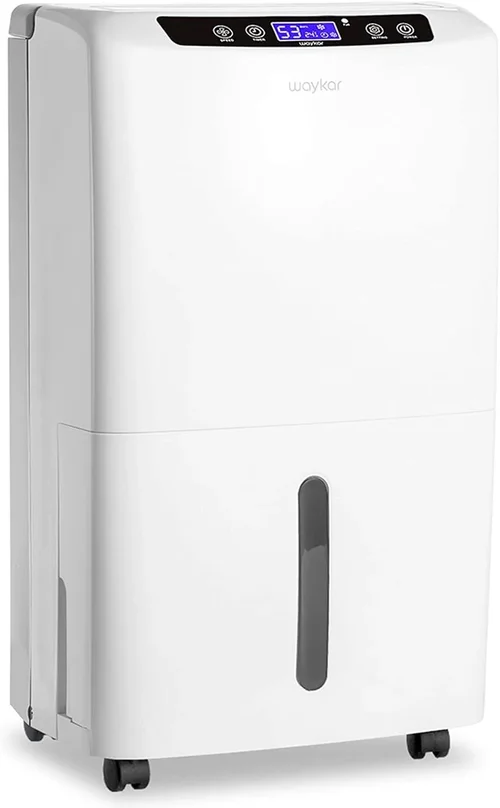
When it comes to maintaining a healthy, comfortable indoor environment, few appliances are as quietly essential as a dehumidifier. Whether you’re battling musty odors in a basement, preventing mold growth in a humid climate, or simply trying to improve air quality in a damp laundry room, the right dehumidifier can make a world of difference. Among the most popular and practical options on the market today are 30-pint dehumidifiers—offering a balanced mix of capacity, efficiency, and affordability for average-sized spaces. These units are ideal for rooms ranging from 500 to 1,500 square feet, making them a go-to choice for homeowners, renters, and property managers alike.
But with dozens of models from a wide range of brands—each boasting different features, energy ratings, and price points—choosing the best 30-pint dehumidifier can quickly become overwhelming. That’s where this comprehensive buying guide comes in. Whether you’re a first-time buyer or upgrading from an older unit, this guide is designed to cut through the noise and deliver expert-level insights to help you make a confident, informed decision. We’ll walk you through everything you need to know: from understanding key performance specs and evaluating build quality to comparing top brands and avoiding common purchasing pitfalls.
In this guide, you’ll learn how to assess your specific needs, identify the most important features for your situation, and determine how much you should realistically spend. We’ll also compare different types of 30-pint dehumidifiers, highlight common mistakes to avoid, and provide actionable tips for getting the best deal. By the end, you’ll have a clear roadmap to finding a reliable, efficient, and long-lasting dehumidifier that fits your space, budget, and lifestyle. With the right information at your fingertips, you can say goodbye to excess humidity and hello to fresher, healthier air.
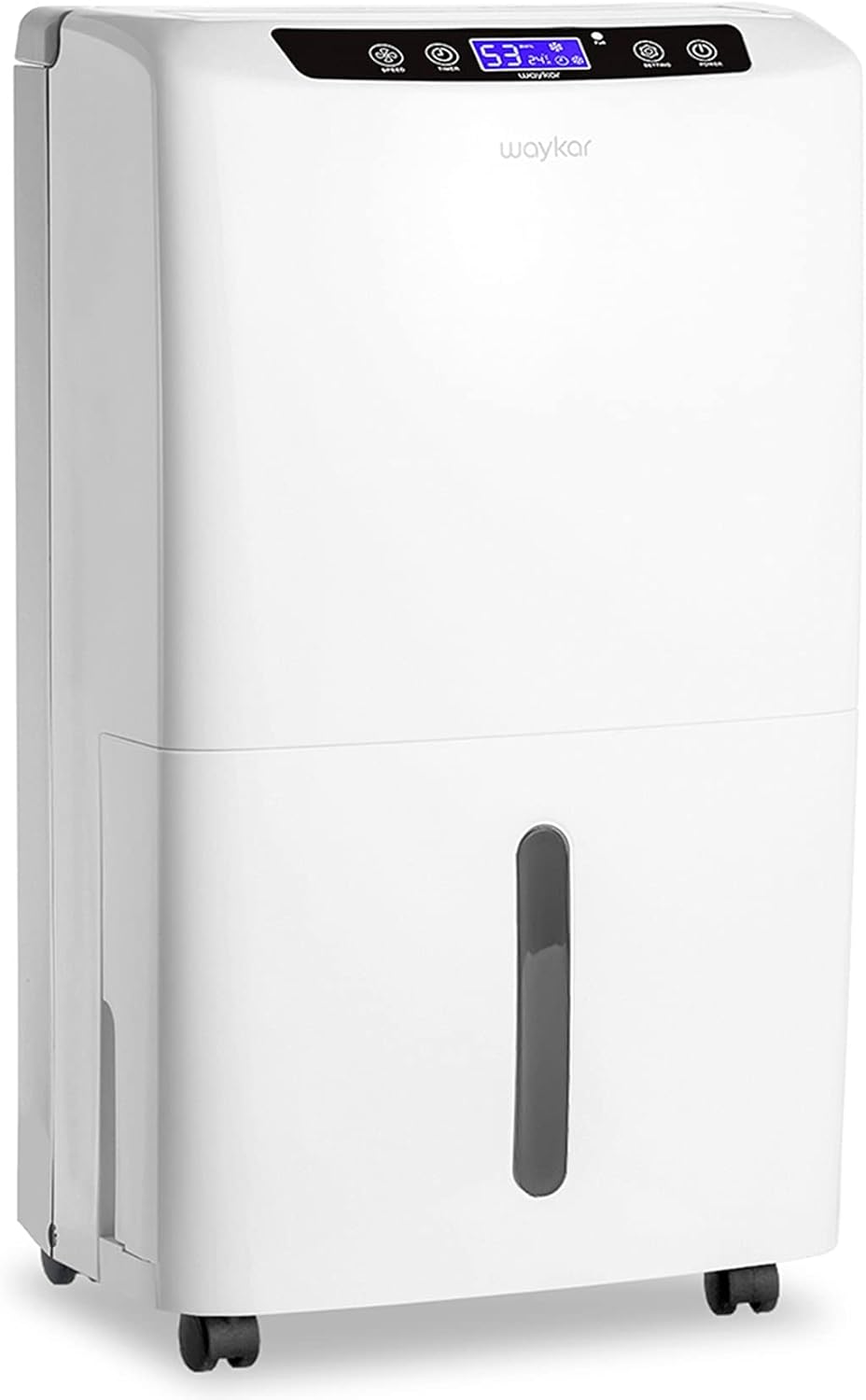
What to Look for When Buying Buying Guide
1. Budget & Price Range
One of the first and most important considerations when shopping for a 30-pint dehumidifier is your budget. Prices for these units can vary significantly—from under $150 for basic models to over $400 for high-end versions with advanced features. While it might be tempting to go for the cheapest option, it’s crucial to understand what you’re getting (or not getting) at different price points. Entry-level models often lack energy efficiency, durable components, or smart controls, which can lead to higher long-term costs in electricity and maintenance.
A mid-range dehumidifier, typically priced between $200 and $300, usually offers the best balance of performance, reliability, and value. These models often include Energy Star certification, automatic shut-off, and basic digital controls. Premium units above $300 may feature Wi-Fi connectivity, dual-speed compressors, larger water tanks, or enhanced filtration systems. When setting your budget, consider not just the upfront cost but also long-term operating expenses, including energy consumption and potential repairs.
2. Performance Specifications
Performance is the heart of any dehumidifier, and for 30-pint models, it’s essential to look beyond the advertised capacity. The “30-pint” rating refers to the amount of moisture the unit can remove in a 24-hour period under standard testing conditions (80°F and 60% relative humidity). However, real-world performance can vary based on temperature, humidity levels, and room size. For example, in cooler basements (below 65°F), some compressors may struggle to operate efficiently, reducing actual output.
Key performance metrics to evaluate include:
- Actual Pint Capacity: Check independent reviews or manufacturer data for real-world performance, especially in cooler environments.
- Energy Efficiency Ratio (EER): Measured in liters per kilowatt-hour (L/kWh), a higher EER means lower energy consumption. Energy Star-certified models typically remove 1.8–2.2 liters per kWh.
- Coverage Area: Most 30-pint units are rated for 500–1,500 sq. ft., but this depends on humidity levels. High-humidity areas (like coastal regions) may require a more powerful unit.
- Airflow Rate (CFM): Measured in cubic feet per minute, higher CFM means better air circulation and faster dehumidification.
Also consider whether the unit uses a standard compressor or a newer desiccant technology. Compressor-based models are more common and efficient in warm, humid conditions, while desiccant dehumidifiers perform better in cooler temperatures but tend to be noisier and less energy-efficient.
3. Build Quality & Durability
A dehumidifier is a long-term investment, so build quality matters. Look for models with sturdy, rust-resistant materials—especially in the water tank, coils, and exterior housing. Cheaper units often use thin plastic that can crack or warp over time, particularly in damp environments like basements. High-quality dehumidifiers typically feature reinforced tanks, anti-corrosion coatings, and robust internal components designed to withstand daily use.
Pay attention to the type of compressor used. Rotary compressors are generally quieter and more durable than reciprocating ones, making them ideal for living spaces. Additionally, check for features like automatic defrost, which prevents ice buildup on coils in cold environments, and washable or replaceable air filters that help maintain efficiency and air quality.
Durability also extends to the warranty. A longer warranty period (3–5 years) often indicates the manufacturer’s confidence in the product. Avoid brands that offer only a 1-year warranty unless they have a strong reputation for reliability.
4. Features & Functionality
Modern 30-pint dehumidifiers come with a range of features that can significantly enhance convenience and performance. While not all are essential, some can make a big difference in daily use. Key features to consider include:
- Digital Humidistat: Allows you to set and maintain a specific humidity level (e.g., 45–50%). Units with precise controls (±3% accuracy) offer better comfort and energy savings.
- Automatic Shut-Off & Full Tank Alert: Prevents overflow when the water tank is full. Some models include audible alarms or indicator lights.
- Continuous Drain Option: Lets you connect a garden hose for hands-free operation, ideal for basements or unattended areas.
- Programmable Timer: Enables you to set the unit to run at specific times (e.g., during off-peak hours).
- Wi-Fi & Smart Controls: High-end models may offer app-based control, remote monitoring, and integration with smart home systems like Alexa or Google Home.
- Multi-Speed Fans: Allow you to adjust airflow for quieter operation or faster drying.
- Air Filtration: Built-in filters (HEPA, carbon, or washable mesh) help remove dust, allergens, and odors from the air.
While smart features are appealing, they often come at a premium. Ask yourself whether you’ll actually use them or if you’d prefer to save money on a simpler, more reliable model.
5. Brand Reputation
Not all dehumidifier brands are created equal. Some have built strong reputations for reliability, customer service, and innovation, while others prioritize low cost over quality. Established brands like Frigidaire, Honeywell, GE, and LG consistently rank highly in customer satisfaction and product durability. These companies often invest in better engineering, longer warranties, and responsive support teams.
Emerging brands or generic labels may offer attractive prices, but they often lack the track record to back up their claims. Before buying, research brand reviews on trusted platforms like Consumer Reports, Wirecutter, or Amazon. Look for patterns in feedback—repeated complaints about leaks, compressor failure, or poor customer service are red flags.
Also consider availability of replacement parts and service centers. A brand with widespread support will make maintenance and repairs much easier down the line.
6. Warranty & Support
A solid warranty is a strong indicator of a manufacturer’s confidence in their product. Most reputable 30-pint dehumidifiers come with a 1- to 2-year limited warranty, but some premium models offer up to 5 years of coverage. Pay attention to what’s included: does it cover the compressor, coils, and electrical components? Is labor included, or do you have to ship the unit back at your expense?
Customer support is equally important. Check if the company offers phone, email, or live chat support, and read reviews about response times and helpfulness. Brands with dedicated support teams and detailed online resources (FAQs, troubleshooting guides, video tutorials) tend to provide a better ownership experience.
If you’re buying from a third-party seller (e.g., Amazon, Walmart), confirm that the warranty is honored and that returns are straightforward. Some manufacturers only honor warranties when purchased through authorized retailers.
7. Size & Portability
Even though 30-pint dehumidifiers are generally compact, size and portability still matter—especially if you plan to move the unit between rooms. Look for models with built-in handles and smooth-rolling casters. Weight can range from 30 to 50 pounds, so consider how easy it will be to lift or transport.
Dimensions are also important if space is limited. Measure the area where you plan to place the dehumidifier, including clearance for airflow (typically 6–12 inches on all sides). Some units are designed to fit under sinks or in tight corners, while others require more open space.
Noise level is another portability factor. If you’re placing the unit in a bedroom or living area, look for models with a decibel rating below 50 dB. Quieter units often use insulated cabinets or variable-speed fans to reduce sound.
8. User Reviews & Ratings
While specifications and features are important, real-world performance is best judged by user reviews. Platforms like Amazon, Home Depot, and Best Buy offer thousands of customer insights that can reveal strengths and weaknesses not mentioned in marketing materials. Look for reviews that mention:
- Actual moisture removal in different conditions (e.g., basements, crawl spaces)
- Energy consumption compared to estimates
- Noise levels during operation
- Reliability over time (e.g., “still working after 3 years”)
- Customer service experiences
Be cautious of overly positive or negative reviews that seem fake. Look for detailed, balanced feedback from verified purchasers. A product with a 4.5-star average and hundreds of reviews is generally more trustworthy than one with a 5-star rating and only a handful of comments.
Different Types of Buying Guide

Common Buying Mistakes to Avoid
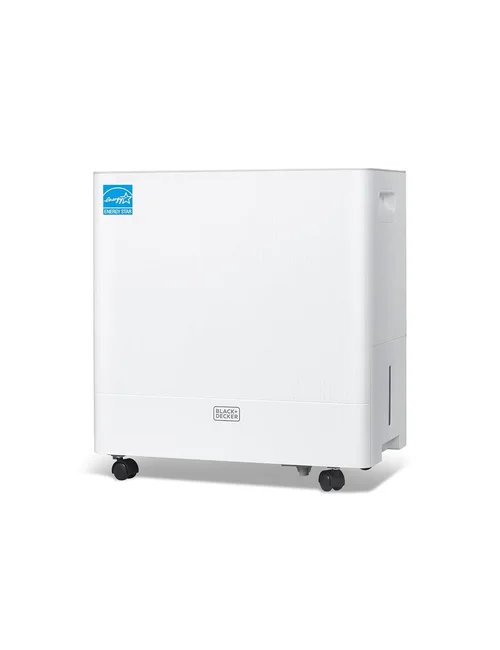
❌ Mistake: Choosing Based Solely on Price
Why it’s bad: The cheapest dehumidifier may save you $50 upfront but could cost you more in the long run due to higher energy bills, frequent repairs, or premature failure. Low-cost models often use inferior components and lack essential features like automatic shut-off or defrost.
What to do instead: Focus on value, not just price. Look for models with Energy Star certification, solid warranties, and positive user reviews. A mid-range unit often pays for itself in efficiency and durability.
❌ Mistake: Ignoring Room Size and Humidity Level
Why it’s bad: A 30-pint dehumidifier may be too small for a large, extremely humid space (like a flooded basement), leading to constant running and poor results. Conversely, it might be overkill for a small closet, wasting energy.
What to do instead: Assess your space honestly. Use a hygrometer to measure humidity levels. For high-humidity areas (above 60%), consider a 50-pint model. For moderate humidity in a 1,000 sq. ft. room, 30 pints is usually sufficient.
❌ Mistake: Overlooking Noise Levels
Why it’s bad: Dehumidifiers can be noisy, especially desiccant models or those with loud compressors. Placing a loud unit in a bedroom or living room can disrupt sleep and daily activities.
What to do instead: Check the decibel (dB) rating—ideally below 50 dB for quiet operation. Read user reviews about noise, as manufacturer specs can be misleading.
❌ Mistake: Not Considering Drainage Options
Why it’s bad: If you forget to empty the water tank regularly, the unit will shut off, defeating its purpose. This is especially problematic in basements or vacation homes.
What to do instead: Choose a model with a continuous drain hose option. Even if you don’t use it immediately, it’s a valuable feature for future needs.
❌ Mistake: Skipping the Warranty Check
Why it’s bad: Dehumidifiers have mechanical parts that can fail. Without a good warranty, you could be stuck with repair costs or a replacement.
What to do instead: Always verify the warranty length and coverage. Prefer brands that offer at least 2 years, with compressor coverage included.
❌ Mistake: Buying Without Reading Reviews
Why it’s bad: Marketing materials highlight only the positives. Real users often reveal hidden flaws like leaks, poor customer service, or inaccurate humidity sensors.
What to do instead: Spend time reading detailed reviews from verified buyers. Look for patterns in feedback to make an informed decision.
❌ Mistake: Ignoring Energy Efficiency
Why it’s bad: A dehumidifier that runs 24/7 can significantly increase your electricity bill, especially if it’s not energy-efficient.
What to do instead: Look for the Energy Star label and check the L/kWh rating. Even a small difference in efficiency can save $20–$50 per year.
Budget Guidelines: How Much Should You Spend?
- Entry-Level ($120–$180): Basic models with limited features, shorter warranties, and lower build quality. Suitable for occasional use in small spaces. Expect higher noise and lower efficiency. Examples include generic brands or older Frigidaire models.
- Mid-Range ($180–$280): The sweet spot for most buyers. These units offer Energy Star certification, digital controls, automatic shut-off, and reliable performance. Brands like Honeywell, GE, and Frigidaire dominate this category. Ideal for daily use in basements, laundry rooms, or living areas.
- Premium ($280–$380): For those who want advanced features and top-tier performance. Look for Wi-Fi connectivity, dual-speed fans, larger tanks (2+ gallons), and enhanced filtration. These models are built to last and often come with 3–5 year warranties. Great for tech enthusiasts or high-humidity environments.
- Luxury ($380+): Top-of-the-line units with commercial-grade components, ultra-quiet operation, and smart home integration. These are overkill for most homes but ideal for large properties, rental units, or users who prioritize convenience and automation.
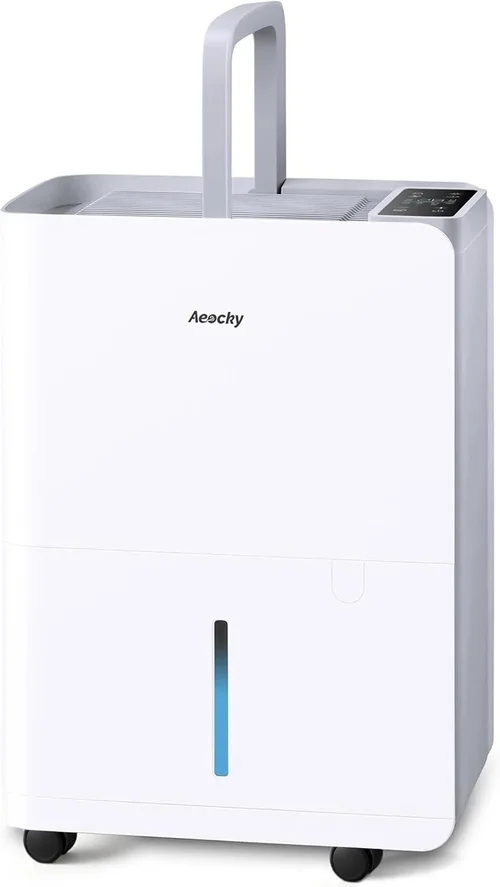
Expert Tips for Getting the Best Deal
- Buy During Off-Peak Seasons: Dehumidifiers are most expensive in summer. Shop in late fall or winter for discounts of 20–30%.
- Compare Retailers: Check prices at Home Depot, Lowe’s, Amazon, and Costco. Online retailers often have better deals, but in-store purchases may include free delivery or setup.
- Use Price Tracking Tools: Tools like Honey or CamelCamelCamel can alert you when prices drop on Amazon or other sites.
- Check for Bundled Deals: Some retailers offer discounts when you buy a dehumidifier with an air purifier or humidifier.
- Read the Fine Print on Returns: Ensure the return window is at least 30 days and that opened items can be returned. Some stores charge restocking fees.
- Test Before Committing: If possible, run the unit for a few days to check noise, performance, and ease of use. Most retailers allow returns if the product doesn’t meet expectations.
- Register Your Product: After purchase, register your dehumidifier with the manufacturer to activate the warranty and receive service updates.
- Maintain Regularly: Clean the filter monthly, empty the tank, and inspect for mold or leaks. Proper maintenance extends lifespan and keeps efficiency high.

Frequently Asked Questions
Q: How much water does a 30-pint dehumidifier actually remove per day?
A: Under standard testing conditions (80°F, 60% humidity), a 30-pint dehumidifier removes 30 pints (about 3.75 gallons) of moisture in 24 hours. In real-world use, especially in cooler or less humid environments, output may be lower—typically 15–25 pints per day.
Q: Can a 30-pint dehumidifier run 24/7?
A: Yes, but it’s not always necessary. Most units have a humidistat that turns the compressor on and off to maintain your set humidity level. Running continuously increases energy use and wear on components. Use a timer or smart features to optimize usage.
Q: Is a 30-pint dehumidifier enough for a basement?
A: It depends on the basement size and humidity level. For a 1,000 sq. ft. basement with moderate humidity, a 30-pint unit is usually sufficient. For larger or very damp basements, consider a 50-pint model or one with a continuous drain.
Q: Do dehumidifiers use a lot of electricity?
A: It varies. An Energy Star-certified 30-pint dehumidifier uses about 300–400 watts. Running it 8 hours a day costs roughly $10–$15 per month, depending on local electricity rates. Look for models with high L/kWh ratings to minimize costs.
Q: Can I use a dehumidifier in winter?
A: Yes, but compressor-based models may struggle below 65°F due to frost buildup. Desiccant dehumidifiers work better in cold conditions. If using in winter, choose a model with automatic defrost or a desiccant type.
Q: How often should I empty the water tank?
A: It depends on humidity levels. In high-humidity areas, you may need to empty it daily. Models with continuous drain hoses eliminate this task. Most units have a 1–2 gallon tank, which fills in 12–24 hours under heavy use.
Q: Are dehumidifiers noisy?
A: Noise levels range from 45 dB (quiet) to 60 dB (moderate). Compressor models are generally quieter than desiccant ones. Check the dB rating and user reviews before buying.
Q: Can a dehumidifier help with allergies?
A: Yes. By reducing humidity, dehumidifiers inhibit mold, dust mites, and mildew—common allergens. Units with HEPA or carbon filters provide additional air-cleaning benefits.
Q: Should I buy a dehumidifier with a built-in pump?
A: A built-in pump allows you to drain water upward (e.g., into a sink or window), which is useful if your drain is higher than the unit. It’s a valuable feature for basements without floor drains.
Q: How long do dehumidifiers last?
A: With proper maintenance, most dehumidifiers last 5–10 years. Compressor failure is the most common issue. Regular cleaning and avoiding extreme temperatures can extend lifespan.
Our Final Recommendations
- Best for Budget-Conscious Buyers: Frigidaire FFAD3033W1 – Reliable, Energy Star certified, and priced under $200. Great for small to mid-sized rooms with basic features and solid performance.
- Best Overall Value: Honeywell TP50WKN – Priced around $250, this model offers excellent efficiency, a 1.8-gallon tank, continuous drain, and a 5-year warranty. Ideal for most homeowners.
- Best Premium Option: LG PuriCare 30-Pint Smart Dehumidifier – Features Wi-Fi control, app monitoring, and a sleek design. Priced around $350, it’s perfect for tech-savvy users who want convenience and performance.
- Best for Beginners: GE ADEL30LZ – Simple controls, quiet operation, and easy setup. Great for first-time buyers who want a no-fuss solution.
- Best for Advanced Users: hOmeLabs 30-Pint with Built-in Pump – Includes a powerful pump for upward drainage, dual-speed fan, and robust build. Ideal for basements and professional use.
Conclusion: Making the Right Choice
Choosing the best 30-pint dehumidifier doesn’t have to be overwhelming. By focusing on your specific needs—room size, humidity level, budget, and desired features—you can narrow down the options and find a unit that delivers reliable performance and long-term value. Remember, the cheapest model isn’t always the best deal, and the most expensive one may offer features you don’t need. Prioritize energy efficiency, build quality, and user feedback to make a smart investment.
Take the time to read reviews, compare warranties, and consider how you’ll use the dehumidifier day to day. Whether you’re tackling basement dampness, improving indoor air quality, or protecting your home from mold, the right 30-pint dehumidifier can make a noticeable difference in your comfort and health. Use this guide as your roadmap, and you’ll be well on your way to breathing easier and living better.