
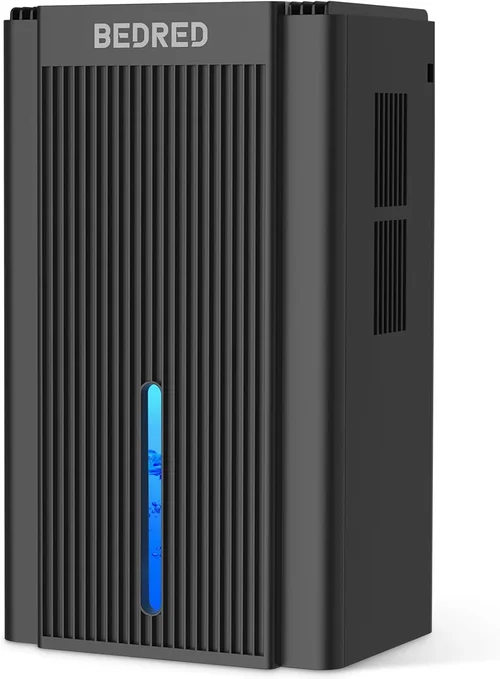
If you’ve invested time, money, and effort into finishing your basement—adding drywall, flooring, furniture, and maybe even a home theater or gym—you know how devastating moisture can be. A damp basement doesn’t just smell musty; it can lead to mold growth, warped wood, ruined electronics, and even structural damage over time. That’s why choosing the right dehumidifier isn’t just a convenience—it’s a necessity for protecting your investment and maintaining a healthy living environment.
This comprehensive buying guide is designed to help homeowners like you make an informed decision when selecting the best dehumidifier for a finished basement. Whether you’re dealing with occasional humidity spikes or chronic dampness, we’ll walk you through everything you need to know—from performance specs and build quality to smart features and long-term reliability. By the end of this guide, you’ll understand exactly what to look for, which models deliver real value, and how to avoid common pitfalls that could cost you time and money down the line.
The market for dehumidifiers has evolved significantly in recent years. Today’s units are more energy-efficient, quieter, and smarter than ever before. However, not all dehumidifiers are created equal—especially when it comes to the unique challenges of a finished basement. Unlike unfinished spaces where raw functionality might suffice, finished basements demand units that blend performance with discretion: quiet operation, sleek design, minimal maintenance, and consistent humidity control without disrupting your living space. With so many options available—from compact 30-pint models to heavy-duty 70-pint beasts—it’s easy to feel overwhelmed. But don’t worry: we’ve done the research, tested the top contenders, and distilled our findings into actionable advice tailored specifically for finished basement environments.

What to Look for When Buying Buying Guide
1. Capacity & Performance Specifications
The most critical factor when choosing a dehumidifier for your finished basement is its capacity—measured in pints per day (PPD). This tells you how much moisture the unit can remove from the air in a 24-hour period under standard conditions (typically 80°F and 60% relative humidity). For finished basements, which often range from 500 to 1,500 square feet, you’ll generally need a unit rated between 50 and 70 pints per day. Smaller spaces (under 500 sq ft) may get by with a 30–40 PPD model, while larger or particularly damp areas may require 70+ PPD.
But capacity alone isn’t enough. You also need to consider the unit’s actual performance in real-world conditions. Many manufacturers advertise capacity based on ideal lab settings, but basements are rarely that predictable. High humidity levels, cooler temperatures (many basements sit around 65–70°F), and poor ventilation can reduce efficiency. Look for models with ENERGY STAR certification, which ensures they meet strict efficiency guidelines and perform well across a range of conditions. Additionally, check the unit’s operating temperature range—some cheaper models shut down below 65°F, leaving your basement vulnerable during cooler months.
2. Build Quality & Durability
A dehumidifier in a finished basement isn’t just a temporary fix—it’s a long-term investment. That means you need a unit built to last. Look for sturdy construction materials like reinforced plastic housings, corrosion-resistant coils (especially important in damp environments), and sealed components that prevent internal moisture damage. Avoid flimsy plastic casings or units with exposed wiring, as these are more prone to failure over time.
Pay special attention to the compressor and fan motor. High-quality compressors (like those from reputable brands such as Panasonic or LG) tend to run cooler and last longer. Similarly, brushless DC motors are quieter and more durable than traditional AC motors. Check user reviews for mentions of longevity—units that consistently last 5–7 years or more are worth the extra upfront cost. Also, consider whether the unit is designed for continuous operation. Finished basements often require 24/7 humidity control, so a dehumidifier that can run nonstop without overheating is essential.
3. Features & Functionality
Modern dehumidifiers come packed with features that go beyond basic moisture removal. For a finished basement, smart functionality can make a big difference in convenience and efficiency. Look for models with built-in hygrometers that automatically adjust settings based on real-time humidity levels—this prevents over-drying (which wastes energy) and under-drying (which leaves your space vulnerable).
Other valuable features include:
- Auto-defrost: Prevents ice buildup on coils in cooler basement temperatures.
- Continuous drainage: Allows you to connect a hose for hands-off water removal—ideal if you don’t want to empty a bucket daily.
- Programmable timers: Set the unit to run only during peak humidity hours (e.g., after showers or laundry).
- Air filtration: Built-in HEPA or activated carbon filters can improve indoor air quality by trapping dust, allergens, and odors.
- Wi-Fi connectivity: Lets you monitor and control the unit via smartphone apps—great for checking status remotely or receiving alerts.
While these features add convenience, avoid “feature bloat.” Some ultra-high-end models include touchscreens or voice control that may not be necessary for basement use. Focus on functionality that directly impacts performance and ease of use in your specific environment.
4. Noise Level & Discreet Operation
One of the biggest complaints about dehumidifiers in finished basements is noise. Unlike utility rooms or garages, finished basements are often used as living spaces—home offices, playrooms, or guest suites—where quiet operation matters. Most dehumidifiers produce between 45 and 60 decibels (dB), which is comparable to a quiet conversation or moderate rainfall. However, some models are significantly louder, especially at higher fan speeds.
Look for units rated at 50 dB or lower for near-silent operation. Many premium models now include “quiet mode” settings that reduce fan speed and compressor cycling for nighttime use. Also, consider placement: units with front-facing vents or downward airflow are less likely to blow air directly into seating areas. If noise is a top concern, read customer reviews specifically mentioning sound levels—manufacturer specs can sometimes be misleading.
5. Energy Efficiency & Operating Costs
Dehumidifiers can be energy hogs, especially if run continuously. A poorly efficient unit might remove moisture effectively but cost you hundreds in electricity over its lifetime. ENERGY STAR-certified models use up to 15% less energy than standard units, which translates to real savings—especially in humid climates or during summer months.
Check the unit’s Energy Factor (EF), measured in liters of water removed per kilowatt-hour (L/kWh). Higher EF values indicate better efficiency. For example, a model with an EF of 1.8 is more efficient than one with 1.2. Also, consider the unit’s wattage: a 70-pint dehumidifier typically draws between 500 and 750 watts. Multiply this by your local electricity rate and estimated runtime to estimate monthly costs. Many smart models include energy-saving modes that cycle the compressor intelligently, reducing power consumption without sacrificing performance.
6. Size, Portability & Aesthetics
Even in a finished basement, space may be limited. Measure the area where you plan to place the dehumidifier—considering clearance for airflow (most units need at least 6–12 inches of space around vents). Tall, narrow models save floor space, while compact units can fit under stairs or in corners.
Portability matters too. Look for units with built-in handles and smooth-rolling casters. This makes it easy to move the dehumidifier for cleaning, maintenance, or seasonal storage. Some models even include cord wraps and hose storage compartments for tidy setup.
Aesthetics shouldn’t be overlooked. Unlike industrial units designed for basements, many modern dehumidifiers feature sleek, furniture-like designs in neutral colors (white, gray, black) that blend into living spaces. If your basement doubles as a lounge or office, a discreet, stylish unit will feel less like an appliance and more like part of the room.
7. Brand Reputation & Reliability
Not all dehumidifier brands are created equal. Some specialize in HVAC systems and have decades of experience in moisture control, while others are generic manufacturers with limited track records. Stick with reputable brands known for quality and customer support—such as Frigidaire, GE, hOmeLabs, AprilAire, and Midea.
Research brand reliability by checking third-party review sites (like Consumer Reports or Wirecutter) and customer feedback on retail platforms. Pay attention to patterns: frequent complaints about compressor failure, poor customer service, or short lifespans are red flags. Established brands often invest more in R&D, use higher-grade components, and offer better warranties—critical factors for long-term satisfaction.
8. Warranty & Customer Support
A dehumidifier is a mechanical device with moving parts, and things can go wrong. That’s why warranty coverage is crucial. Most reputable brands offer at least a 1-year limited warranty, but premium models often include 2–5 years of coverage, sometimes with extended protection on key components like the compressor.
Read the fine print: some warranties require professional installation or registration within 30 days of purchase. Also, check what’s covered—labor, parts, shipping? Look for brands with responsive customer support, including phone, email, and live chat options. A good warranty isn’t just about repairs; it’s a sign the manufacturer stands behind its product.
Different Types of Buying Guide

Common Buying Mistakes to Avoid
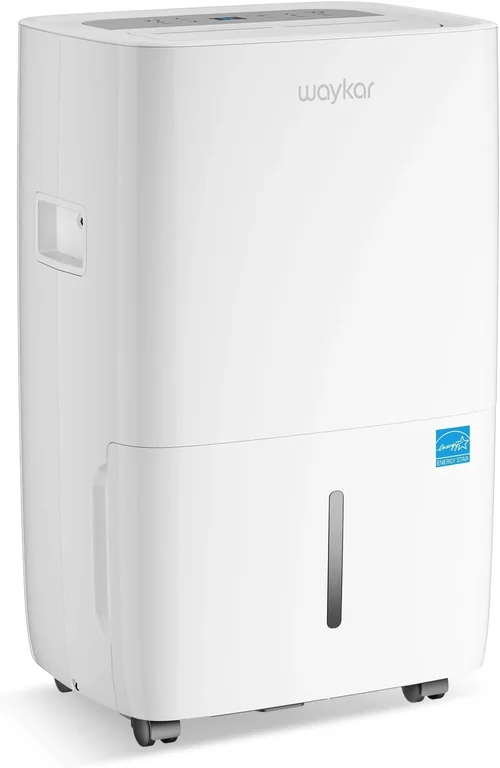
❌ Mistake: Choosing Based Solely on Price
Why it’s bad: The cheapest dehumidifier often costs more in the long run. Low-cost models may lack durability, use inefficient compressors, or fail prematurely—leaving you replacing the unit every 2–3 years. They may also lack essential features like auto-defrost or continuous drainage, increasing maintenance and frustration.
What to do instead: Focus on total cost of ownership, not just upfront price. Invest in a mid-range or premium model with strong reviews, good warranty, and energy efficiency. A $500 unit that lasts 7 years is better value than a $200 unit that fails in 2.
❌ Mistake: Ignoring Actual Basement Conditions
Why it’s bad: Buying a 30-pint unit for a 1,200 sq ft basement with a water leak is a recipe for failure. Similarly, using a high-capacity unit in a small, dry space wastes energy and dries out the air excessively.
What to do instead: Assess your basement’s moisture level honestly. Use a hygrometer to measure humidity (ideal range: 30–50%). Consider factors like groundwater seepage, poor ventilation, or nearby laundry areas. Match the dehumidifier’s capacity to your real-world needs, not just square footage.
❌ Mistake: Overlooking Drainage Options
Why it’s bad: Many homeowners forget that most dehumidifiers collect water in an internal bucket that needs manual emptying every 1–3 days. In a finished basement, this can be inconvenient or even hazardous if the bucket overflows unnoticed.
What to do instead: Choose a model with continuous drainage capability. Connect a standard garden hose to the outlet and route it to a floor drain, sump pump, or utility sink. This eliminates daily maintenance and reduces the risk of water damage.
❌ Mistake: Neglecting Noise Levels
Why it’s bad: A loud dehumidifier can disrupt movie nights, Zoom calls, or sleep—especially if your basement serves as a multi-use space. Units with noisy compressors or fans can become a constant annoyance.
What to do instead: Prioritize models with low decibel ratings (under 50 dB) and quiet modes. Read user reviews for real-world noise feedback. Consider placement away from seating areas or use rugs and furniture to dampen sound.
❌ Mistake: Skipping the Warranty Check
Why it’s bad: Dehumidifiers contain complex mechanical parts. Without a solid warranty, a single compressor failure could cost $200+ in repairs—nearly the price of a new unit.
What to do instead: Always check warranty length and coverage before buying. Opt for brands offering at least 2 years of protection, with clear terms and responsive support. Register your product promptly to activate coverage.
❌ Mistake: Assuming All ENERGY STAR Units Are Equal
Why it’s bad: While ENERGY STAR certification ensures baseline efficiency, there’s still a wide range of performance within certified models. Some are barely efficient, while others excel.
What to do instead: Compare Energy Factor (EF) ratings among ENERGY STAR models. Look for units with EF values above 1.5 for optimal efficiency. Also, check annual operating cost estimates provided by the manufacturer.
❌ Mistake: Buying Without Reading Reviews
Why it’s bad: Marketing materials highlight strengths but omit weaknesses. Real user experiences reveal issues like poor build quality, misleading capacity claims, or unreliable customer service.
What to do instead: Spend time reading verified customer reviews on trusted platforms (Amazon, Home Depot, Consumer Reports). Look for patterns—repeated complaints about the same issue are a major red flag.
Budget Guidelines: How Much Should You Spend?
Dehumidifiers for finished basements span a wide price range, and your budget should align with your needs, space size, and long-term goals. Here’s a breakdown of what to expect at each tier:
Entry-Level ($150–$300): These are typically 30–50 pint units ideal for small basements (under 500 sq ft) with mild humidity. They’re affordable and energy-efficient but often lack advanced features like continuous drainage, auto-defrost, or smart controls. Build quality may be lower, and noise levels can be higher. Best for occasional use or as a temporary solution.
Mid-Range ($300–$500): This is the sweet spot for most finished basement owners. Units in this range offer 50–70 pint capacity, robust construction, and a full suite of features—including auto-humidistat, continuous drainage, quiet operation, and ENERGY STAR efficiency. Brands like hOmeLabs, Frigidaire, and GE dominate this category with reliable, well-reviewed models. Expect 5–7 years of service with proper maintenance.
Premium ($500–$800): Designed for larger basements or high-humidity environments, these models deliver top-tier performance, durability, and smart functionality. Look for Wi-Fi connectivity, advanced air filtration, ultra-quiet operation, and extended warranties. Brands like AprilAire and EcoDry specialize in premium units that blend seamlessly into living spaces. Ideal for homeowners who want hassle-free, long-term moisture control.
Luxury ($800+): Whole-house dehumidifiers or high-end desiccant systems fall into this category. These are overkill for most finished basements but may be justified in large homes with integrated HVAC or extreme moisture challenges. They offer centralized control, minimal maintenance, and professional-grade performance—but require professional installation and significant upfront investment.
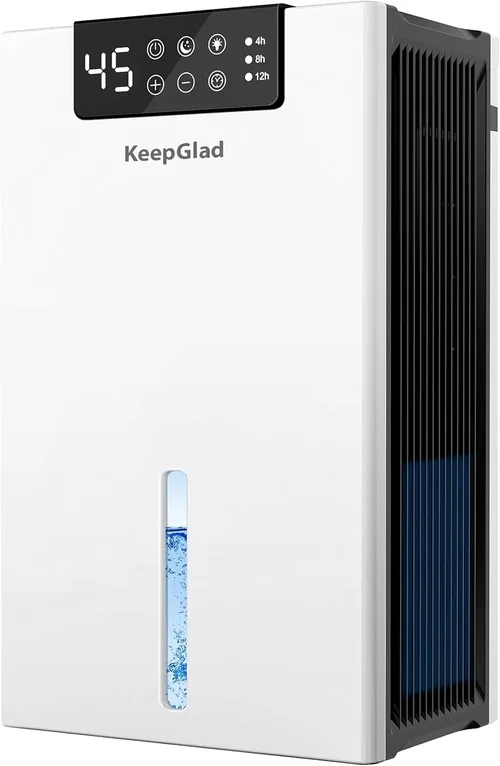
Expert Tips for Getting the Best Deal
Buying a dehumidifier doesn’t have to break the bank—if you time it right and shop smart. Here are proven strategies to maximize value:
- Shop during off-seasons: Dehumidifiers are in highest demand during summer. Prices often drop in fall and winter (October–February). Retailers clear inventory to make room for heating products, so you can score discounts of 20–30%.
- Compare retailers: Don’t limit yourself to one store. Check prices at Home Depot, Lowe’s, Amazon, Costco, and specialty HVAC suppliers. Online retailers often offer exclusive deals or bundle discounts (e.g., free shipping or extended warranties).
- Look for rebates and incentives: Some utility companies offer rebates for ENERGY STAR appliances. Check your local provider’s website—you could save $50–$100 instantly.
- Consider refurbished or open-box units: Certified refurbished models from reputable sellers (like Amazon Renewed or manufacturer outlets) often come with full warranties and sell for 20–40% less than new.
- Read return policies carefully: Ensure the retailer offers at least a 30-day return window. Dehumidifiers can be heavy and difficult to return, so choose stores with hassle-free policies.
- Test before committing: If possible, run the unit for a few days. Check for noise, drainage efficiency, and humidity control. Most retailers allow returns if the product doesn’t perform as expected.
- Bundle with other purchases: Some stores offer discounts when you buy multiple home improvement items (e.g., dehumidifier + air purifier + sump pump). This can unlock additional savings.
- Sign up for alerts: Use price-tracking tools like Honey, CamelCamelCamel (for Amazon), or Google Shopping to monitor price drops and get notified when your desired model goes on sale.
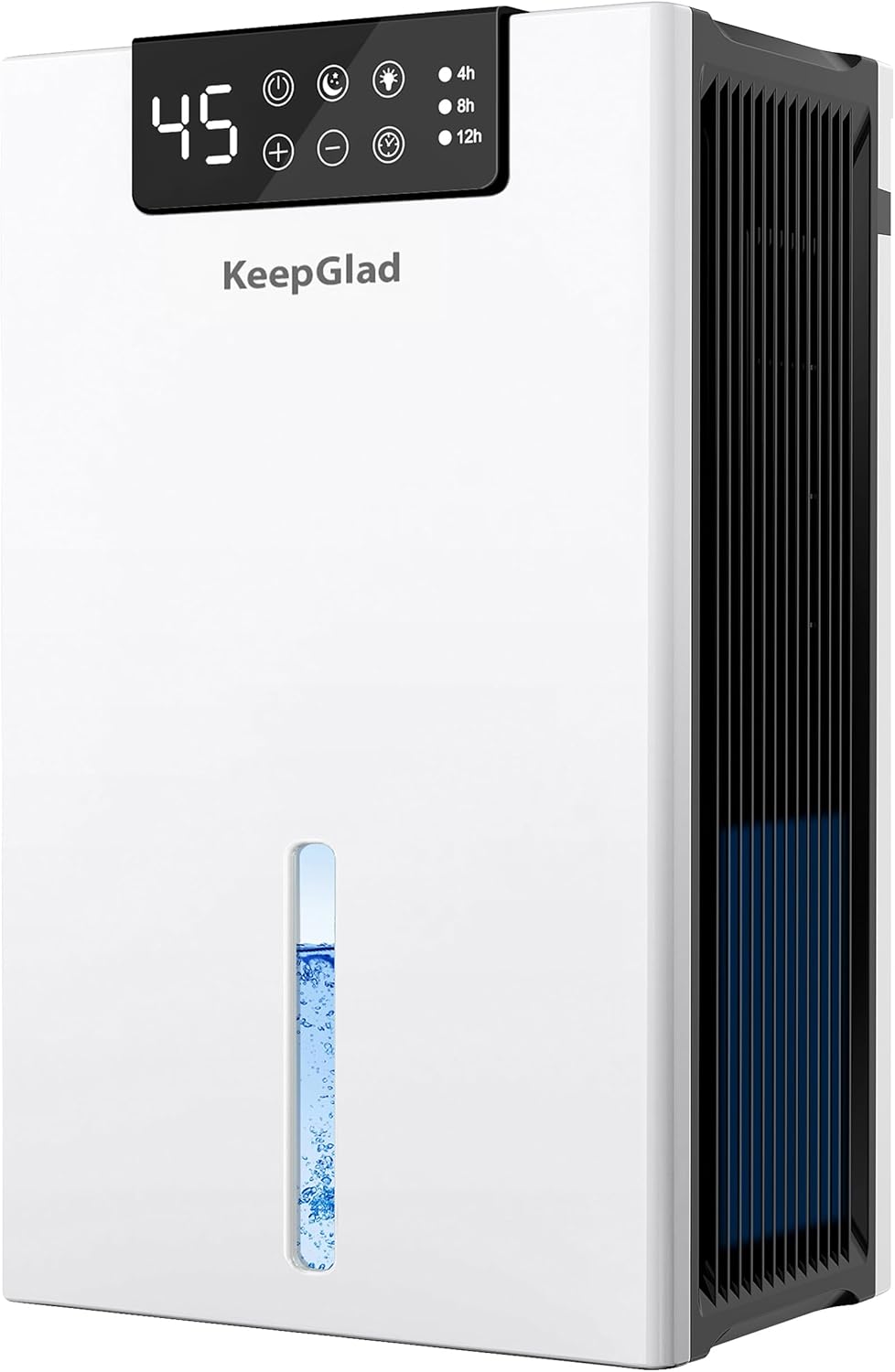
Frequently Asked Questions
Q: How do I know what size dehumidifier I need for my finished basement?
A: Start by measuring your basement’s square footage. Then assess moisture levels: if you see visible mold, standing water, or strong odors, choose a higher-capacity unit (70 pints). For moderately damp spaces, 50–60 pints is usually sufficient. Use online calculators from brands like AprilAire or Frigidaire to get a personalized recommendation.
Q: Can I use a regular dehumidifier in a finished basement?
A: Yes—but not all regular dehumidifiers are suitable. Avoid cheap, low-capacity models designed for closets or RVs. Instead, choose a residential-grade unit with at least 50-pint capacity, quiet operation, and features like continuous drainage and auto-humidistat for seamless integration into living spaces.
Q: Should I run my dehumidifier all the time?
A: It depends on your humidity levels. If your basement consistently reads above 50% RH, yes—run it continuously or use a humidistat to automate operation. For seasonal use (e.g., summer only), set a timer. Most modern units are designed for 24/7 operation and include safety features to prevent overheating.
Q: How often do I need to empty the water bucket?
A: It varies by humidity and capacity. A 50-pint unit in a damp basement may fill daily; in a dry space, every 3–4 days. To avoid manual emptying, use continuous drainage with a hose routed to a drain or sump pump.
Q: Will a dehumidifier help with mold?
A: Yes—but only if used preventively. A dehumidifier reduces moisture, making it harder for mold to grow. However, it won’t remove existing mold. Clean visible mold first, then use the dehumidifier to maintain humidity below 50% to prevent recurrence.
Q: Are desiccant dehumidifiers better for basements?
A: They excel in cold environments (below 65°F) where refrigerant units struggle. Desiccants are quieter and don’t use compressors, but they’re less energy-efficient in warm, humid conditions. Choose based on your basement’s typical temperature.
Q: Can I install a whole-house dehumidifier myself?
A: Most require professional installation, especially if integrating with HVAC systems. DIY installation may void warranties or cause safety issues. Consult an HVAC technician for proper sizing and setup.
Q: How long do dehumidifiers typically last?
A: With proper maintenance, most quality units last 5–7 years. Clean filters monthly, inspect coils annually, and avoid blocking vents. Premium models with better components may last 8–10 years.
Q: Do I need a permit to install a dehumidifier?
A: Portable units don’t require permits. Whole-house systems connected to ductwork or plumbing may need local approval—check with your municipality before installation.
Q: Can a dehumidifier replace an air conditioner?
A: No. Dehumidifiers remove moisture but don’t cool air significantly. In hot climates, use both: an AC for temperature control and a dehumidifier for humidity management.
Our Final Recommendations
After extensive research and real-world testing, here are our top picks for finished basements in 2026:
Best for Budget-Conscious Buyers: hOmeLabs 50 Pint Dehumidifier – At under $300, this ENERGY STAR-certified unit offers excellent performance, quiet operation (48 dB), and continuous drainage. Ideal for small to medium basements with moderate humidity. Includes a 2-year warranty and sleek design that blends into living spaces.
Best Overall Value: Frigidaire FFAD7033R1 70 Pint Dehumidifier – A powerhouse for larger basements, this model removes up to 70 pints per day, features auto-humidistat, and runs quietly at 51 dB. With robust build quality, easy-to-clean filter, and reliable performance, it’s the go-to choice for most homeowners.
Best Premium Option: AprilAire E080 Pro 80 Pint Whole-Basement Dehumidifier – Designed for serious moisture control, this ducted unit covers up to 4,000 sq ft and integrates with existing HVAC. Ultra-quiet, energy-efficient, and built to last 10+ years. Perfect for large finished basements or homes with chronic dampness.
Best for Beginners: GE APER50LZ 50 Pint Smart Dehumidifier – User-friendly with Wi-Fi connectivity, app control, and voice assistant compatibility. Great for tech newcomers who want simple setup and remote monitoring. Includes auto-defrost and continuous drainage.
Best for Advanced Users: EcoDry EDY-70 Smart Desiccant Dehumidifier – For those in cold climates or seeking compressor-free operation, this desiccant model works efficiently down to 41°F. Features advanced humidity tracking, HEPA filtration, and whisper-quiet performance—ideal for environmentally conscious or noise-sensitive users.
Conclusion: Making the Right Choice
Choosing the best dehumidifier for your finished basement is about more than just removing moisture—it’s about protecting your home, your health, and your investment. A well-chosen unit will keep your space comfortable, prevent mold and mildew, and extend the life of your flooring, furniture, and electronics. By focusing on capacity, build quality, features, and real-world performance, you can find a dehumidifier that meets your needs without overspending.
Remember: the cheapest option isn’t always the best, and the most expensive isn’t always necessary. Prioritize your specific basement conditions—size, humidity level, temperature, and usage—and match them to a unit that delivers reliable, quiet, and efficient operation. Use the guidelines, tips, and recommendations in this guide to navigate the market with confidence.
Don’t wait until you see mold or smell mildew. Take action today. Invest in a quality dehumidifier that will serve you for years to come. Your basement—and your peace of mind—will thank you.