
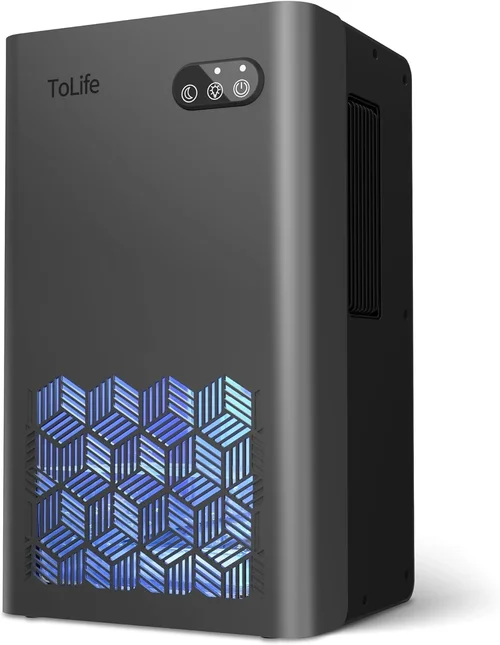
If you’ve ever walked into your living room and felt like you were stepping into a damp basement—complete with that musty smell, sticky air, or even visible condensation on the windows—you know how uncomfortable high humidity can be. It’s not just unpleasant; it can actually harm your health and your home. Excess moisture encourages mold growth, dust mites, and mildew, all of which can trigger allergies, asthma, and other respiratory issues. Plus, it can warp wood furniture, damage electronics, and ruin paint or wallpaper over time. That’s where a high-quality dehumidifier comes in—not as a luxury, but as a necessity for maintaining a healthy, comfortable indoor environment.
This comprehensive buying guide is designed to help you cut through the noise and make an informed decision when choosing the best dehumidifier for your living room in 2026. Whether you’re dealing with seasonal humidity spikes, chronic dampness, or simply want to improve your home’s air quality, we’ll walk you through everything you need to know. You’ll learn how to evaluate performance specs, understand different types of units, avoid common pitfalls, and find the right balance between price and features. By the end of this guide, you’ll have the confidence to choose a dehumidifier that fits your space, your budget, and your lifestyle—without overspending or underperforming.
The market for residential dehumidifiers has evolved significantly in recent years. Gone are the days when these appliances were bulky, noisy, and inefficient. Today’s models are smarter, sleeker, and more energy-efficient than ever, with features like Wi-Fi connectivity, auto-humidistats, and quiet operation becoming standard even in mid-tier units. Brands like Frigidaire, hOmeLabs, GE, and Tosot now offer a wide range of options tailored to different room sizes and humidity levels. With so many choices available, it’s easy to feel overwhelmed—but don’t worry. This guide will simplify the process and help you focus on what truly matters for your living room.
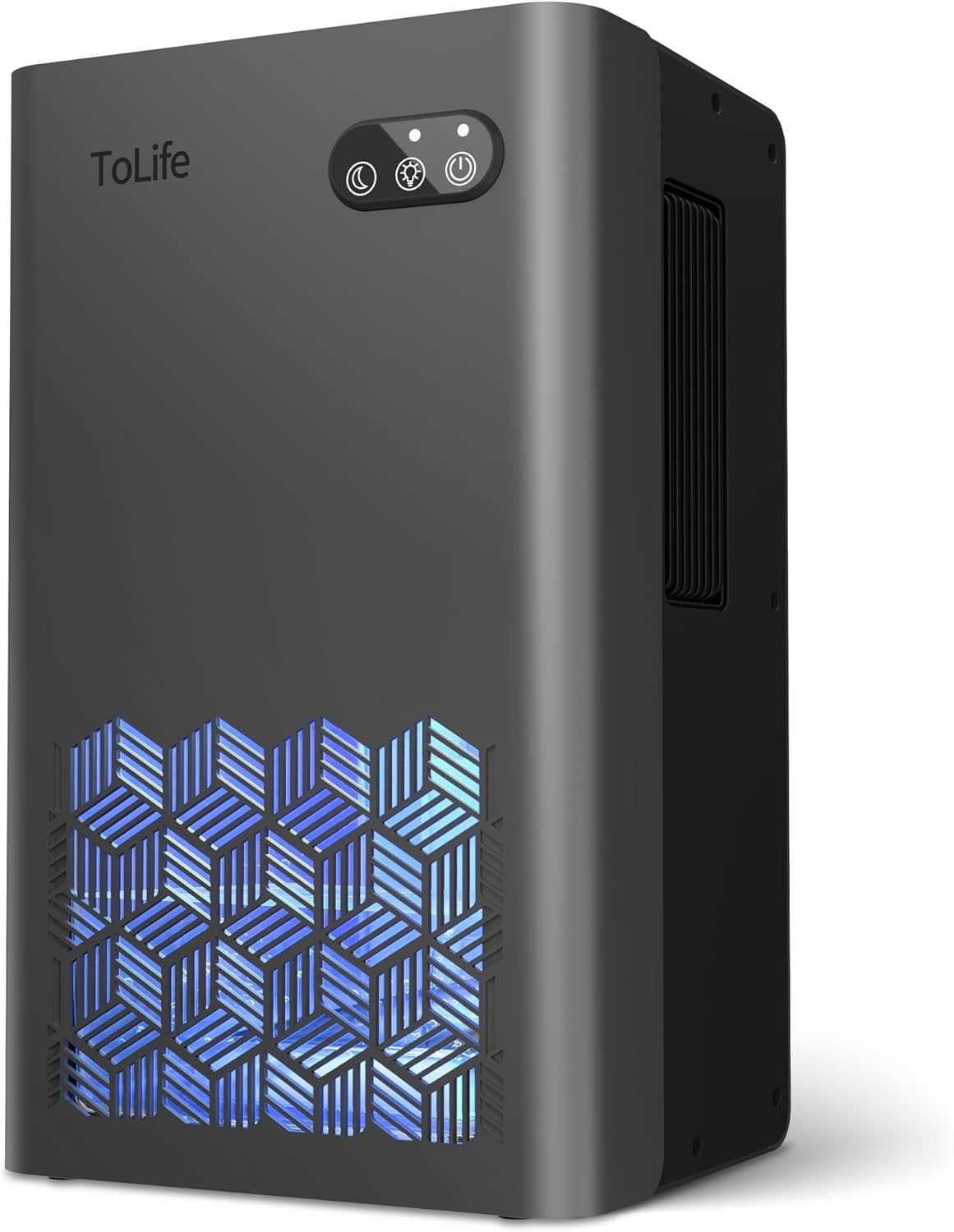
What to Look for When Buying Buying Guide
1. Capacity (Pints per Day)
The most critical factor when selecting a dehumidifier for your living room is its capacity, measured in pints of moisture removed per day (PPD). This number tells you how much water the unit can extract from the air in a 24-hour period under standard testing conditions (typically 60% relative humidity at 80°F). For a typical living room ranging from 500 to 1,500 square feet, you’ll generally want a unit rated between 30 and 50 pints per day. Smaller spaces (under 500 sq ft) may only need a 20–30 PPD model, while larger or particularly damp areas might require 50+ PPD.
Why does this matter? A dehumidifier that’s too small will struggle to keep up with moisture levels, running constantly without achieving the desired humidity. Conversely, one that’s oversized may cycle on and off too frequently, wasting energy and potentially over-drying the air—which can cause its own set of problems like dry skin or static electricity. Always match the capacity to your room size and humidity severity. If your living room has poor ventilation, frequent water spills, or is located in a humid climate (like the Southeast U.S.), lean toward the higher end of the capacity range.
2. Energy Efficiency & Operating Costs
Dehumidifiers can be energy hogs if you’re not careful. Since they often run for hours each day—especially during humid months—their electricity usage adds up quickly. Look for models with the ENERGY STAR® certification, which indicates they meet strict efficiency guidelines set by the U.S. Environmental Protection Agency. ENERGY STAR dehumidifiers use about 15% less energy than standard models, saving you money on utility bills over time.
Check the unit’s energy factor (EF), measured in liters of water removed per kilowatt-hour (L/kWh). A higher EF means better efficiency. For example, a model with an EF of 1.8 or higher is considered very efficient. Also consider the wattage: most residential dehumidifiers draw between 300 and 700 watts. While lower wattage doesn’t always mean lower operating cost (since runtime matters too), it’s a useful metric when comparing similar-capacity units. Don’t forget to factor in local electricity rates—running a 500-watt dehumidifier for 10 hours a day at $0.15/kWh costs about $22.50 per month.
3. Noise Level (Decibel Rating)
Your living room is likely a space for relaxation, conversation, or watching TV—so a noisy dehumidifier can be a major distraction. Most modern units operate between 45 and 55 decibels (dB), which is roughly equivalent to a quiet conversation or a library. However, some budget models or older units can exceed 60 dB, sounding more like a refrigerator or dishwasher.
Look for dehumidifiers with a stated noise level under 52 dB for optimal comfort. Many premium models now include “quiet mode” or “sleep mode” settings that reduce fan speed and compressor activity to minimize sound. Keep in mind that noise can vary based on placement—units placed on carpet may vibrate less than those on hardwood—but choosing a inherently quiet model gives you the best starting point.
4. Humidity Control & Sensors
A good dehumidifier shouldn’t just run nonstop—it should intelligently maintain your desired humidity level. That’s why built-in humidistats and adjustable humidity settings are essential. Look for models that allow you to set your target relative humidity (RH) between 30% and 80%, with increments as fine as 5%. The ideal indoor RH for comfort and health is typically 40%–50%.
Advanced units feature digital displays, auto-defrost (to prevent ice buildup in cooler temperatures), and even smart sensors that detect changes in ambient conditions and adjust performance accordingly. Some high-end models can connect to your home Wi-Fi and be controlled via smartphone apps, allowing you to monitor humidity levels remotely or receive alerts if the tank fills up. While not necessary for everyone, these features add convenience and precision, especially if you travel frequently or have health concerns related to humidity.
5. Tank Size & Drainage Options
Every dehumidifier collects water in an internal tank, which must be emptied manually when full. Tank size typically ranges from 1 to 2 gallons (about 8–16 pints). For a living room dehumidifier running daily, a 1.5–2 gallon tank is ideal—it reduces how often you need to empty it without making the unit excessively bulky.
However, if you don’t want to deal with manual emptying at all, look for continuous drainage options. Many models include a built-in pump or a hose connection (usually ¼-inch or ⅜-inch barbed outlet) that lets you route water directly to a floor drain, sink, or sump pump. This is especially useful in basements or if you’re away from home often. Just ensure your living room has access to a nearby drain or that you’re comfortable running a hose discreetly along baseboards or under furniture.
6. Build Quality & Durability
A dehumidifier is a long-term investment, so durability matters. Look for units with sturdy plastic housings, reinforced handles, and well-sealed components. Metal coils (especially copper or coated aluminum) resist corrosion better than cheaper alternatives and extend the unit’s lifespan. Check user reviews for mentions of leaks, compressor failures, or fan issues—common weak points in lower-quality models.
Also consider the filter: a washable, reusable air filter is preferable to disposable ones, as it saves money and reduces waste. Some models even include antimicrobial filters that inhibit mold and bacteria growth inside the unit—a nice bonus for allergy sufferers. Finally, pay attention to the warranty: a 2-year warranty is standard, but some brands offer 3–5 years, signaling confidence in their product’s longevity.
7. Portability & Design
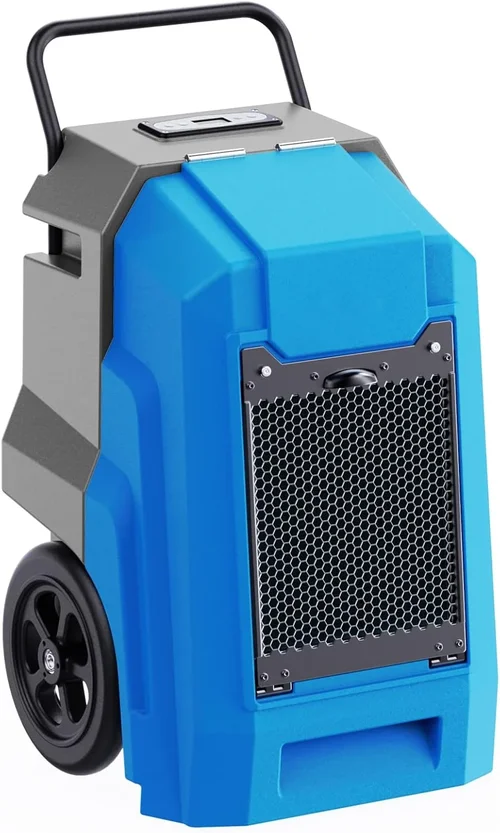
Even though it’s for your living room, you may occasionally want to move your dehumidifier to another room—or store it during dry seasons. Wheels (casters) and a top handle make relocation much easier. Most mid-to-large dehumidifiers include these, but double-check before buying.
Design-wise, modern units come in neutral colors (white, gray, black) and compact footprints that blend into living spaces. Some even resemble mini refrigerators or air purifiers, making them less obtrusive. Avoid overly industrial-looking models unless you plan to hide them behind furniture. Also consider clearance: ensure there’s at least 6–12 inches of space around the unit for proper airflow, especially on the intake and exhaust sides.
8. Brand Reputation & Customer Support
Not all dehumidifier brands are created equal. Established names like Frigidaire, GE, hOmeLabs, and Tosot have proven track records for reliability and customer service. Research brands that offer responsive support, accessible replacement parts, and clear troubleshooting guides. Avoid unknown or “no-name” brands sold exclusively through third-party marketplaces—they often lack proper certifications, use subpar components, and disappear when you need help.
Read verified customer reviews on trusted sites like Consumer Reports, Wirecutter, or Amazon (filtering for recent purchases). Pay attention to comments about longevity, noise, and how the company handles repairs or replacements. A strong brand reputation often translates to better long-term satisfaction.
Different Types of Buying Guide
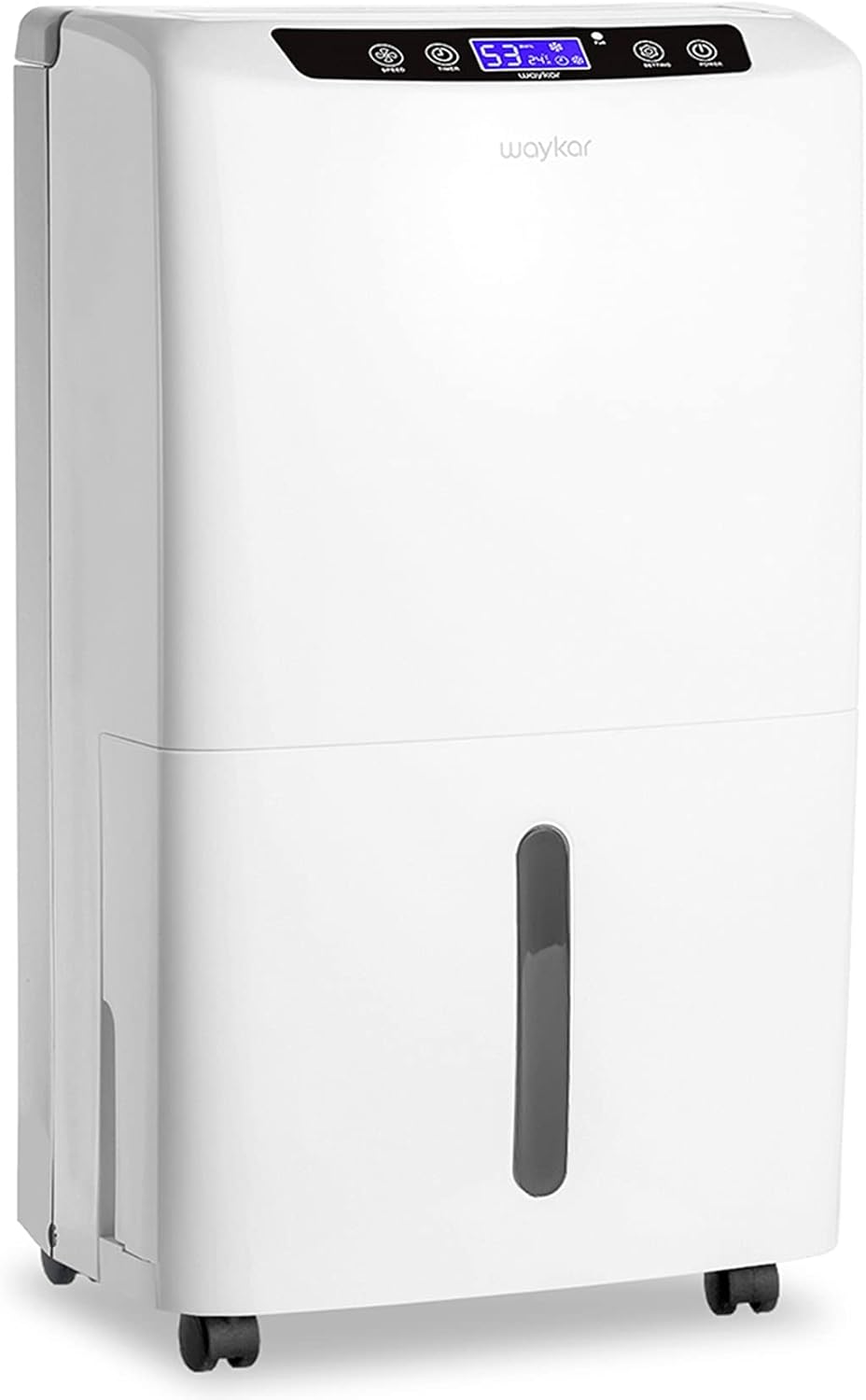
Common Buying Mistakes to Avoid
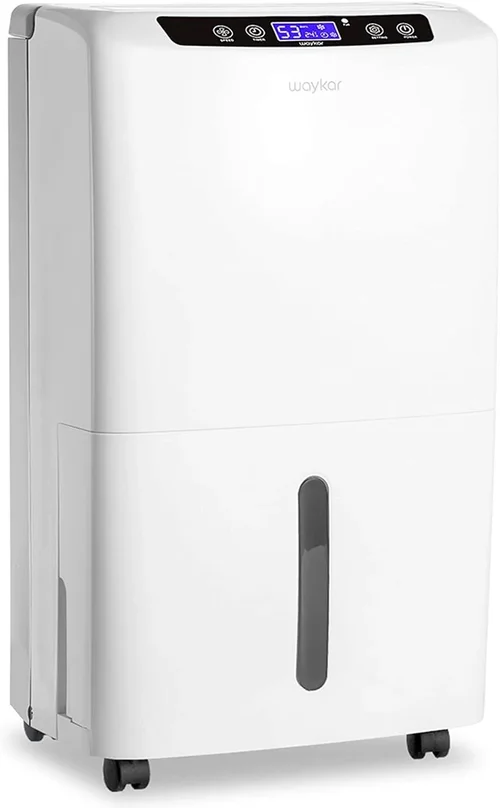
❌ Mistake: Choosing Based Solely on Price
Why it’s bad: The cheapest dehumidifier often sacrifices efficiency, durability, and noise control. You might save $50 upfront but end up replacing it in 1–2 years or paying more in electricity.
What to do instead: Focus on value, not just cost. A mid-range model with ENERGY STAR certification and a solid warranty will save you money long-term.
❌ Mistake: Ignoring Room Size and Humidity Level
Why it’s bad: A 20-pint unit won’t effectively dehumidify a 1,200 sq ft living room with chronic dampness. Conversely, a 70-pint unit in a small space can over-dry the air.
What to do instead: Measure your room and assess humidity severity. Use a hygrometer ($10–$20) to check current RH levels before buying.
❌ Mistake: Overlooking Drainage Needs
Why it’s bad: If you forget to empty the tank daily, the unit will shut off and stop working—defeating its purpose.
What to do instead: Choose a model with continuous drainage or a large tank if you can’t commit to regular maintenance.
❌ Mistake: Buying Without Checking Noise Levels
Why it’s bad: A loud dehumidifier can disrupt TV time, conversations, or sleep—especially if placed near seating areas.
What to do instead: Prioritize units under 52 dB and read real-user reviews about noise performance.
❌ Mistake: Skipping the Warranty
Why it’s bad: Compressor failures are common after 2–3 years. Without a warranty, repairs can cost nearly as much as a new unit.
What to do instead: Always choose a model with at least a 2-year warranty, and consider extended coverage if available.
❌ Mistake: Assuming All “Smart” Features Are Useful
Why it’s bad: Wi-Fi and app controls sound great, but if you never use them, you’ve paid extra for unused tech.
What to do instead: Only pay for smart features if you’ll actually benefit from remote monitoring or scheduling.
❌ Mistake: Placing the Unit in a Corner or Behind Furniture
Why it’s bad: Blocked airflow reduces efficiency and can cause the unit to overheat or freeze up.
What to do instead: Leave at least 6–12 inches of clearance on all sides, especially near air intake and exhaust vents.
Budget Guidelines: How Much Should You Spend?
– Entry-Level ($80–$150): These are typically mini or small-capacity units (10–20 PPD) best suited for closets, RVs, or very small living spaces. They often lack humidistats, have small tanks, and may be noisy. Expect basic functionality and shorter lifespans. Only consider this tier if your living room is under 400 sq ft and humidity is mild.
– Mid-Range ($150–$300): This is the sweet spot for most living room buyers. Units in this range offer 30–50 PPD capacity, digital controls, decent noise levels (under 55 dB), and often include continuous drainage options. Brands like hOmeLabs, Tosot, and Frigidaire dominate here with reliable, efficient models. You’ll get ENERGY STAR certification, washable filters, and 2-year warranties.
– Premium ($300–$500): Designed for larger or high-humidity living rooms, these models boast 50+ PPD capacity, ultra-quiet operation (under 50 dB), advanced sensors, and smart features like Wi-Fi connectivity and auto-restart after power outages. Expect premium build quality, larger tanks (2+ gallons), and extended warranties (3–5 years). Ideal for humid climates or homes with mold/mildew concerns.
– Luxury ($500+): These are often whole-house systems or commercial-grade portable units with industrial durability, built-in pumps, and seamless integration with home automation. While overkill for most living rooms, they’re worth considering if you have a massive open-concept space, severe moisture issues, or want a “set it and forget it” solution.
Expert Tips for Getting the Best Deal
– Buy During Off-Peak Seasons: Retailers discount dehumidifiers in late fall and winter when demand drops. You can save 20–30% compared to summer prices.
– Check Manufacturer Rebates: Some utility companies offer rebates for ENERGY STAR appliances. Visit your local provider’s website or the ENERGY STAR rebate finder tool.
– Compare Online vs. In-Store: Online retailers (Amazon, Home Depot, Lowe’s) often have better prices and reviews, but in-store allows you to inspect build quality and noise levels firsthand.
– Read Recent Reviews: Technology changes fast. A model praised in 2023 might have been discontinued or updated. Focus on reviews from the past 6–12 months.
– Test Before Committing: If possible, run the unit for a few days. Many retailers offer 30-day return windows—use them to verify performance in your actual living room conditions.
– Negotiate Extended Warranties: Some stores will waive or discount extended warranty fees if you ask—especially during sales events.
– Bundle with Other Appliances: Buying a dehumidifier alongside an air purifier or humidifier may unlock package discounts at big-box stores.
– Watch for Refurbished Models: Certified refurbished units from reputable sellers (like manufacturer outlets) can offer significant savings with full warranties.

Frequently Asked Questions
Q: How do I know if my living room needs a dehumidifier?
A: Signs include persistent musty odors, condensation on windows, peeling paint or wallpaper, warped wood furniture, or increased allergy symptoms. Use a hygrometer to measure humidity—if it’s consistently above 55%, a dehumidifier is recommended.
Q: Can a dehumidifier help with allergies?
A: Yes! By reducing moisture, it inhibits mold, dust mites, and mildew—common allergens. Pair it with an air purifier for maximum relief.
Q: Should I run my dehumidifier continuously?
A: Not necessarily. Most units have auto modes that cycle on/off to maintain your set humidity level. Continuous operation is only needed in extremely damp conditions.
Q: Will a dehumidifier cool my living room?
A: No—it removes moisture, not heat. However, drier air feels cooler and more comfortable, so you may be able to raise your thermostat slightly and save on AC costs.
Q: How often should I clean my dehumidifier?
A: Clean the water tank weekly with mild soap and water, and wash or replace the air filter monthly. Wipe down coils annually to maintain efficiency.
Q: Can I use a basement dehumidifier in my living room?
A: Technically yes, but basement units are often louder, bulkier, and designed for unattended operation. A living room model prioritizes quiet operation and aesthetics.
Q: What’s the difference between a dehumidifier and an air purifier?
A: A dehumidifier controls moisture; an air purifier removes particles like pollen, pet dander, and smoke. They serve different purposes but work well together.
Q: Do dehumidifiers use a lot of electricity?
A: It depends. A 50-pint ENERGY STAR model uses about 500 watts and costs roughly $15–$25 per month to run 8 hours daily, depending on local rates.
Q: Can I leave my dehumidifier on when I’m not home?
A: Yes, as long as it has auto-shutoff when the tank is full or continuous drainage. Modern units are safe for unattended operation.
Q: What humidity level should I set for my living room?
A: Aim for 40%–50% relative humidity. Below 30% can cause dryness; above 55% promotes mold growth.
Our Final Recommendations
– Best for Budget-Conscious Buyers: hOmeLabs 30 Pint Dehumidifier – Reliable performance, quiet operation (51 dB), and a 1.8-gallon tank at under $200. Great for small to medium living rooms.
– Best Overall Value: Frigidaire FFAD7033R1 70 Pint – Despite the high capacity, it’s efficient, ENERGY STAR certified, and includes a built-in pump for continuous drainage. Ideal for large or humid living spaces.
– Best Premium Option: Tosot 50 Pint Smart Dehumidifier – Features Wi-Fi control, ultra-quiet operation (47 dB), and a sleek design. Perfect for tech-savvy homeowners who want precision and convenience.
– Best for Beginners: GE APER50LZ 50 Pint – Simple controls, reliable performance, and excellent customer support. A no-fuss choice for first-time buyers.
– Best for Advanced Users: AprilAire E080 Pro 80 Pint Whole-House Dehumidifier – While pricey, it integrates with HVAC systems and covers entire homes. Best for those with severe moisture issues or large open-plan living areas.
Conclusion: Making the Right Choice
Choosing the best dehumidifier for your living room isn’t just about picking the biggest or cheapest model—it’s about finding the right balance of capacity, efficiency, noise, and features for your specific needs. Start by assessing your room size and humidity level, then prioritize energy efficiency and build quality to ensure long-term satisfaction. Avoid common mistakes like ignoring drainage options or overlooking noise levels, and don’t be swayed by flashy features you won’t use.
Remember, a good dehumidifier does more than just remove moisture—it protects your health, preserves your home, and enhances your comfort. With the insights from this guide, you’re now equipped to make a smart, confident purchase that will serve you well for years to come. Take your time, compare your options, and invest in a solution that truly fits your living space. Your future self—and your living room—will thank you.