
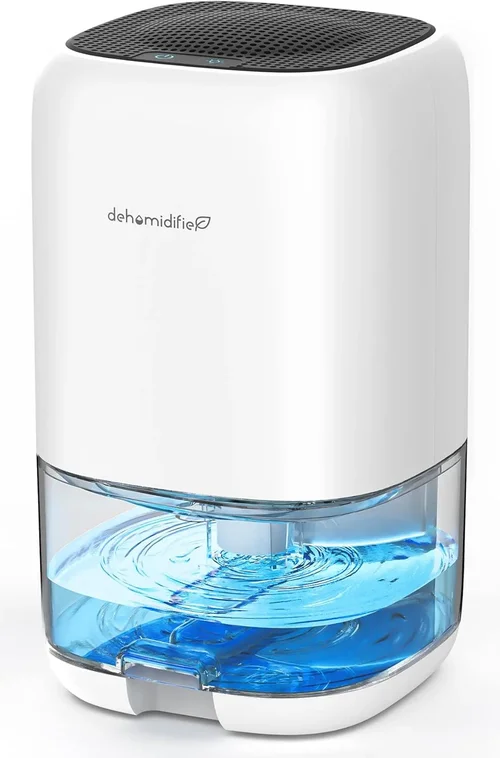
Maintaining a comfortable and healthy office environment goes far beyond just adjusting the thermostat. One often overlooked but critical factor is indoor humidity. Excess moisture in the air can lead to a cascade of problems—mold growth, musty odors, warped furniture, and even respiratory discomfort for employees. In fact, according to the Environmental Protection Agency (EPA), ideal indoor relative humidity should sit between 30% and 50%. When levels climb above 60%, you’re inviting trouble. That’s where a high-quality office dehumidifier comes in.
This comprehensive buying guide is designed to help you navigate the crowded market and select the best dehumidifier for your specific office needs. Whether you manage a small home office, a mid-sized corporate workspace, or a large open-plan environment, we’ll walk you through every essential consideration—from performance specs and energy efficiency to noise levels and smart features. Our goal isn’t just to list products; it’s to empower you with the knowledge to make a confident, informed decision that supports both employee well-being and long-term cost savings.
The dehumidifier market has evolved significantly in recent years, with innovations in compressor technology, smart connectivity, and eco-friendly refrigerants. Brands like Frigidaire, hOmeLabs, AprilAire, and Midea now offer models tailored specifically for commercial and professional settings. However, not all units are created equal—some excel in quiet operation, while others prioritize rapid moisture removal or seamless integration with building management systems. By the end of this guide, you’ll understand exactly what to look for, how to avoid common pitfalls, and which models deliver the best value for your budget.

What to Look for When Buying Buying Guide
1. Budget & Price Range
Your budget will naturally influence your options, but it’s important to view a dehumidifier as a long-term investment rather than a one-time expense. Office-grade dehumidifiers typically range from $150 for basic compact units to over $1,000 for industrial-strength systems with advanced controls. While it’s tempting to go for the cheapest option, skimping on quality can lead to higher energy bills, frequent repairs, and inadequate performance—especially in larger or high-humidity spaces.
Consider not just the upfront cost but also operational expenses. Energy-efficient models with ENERGY STAR certification may cost more initially but can save you hundreds over their lifespan. Additionally, factor in potential downtime or replacement costs if a low-quality unit fails during peak humidity seasons. For most offices, spending between $300 and $600 gets you a reliable, feature-rich model that balances performance and affordability.
2. Performance Specifications
Performance is arguably the most critical factor when choosing an office dehumidifier. The key metric here is pint capacity—the amount of moisture a unit can remove from the air in 24 hours. For small offices (under 500 sq. ft.), a 20–30 pint model is usually sufficient. Medium-sized offices (500–1,500 sq. ft.) benefit from 30–50 pint units, while large or damp spaces may require 70+ pint commercial-grade systems.
But capacity alone isn’t enough. You also need to consider the unit’s efficiency at different temperatures and humidity levels. Look for models rated for operation down to 41°F (5°C) if your office has unheated areas like basements or storage rooms. Also, check the Energy Factor (EF)—measured in liters per kilowatt-hour (L/kWh)—which indicates how efficiently the unit removes moisture per unit of electricity consumed. A higher EF means lower running costs.
3. Build Quality & Durability
Office environments demand equipment that can withstand daily use without frequent breakdowns. Look for dehumidifiers constructed with robust materials—such as rust-resistant aluminum coils, reinforced plastic casings, and sealed compressors. Internal components should be designed for continuous operation, especially if the unit will run 8–12 hours per day.
Pay attention to details like sealed bearings in fans, anti-vibration mounts, and protective grilles. These small features significantly extend the lifespan of the unit. Commercial-grade models often include heavy-duty casters for easy mobility and reinforced handles for transport. Avoid units with flimsy controls or thin plastic panels—they’re more prone to damage in busy workplaces.
4. Features & Functionality
Modern office dehumidifiers come packed with features that enhance convenience, efficiency, and user control. Essential functionalities include:
– Adjustable Humidistat: Allows you to set and maintain your desired humidity level automatically.
– Continuous Drain Option: Lets you connect a hose for hands-free water removal—ideal for unattended operation.
– Auto Defrost: Prevents ice buildup on coils in cooler environments, ensuring consistent performance.
– Programmable Timer: Enables scheduled operation to match office hours and reduce energy use.
– Air Filtration: Built-in HEPA or activated carbon filters improve air quality by capturing dust, allergens, and odors.
Smart features are increasingly common. Wi-Fi-enabled models let you monitor and control humidity remotely via smartphone apps, receive maintenance alerts, and integrate with building automation systems. While not essential for every office, these capabilities offer valuable flexibility for facilities managers or tech-savvy teams.
5. Brand Reputation
Not all dehumidifier brands are equal in terms of reliability, customer service, and innovation. Established names like Frigidaire, hOmeLabs, AprilAire, and Midea have built strong reputations for producing durable, high-performing units backed by solid warranties and responsive support. Lesser-known brands may offer attractive prices, but they often lack proven track records or accessible replacement parts.
Research customer reviews across multiple platforms (Amazon, Home Depot, Consumer Reports) to gauge real-world performance. Pay attention to comments about longevity, noise levels, and post-purchase service. A brand with a history of honoring warranties and providing clear troubleshooting guides adds significant peace of mind—especially in a professional setting where downtime isn’t an option.
6. Warranty & Support
A comprehensive warranty is a strong indicator of a manufacturer’s confidence in their product. Most reputable office dehumidifiers come with at least a 1-year limited warranty, but premium models often include 2–5 years of coverage, sometimes with extended protection for key components like compressors.
Check what the warranty covers: Does it include labor? Are filters or hoses included? Is there a service network near your location? Some brands offer on-site repair services for commercial customers, which can be invaluable if your dehumidifier fails during a critical period. Avoid brands with vague warranty terms or those that require you to ship the unit back at your own expense.
7. Size & Portability
Even in an office setting, mobility matters. You may need to move the dehumidifier between conference rooms, server closets, or seasonal storage areas. Look for units equipped with sturdy wheels and ergonomic handles. Weight is another consideration—most office dehumidifiers weigh between 30 and 60 pounds, so ensure your team can safely maneuver them.
Compact designs are ideal for tight spaces, but don’t sacrifice capacity for size. Some models feature vertical profiles that fit neatly beside filing cabinets or under desks. If noise is a concern (see below), slightly larger units often house better sound-dampening materials without compromising performance.
8. Noise Level
In an office environment, excessive noise can disrupt concentration and productivity. Dehumidifiers produce sound from their compressor, fan, and internal vibrations—typically ranging from 45 to 65 decibels (dB). For context, 50 dB is similar to a quiet conversation, while 65 dB resembles normal office chatter.
Look for models specifically marketed as “quiet” or “low-noise,” often featuring insulated cabinets, variable-speed fans, and vibration-reducing designs. If the dehumidifier will be placed near workstations or meeting areas, aim for units under 55 dB. Many manufacturers list noise levels in product specifications—always verify this before purchasing.
Different Types of Buying Guide

Common Buying Mistakes to Avoid
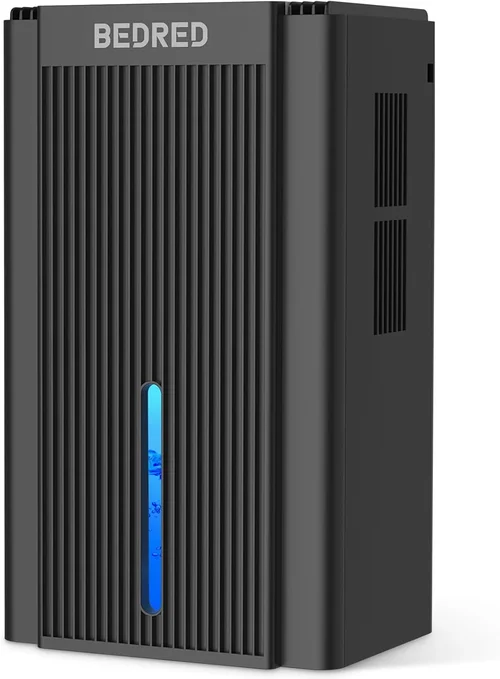
❌ Mistake: Ignoring Room Size and Humidity Level
Why it’s bad: Choosing a dehumidifier based solely on price or brand without considering your office’s square footage and typical humidity leads to poor performance. An undersized unit will run nonstop, increasing energy costs and wear, while an oversized one will short-cycle, failing to maintain consistent humidity.
What to do instead: Measure your space and assess moisture sources (e.g., windows, plumbing, outdoor air infiltration). Use online calculators or consult manufacturer sizing charts to select a model with appropriate pint capacity for your conditions.
❌ Mistake: Overlooking Noise Output
Why it’s bad: A loud dehumidifier can become a constant distraction, especially in open-plan offices or quiet workspaces. Employees may avoid using it during business hours, defeating its purpose.
What to do instead: Prioritize models with noise ratings below 55 dB. Read user reviews mentioning sound levels and consider placing the unit in a less disruptive location, such as a utility closet or near a wall.
❌ Mistake: Skipping the Continuous Drain Option
Why it’s bad: Emptying a water tank daily is tedious and easy to forget. If the tank fills unnoticed, the unit shuts off, allowing humidity to rise unchecked.
What to do instead: Choose a model with a built-in pump or gravity drain hose outlet. This allows continuous operation without manual intervention—perfect for offices with limited staff or after-hours use.
❌ Mistake: Neglecting Air Filtration
Why it’s bad: Dehumidifiers circulate air, which means they can also spread dust, mold spores, and allergens if not properly filtered. This undermines indoor air quality and employee health.
What to do instead: Select units with multi-stage filtration, including washable pre-filters and optional HEPA or carbon filters. Regularly clean or replace filters as recommended.
❌ Mistake: Buying Based on Price Alone
Why it’s bad: The cheapest dehumidifier often lacks durability, efficiency, and essential features. You may end up replacing it within a year, costing more in the long run.
What to do instead: Focus on total cost of ownership—including energy use, maintenance, and expected lifespan. Mid-range models ($300–$600) typically offer the best balance of quality and value.
❌ Mistake: Not Checking Warranty Terms
Why it’s bad: A short or restrictive warranty leaves you vulnerable to repair costs if the unit fails prematurely. Some brands exclude commercial use from coverage.
What to do instead: Verify that the warranty covers commercial applications and includes key components. Look for brands with local service centers or on-site support options.
❌ Mistake: Forgetting About Energy Efficiency
Why it’s bad: Inefficient models consume excessive electricity, especially when running 8+ hours daily. This inflates utility bills and increases your office’s carbon footprint.
What to do instead: Choose ENERGY STAR-certified models with high Energy Factor (EF) ratings. Compare annual operating costs using manufacturer data or online calculators.
Budget Guidelines: How Much Should You Spend?
Entry-Level ($150–$250): These compact units are suitable for very small offices (under 400 sq. ft.) or seasonal use. Expect basic controls, smaller tanks (requiring frequent emptying), and limited features. While affordable, they often lack durability and may struggle in high-humidity environments. Ideal for temporary solutions or low-budget startups.
Mid-Range ($300–$600): This is the sweet spot for most offices. Models in this range offer 30–50 pint capacity, adjustable humidistats, continuous drain options, and solid build quality. Many include quiet operation, auto-defrost, and basic smart features. Brands like hOmeLabs and Frigidaire dominate this category with reliable, well-reviewed options.
Premium ($600–$1,000): Designed for larger offices or demanding conditions, these units deliver 50–70+ pint capacity, advanced filtration, Wi-Fi connectivity, and commercial-grade components. They often feature pumps for upward drainage, robust casters, and longer warranties. Perfect for facilities managers seeking long-term reliability and automation.
Luxury ($1,000+): Reserved for large enterprises, server farms, or specialized environments (e.g., archives, labs), these are whole-house or industrial systems. They integrate with HVAC, offer remote monitoring, and provide precise humidity control across multiple zones. While expensive, they deliver unmatched performance and scalability for professional settings.
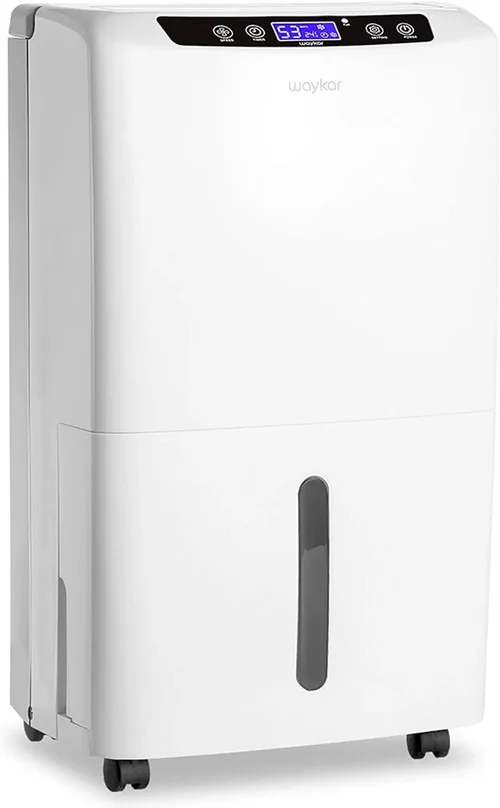
Expert Tips for Getting the Best Deal
– Buy During Off-Peak Seasons: Humidity levels are lowest in winter, making it the best time to purchase. Retailers often discount dehumidifiers from January to March to clear inventory.
– Compare Retailers: Check prices across Amazon, Home Depot, Lowe’s, and specialty HVAC suppliers. Online retailers frequently offer bundle deals or free shipping that brick-and-mortar stores don’t.
– Look for Rebates and Incentives: Some utility companies offer rebates for ENERGY STAR-certified dehumidifiers. Check your local provider’s website before buying.
– Read Verified Purchase Reviews: Focus on reviews from buyers who’ve used the unit in office settings. Look for comments about noise, reliability, and customer service responsiveness.
– Test Return Policies: Ensure the seller allows returns within 30 days. This gives you time to evaluate performance in your actual office environment.
– Consider Refurbished or Open-Box Units: Reputable sellers like Amazon Renewed or manufacturer-certified refurbished programs offer significant savings on like-new models with full warranties.
– Negotiate for Bulk Purchases: If you manage multiple offices, inquire about volume discounts. Some brands offer special pricing for 3+ units.
– Don’t Skip the Manual: Even experienced buyers benefit from reading the user manual before setup. Proper installation (e.g., placement away from walls, leveling) maximizes efficiency and lifespan.
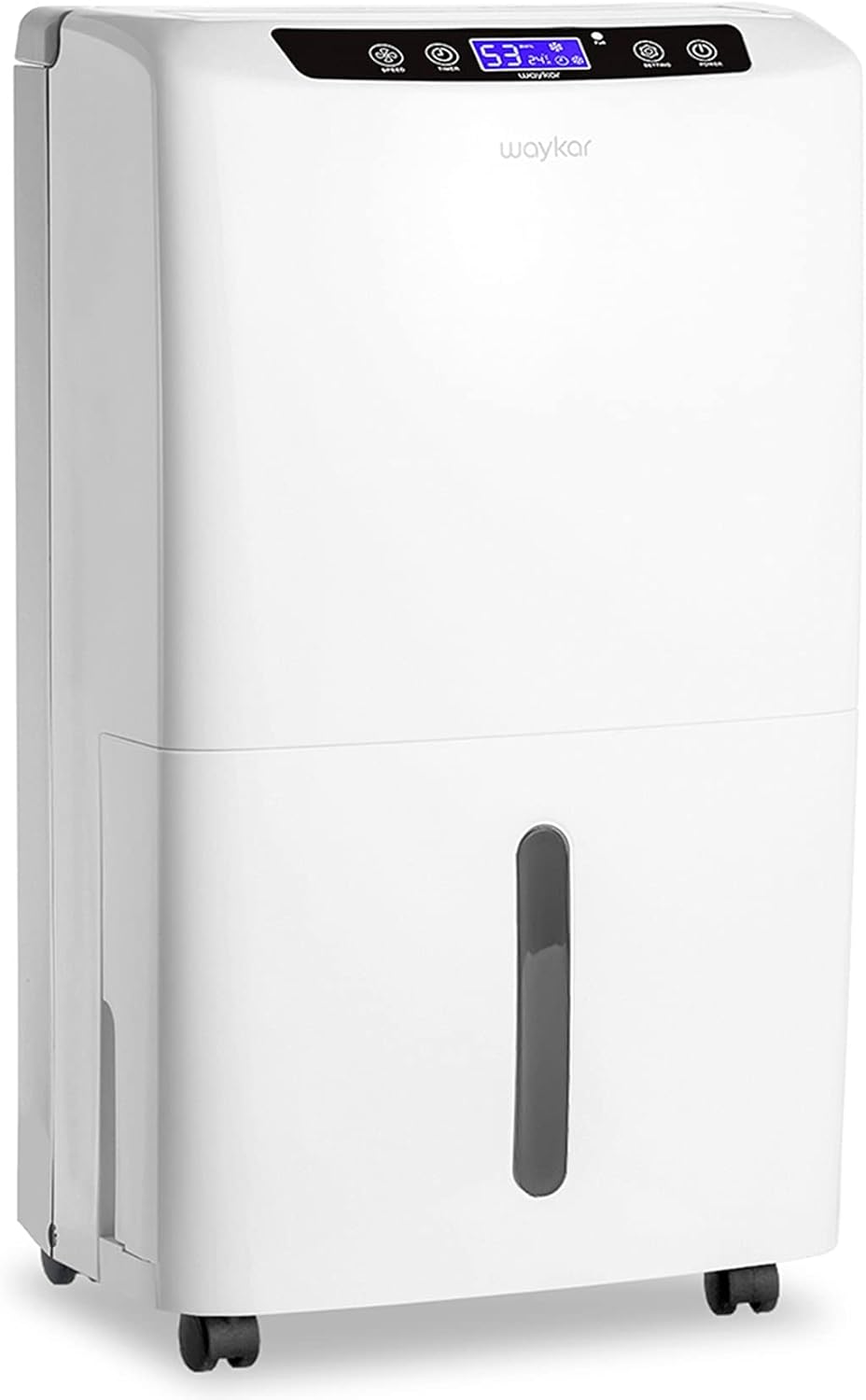
Frequently Asked Questions
Q: How do I know if my office needs a dehumidifier?
A: Signs include condensation on windows, musty odors, peeling paint or wallpaper, warped wood furniture, or frequent mold growth. You can also use a hygrometer to measure humidity—if it consistently reads above 50%, a dehumidifier is advisable.
Q: Can a dehumidifier replace air conditioning?
A: No. While dehumidifiers reduce moisture, they don’t cool the air like an AC. However, lowering humidity makes the space feel cooler and more comfortable, potentially allowing you to raise the thermostat and save on cooling costs.
Q: How often should I empty the water tank?
A: It depends on humidity levels and tank size. Most office models hold 1–2 gallons and need emptying every 12–24 hours in high-humidity conditions. Using a continuous drain hose eliminates this task entirely.
Q: Are dehumidifiers safe to run overnight or unattended?
A: Yes, modern units include safety features like auto-shutoff when the tank is full, thermal overload protection, and tip-over switches. For added peace of mind, choose models with pumps or drain hoses.
Q: Do dehumidifiers use a lot of electricity?
A: It varies by model and usage. A typical 50-pint unit uses about 500–700 watts. ENERGY STAR models are 15–20% more efficient. Running it 8 hours daily may add $15–$30 to your monthly bill, depending on local rates.
Q: Can I use a residential dehumidifier in an office?
A: Technically yes, but residential units aren’t built for continuous commercial use. They may lack durability, proper certifications, or warranty coverage for business settings. Opt for models labeled for commercial or office use.
Q: What’s the difference between a dehumidifier and an air purifier?
A: A dehumidifier removes moisture from the air; an air purifier removes particles like dust, pollen, and smoke. Some units combine both functions, but they address different aspects of indoor air quality.
Q: How long do office dehumidifiers last?
A: With proper maintenance, most quality units last 5–10 years. Clean filters monthly, inspect coils annually, and avoid operating in extreme temperatures to maximize lifespan.
Q: Should I run the dehumidifier year-round?
A: In humid climates, yes—especially during spring and summer. In drier regions, you may only need it seasonally. Use a hygrometer to monitor levels and adjust usage accordingly.
Q: Can a dehumidifier help with allergies?
A: Absolutely. By reducing mold, dust mites, and mildew—common allergens—it can significantly improve respiratory comfort for sensitive employees.
Our Final Recommendations
Best for Budget-Conscious Buyers: hOmeLabs 30 Pint Dehumidifier – At around $250, this model offers excellent value with a digital humidistat, continuous drain option, and quiet operation under 55 dB. Ideal for small to mid-sized offices seeking reliable performance without premium pricing.
Best Overall Value: Frigidaire FFAD7033R1 70 Pint Dehumidifier – Priced near $500, it delivers robust 70-pint capacity, ENERGY STAR efficiency, and a washable filter. Its large tank and pump-ready design make it perfect for larger offices or high-moisture areas.
Best Premium Option: AprilAire E130 Pro 130 Pint Whole-House Dehumidifier – For enterprises needing centralized control, this ducted system integrates seamlessly with HVAC and maintains precise humidity across entire buildings. Though costly ($1,800+), it’s unmatched in scalability and automation.
Best for Beginners: Midea 50 Pint Cube Dehumidifier – With intuitive controls, a compact vertical design, and smart app connectivity, this $400 model is user-friendly and space-efficient—great for first-time buyers or tech-averse teams.
Best for Advanced Users: AlorAir Sentinel HDi90 – Built for harsh conditions, this commercial-grade unit features a built-in pump, Wi-Fi monitoring, and operation down to 33°F. At $700, it’s ideal for facilities managers who demand precision and remote oversight.
Conclusion: Making the Right Choice
Selecting the best dehumidifier for your office isn’t just about removing moisture—it’s about creating a healthier, more productive workspace. By understanding key factors like capacity, noise, efficiency, and features, you can avoid costly mistakes and invest in a solution that delivers lasting value. Remember, the right dehumidifier doesn’t just protect your equipment and furnishings; it supports employee comfort, reduces absenteeism due to respiratory issues, and contributes to a professional, well-maintained environment.
Don’t rush the decision. Take time to assess your office’s unique needs, compare models using our guidelines, and prioritize long-term reliability over short-term savings. Whether you’re outfitting a startup garage or a corporate headquarters, the perfect dehumidifier is out there—and with this guide, you’re now equipped to find it. Start improving your indoor air quality today.