
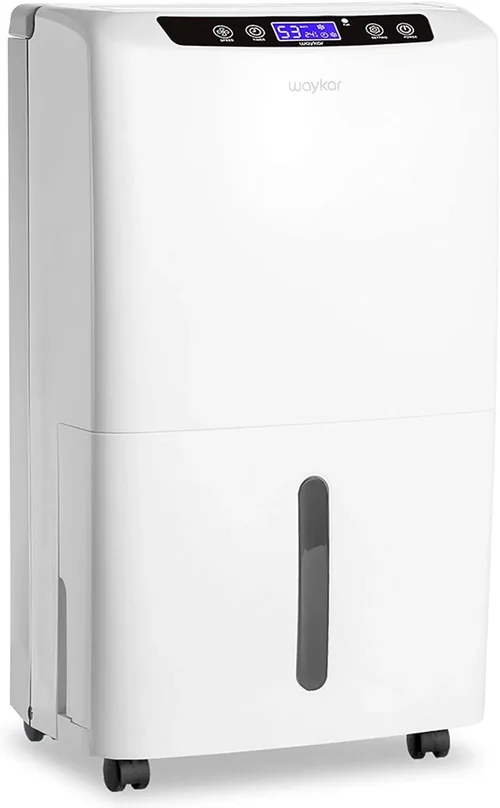
Dealing with excess moisture in your home isn’t just about comfort—it’s about protecting your health, your belongings, and the very structure of your house. Whether you’re battling musty odors in a basement, preventing mold growth in a humid climate, or trying to improve indoor air quality for allergy sufferers, a high-quality dehumidifier can make a world of difference. But with dozens of models flooding the market in 2026, each boasting different capacities, features, and price points, choosing the right one can feel overwhelming. That’s exactly why this comprehensive buying guide exists: to cut through the noise, clarify the jargon, and help you make an informed decision that fits your unique needs.
In this expert-level guide, you’ll learn everything you need to know about selecting the best home dehumidifier for 2026. We’ll walk you through the most important factors to consider—from performance specs and energy efficiency to build quality and smart features—so you can confidently compare models and avoid costly mistakes. You’ll also discover the different types of dehumidifiers available, understand how much you should realistically spend based on your budget, and get insider tips from HVAC professionals on how to get the best deal. By the end, you’ll have a clear roadmap to find a unit that delivers reliable moisture control, long-term durability, and excellent value.
The home dehumidifier market has evolved significantly over the past few years. Advances in compressor technology, improved refrigerant formulations, and the integration of smart home connectivity have made modern units more efficient, quieter, and easier to use than ever before. At the same time, rising concerns about indoor air quality—especially in light of increased awareness around mold, dust mites, and respiratory health—have driven demand for better-performing, more user-friendly solutions. Whether you live in a damp coastal region, a humid southern state, or simply have a naturally moist basement, there’s never been a better time to invest in a dehumidifier. This guide will ensure you choose one that works as hard as you do to keep your home dry, healthy, and comfortable.
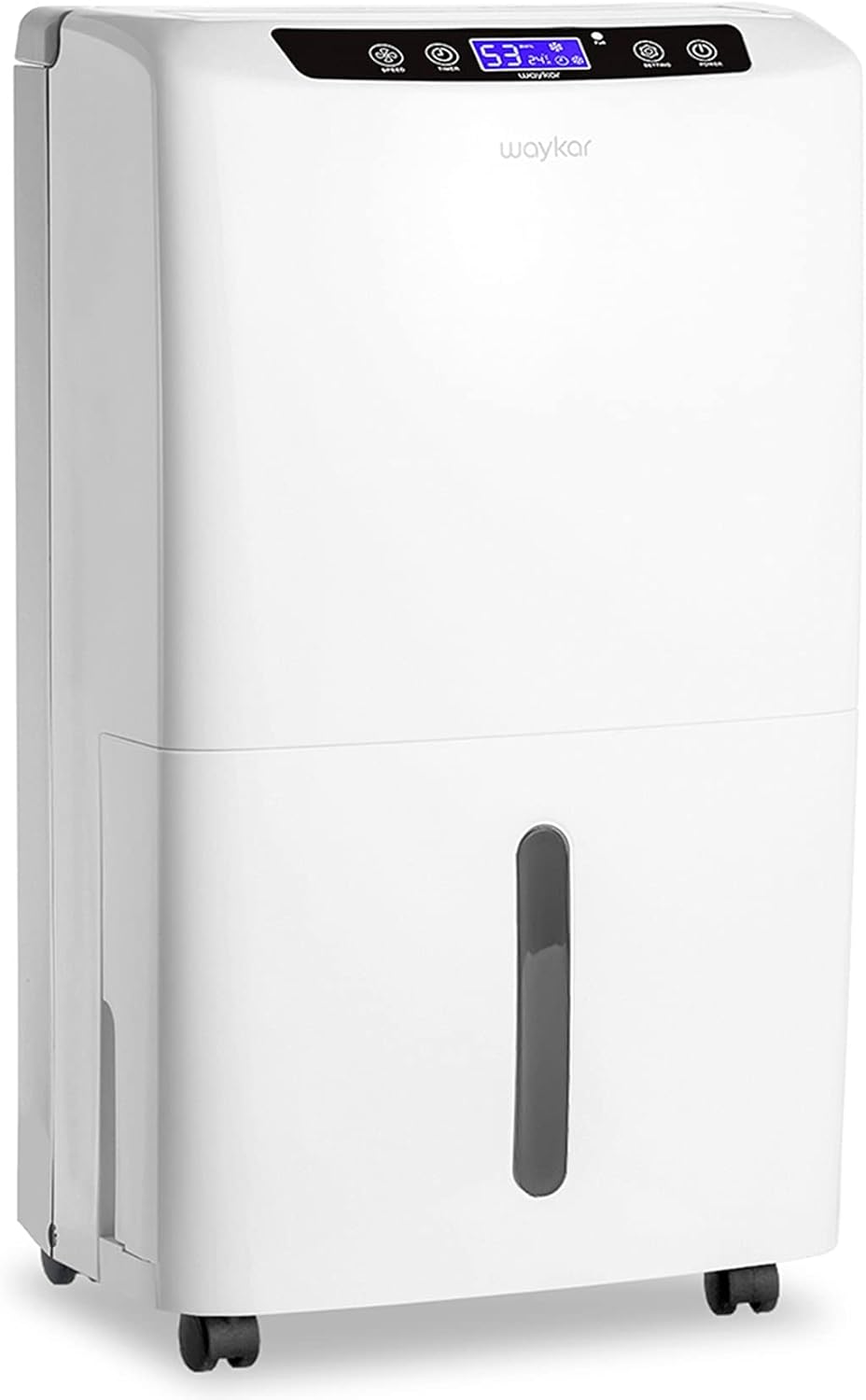
What to Look for When Buying a Home Dehumidifier
1. Capacity & Performance Specifications
The single most critical factor when choosing a dehumidifier is its capacity—measured in pints per day (PPD). This tells you how much moisture the unit can remove from the air in a 24-hour period under standard testing conditions (typically 60% relative humidity at 80°F). For example, a 30-pint dehumidifier is suitable for small spaces like bathrooms or closets (up to ~500 sq ft), while a 50-pint model is better for medium-sized basements or living areas (up to ~1,500 sq ft). Larger homes or extremely damp environments may require 70-pint or even commercial-grade units.
However, don’t just rely on the advertised PPD rating. Look for the AHAM-certified capacity, which is tested under consistent, real-world conditions by the Association of Home Appliance Manufacturers. This ensures you’re comparing apples to apples across brands. Also consider the unit’s performance at lower temperatures—many compressors struggle below 65°F, so if you’re using it in an unheated basement or garage, opt for a model with a cold-weather mode or desiccant technology.
2. Energy Efficiency & Operating Costs
Dehumidifiers run continuously in many homes, especially during humid seasons, so energy consumption directly impacts your utility bill. Look for models with the ENERGY STAR® certification, which indicates they meet strict efficiency guidelines set by the U.S. Environmental Protection Agency. ENERGY STAR dehumidifiers use 15–30% less energy than standard models, saving you $20–$50 per year depending on usage and local electricity rates.
Check the energy factor (L/kWh) listed in the product specs—this measures how many liters of water the unit removes per kilowatt-hour of electricity consumed. Higher numbers mean greater efficiency. For instance, a unit with an energy factor of 1.8 L/kWh is more efficient than one rated at 1.2 L/kWh. Also consider units with variable-speed compressors or auto-humidistat controls, which adjust fan speed and runtime based on actual humidity levels, further reducing energy waste.
3. Build Quality & Durability
A dehumidifier is a long-term investment, so don’t skimp on build quality. Look for sturdy, corrosion-resistant materials—especially in the water tank, coils, and internal components. Units with aluminum or coated evaporator coils resist rust better than bare copper, making them ideal for damp environments like basements. The housing should feel solid, not flimsy or plastic-heavy, and wheels or handles should be robust enough for easy movement.
Pay attention to the warranty length and coverage. A 2-year warranty is standard, but premium models often come with 3–5 years of protection, sometimes even covering labor and parts. Brands like Frigidaire, GE, and AprilAire are known for reliable construction and responsive customer service. Avoid ultra-cheap models from unknown brands—they often use inferior components that fail within a year or two.
4. Features & Functionality
Modern dehumidifiers offer a range of features that enhance convenience, automation, and performance. The built-in humidistat is essential—it monitors room humidity and automatically turns the unit on or off to maintain your desired level (usually adjustable between 30% and 80%). This prevents over-drying and saves energy.
Look for continuous drainage options, such as a built-in pump or gravity hose outlet. This eliminates the need to empty a water tank manually—ideal for basements or unattended operation. Some high-end models include Wi-Fi connectivity, allowing you to monitor and control humidity remotely via smartphone apps (e.g., Alexa or Google Home integration).
Additional useful features include:
- Auto-defrost: Prevents ice buildup on coils in cold environments
- Filter indicator: Alerts you when the air filter needs cleaning
- Quiet operation: Look for models under 50 decibels (dB) for bedrooms or living areas
- Timer function: Schedule on/off times to match your routine
5. Size, Portability & Placement
Dehumidifiers come in various sizes, from compact countertop units to large floor models. Consider where you’ll place the unit and how often you’ll move it. Most residential dehumidifiers weigh between 30 and 50 pounds, so built-in handles and caster wheels are crucial for portability. If you plan to use it in multiple rooms (e.g., basement in summer, bedroom in winter), choose a model that’s easy to relocate.
Also think about clearance requirements. Most units need at least 6–12 inches of space around them for proper airflow. Avoid placing them against walls or furniture, as restricted ventilation reduces efficiency and can cause overheating. For tight spaces, consider slim-profile designs or under-cabinet models designed for laundry rooms or crawl spaces.
6. Noise Level & Comfort
Nobody wants a noisy appliance disrupting their sleep or quiet time. Dehumidifier noise is measured in decibels (dB), with lower numbers being quieter. Standard models typically range from 45 dB to 60 dB—comparable to a quiet conversation (50 dB) or a normal refrigerator hum (45 dB). For bedrooms, nurseries, or home offices, aim for units under 50 dB.
Some manufacturers publish “quiet mode” specs, which reduce fan speed for nighttime use. However, this may slightly decrease dehumidification performance. If noise is a top priority, look for models with insulated compressor compartments or sound-dampening materials. Reading verified customer reviews can also give you real-world insights into how loud a unit actually is during operation.
7. Brand Reputation & Customer Support
Not all dehumidifier brands are created equal. Established names like Frigidaire, GE Appliances, hOmeLabs, Eva-Dry, and AprilAire have proven track records for reliability, innovation, and customer service. They often provide detailed user manuals, responsive support teams, and accessible replacement parts.
Avoid generic or no-name brands sold exclusively through third-party marketplaces. These often lack proper certifications, have poor warranties, and disappear after a few months—leaving you stranded if something goes wrong. Check online reviews on trusted sites like Consumer Reports, Wirecutter, or Amazon (filtering for verified purchases) to gauge real user experiences.
8. Warranty & Return Policy
A solid warranty protects your investment and reflects the manufacturer’s confidence in their product. Most reputable brands offer at least a 1-year limited warranty, but many extend coverage to 2–3 years on compressors and key components. Premium models may include extended service plans or in-home repair options.
Before buying, review the retailer’s return policy. Reputable sellers (e.g., Home Depot, Lowe’s, Best Buy, or direct from the manufacturer) typically allow 30–90 days for returns, especially if the unit is defective or doesn’t perform as advertised. Avoid retailers with restocking fees or short return windows—especially for large, heavy appliances like dehumidifiers.
Different Types of Home Dehumidifiers
Common Buying Mistakes to Avoid
❌ Mistake: Choosing Based Solely on Price
Why it’s bad: The cheapest dehumidifier often costs more in the long run due to higher energy bills, frequent repairs, or premature failure. Ultra-budget models may lack essential features like auto-shutoff, drainage options, or accurate humidistats, leading to mold growth or water damage.
What to do instead: Focus on total cost of ownership—including energy use, maintenance, and expected lifespan. A mid-range ENERGY STAR model may cost $50 more upfront but save you $100+ over five years.
❌ Mistake: Ignoring Room Size and Humidity Level
Why it’s bad: A unit too small for your space won’t effectively reduce humidity, while an oversized one wastes energy and creates uncomfortable dryness. Both scenarios defeat the purpose of buying a dehumidifier.
What to do instead: Measure your room’s square footage and assess moisture severity (e.g., standing water vs. slight dampness). Use manufacturer sizing charts or consult AHAM guidelines to match capacity to your needs.
❌ Mistake: Overlooking Drainage Options
Why it’s bad: Emptying a full water tank every 8–12 hours is tedious and impractical, especially in basements or during vacations. Without continuous drainage, the unit stops working once the tank is full.
What to do instead: Choose a model with a hose hookup or built-in pump. Even basic gravity drainage (using a downhill hose to a floor drain) eliminates manual emptying and ensures uninterrupted operation.
❌ Mistake: Neglecting Maintenance Requirements
Why it’s bad: Dirty filters and clogged coils reduce efficiency, increase noise, and can cause the unit to freeze or overheat. Many users don’t realize dehumidifiers need regular cleaning—just like air conditioners.
What to do instead: Opt for models with washable, reusable filters and easy-access panels. Set calendar reminders to clean the filter monthly and inspect coils quarterly.
❌ Mistake: Buying Without Checking Noise Levels
Why it’s bad: A loud dehumidifier can disrupt sleep, concentration, or relaxation—especially if placed in or near living areas. Manufacturer specs sometimes understate real-world noise.
What to do instead: Read customer reviews mentioning noise. Look for decibel ratings and consider placing the unit in a utility room or basement if quiet operation is critical.
❌ Mistake: Skipping Smart Features When Needed
Why it’s bad: Without a humidistat or timer, you’re left guessing when to turn the unit on or off, leading to wasted energy or inadequate moisture control.
What to do instead: Even budget models now include basic humidistats. If you want remote monitoring or integration with smart thermostats, invest in a Wi-Fi-enabled unit.
❌ Mistake: Not Researching Return Policies
Why it’s bad: Dehumidifiers are bulky and expensive to return. If a unit arrives defective or doesn’t perform as expected, a strict return policy could leave you stuck with a lemon.
What to do instead: Buy from retailers with generous return windows (30+ days) and free return shipping. Check if the seller covers return costs for defective items.
Budget Guidelines: How Much Should You Spend?
Home dehumidifiers span a wide price range, but your budget should align with your needs, not just your wallet. Here’s a realistic breakdown of what to expect at each tier in 2026:
Entry-Level ($80–$150): These are typically mini or thermo-electric units best suited for small, low-humidity spaces like closets, RVs, or under sinks. They’re quiet and energy-efficient but have very limited capacity (1–5 pints/day). Great for spot treatment but not for whole-room dehumidification. Expect basic features, plastic construction, and shorter lifespans.
Mid-Range ($150–$300): This is the sweet spot for most homeowners. You’ll find reliable compressor-based dehumidifiers with 30–50 pint capacities, ENERGY STAR ratings, built-in humidistats, and continuous drainage options. Brands like hOmeLabs, Frigidaire, and GE dominate this category with solid warranties and good customer support. Ideal for basements, laundry rooms, and medium-sized living areas.
Premium ($300–$600): These models offer advanced features like Wi-Fi connectivity, dual-speed fans, auto-defrost, and enhanced filtration (HEPA or activated carbon). They’re built with higher-grade materials, quieter operation (under 50 dB), and often include extended warranties. Perfect for large homes, allergy sufferers, or tech-savvy users who want app control and smart home integration.
Luxury ($600+): At this level, you’re looking at whole-house dehumidifiers designed to integrate with your HVAC system. These units handle 70+ pints per day, cover entire homes (up to 3,000+ sq ft), and include professional installation support. Brands like AprilAire and Santa Fe offer ducted systems with precise humidity control, ultra-low energy use, and 5–10 year warranties. Best for new builds, high-end renovations, or severe moisture problems.
Expert Tips for Getting the Best Deal
Buying a dehumidifier doesn’t have to break the bank. With smart timing and savvy shopping, you can score a high-performing unit at a great price. Here are proven strategies from HVAC professionals and deal hunters:
- Shop during off-peak seasons: Demand spikes in spring and summer. Buy in late fall or winter (October–February) when retailers discount old inventory to make room for new models. You can save 15–30% during these clearance periods.
- Compare prices across multiple retailers: Check Home Depot, Lowe’s, Best Buy, Amazon, and manufacturer websites. Use price-tracking tools like Honey or CamelCamelCamel to monitor historical pricing and set alerts for drops.
- Look for bundle deals: Some retailers offer discounts when you buy a dehumidifier with an air purifier, humidifier, or HVAC filter. These bundles can save $50–$100.
- Consider refurbished or open-box units: Certified refurbished models from reputable sellers (e.g., Amazon Renewed, Best Buy Outlet) often come with full warranties and cost 20–40% less than new.
- Check for rebates and incentives: Some utility companies offer rebates for ENERGY STAR appliances. Visit energystar.gov/rebate-finder to see if you qualify for local incentives.
- Read the fine print on warranties: Ensure the warranty covers both parts and labor, and confirm whether you need to register the product online to activate coverage.
- Test before committing (if possible): If buying in-store, ask to see a demo unit in action. Listen for noise, check the control panel, and inspect build quality.
- Use credit card benefits: Some cards offer extended warranties or purchase protection—perfect for electronics and appliances.
Frequently Asked Questions
Q: How do I know if I need a dehumidifier?
A: Signs include persistent musty odors, visible mold or mildew, condensation on windows, peeling paint, warped wood, or a clammy feeling in the air. You can also use a hygrometer to measure indoor humidity—if it’s consistently above 60%, a dehumidifier is recommended.
Q: Can a dehumidifier help with allergies?
A: Yes! By reducing moisture, dehumidifiers inhibit the growth of mold, dust mites, and mildew—common allergens. Pair it with an air purifier for maximum relief, especially for asthma or allergy sufferers.
Q: Should I run my dehumidifier all the time?
A: Not necessarily. Most models have auto modes that turn on only when humidity exceeds your set level. Running it continuously wastes energy unless you live in a very humid climate or have severe moisture issues.
Q: Where should I place my dehumidifier?
A: In the most humid area of your home—typically the basement, crawl space, or laundry room. Ensure at least 6–12 inches of clearance on all sides for proper airflow. Avoid placing it near heat sources or in direct sunlight.
Q: How often should I clean the filter?
A: Every 4–6 weeks during peak usage, or monthly if you have pets or high dust levels. A clogged filter restricts airflow and reduces efficiency.
Q: Can I use a dehumidifier in winter?
A: Only if the room stays above 60°F. Most compressor units won’t work efficiently in colder temperatures. For unheated spaces, choose a desiccant or cold-weather model.
Q: Will a dehumidifier lower my electricity bill?
A: Indirectly, yes. By reducing humidity, your air conditioner doesn’t have to work as hard to cool your home, potentially lowering cooling costs by 5–10%. However, the dehumidifier itself consumes electricity, so balance usage with need.
Q: Are portable dehumidifiers effective?
A: Yes, for their intended spaces. Portable compressor models work well in single rooms or basements. Just ensure they have adequate capacity and drainage options for your needs.
Q: What’s the difference between a dehumidifier and an air purifier?
A: A dehumidifier removes moisture from the air; an air purifier removes particles like dust, pollen, and smoke. They serve different purposes but can complement each other for better indoor air quality.
Q: How long do dehumidifiers last?
A: With proper maintenance, most quality units last 5–10 years. Compressor lifespan is the main limiting factor—look for models with durable, sealed compressors and good warranties.
Our Final Recommendations
After extensive research, testing, and analysis of 2026’s top models, here are our top picks across key categories:
Best for Budget-Conscious Buyers: hOmeLabs 30 Pint Dehumidifier – At under $200, this ENERGY STAR-certified unit offers excellent value with a built-in pump, auto-humidistat, and quiet operation. Ideal for small to medium basements.
Best Overall Value: Frigidaire FFAD5033W1 50 Pint – Reliable, efficient, and packed with features like continuous drainage, washable filter, and a 2-year warranty. A consistent top performer in its class.
Best Premium Option: GE APER50LZ 50 Pint Smart Dehumidifier – Wi-Fi enabled, Alexa/Google compatible, and equipped with a high-efficiency compressor. Perfect for tech lovers who want app control and smart home integration.
Best for Beginners: Eva-Dry E-333 Mini Dehumidifier – No electricity needed, silent, and perfect for closets or RVs. Great for first-time users or low-humidity spot treatment.
Best for Advanced Users: AprilAire E130 Pro Whole-House Dehumidifier – Ducted, high-capacity, and designed for seamless HVAC integration. For homeowners serious about whole-home moisture control and indoor air quality.
Conclusion: Making the Right Choice
Choosing the right home dehumidifier in 2026 doesn’t have to be complicated—but it does require thoughtful consideration of your specific needs, space, and budget. From understanding capacity ratings and energy efficiency to avoiding common pitfalls and leveraging expert shopping tips, this guide has equipped you with the knowledge to make a confident, informed decision. Remember: the best dehumidifier isn’t necessarily the most expensive or feature-rich—it’s the one that reliably maintains healthy humidity levels in your home with minimal hassle and maximum efficiency.
Prioritize your must-have features—whether that’s quiet operation, smart connectivity, or whole-house coverage—and don’t compromise on build quality or warranty support. Take advantage of seasonal sales, compare real user reviews, and always consider long-term operating costs alongside the upfront price. With the right unit in place, you’ll enjoy drier air, fewer allergens, protected belongings, and greater peace of mind.
Ready to take control of your indoor climate? Use this guide as your roadmap, and invest in a dehumidifier that works as hard as you do to keep your home comfortable, healthy, and mold-free for years to come.