
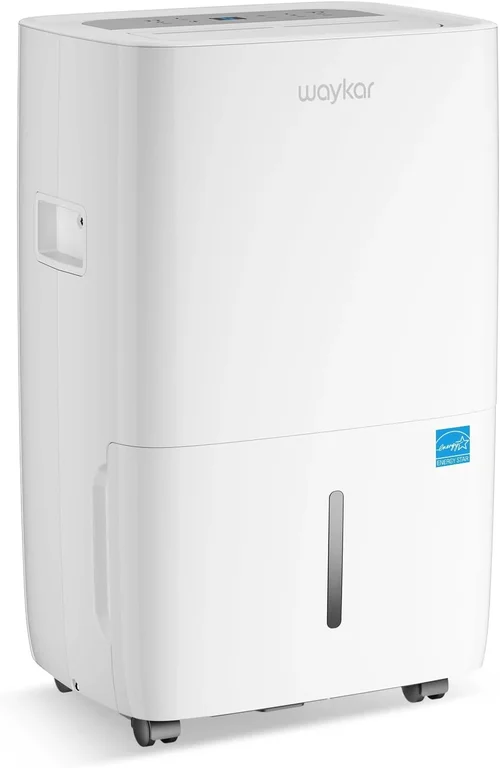
Dehumidifiers have become essential household appliances for millions of people—especially as climate change brings more extreme humidity levels, seasonal flooding, and indoor air quality challenges. Whether you’re battling musty basements, preventing mold in bathrooms, protecting valuable electronics in garages, or simply trying to breathe easier with allergies, the right dehumidifier can make a dramatic difference in your home’s comfort and health. Yet, with dozens of brands flooding the market—from budget-friendly models at big-box stores to high-end units from specialty manufacturers—choosing the best one can feel overwhelming.
This comprehensive guide is designed to cut through the noise and help you make an informed decision. We’ll walk you through every critical factor that separates a decent dehumidifier from a truly great one, compare different types and price tiers, highlight common pitfalls to avoid, and deliver expert-backed recommendations based on real-world performance, reliability, and value. By the end, you’ll know exactly what to look for—and which brand truly stands out in 2026.
The dehumidifier market has evolved significantly over the past few years. Energy efficiency standards have tightened, smart home integration has become standard in premium models, and consumer demand for quieter, more durable units has pushed innovation forward. Brands like Frigidaire, GE, Midea, Honeywell, and Levoit now compete fiercely not just on price, but on features like auto-humidistats, continuous drainage options, washable filters, and even app-controlled operation. Meanwhile, newer entrants like AlorAir and AprilAire are gaining traction among professionals and homeowners with severe moisture issues. Understanding these shifts—and how they affect your buying decision—is key to finding the perfect match for your needs.

What to Look for When Buying Buying Guide
1. Budget & Price Range
Your budget will naturally influence your options, but it’s important to understand what you’re getting (or not getting) at different price points. Dehumidifiers range from under $100 for small, portable units to over $800 for whole-home or commercial-grade systems. While it’s tempting to go for the cheapest option, especially for a rarely used space like a crawlspace, skimping too much can lead to higher long-term costs due to poor efficiency, frequent repairs, or premature failure.
In general, expect to pay between $150 and $300 for a reliable mid-sized unit (20–30 pints per day) suitable for most basements or large rooms. These models typically offer solid build quality, basic humidity controls, and decent energy efficiency. If you’re dealing with chronic dampness, high humidity year-round, or large square footage, investing $400–$600 gets you advanced features like hot-gas defrost (for cold-weather operation), dual-speed compressors, and better moisture removal rates. Whole-home dehumidifiers, often installed alongside HVAC systems, start around $1,200 but are ideal for comprehensive climate control.
2. Performance Specifications
Performance isn’t just about how much water a dehumidifier removes—it’s about doing so efficiently, quietly, and consistently under real-world conditions. The most common metric is “pints per day” (PPD), which indicates how much moisture the unit can extract in 24 hours at standard test conditions (80°F and 60% relative humidity). However, this number can be misleading if you live in a colder basement (below 65°F) or a very humid climate (above 70% RH).
Look for units with adjustable humidistats (ideally with 5% increments) so you can set your ideal humidity level—typically between 30% and 50% for comfort and mold prevention. Also check the operating temperature range: many budget models shut down below 65°F, leaving your basement vulnerable during winter months. High-performance units often include hot-gas defrost technology, allowing them to operate efficiently down to 41°F.
Another key spec is the air circulation rate, measured in cubic feet per minute (CFM). Higher CFM means faster drying and better coverage. For reference, a 50-pint unit should move at least 150–200 CFM. Finally, consider the tank size—larger tanks (2+ gallons) reduce how often you need to empty it, though continuous drainage via a hose is always preferable for unattended operation.
3. Build Quality & Durability
A dehumidifier is a long-term investment, so build quality matters more than flashy features. Start by examining the materials: look for sturdy plastic housings (not flimsy or brittle), reinforced compressor mounts, and corrosion-resistant coils—especially if you’re placing it in a damp basement or garage. Metal components, such as the condenser and evaporator coils, should be coated to resist rust.
Internal components are equally important. Scroll compressors are quieter and more durable than reciprocating ones, though they’re typically found in higher-end models. Check user reviews for mentions of compressor failure, leaking tanks, or electrical issues within the first 1–2 years—these are red flags. Also, inspect the water tank: it should have a secure lid, easy-grip handle, and a splash guard to prevent spills during removal.
Brands known for robust construction include Frigidaire (especially their Gallery and Professional series), Honeywell (with reinforced chassis and anti-corrosion coatings), and AprilAire (built for whole-home durability). Avoid ultra-cheap brands that use thin plastic and minimal insulation—they may save you $50 upfront but cost you in repairs or replacement within 18 months.
4. Features & Functionality
Modern dehumidifiers come packed with features that enhance convenience, efficiency, and usability. Here’s what to prioritize based on your needs:
– Auto-Humidistat: Allows you to set a target humidity level; the unit turns on/off automatically to maintain it.
– Continuous Drainage: A built-in pump or gravity-fed hose connection lets you run the dehumidifier 24/7 without emptying the tank.
– Washable Air Filter: Reduces maintenance costs and improves air quality by trapping dust and allergens.
– Defrost Function: Essential for cold environments—prevents ice buildup on coils.
– Timer & Delay Start: Lets you schedule operation (e.g., run only during off-peak electricity hours).
– Smart Controls: Wi-Fi connectivity (via apps like Alexa, Google Home, or brand-specific platforms) enables remote monitoring and scheduling.
– Quiet Operation: Look for models under 50 decibels (dB) for bedrooms or living areas—many premium units now operate at 45–48 dB.
Some advanced models even include air quality sensors, UV-C lights for microbial control, or dual-humidity zones. While these aren’t necessary for everyone, they’re valuable if you have asthma, allergies, or live in a high-mold-risk area.
5. Brand Reputation
Not all brands are created equal. Some have decades of experience in climate control, while others are private-label manufacturers with inconsistent quality. Reputable brands invest in R&D, rigorous testing, and customer support—factors that directly impact your long-term satisfaction.
Frigidaire (owned by Electrolux) has been a leader since the 1970s, known for reliable compressors and wide service networks. GE Appliances offers solid mid-tier options with strong warranties. Midea, the world’s largest appliance manufacturer, produces many white-label dehumidifiers sold under various names—but their own-brand models (like Midea Cube) are increasingly praised for innovation and value. Honeycomb focuses on energy efficiency and quiet operation, while Levoit targets the smart-home niche with app-integrated designs.
Avoid unknown brands with no verifiable customer service, limited warranty coverage, or overwhelmingly negative reviews about longevity. A quick check on the Better Business Bureau (BBB), Consumer Reports, or Reddit forums can reveal patterns of failure or excellent support.
6. Warranty & Support
A dehumidifier’s warranty is a strong indicator of the manufacturer’s confidence in its product. Most reputable brands offer at least a 1-year limited warranty, but premium models often include 2–5 years of coverage—sometimes with extended protection on the compressor (the most expensive component to replace).
Pay attention to what’s covered: does the warranty include labor, parts, and shipping? Is there a pro-rated clause that reduces coverage over time? Also, check if the brand has local service centers or requires you to ship the unit back for repairs. Brands like AprilAire and Santa Fe offer nationwide service networks, while others rely on third-party technicians.
Customer support responsiveness is equally important. Can you reach a human quickly? Do they provide troubleshooting guides or video support? Look for brands with 24/7 chat, detailed FAQs, and active social media support. A good warranty paired with responsive service can turn a frustrating breakdown into a minor inconvenience.
7. Size & Portability
Dehumidifiers vary widely in physical dimensions and weight. A 30-pint unit might weigh 35–45 pounds, while a 70-pint commercial model can exceed 70 pounds. If you plan to move the unit between rooms (e.g., from basement to bathroom), look for models with recessed handles, smooth-rolling casters, and a low center of gravity.
Compact designs are great for tight spaces, but ensure they don’t sacrifice performance. Some “space-saving” units have smaller coils or weaker fans, reducing efficiency. Conversely, oversized units may cycle too frequently, increasing wear and noise.
Consider the placement area: measure your space and compare it to the product dimensions. Leave at least 6–12 inches of clearance around the unit for proper airflow. Also, check cord length—many units have short power cords (under 6 feet), requiring an extension cord or outlet relocation.
8. User Reviews & Ratings
While specs and marketing materials provide a baseline, real user experiences reveal how a dehumidifier performs in everyday life. Look beyond the overall star rating and read detailed reviews, especially those mentioning long-term use (6+ months). Common themes to watch for:
– Reliability: Does it last 3–5 years without major issues?
– Noise Level: Is it truly quiet, or does the compressor rattle?
– Ease of Maintenance: Is the filter easy to clean? Does the tank leak?
– Humidity Accuracy: Does it maintain the set humidity, or does it overshoot/undershoot?
– Customer Service: How did the brand handle a defect or repair request?
Platforms like Amazon, Home Depot, and Best Buy allow filtering by verified purchases and recent reviews. Cross-reference with independent sites like Wirecutter or Good Housekeeping for balanced perspectives. Be wary of reviews that seem overly promotional or lack specifics—they may be incentivized or fake.
Different Types of Buying Guide

Common Buying Mistakes to Avoid
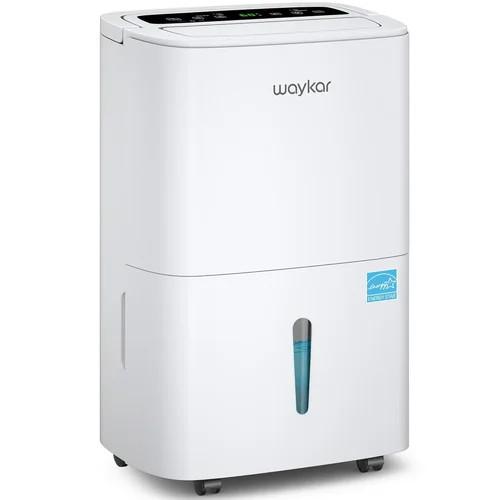
❌ Mistake: Ignoring Room Size and Humidity Level
Why it’s bad: Buying a dehumidifier that’s too small for your space leads to constant running, high energy bills, and inadequate moisture control. Conversely, an oversized unit may short-cycle (turn on/off too frequently), reducing efficiency and lifespan.
What to do instead: Calculate your room’s square footage and assess humidity severity. Use this rule of thumb:
– 10–20 pints: Up to 500 sq ft, mild dampness
– 30–50 pints: 500–1,500 sq ft, moderate to high humidity
– 70+ pints: Large basements, flood-prone areas, or commercial use
Always size up slightly if your space is poorly insulated or has chronic water intrusion.
❌ Mistake: Overlooking Energy Efficiency
Why it’s bad: Dehumidifiers are among the most energy-intensive appliances in your home. A unit with poor efficiency can add $100–$300/year to your electricity bill—erasing any upfront savings.
What to do instead: Look for the ENERGY STAR label, which guarantees the unit meets strict efficiency guidelines set by the EPA. Check the “Energy Factor” (liters of water removed per kilowatt-hour)—higher is better. Aim for at least 1.5 L/kWh for mid-sized units.
❌ Mistake: Skipping the Drainage Option
Why it’s bad: Emptying a water tank every 8–12 hours is tedious and easy to forget. If you’re away from home or using the unit in an inaccessible area (like a crawlspace), this becomes a major hassle.
What to do instead: Choose a model with a built-in pump or gravity drain hose connection. Even if you don’t use it immediately, having the option adds flexibility. Some units include a “pump-ready” feature that lets you add an external pump later.
❌ Mistake: Choosing Based Solely on Price
Why it’s bad: The cheapest dehumidifier often uses inferior components, lacks safety features, and fails within 1–2 years. You’ll end up spending more on replacements than if you’d bought a quality unit upfront.
What to do instead: Focus on value—not just cost. A $250 model with a 3-year warranty, Energy Star certification, and positive long-term reviews is a smarter buy than a $120 unit with no support history.
❌ Mistake: Ignoring Noise Levels
Why it’s bad: A noisy dehumidifier can disrupt sleep, conversations, or work—especially if placed in living areas or bedrooms. Many budget models operate at 55–60 dB, equivalent to a loud conversation.
What to do instead: Prioritize units rated under 50 dB for quiet spaces. Look for features like insulated compressor compartments, vibration-dampening feet, and variable-speed fans. Read user reviews specifically mentioning noise.
❌ Mistake: Not Checking Warranty Terms
Why it’s bad: A short or restrictive warranty leaves you vulnerable to costly repairs. Some brands exclude common failures like compressor burnout or coil corrosion.
What to do instead: Read the fine print. Ensure the warranty covers at least 1 year on all parts and 2+ years on the compressor. Verify that customer support is accessible and responsive before purchasing.
❌ Mistake: Assuming All Brands Are Equal
Why it’s bad: Private-label or off-brand dehumidifiers often lack quality control, use generic components, and offer minimal support. They may look similar to name-brand models but perform poorly over time.
What to do instead: Stick with established brands that have proven track records. Research their history, read third-party reviews, and check if they manufacture their own units or outsource to unknown factories.
Budget Guidelines: How Much Should You Spend?
– Entry-Level ($80–$150): These are typically mini or compact desiccant units ideal for small spaces like closets, RVs, or bathrooms. Expect limited capacity (2–5 pints/day), basic controls, and no drainage options. Best for occasional use or low-humidity areas. Brands: Eva-Dry, Pro Breeze.
– Mid-Range ($150–$350): This is the sweet spot for most homeowners. You’ll find reliable compressor-based units (20–50 pints/day) with humidistats, washable filters, and optional drainage. Many include Energy Star certification and 1–2 year warranties. Brands: Frigidaire, GE, Midea, Levoit.
– Premium ($350–$600): These models offer advanced features like hot-gas defrost, dual-speed fans, smart controls, and quieter operation (under 50 dB). Ideal for large basements, garages, or year-round use in humid climates. Look for extended warranties (2–5 years) and robust build quality. Brands: Honeycomb, AlorAir, Santa Fe.
– Luxury ($600+): Reserved for whole-home systems, commercial applications, or extreme environments. These units integrate with HVAC, offer precise humidity zoning, and include professional installation support. They’re built to last 10+ years with minimal maintenance. Brands: AprilAire, Quest, Dri-Eaz.
Expert Tips for Getting the Best Deal
– Buy During Off-Peak Seasons: Dehumidifiers are cheapest in late fall and winter (October–February) when demand drops. Retailers often discount old inventory to make room for new models.
– Check for Rebates and Incentives: Many utility companies offer rebates for Energy Star-certified dehumidifiers—sometimes $30–$100 off. Visit your provider’s website or the ENERGY STAR rebate finder.
– Compare Online vs. In-Store: Online retailers (Amazon, Home Depot, Lowe’s) often have better prices and wider selections, but in-store purchases let you inspect build quality and ask questions. Some stores match online prices.
– Look for Bundle Deals: Some brands offer discounts when you buy a dehumidifier with an air purifier or humidifier. These can save 10–15% compared to individual purchases.
– Read Return Policies Carefully: Ensure the retailer allows returns within 30–90 days, especially if you’re buying online. Test the unit immediately upon delivery to catch defects early.
– Test Before Committing: Run the dehumidifier for 24–48 hours in your intended space. Check humidity levels with a separate hygrometer, listen for unusual noises, and verify drainage functionality.
– Consider Refurbished or Open-Box Models: Certified refurbished units from reputable sellers (like Amazon Renewed or manufacturer outlets) often come with full warranties and cost 20–40% less.
– Join Brand Newsletters: Companies like Frigidaire and Honeycomb send exclusive promo codes to subscribers—sometimes 10–15% off your first purchase.
Frequently Asked Questions
Q: How do I know what size dehumidifier I need?
A: Start by measuring your room’s square footage. Then assess humidity severity:
– Mild dampness (musty smell, occasional condensation): 10–20 pints
– Moderate humidity (persistent dampness, visible moisture): 30–50 pints
– Severe moisture (standing water, mold growth): 50–70+ pints
Use online calculators from brands like AprilAire or consult a professional for whole-home systems.
Q: Can a dehumidifier help with allergies?
A: Yes! By reducing humidity below 50%, dehumidifiers inhibit mold, dust mites, and mildew—common allergens. Pair it with a HEPA air purifier for maximum relief.
Q: Should I run my dehumidifier continuously?
A: Not necessarily. Use the auto-humidistat to maintain your target level (usually 40–50%). Continuous operation is only needed in flood recovery or extremely humid climates.
Q: Is it safe to leave a dehumidifier on overnight?
A: Yes, as long as it has safety features like auto-shutoff when the tank is full, overheat protection, and a stable design. Choose models with these certifications for peace of mind.
Q: How often should I clean the filter?
A: Every 2–4 weeks during heavy use, or monthly otherwise. A clogged filter reduces airflow and efficiency. Most filters are washable—rinse with water and let dry completely.
Q: Do dehumidifiers use a lot of electricity?
A: They can. A typical 50-pint unit uses 500–700 watts. Look for Energy Star models, which use 15–20% less energy than standard units. Use timers to run during off-peak hours.
Q: Can I use a dehumidifier in winter?
A: Only if it has a defrost function. Most compressor units stop working below 65°F. Desiccant models work in cold temps but are less efficient at moisture removal.
Q: What’s the difference between a dehumidifier and an air purifier?
A: A dehumidifier removes moisture from the air; an air purifier removes particles like dust, pollen, and smoke. They serve different purposes but work well together.
Q: How long do dehumidifiers last?
A: With proper maintenance, quality units last 5–10 years. Budget models may fail in 2–3 years. Regular cleaning, avoiding overuse, and professional servicing (if applicable) extend lifespan.
Q: Can I install a whole-home dehumidifier myself?
A: Most require professional installation due to HVAC integration, ductwork modifications, and electrical requirements. DIY attempts can void warranties and create safety hazards.
Our Final Recommendations
– Best for Budget-Conscious Buyers: Midea MAD20C1ZWS (20-Pint) – At under $180, this Energy Star-certified unit offers reliable performance, a washable filter, and quiet operation. Great for small basements or large rooms.
– Best Overall Value: Frigidaire FFAD7033R1 (70-Pint) – Combines high capacity, hot-gas defrost, and a 2-year warranty at a mid-range price. Ideal for large, damp basements.
– Best Premium Option: Honeywell TP70WKN (70-Pint Smart) – Features Wi-Fi connectivity, precise humidity control, and ultra-quiet operation (48 dB). Perfect for tech-savvy homeowners.
– Best for Beginners: Levoit Core 300 Dehumidifier (22-Pint) – Simple controls, compact design, and app integration make it user-friendly. Great for first-time buyers.
– Best for Advanced Users: AprilAire E080 Pro (80-Pint Whole-Home) – Professional-grade, ducted system with 5-year warranty. Best for whole-house humidity control in new builds or renovations.
Conclusion: Making the Right Choice
Choosing the best dehumidifier isn’t about finding the most expensive or feature-packed model—it’s about matching the right unit to your specific environment, needs, and budget. By focusing on key factors like performance specs, build quality, energy efficiency, and brand reputation, you’ll avoid common pitfalls and invest in a solution that delivers lasting comfort and protection.
Remember: a dehumidifier is more than an appliance—it’s a tool for healthier air, preserved belongings, and peace of mind. Whether you’re fighting mold in a basement, protecting instruments in a garage, or simply breathing easier at home, the right choice makes all the difference.
Take the time to assess your space, read real user reviews, and prioritize long-term value over short-term savings. And when in doubt, lean toward reputable brands with strong warranties and responsive support. Your home—and your health—will thank you.