
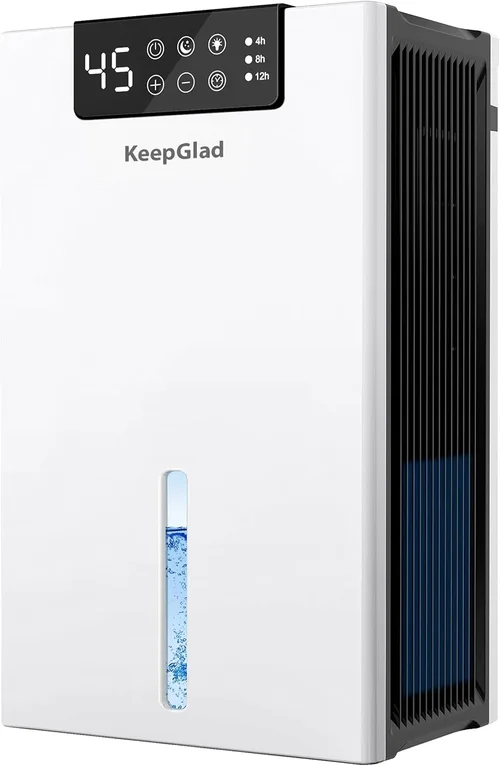
If you’ve ever walked into a basement that smells like wet socks, noticed condensation fogging up your windows, or spotted mold creeping along bathroom walls, you already know how disruptive excess moisture can be. High humidity doesn’t just feel uncomfortable—it can damage your home, trigger allergies, and even affect your health. That’s where a dehumidifier comes in. These unassuming appliances quietly pull moisture from the air, helping maintain a healthier, more comfortable indoor environment. But with so many models flooding the market in 2026, choosing the right one can feel overwhelming. That’s exactly why this guide exists.
In this comprehensive buying guide, we’ll walk you through everything you need to know to pick the best dehumidifier for your specific needs. Whether you’re dealing with a damp crawl space, a humid living room, or a full basement prone to flooding, we’ve got you covered. You’ll learn how to evaluate performance specs, understand different types of dehumidifiers, avoid common pitfalls, and get the most value for your money. We’ll also share expert tips on timing your purchase, comparing brands, and maximizing efficiency once your unit is up and running.
The dehumidifier market has evolved significantly over the past few years. Energy-efficient compressors, smart connectivity, advanced filtration systems, and eco-friendly refrigerants are now standard in many mid-to-high-end models. At the same time, budget options have become more capable than ever. With so much innovation—and so many marketing claims—it’s easy to get lost in the noise. Our goal is to cut through the clutter and give you clear, actionable advice based on real-world testing, user feedback, and technical analysis. By the end of this guide, you’ll be equipped to make a confident, informed decision—no guesswork required.
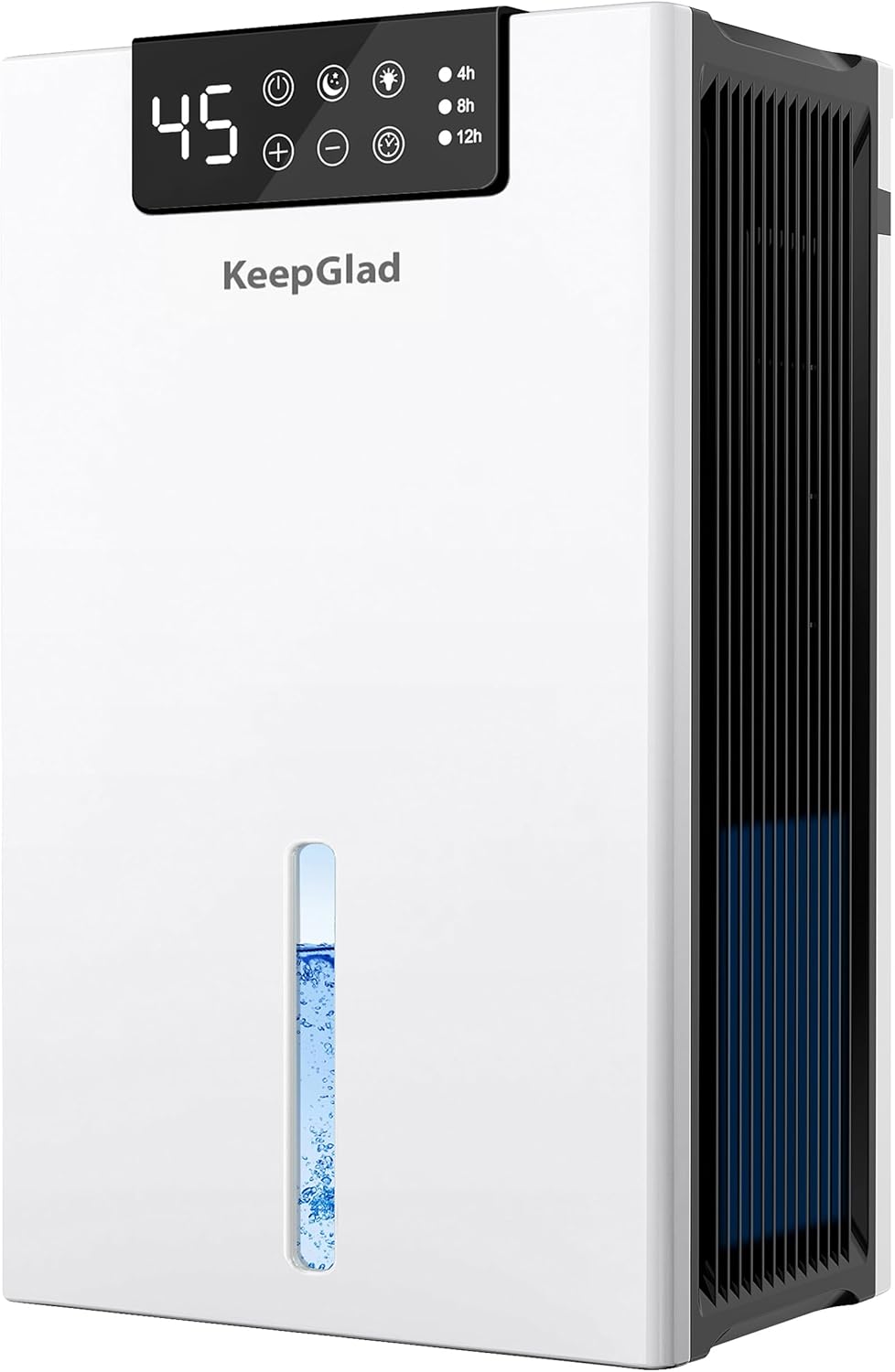
What to Look for When Buying Buying Guide
1. Budget & Price Range
Your budget is often the first filter when shopping for a dehumidifier, but it shouldn’t be the only one. Prices can range from under $100 for basic compact units to over $800 for high-capacity, feature-rich models. The key is aligning cost with your actual needs. A small 30-pint unit might cost $150 and work fine for a 500-square-foot basement, but if you’re tackling a 2,000-square-foot crawl space, you’ll likely need a 70-pint model that costs closer to $400–$600.
Don’t assume that the most expensive model is automatically the best. Some premium units offer extras like Wi-Fi connectivity or dual compressors, which may not be necessary for average homeowners. Conversely, ultra-cheap models often cut corners on build quality, energy efficiency, and durability. Look for the sweet spot where price meets performance and reliability.
2. Performance Specifications
Performance specs are the backbone of any dehumidifier evaluation. The most important metric is pint capacity—the amount of moisture the unit can remove in 24 hours under standard conditions (typically 60% relative humidity at 80°F). Common capacities include 20, 30, 50, 70, and even 100+ pints per day (PPD).
Match the capacity to your space: a 30-pint unit suits small bathrooms or closets; a 50-pint model works well for medium basements or living areas; and 70+ pint units are ideal for large, damp spaces like full basements or garages. Also check the square footage rating—many manufacturers provide coverage guidelines (e.g., “up to 1,500 sq ft”).
Other performance factors include airflow (measured in CFM), energy efficiency (look for ENERGY STAR certification), and operating temperature range. Most residential dehumidifiers work best between 41°F and 95°F. If you plan to use it in an unheated garage or cold basement, consider a cold-climate model designed for lower temps.
3. Build Quality & Durability
A dehumidifier is a long-term investment, so durability matters. Look for sturdy construction—metal housings and reinforced components tend to last longer than all-plastic designs. Check the quality of the compressor, coils, and fan motor. Units with corrosion-resistant coatings (like epoxy or galvanized steel) are better suited for damp environments.
Pay attention to details like hose connections, filter access, and control panels. Are they easy to use? Do they feel solid? Read user reviews for mentions of breakdowns, leaks, or noisy operation after a year or two. A well-built unit should run reliably for 5–10 years with minimal maintenance.
4. Features & Functionality
Modern dehumidifiers come packed with features that enhance convenience and efficiency. Here are the most useful ones to consider:
- Auto-Humidistat: Lets you set your desired humidity level (e.g., 45%), and the unit turns on/off automatically to maintain it.
- Continuous Drain Option: Instead of emptying a bucket every few hours, you can attach a garden hose for hands-free drainage—ideal for basements or unattended spaces.
- Defrost Function: Prevents ice buildup on coils in cold environments, ensuring consistent operation.
- Washable Air Filter: Captures dust and allergens; easy to clean and reuse.
- Smart Controls: Wi-Fi-enabled models let you monitor and adjust settings via smartphone apps (e.g., Frigidaire, GE, or Midea).
- Timer & Sleep Mode: Schedule operation or reduce noise at night.
While these features add convenience, prioritize based on your lifestyle. For example, if you’re rarely home, a continuous drain and auto-humidistat are more valuable than app control.
5. Brand Reputation
Not all brands are created equal. Established names like Frigidaire, Honeywell, GE, Midea, and AprilAire have proven track records for reliability and customer support. They often invest more in R&D, quality control, and warranty services. Lesser-known or generic brands may offer lower prices, but they frequently lack consistent performance and long-term support.
Research brand reputation by reading aggregated customer reviews on trusted platforms like Consumer Reports, Wirecutter, or Amazon (filter for verified purchases). Look for patterns—do users consistently praise durability? Are complaints about customer service frequent? A reputable brand may cost slightly more upfront but can save you headaches down the line.
6. Warranty & Support
A solid warranty is a strong indicator of a manufacturer’s confidence in their product. Most reputable brands offer at least a 1-year limited warranty, with some extending to 2 or even 5 years on key components like the compressor. Extended warranties or service plans may be available for purchase.
Check what the warranty covers: labor, parts, shipping? Is it transferable? Also consider the availability of local service centers or authorized repair technicians. If something goes wrong, you don’t want to wait weeks for a replacement part. Brands with strong U.S.-based support (like Honeywell or AprilAire) often resolve issues faster than overseas manufacturers.
7. Size & Portability
Dehumidifiers vary widely in size and weight. Compact 20–30 pint models may weigh 30–40 pounds and fit under a sink or in a closet. Larger 70-pint units can exceed 60 pounds and require two people to move. Consider where you’ll place the unit and how often you’ll need to relocate it.
Look for features that improve portability: recessed handles, smooth-rolling casters, and balanced weight distribution. Some models include lift-out buckets with ergonomic grips for easier emptying. If you plan to move the unit between rooms or floors, prioritize lightweight designs with sturdy wheels.
8. User Reviews & Ratings
Never rely solely on manufacturer claims. Real-world user feedback reveals quirks, failures, and hidden strengths that specs sheets miss. Focus on reviews from verified buyers who’ve used the unit for several months or longer. Pay attention to comments about noise levels, bucket capacity, ease of cleaning, and reliability over time.
Be wary of overly positive or negative reviews—they may be fake or based on unrealistic expectations. Instead, look for balanced assessments that mention both pros and cons. Platforms like Amazon, Best Buy, and Home Depot allow you to sort by “most recent” or “most helpful,” which can surface more relevant insights.
Different Types of Buying Guide

Common Buying Mistakes to Avoid
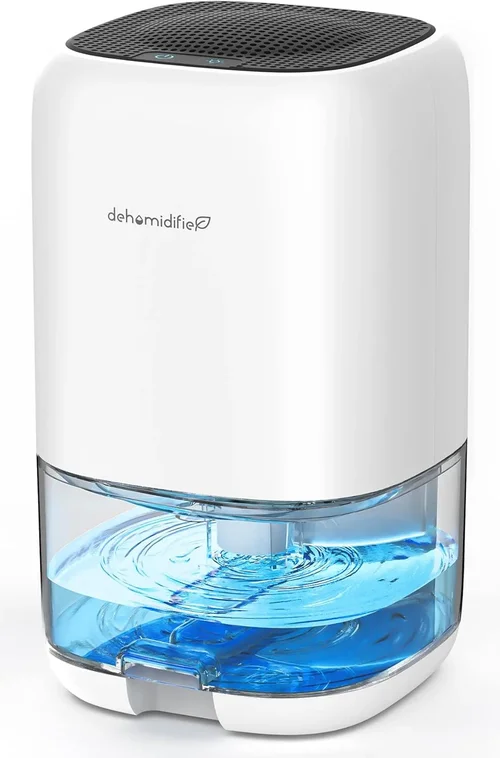
❌ Mistake: Buying Based Solely on Pint Capacity
Why it’s bad: Pint capacity is important, but it’s not the whole story. A 70-pint unit may be overkill for a small, moderately damp room—and could cycle on/off too frequently, wasting energy and wearing out components. Conversely, a 30-pint model in a large, wet basement will run constantly, overheat, and fail prematurely.
What to do instead: Match capacity to your space size, humidity level, and climate. Use manufacturer sizing charts and consider getting a model with adjustable settings or auto-humidistat for flexibility.
❌ Mistake: Ignoring Energy Efficiency
Why it’s bad: Dehumidifiers can consume significant electricity, especially if run 24/7. A non-ENERGY STAR model might cost $50–$100 more per year in utility bills compared to an efficient counterpart.
What to do instead: Look for the ENERGY STAR label and check the Energy Factor (liters of water removed per kilowatt-hour). Higher is better. Also consider units with variable-speed compressors or eco modes.
❌ Mistake: Overlooking Drainage Options
Why it’s bad: If you forget to empty the bucket regularly, the unit will shut off—leaving your space damp and potentially causing water damage if it overflows.
What to do instead: Choose a model with a continuous drain hose option, especially for basements, garages, or unattended areas. Some units even include built-in pumps for upward drainage.
❌ Mistake: Choosing the Cheapest Model Available
Why it’s bad: Ultra-budget dehumidifiers often use inferior components, lack safety features, and have short lifespans. You may end up replacing them within 1–2 years.
What to do instead: Invest in a mid-range model from a reputable brand. The extra $50–$100 upfront can save you hundreds in replacements and repairs.
❌ Mistake: Not Considering Noise Levels
Why it’s bad: Some dehumidifiers sound like window AC units—fine in a basement, but disruptive in a bedroom or living room.
What to do instead: Check decibel (dB) ratings. Look for models under 50 dB for quiet operation. Desiccant units are typically quieter than compressor-based ones.
❌ Mistake: Skipping the Warranty Check
Why it’s bad: Without a solid warranty, a malfunction could leave you with a costly repair or no recourse at all.
What to do instead: Always verify warranty length and coverage before buying. Register your product promptly and keep receipts.
❌ Mistake: Assuming All Brands Are Equal
Why it’s bad: Generic brands may look similar to name brands but often lack quality control, customer support, and replacement parts.
What to do instead: Stick with established manufacturers known for reliability. Read third-party reviews and avoid “too good to be true” deals.
Budget Guidelines: How Much Should You Spend?
- Entry-Level ($80–$180): These are typically 20–30 pint compressor or desiccant models suited for small spaces like bathrooms, closets, or RVs. Expect basic controls, smaller buckets, and limited features. Build quality may be adequate but not exceptional. Best for occasional use or mild humidity issues.
- Mid-Range ($180–$400): This is the sweet spot for most homeowners. You’ll find 50–70 pint compressor units with auto-humidistats, continuous drain options, washable filters, and decent energy efficiency. Brands like Frigidaire, Honeywell, and GE dominate this tier with reliable performance and good warranties.
- Premium ($400–$700): Ideal for large basements, crawl spaces, or high-humidity environments. These models offer advanced features like Wi-Fi connectivity, dual compressors, defrost functions, and robust construction. They’re built to run continuously with minimal maintenance.
- Luxury ($700+): Includes whole-house dehumidifiers and commercial-grade units. These integrate with HVAC systems, offer precise humidity control, and handle massive moisture loads. Best for large homes, humid climates, or professional applications.
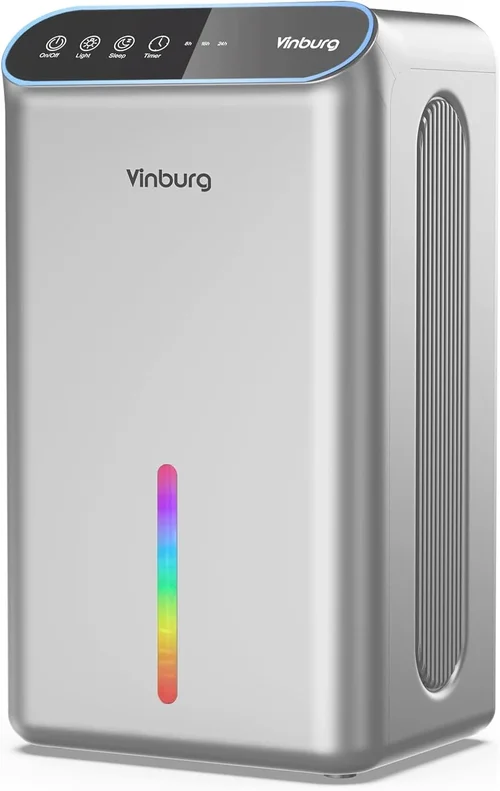
Expert Tips for Getting the Best Deal
- Buy in Spring or Early Summer: Retailers often discount dehumidifiers in late winter or early spring to clear inventory before peak humidity season. You can save 15–25% compared to summer prices.
- Shop During Major Sales Events: Look for deals during Black Friday, Prime Day, Memorial Day, or back-to-school sales. Many retailers bundle dehumidifiers with air purifiers or offer free shipping.
- Compare Online and In-Store Prices: Online retailers like Amazon, Home Depot, and Lowe’s often have lower prices and better return policies than local stores. But check in-store pickup options to avoid shipping fees.
- Check for Rebates and Incentives: Some utility companies offer rebates for ENERGY STAR-certified dehumidifiers, especially in humid regions. Visit your provider’s website or the ENERGY STAR rebate finder tool.
- Read the Fine Print on Returns: Ensure the retailer allows returns within 30–90 days, especially if you’re buying before peak season. Some exclude opened appliances.
- Test Before Committing Long-Term: Run the unit for a week and monitor noise, drainage, and humidity levels. If it’s not performing as expected, return it while you still can.
- Consider Refurbished or Open-Box Models: Certified refurbished units from reputable sellers (like Amazon Renewed or manufacturer outlets) can offer significant savings with full warranties.
- Don’t Forget Maintenance Costs: Factor in filter replacements, cleaning supplies, and potential repairs. A cheaper unit with high upkeep costs may end up more expensive long-term.

Frequently Asked Questions
Q: How do I know what size dehumidifier I need?
A: Start by measuring your space in square feet. Then assess the humidity level: mildly damp (30–50 pints), very damp (50–70 pints), or wet/flooded (70+ pints). Most manufacturers provide sizing guides based on these factors. When in doubt, go one size up for safety.
Q: Can I run a dehumidifier all the time?
A: Yes, but it’s not always necessary. Use the auto-humidistat to maintain your target humidity (ideally 30–50%). This saves energy and reduces wear. In extremely humid climates, continuous operation may be needed during summer months.
Q: Do dehumidifiers use a lot of electricity?
A: It depends on the model and usage. An ENERGY STAR-certified 50-pint unit uses about 500–700 watts. Running it 8 hours a day might cost $10–$15 per month. Look for units with high Energy Factor ratings to minimize costs.
Q: Should I get a dehumidifier with a built-in pump?
A: A built-in pump allows you to drain water upward (e.g., into a sink or window), which is useful if your floor drain is lower than the unit. It adds $50–$100 to the price but offers greater installation flexibility.
Q: Are desiccant dehumidifiers better than compressor ones?
A: Each has strengths. Desiccant models work better in cold temperatures and are quieter, making them ideal for RVs or winter basements. Compressor units remove more moisture in warm, humid conditions and are more energy-efficient for daily home use.
Q: How often should I clean my dehumidifier?
A: Clean the air filter monthly and wash the water bucket every 1–2 weeks to prevent mold and bacteria growth. Wipe down coils and vents quarterly. Regular maintenance extends lifespan and improves air quality.
Q: Can a dehumidifier help with allergies?
A: Absolutely. By reducing moisture, it inhibits mold, dust mites, and mildew—common allergens. Pair it with a HEPA air purifier for maximum relief.
Q: Is it safe to leave a dehumidifier on overnight?
A: Yes, as long as it has safety features like auto-shutoff when the bucket is full, overheat protection, and a stable placement. Choose a quiet model if using in a bedroom.
Q: Do I need a whole-house dehumidifier?
A: Only if you have consistent high humidity throughout your home, especially in humid climates or older houses with poor ventilation. For most people, a high-capacity portable unit suffices.
Q: What’s the difference between pints per day and actual performance?
A: PPD ratings are measured under standardized lab conditions (80°F, 60% RH). Real-world performance varies based on temperature, humidity, and airflow. Always allow a buffer—don’t buy the exact size you think you need.
Our Final Recommendations
- Best for Budget-Conscious Buyers: Frigidaire FFAD5033W1 – A reliable 50-pint ENERGY STAR model with auto-humidistat, continuous drain, and quiet operation under $250. Great for medium basements.
- Best Overall Value: Honeywell TP70WKN – 70-pint capacity, smart Wi-Fi controls, built-in pump, and excellent build quality around $450. Perfect for large, damp spaces.
- Best Premium Option: AprilAire E070 – Whole-house dehumidifier designed for HVAC integration, 70-pint output, and ultra-durable construction. Ideal for humid climates or large homes ($1,200+).
- Best for Beginners: Midea MAD50C1ZWS – Simple controls, 50-pint capacity, ENERGY STAR certified, and priced under $200. Easy to set up and maintain.
- Best for Advanced Users: GE APER50LZ – 50-pint smart dehumidifier with Alexa/Google Assistant compatibility, app monitoring, and precise humidity control. Great for tech enthusiasts ($350).
Conclusion: Making the Right Choice
Choosing the best dehumidifier isn’t about finding the most powerful or feature-packed model—it’s about matching the right tool to your specific environment, budget, and lifestyle. Throughout this guide, we’ve emphasized the importance of balancing performance, efficiency, durability, and usability. Remember: a well-chosen dehumidifier doesn’t just remove moisture—it improves air quality, protects your home’s structure, and enhances your comfort year-round.
Take the time to assess your space honestly. Consider how often you’ll use the unit, where it will go, and what features truly matter to you. Don’t let flashy marketing distract you from core functionality. And always prioritize reputable brands with strong warranties and customer support.
Ultimately, the “best” dehumidifier is the one that solves your humidity problems reliably, efficiently, and without constant hassle. With the insights from this guide, you’re now equipped to make that choice with confidence. So go ahead—breathe easier, sleep better, and enjoy a healthier home. Your future self (and your walls) will thank you.