
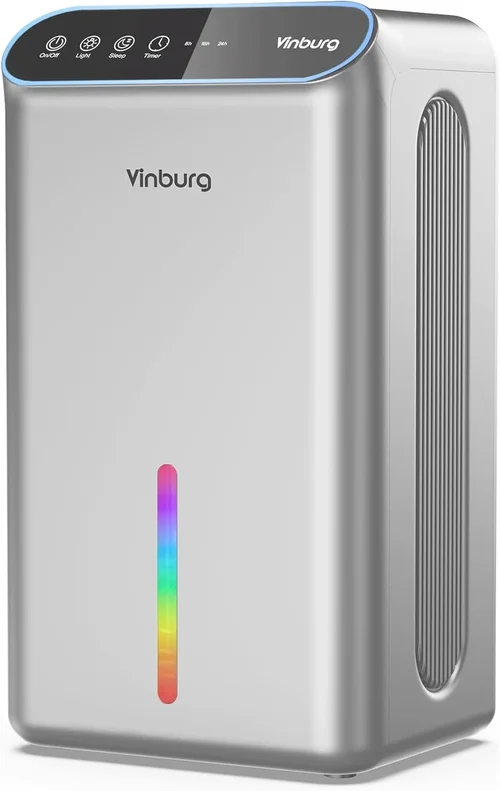
Running a dehumidifier might seem straightforward—plug it in, set it, and forget it. But if you’re serious about maximizing efficiency, minimizing energy costs, and protecting your home from moisture-related damage, timing is everything. Many homeowners unknowingly run their dehumidifiers at the wrong times, wasting electricity or failing to prevent mold, musty odors, and structural deterioration. Whether you live in a humid coastal region, a damp basement, or a high-humidity apartment, understanding the optimal times to operate your dehumidifier can make a dramatic difference in performance and cost-effectiveness.
This comprehensive buying guide is designed to help you not only choose the right dehumidifier but also use it intelligently. We’ll explore the science behind humidity control, break down the key features to look for, compare different types of units, and reveal expert strategies for running your dehumidifier at peak efficiency. You’ll learn how seasonal changes, daily routines, and even weather patterns influence when and how long to run your unit. By the end of this guide, you’ll have a clear action plan tailored to your environment, budget, and lifestyle.
The dehumidifier market has evolved significantly in recent years. With advancements in smart technology, energy efficiency, and compact design, today’s models offer far more than just basic moisture removal. From Wi-Fi-enabled units that adjust automatically based on real-time humidity levels to ultra-quiet designs perfect for bedrooms, the options are vast. However, this abundance of choice can be overwhelming. That’s why this guide cuts through the noise, focusing on practical, evidence-based advice to help you make a confident, informed decision. Whether you’re a first-time buyer or upgrading from an older model, you’ll find everything you need to optimize your purchase and usage.

What to Look for When Buying Buying Guide
1. Budget & Price Range
Your budget is the foundation of any purchasing decision, and dehumidifiers are no exception. Prices can range from under $100 for small, portable units to over $800 for high-capacity, whole-house systems. It’s important to align your spending with your specific needs rather than simply opting for the cheapest or most expensive option. For example, a $120 unit may suffice for a 500-square-foot basement with moderate humidity, but it will struggle in a large, damp crawl space or during peak summer months in the Southeast.
When setting your budget, consider not only the upfront cost but also long-term operating expenses. Energy-efficient models with ENERGY STAR certification may cost more initially but can save you hundreds in electricity over their lifespan. Additionally, cheaper units often lack durability and advanced features, leading to earlier replacement. A mid-range investment ($200–$400) typically offers the best balance of performance, reliability, and value for most homeowners.
2. Performance Specifications
Performance is measured primarily by the unit’s capacity—how much moisture it can remove in 24 hours, usually expressed in pints. For reference, a 30-pint unit is suitable for spaces up to 1,500 square feet with moderate humidity, while a 70-pint model is better for large basements or high-humidity areas. However, capacity alone isn’t enough. You should also check the unit’s performance under different temperature and humidity conditions, as specified by the Association of Home Appliance Manufacturers (AHAM).
Look for the AHAM rating, which tests dehumidifiers at 60% relative humidity and 80°F. This standardized metric allows for fair comparisons between brands. Also, consider the unit’s energy factor (liters of water removed per kilowatt-hour), which indicates efficiency. A higher energy factor means lower operating costs. For example, a unit with an energy factor of 1.5 is more efficient than one rated at 1.2.
3. Build Quality & Durability
A dehumidifier is a long-term investment, so build quality matters. Cheaper models often use thin plastic casings and low-grade internal components that can crack, warp, or fail prematurely. Look for units with sturdy, impact-resistant housings, corrosion-resistant coils (especially important in basements or coastal areas), and sealed compressors to prevent refrigerant leaks.
Internal components like the evaporator and condenser coils should be made of durable materials such as copper or aluminum with protective coatings. Additionally, check for features like auto-defrost, which prevents ice buildup in colder environments (below 65°F), and washable filters that reduce maintenance costs. A well-built unit may cost more upfront but will last significantly longer and require fewer repairs.
4. Features & Functionality
Modern dehumidifiers come with a range of features that enhance convenience, efficiency, and control. The most important is a built-in humidistat, which allows you to set your desired humidity level (ideally between 30% and 50%) and automatically turns the unit on or off to maintain it. Without this, you risk over-dehumidifying (which wastes energy and dries out the air) or under-dehumidifying (which fails to prevent mold).
Other valuable features include programmable timers, which let you schedule operation during off-peak hours or when you’re away; continuous drainage options via a hose (eliminating the need to empty a bucket); and auto-restart after power outages. Smart models offer Wi-Fi connectivity, enabling remote control via smartphone apps, integration with home automation systems, and real-time humidity monitoring. While not essential, these features can significantly improve usability and energy savings.
5. Brand Reputation
Not all dehumidifier brands are created equal. Established manufacturers like Frigidaire, hOmeLabs, GE, and AprilAire have built reputations for reliability, customer support, and innovation. These companies often invest more in research and development, resulting in better-performing, longer-lasting products. They also tend to offer better warranties and more accessible customer service.
Avoid unknown or generic brands that flood online marketplaces with low-cost, low-quality units. While they may seem like a bargain, they often lack proper certifications, have poor build quality, and offer minimal or no support. Reading verified customer reviews and checking ratings on trusted platforms like Consumer Reports or the Better Business Bureau can help you identify trustworthy brands. A reputable brand may cost slightly more, but the peace of mind and long-term value are worth it.
6. Warranty & Support
A solid warranty is a strong indicator of a manufacturer’s confidence in their product. Most reputable dehumidifiers come with a one- to two-year limited warranty, covering parts and labor. Some premium models offer extended coverage—up to five years—especially on compressors and sealed systems. Always read the fine print: some warranties are voided if the unit is used in commercial settings or improperly maintained.
Customer support is equally important. Look for brands that offer responsive service via phone, email, or live chat, with readily available replacement parts and troubleshooting guides. Some companies even provide free technical support for the life of the product. A good warranty and support system can save you time, money, and frustration if something goes wrong.
7. Size & Portability
Dehumidifiers vary widely in size and weight, from compact 20-pint units that fit under a sink to large 70-pint models that resemble mini refrigerators. Consider where you’ll place the unit and how often you’ll need to move it. If you’re using it in a basement, garage, or laundry room, portability may be less of a concern. But for bedrooms, offices, or multi-room use, a lighter, quieter model with wheels and a handle is ideal.
Check the unit’s dimensions and weight before buying. A model that’s too large may not fit in your desired space, while one that’s too small may not cover the area effectively. Also, consider noise levels—measured in decibels (dB). Units under 50 dB are considered quiet and suitable for living areas, while those above 60 dB may be disruptive. Look for models with quiet fan modes or sleep settings for nighttime use.
8. User Reviews & Ratings
User reviews provide real-world insights that specs and marketing materials can’t match. Look for patterns in feedback: if multiple users report the same issue—like frequent bucket overflows, loud operation, or short lifespan—it’s a red flag. Conversely, consistent praise for reliability, ease of use, or energy efficiency is a good sign.
Focus on reviews from verified purchasers and prioritize recent feedback, as product quality can change over time. Platforms like Amazon, Home Depot, and Lowe’s allow you to filter reviews by star rating, verified purchase status, and keywords. Pay attention to how the unit performs in conditions similar to yours—e.g., “works great in my 1,200 sq ft basement in Florida” or “struggles in high humidity during summer.”
Different Types of Buying Guide

Common Buying Mistakes to Avoid
❌ Mistake: Buying Based Solely on Price
Why it’s bad: Choosing the cheapest dehumidifier often leads to poor performance, frequent breakdowns, and higher long-term costs. Low-cost units may lack essential features like a humidistat or auto-shutoff, requiring constant manual monitoring. They also tend to be less energy-efficient, increasing your electricity bill.
What to do instead: Focus on value, not just price. Invest in a mid-range model with good reviews, solid build quality, and energy-efficient operation. A $300 unit that lasts 8 years and saves $50 annually on energy is a better deal than a $100 unit that fails after 2 years.
❌ Mistake: Ignoring Room Size and Humidity Level
Why it’s bad: A dehumidifier that’s too small for your space will run constantly, overheat, and fail to reduce humidity effectively. Conversely, an oversized unit may cycle on and off too frequently, wasting energy and reducing lifespan.
What to do instead: Measure your space and assess humidity levels. Use a hygrometer to check relative humidity. Match the unit’s capacity (in pints) to your room size and moisture level. For example, a 50-pint unit is ideal for a 1,000–1,500 sq ft basement with high humidity.
❌ Mistake: Overlooking Drainage Options
Why it’s bad: Many dehumidifiers require you to manually empty a water bucket every 8–12 hours. If you forget or are away, the unit shuts off, allowing humidity to rise again. This is especially problematic in basements or during vacations.
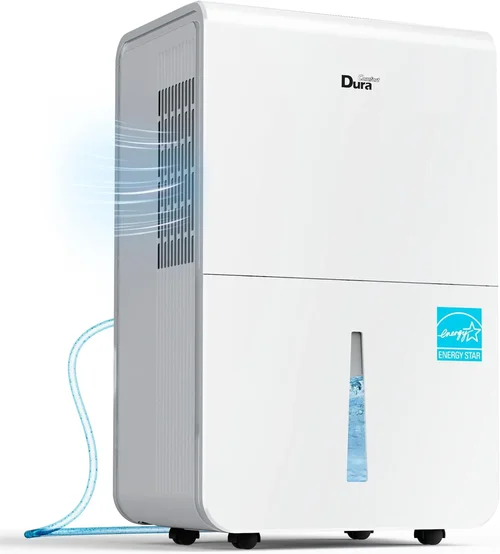
What to do instead: Choose a model with a continuous drainage option. Most units have a hose connection that allows you to direct water into a floor drain, sump pump, or outside. This eliminates the need for manual emptying and ensures uninterrupted operation.
❌ Mistake: Running the Dehumidifier 24/7 Without a Humidistat
Why it’s bad: Running a dehumidifier continuously, especially without a humidistat, can over-dry the air, leading to dry skin, irritated sinuses, and increased static electricity. It also wastes energy and shortens the unit’s lifespan.
What to do instead: Always use a unit with a built-in humidistat and set it to maintain 30–50% relative humidity. This ensures the dehumidifier only runs when needed, saving energy and protecting your health.
❌ Mistake: Placing the Unit in the Wrong Location
Why it’s bad: Poor placement—such as in a corner, behind furniture, or near walls—restricts airflow, reducing efficiency. It can also cause the unit to overheat or shut down prematurely.
What to do instead: Place the dehumidifier in the center of the room or near the source of moisture (e.g., laundry area, basement stairs). Leave at least 6–12 inches of clearance on all sides for proper air circulation.
❌ Mistake: Neglecting Maintenance
Why it’s bad: Dirty filters, clogged coils, and full buckets can reduce performance, increase energy use, and lead to mold growth inside the unit. Regular maintenance is essential for longevity and efficiency.
What to do instead: Clean the air filter monthly, check the bucket or drainage hose weekly, and inspect coils annually. Follow the manufacturer’s maintenance schedule to keep your dehumidifier running smoothly.
❌ Mistake: Buying Without Checking Energy Efficiency
Why it’s bad: Inefficient dehumidifiers consume more electricity, increasing your utility bills. Over time, this can add up to hundreds of dollars, especially if the unit runs frequently.
What to do instead: Look for ENERGY STAR-certified models, which meet strict efficiency guidelines. Check the energy factor (EF) on the label—higher is better. Also, consider the unit’s wattage and estimated annual operating cost.
Budget Guidelines: How Much Should You Spend?
- Entry-Level ($50 – $150): These are typically mini or compact desiccant dehumidifiers ideal for small spaces like closets, RVs, or bathrooms. They’re affordable and portable but have low capacity (under 20 pints) and limited features. Best for occasional use or low-humidity areas. Expect shorter lifespans and higher energy use per pint removed.
- Mid-Range ($150 – $400): This is the sweet spot for most homeowners. These compressor-based units offer 30–70 pint capacity, built-in humidistats, auto-shutoff, and continuous drainage options. They’re energy-efficient, durable, and suitable for basements, garages, and large rooms. Brands like hOmeLabs, Frigidaire, and GE dominate this category with reliable performance and good warranties.
- Premium ($400 – $800): Designed for high-demand environments, these models feature advanced controls, smart connectivity, larger tanks, and superior build quality. They often include features like remote sensors, multi-speed fans, and enhanced filtration. Ideal for humid climates, large homes, or users who want automation and precision.
- Luxury ($800+): Whole-house dehumidifiers and commercial-grade units fall into this tier. They integrate with HVAC systems, cover entire homes, and offer professional-grade humidity control. These are best for large properties, humid regions, or allergy sufferers who need consistent, whole-home air quality management.
Expert Tips for Getting the Best Deal
- Buy During Off-Season Sales: The best time to purchase a dehumidifier is in late fall or winter (October–February), when demand is low. Retailers often discount models to clear inventory before the humid spring and summer months. You can save 20–30% compared to peak season pricing.
- Shop Online for Better Selection and Prices: Online retailers like Amazon, Home Depot, and Lowe’s often offer lower prices, exclusive deals, and detailed customer reviews. Use price-tracking tools like Honey or CamelCamelCamel to monitor discounts and get alerts.
- Look for Bundle Deals: Some retailers offer discounts when you buy a dehumidifier with other appliances (e.g., air purifiers, humidifiers, or HVAC filters). These bundles can save you $50–$100.
- Check for Rebates and Incentives: Many utility companies offer rebates for ENERGY STAR-certified dehumidifiers. Visit your provider’s website or check the ENERGY STAR rebate finder to see if you qualify for cash back or discounts.
- Read the Return Policy: Before buying, confirm the return window and conditions. Some retailers offer 30–90 days for returns, while others charge restocking fees. Choose a seller with a flexible, no-hassle return policy.
- Test Before Committing: If possible, test the unit in your space for a few days. Check noise levels, ease of use, and effectiveness. If it doesn’t meet your expectations, return it promptly.
- Negotiate or Ask for Price Matching: Some brick-and-mortar stores will match online prices. Bring a printed or digital ad to the customer service desk and ask for a price match. It doesn’t hurt to ask!
- Consider Refurbished or Open-Box Models: Certified refurbished units from reputable sellers often come with warranties and can save you 20–40%. Just ensure they’re inspected and tested by the manufacturer.
Frequently Asked Questions
Q: What is the best time of day to run a dehumidifier?
A: The best time to run a dehumidifier is during the warmest part of the day—typically between 10 a.m. and 6 p.m.—when humidity levels are highest. However, if your unit has a humidistat, it will automatically adjust based on real-time conditions. For energy savings, consider running it during off-peak hours (evenings or nights) if your electricity rates are lower.
Q: Should I run my dehumidifier in winter?
A: It depends. In cold climates, indoor humidity often drops naturally due to heating systems, making dehumidifiers unnecessary. However, in poorly ventilated basements or during humid winter months (common in some regions), a desiccant dehumidifier can help prevent condensation and mold. Avoid compressor models in temperatures below 65°F, as they lose efficiency.
Q: How long should I run my dehumidifier each day?
A: Ideally, run it until your desired humidity level (30–50%) is reached, then let the humidistat control it. In high-humidity areas, this may mean 8–12 hours daily. In moderate conditions, 4–6 hours may suffice. Avoid running it continuously unless necessary.
Q: Can I run my dehumidifier all night?
A: Yes, but only if it’s quiet (under 50 dB) and placed away from sleeping areas. Many models have a “sleep mode” that reduces fan speed and noise. Ensure the bucket won’t overflow or use continuous drainage to prevent shutdowns.
Q: Does a dehumidifier use a lot of electricity?
A: It depends on the model and usage. A typical 50-pint dehumidifier uses about 500–700 watts. Running it 8 hours a day may cost $10–$20 per month, depending on your electricity rate. ENERGY STAR models are 15–25% more efficient, reducing costs.
Q: Can I use a dehumidifier in an unheated basement?
A: Yes, but choose a desiccant dehumidifier or a compressor model with auto-defrost. Desiccant units work well in cold temperatures (down to 40°F), while compressor models may ice up below 65°F without defrost protection.
Q: How do I know if my dehumidifier is working properly?
A: Check the humidity level with a hygrometer. If it’s not dropping, inspect the filter, coils, and drainage. Listen for unusual noises or leaks. A working unit should remove visible moisture and reduce musty odors within a few days.
Q: Should I close doors and windows when using a dehumidifier?
A: Yes. Keep the area sealed to prevent humid outdoor air from entering. This improves efficiency and reduces runtime. Open windows only when necessary for ventilation.
Q: Can a dehumidifier help with allergies?
A: Absolutely. By reducing humidity below 50%, it inhibits mold, dust mites, and mildew—common allergens. Pair it with an air purifier for maximum relief.
Q: How often should I clean my dehumidifier?
A: Clean the air filter monthly, wipe the exterior weekly, and inspect the coils and bucket every 3–6 months. Deep clean the unit annually to prevent mold and bacteria buildup.
Our Final Recommendations
- Best for Budget-Conscious Buyers: hOmeLabs 30 Pint Dehumidifier – At under $200, it offers excellent value with a built-in humidistat, continuous drainage, and quiet operation. Ideal for small to medium basements.
- Best Overall Value: Frigidaire FFAD7033R1 70 Pint Dehumidifier – ENERGY STAR certified, durable, and highly efficient. Perfect for large, humid spaces with reliable performance and a 1-year warranty.
- Best Premium Option: AprilAire E130 Pro 130 Pint Whole-House Dehumidifier – For whole-home control, this professionally installed unit integrates with HVAC systems and maintains consistent humidity year-round.
- Best for Beginners: GE APER50LZ 50 Pint Dehumidifier – Easy to use, with intuitive controls, auto-restart, and a large tank. Great for first-time buyers.
- Best for Advanced Users: AlorAir Sentinel HDi90 Smart Dehumidifier – Wi-Fi enabled, app-controlled, and designed for harsh environments. Ideal for tech-savvy users who want automation and remote monitoring.
Conclusion: Making the Right Choice
Choosing the right dehumidifier and using it at the optimal times can transform your home environment, protect your property, and save you money. From understanding performance specs and build quality to avoiding common pitfalls and leveraging smart features, this guide equips you with the knowledge to make a confident, informed decision. Remember, the best dehumidifier isn’t necessarily the most expensive—it’s the one that matches your space, climate, and lifestyle.
Prioritize your needs: Are you battling basement mold, managing allergies, or simply seeking comfort? Let that guide your choice. Invest in a reliable, energy-efficient model with the right capacity and features. And don’t forget the importance of timing—running your dehumidifier intelligently ensures maximum effectiveness with minimal waste.
With the right unit and smart usage habits, you’ll enjoy drier air, fewer odors, and a healthier home for years to come. Take action today: assess your humidity levels, compare models, and make a purchase that delivers lasting value. Your home—and your wallet—will thank you.