
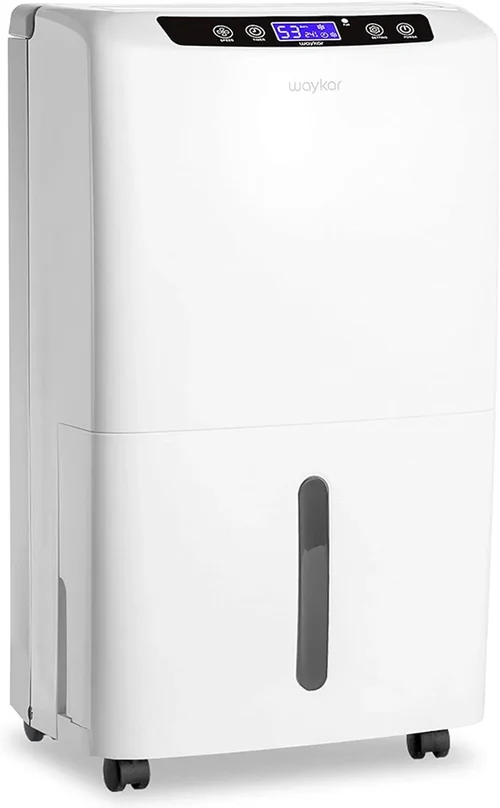
Dealing with damp, musty basements is a common challenge for homeowners across North America—especially in regions with high humidity, heavy rainfall, or older foundations. Whether you’re storing seasonal clothing, protecting valuable tools, or simply trying to make your basement livable, excess moisture can lead to mold growth, structural damage, and poor indoor air quality. That’s where a reliable dehumidifier comes in. But with dozens of models on the market—ranging from compact 30-pint units to industrial-grade 70-pint behemoths—choosing the right one can feel overwhelming.
This comprehensive buying guide is designed to cut through the noise and help you make an informed decision. Whether you’re a first-time buyer or upgrading from an underperforming unit, you’ll learn exactly what to look for, how to avoid costly mistakes, and which features truly matter for basement use. We’ll walk you through performance specs, build quality, smart features, budget considerations, and real-world usability—so you can confidently select a dehumidifier that delivers lasting results. By the end, you’ll know not just which model to buy, but why it’s the best fit for your space, lifestyle, and long-term needs.
The dehumidifier market has evolved significantly in recent years. Energy-efficient compressors, smart sensors, auto-defrost capabilities, and improved drainage options have made modern units far more effective and user-friendly than their predecessors. However, not all dehumidifiers are created equal—especially when it comes to basement environments, which often face unique challenges like cold concrete floors, poor ventilation, and fluctuating humidity levels. This guide focuses specifically on units optimized for basement conditions, drawing on expert testing, customer feedback, and technical benchmarks to deliver actionable insights. Whether you’re dealing with a small crawl space or a full-sized finished basement, we’ve got you covered.
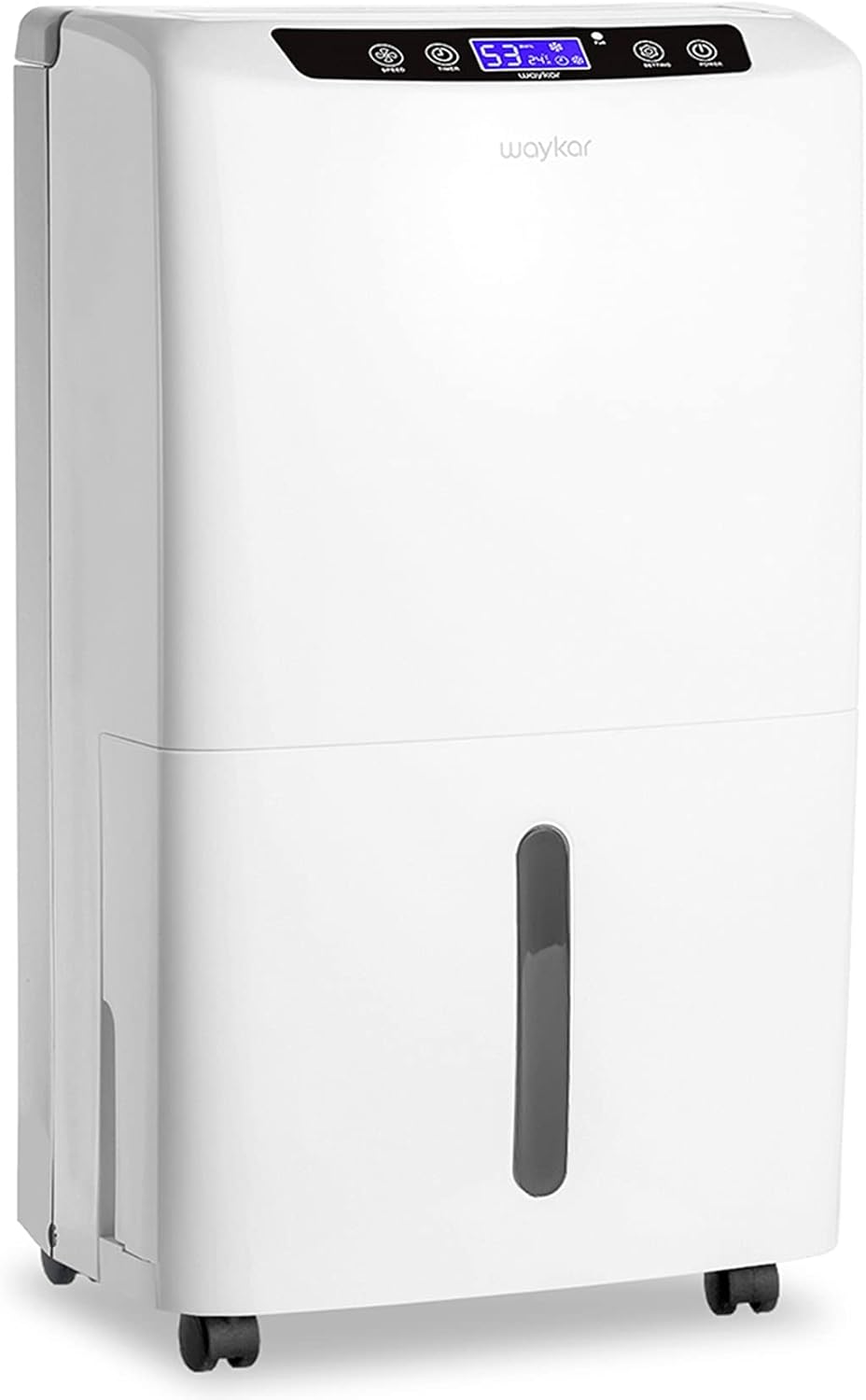
What to Look for When Buying Buying Guide
1. Capacity (Pint Rating)
The most critical specification when choosing a dehumidifier for your basement is its capacity, measured in pints per day (PPD). This number tells you how much moisture the unit can remove in a 24-hour period under standard testing conditions (typically 60% relative humidity at 80°F). For basements, which are often damp, poorly ventilated, and prone to moisture intrusion, you’ll generally need a higher-capacity model.
– 30–50 PPD: Suitable for small, moderately damp basements (under 1,000 sq ft) with minimal moisture issues.
– 50–70 PPD: Ideal for average-sized basements (1,000–2,000 sq ft) with noticeable dampness or occasional flooding.
– 70+ PPD: Best for large, very wet basements, crawl spaces with standing water, or homes in high-humidity climates.
Don’t rely solely on square footage—consider your basement’s condition. A finished basement with carpet and drywall may need more dehumidification than an unfinished one with exposed concrete, even if they’re the same size. Also, note that manufacturers often test under ideal lab conditions; real-world performance may be 10–20% lower in cold or extremely humid environments.
2. Energy Efficiency & Operating Costs
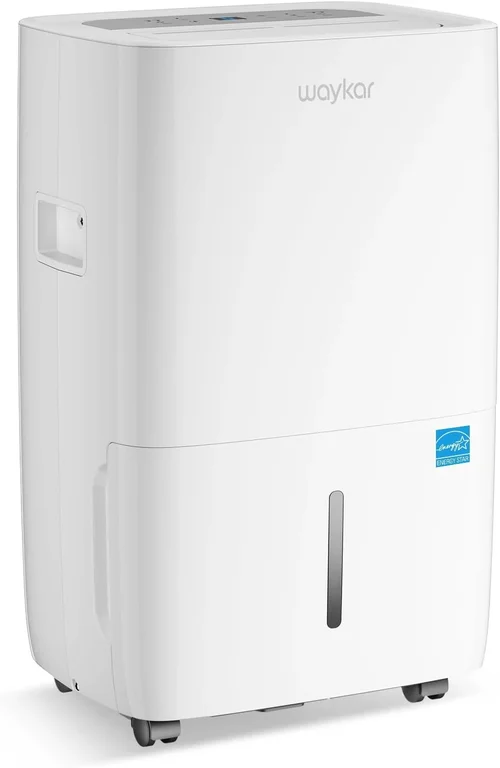
Dehumidifiers run for hours each day, especially in humid climates or during summer months. A unit that saves energy can significantly reduce your electricity bill over time. Look for models with the ENERGY STAR® certification, which indicates they meet strict efficiency guidelines set by the U.S. Environmental Protection Agency.
Key metrics to check:
– Energy Factor (L/kWh): Measures liters of water removed per kilowatt-hour of electricity. Higher is better (aim for 1.5 L/kWh or above).
– Wattage: Lower wattage means less power consumption, but balance this with performance—some efficient units use advanced compressors that draw less power while maintaining high output.
For example, a 50-pint ENERGY STAR model might use around 500–600 watts, while a non-certified unit of the same capacity could consume 700+ watts. Over a full season, that difference can add up to $30–$50 in savings.
Also consider the auto-humidistat, which allows the unit to cycle on and off based on actual humidity levels rather than running continuously. This not only saves energy but also extends the lifespan of the compressor.
3. Drainage Options
Emptying a water bucket every day is tedious and impractical—especially in basements where access may be limited. That’s why drainage flexibility is a game-changer.
Most dehumidifiers offer two primary drainage methods:
– Gravity Drain Hose: Connect a standard garden hose to the outlet and route it to a floor drain, sump pump, or outside. This allows continuous operation without manual intervention. Ensure the unit has a built-in pump or check valve if you need to lift water vertically.
– Built-in Pump (Pump-Assisted Drainage): Some premium models include an internal condensate pump that can push water upward (up to 15 feet) and over long distances. This is ideal for basements without floor drains or when routing a hose outside isn’t feasible.
Units without pump functionality rely solely on gravity, meaning the hose must slope downward continuously. If your basement has a sump pit or utility sink, gravity drainage may suffice. But for maximum convenience, especially in larger homes, a pump-equipped model is worth the extra cost.
4. Humidity Control & Sensors
Precise humidity control is essential for preventing both over-drying (which wastes energy) and under-drying (which allows mold growth). Look for models with:
– Digital Humidistat: Lets you set your desired humidity level (ideally between 30% and 50% for basements).
– Auto-Restart: Resumes operation at your preset level after a power outage—critical during storms or outages.
– Defrost Function: Automatically melts ice buildup on coils in cold environments (below 65°F), ensuring consistent performance in unheated basements.
Advanced units may include smart sensors that monitor temperature and humidity in real time, adjusting fan speed and compressor output accordingly. Some even connect to Wi-Fi, allowing remote monitoring via smartphone apps—a useful feature if you’re away from home frequently.
Avoid models with only mechanical dials or basic “high/medium/low” settings. These offer poor precision and often lead to inefficient operation.
5. Build Quality & Durability
Basements are harsh environments—dusty, damp, and sometimes cold. A dehumidifier that can’t withstand these conditions will fail prematurely. Prioritize models with:
– Stainless Steel or Coated Coils: Resist corrosion from moisture and extend lifespan.
– Robust Cabinet Construction: Look for thick plastic or metal housings that won’t crack or warp.
– Sealed Electronics: Protect internal components from dust and humidity.
Brands like Frigidaire, hOmeLabs, and GE consistently score high in durability tests, while budget brands may use thinner materials that degrade quickly. Also check the filter design—washable, reusable filters are easier to maintain than disposable ones.
Noise level matters too. Most basement dehumidifiers operate between 50–60 decibels (dB)—comparable to a quiet conversation. If your basement doubles as a living space, opt for models under 55 dB.
6. Portability & Placement Flexibility
Even in a basement, you may need to move your dehumidifier for cleaning, maintenance, or seasonal storage. Key mobility features include:
– Recessed Handles: Make lifting easier without adding bulk.
– Smooth-Rolling Casters: Allow effortless movement across concrete or tile floors.
– Compact Footprint: Fits under stairs, in corners, or beside furnaces without obstructing walkways.
Weight varies widely—from 30 lbs for smaller units to over 60 lbs for high-capacity models. If you have mobility concerns, look for lightweight designs or units with front-loading water tanks (easier to remove when full).
Placement is also crucial. Keep the unit at least 6–12 inches away from walls and furniture to ensure proper airflow. Avoid enclosing it in cabinets or tight spaces, as restricted ventilation reduces efficiency and can cause overheating.
7. Brand Reputation & Customer Support
Not all dehumidifier brands are created equal. Established manufacturers like Frigidaire, Danby, LG, and AprilAire have decades of experience and robust customer service networks. They’re more likely to honor warranties, provide replacement parts, and offer troubleshooting support.
Check online reviews on trusted platforms like Consumer Reports, Wirecutter, or Amazon (filter for verified purchases). Pay attention to recurring complaints—frequent breakdowns, poor drainage, or unresponsive support are red flags.
Also consider regional availability. Some brands dominate certain markets (e.g., Danby in Canada), so ensure local service centers exist in your area.
8. Warranty & Return Policy
A dehumidifier is a long-term investment. A solid warranty protects you against defects and premature failure. Most reputable brands offer:
– 1-Year Limited Warranty: Covers parts and labor.
– 2–3 Year Extended Warranty: Often available for purchase or included with premium models.
– Compressor Warranty: Some cover the compressor (the most expensive component) for 5+ years.
Read the fine print: many warranties are voided if the unit is used in commercial settings, moved frequently, or improperly maintained. Also check the return window—30 days is standard, but some retailers (like Best Buy) offer 15-day returns, which may not be enough to test performance in real conditions.
Different Types of Buying Guide

Common Buying Mistakes to Avoid
❌ Mistake: Choosing Based Solely on Price
Why it’s bad: The cheapest dehumidifier often lacks essential features like auto-drain, defrost, or accurate humidity control. It may also use inferior components that fail within a year, costing more in replacements than a mid-range model would have.
What to do instead: Focus on total cost of ownership—including energy use, maintenance, and expected lifespan. A $300 unit that lasts 8 years is a better value than a $150 model that breaks after 2.
❌ Mistake: Ignoring Basement Temperature
Why it’s bad: Most refrigerant dehumidifiers lose efficiency below 65°F and may ice up in unheated basements during winter. Running a standard unit in cold conditions can damage the compressor.
What to do instead: If your basement stays cold year-round, choose a desiccant model or a refrigerant unit with auto-defrost. Check the operating temperature range in the specs.
❌ Mistake: Overlooking Drainage Needs
Why it’s bad: Without proper drainage, you’ll be emptying a 1–2 gallon bucket daily—a chore that quickly becomes frustrating and leads to neglect.
What to do instead: Assess your basement layout. If no floor drain exists, invest in a model with a built-in pump or plan for a gravity hose run to a window or sump pit.
❌ Mistake: Buying Too Small
Why it’s bad: An undersized unit will run constantly, struggle to lower humidity, and wear out faster. It won’t solve your moisture problem.
What to do instead: Use our capacity guidelines above and err on the side of larger capacity. A slightly oversized unit cycles less and maintains stable humidity more effectively.
❌ Mistake: Skipping the Warranty Check
Why it’s bad: Dehumidifiers have complex electronics and compressors. Without warranty coverage, a single repair could cost half the price of a new unit.
What to do instead: Always verify warranty length and terms before buying. Consider extended coverage for high-end models.
❌ Mistake: Not Reading Real User Reviews
Why it’s bad: Marketing specs don’t tell the whole story. Real users report issues like noisy operation, poor drainage design, or app connectivity problems.
What to do instead: Read 10+ recent reviews from verified buyers. Look for patterns—not isolated complaints.
❌ Mistake: Assuming All ENERGY STAR Models Are Equal
Why it’s bad: ENERGY STAR certification only sets a minimum efficiency bar. Some certified models are far more efficient than others.
What to do instead: Compare the Energy Factor (L/kWh) directly. Aim for 1.5 or higher for best savings.
Budget Guidelines: How Much Should You Spend?
– Entry-Level ($150–$250): These 30–50 pint units are suitable for small, mildly damp basements. Expect basic controls, manual drainage, and shorter lifespans. Brands like Eva-Dry and Ivation offer decent options here, but avoid ultra-cheap no-name brands.
– Mid-Range ($250–$400): This is the sweet spot for most homeowners. You’ll find 50–70 pint models with digital humidistats, auto-defrost, gravity drain hoses, and ENERGY STAR ratings. Frigidaire FFAD5033W1 and hOmeLabs HME020034N are standout performers in this tier.
– Premium ($400–$600): Ideal for large, very wet basements or tech enthusiasts. These include built-in pumps, Wi-Fi connectivity, advanced sensors, and robust construction. Models like the GE APER50LZ or AprilAire E080 offer professional-grade reliability.
– Luxury ($600+): Reserved for whole-house systems or commercial-grade units. These integrate with HVAC, offer remote monitoring, and come with multi-year warranties. Best for finished basements or high-value properties.
Expert Tips for Getting the Best Deal
– Buy in Spring: Retailers often discount dehumidifiers in March–May before peak humidity season. You’ll find the best selection and prices.
– Check Best Buy Open-Box Deals: Gently used or returned units can save 20–40% and often include full warranties.
– Compare Online vs. In-Store: Online retailers (Amazon, Home Depot) may offer lower prices, but in-store purchases let you inspect build quality and ask questions.
– Bundle with Other Purchases: Some stores offer discounts when buying a dehumidifier with a sump pump or air purifier.
– Use Price Tracking Tools: Set alerts on Honey or CamelCamelCamel to catch flash sales.
– Negotiate Extended Warranties: Ask if the store will match manufacturer warranty terms or throw in free installation.
– Test Before Committing: Run the unit for a week. If humidity isn’t dropping or noise is excessive, return it within the window.
– Maintain Regularly: Clean the filter monthly and inspect coils quarterly to maximize lifespan and efficiency.

Frequently Asked Questions
Q: How do I know if my basement needs a dehumidifier?
A: Signs include persistent musty odors, condensation on walls or windows, visible mold or mildew, warped wood, or a clammy feeling. You can also use a hygrometer to measure humidity—if it’s consistently above 60%, a dehumidifier is recommended.
Q: Can I use a dehumidifier in winter?
A: Yes, but only if it has an auto-defrost feature or is a desiccant model. Standard refrigerant units may ice up below 65°F. If your basement is heated, a regular unit will work fine.
Q: How often should I empty the water tank?
A: It depends on humidity levels and capacity. A 50-pint unit in a damp basement may fill daily. Use continuous drainage to avoid manual emptying.
Q: Will a dehumidifier lower my energy bill?
A: Indirectly, yes. By reducing humidity, your AC doesn’t have to work as hard to cool the air, potentially lowering cooling costs by 5–10%.
Q: Can I place the dehumidifier anywhere in the basement?
A: Place it centrally for even coverage, away from walls and furniture. Avoid corners or enclosed spaces that restrict airflow.
Q: How long do dehumidifiers last?
A: With proper maintenance, most last 5–8 years. High-quality models with stainless steel coils can exceed 10 years.
Q: Are smart dehumidifiers worth it?
A: If you travel often or want real-time alerts, yes. But for basic humidity control, a non-smart model with a good humidistat is sufficient.
Q: What’s the ideal humidity level for a basement?
A: Between 30% and 50%. Below 30% can dry out wood; above 50% encourages mold growth.
Q: Can I run a dehumidifier 24/7?
A: Yes, especially if using auto-mode. Modern units are designed for continuous operation and will cycle on/off as needed.
Q: Do I need a permit to install a dehumidifier?
A: No—portable units require no installation. Whole-house systems may need HVAC professional involvement but typically don’t require permits.
Our Final Recommendations
– Best for Budget-Conscious Buyers: Frigidaire FFAD5033W1 (50 Pint) – Excellent balance of price, performance, and reliability. ENERGY STAR certified with auto-defrost and gravity drain.
– Best Overall Value: hOmeLabs HME020034N (70 Pint) – High capacity, built-in pump option, quiet operation, and durable build. Perfect for medium to large basements.
– Best Premium Option: GE APER50LZ (50 Pint with Pump) – Wi-Fi enabled, app control, sleek design, and consistent performance in cold basements.
– Best for Beginners: Eva-Dry E-500 Renewable – Simple, no-frills operation ideal for small spaces. No electricity needed—great for seasonal use.
– Best for Advanced Users: AprilAire E080 Pro (70 Pint) – Whole-house capable, professional-grade, with remote monitoring and 5-year warranty. Ideal for serious moisture problems.
Conclusion: Making the Right Choice
Choosing the right dehumidifier for your basement isn’t just about picking the biggest or most expensive model—it’s about matching the unit’s capabilities to your specific environment, needs, and long-term goals. From capacity and drainage to energy efficiency and smart features, every decision point matters. By prioritizing performance over price, investing in durability, and avoiding common pitfalls, you’ll protect your home from moisture damage and enjoy a healthier, more comfortable living space.
Remember: a dehumidifier is a long-term investment in your home’s integrity and your family’s well-being. Take the time to assess your basement’s unique challenges, read real user reviews, and choose a model that offers the right blend of power, convenience, and reliability. With the insights from this guide, you’re now equipped to make a confident, informed purchase—one that delivers dry, fresh air for years to come.
Don’t wait until mold appears or your belongings start to warp. Act now, choose wisely, and reclaim your basement from excess moisture. Your home—and your peace of mind—will thank you.